Have you ever struggled to remove mounting tape without damaging your walls or leaving sticky residue behind? You’re not alone.
Removing mounting tape can be tricky, especially when you want to keep your surfaces clean and smooth. But don’t worry—there are simple, effective methods that make the job much easier. You’ll discover the best ways to get rid of mounting tape quickly and safely, saving you time and frustration.
Keep reading to learn the secrets to a clean, hassle-free removal every time.

Credit: www.youtube.com
Types Of Mounting Tape
Mounting tape comes in different types for various uses. Each type has unique features and ways to remove it. Knowing the tape type helps you remove it without damage.
Double-sided Tape
This tape sticks on both sides. It holds light objects like posters and photos. It is thin and easy to cut. Removing it can be tricky because it leaves sticky residue.
Foam Tape
Foam tape is thicker and soft. It works well on uneven surfaces. It cushions and holds heavier items. Foam tape may stretch when pulled and can leave bits behind.
Vhb Tape
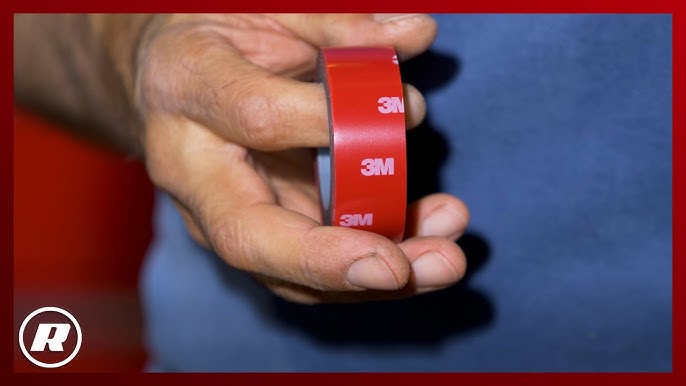
VHB stands for Very High Bond. This tape is very strong and durable. It sticks on metal, glass, and plastic. Removing VHB tape needs care to avoid surface damage.
Tools Needed For Removal
Removing mounting tape can be tricky without the right tools. Using proper tools makes the process easier and safer. It helps protect surfaces and reduces damage. Here are the main tools you need for removing mounting tape effectively.
Heat Sources
Heat softens the adhesive on mounting tape. A hairdryer or heat gun works well. Warm the tape evenly for a few seconds. This makes peeling the tape easier. Avoid using too much heat to prevent damage.
Plastic Scrapers
Plastic scrapers help lift tape without scratching surfaces. They are gentle yet firm enough to remove sticky residue. Use a plastic putty knife or an old credit card. Slide the scraper under the tape edges carefully. This reduces the risk of marks or dents.
Adhesive Removers
Adhesive removers dissolve sticky residues left by tape. Choose a remover safe for your surface type. Apply a small amount and let it sit briefly. Wipe the area with a clean cloth. This clears leftover glue and restores the surface.
Heat Method For Softening Tape
The heat method is a simple way to soften mounting tape. Heat breaks down the sticky glue. This makes the tape easier to peel off. It reduces the chance of damage to walls or surfaces. Two common tools work well: a hairdryer and a heat gun. Both give controlled heat to loosen the tape.
Using A Hairdryer
Hold the hairdryer a few inches from the tape. Use a medium heat setting to warm the tape. Move the dryer slowly along the tape length. Keep the heat steady to avoid burns or melting. After warming, try peeling the tape gently. The glue should feel softer and come off easier. Repeat if needed, but do not overheat the surface.
Applying A Heat Gun Safely
A heat gun gives stronger heat than a hairdryer. Use it with care to avoid damage. Keep the gun moving to prevent burning the surface. Hold it a few inches away from the tape. Use the lowest heat setting possible. Warm the tape evenly without focusing on one spot. Test the tape’s softness often. Peel gently once the glue feels soft. Always wear gloves and eye protection for safety.
Peeling Techniques
Peeling mounting tape needs care to avoid damage. Using the right technique helps remove tape cleanly and saves time. Two good methods work well for most surfaces. These techniques reduce sticky residue and protect your walls or furniture.
Slow And Steady Pull
Start by lifting one corner of the tape gently. Pull the tape back slowly at a low angle. Keep the tape close to the surface as you pull. This stops the tape from snapping or tearing. Pulling too fast can leave sticky glue behind. Take your time for the best result.
Using Dental Floss Or Fishing Line
Slide dental floss or fishing line under the tape edge. Move it back and forth in a sawing motion. This cuts through the adhesive without pulling hard. It works well for thick or strong tape. This method keeps surfaces safe from damage. Use clean floss or line for smooth action.
Removing Residual Adhesive
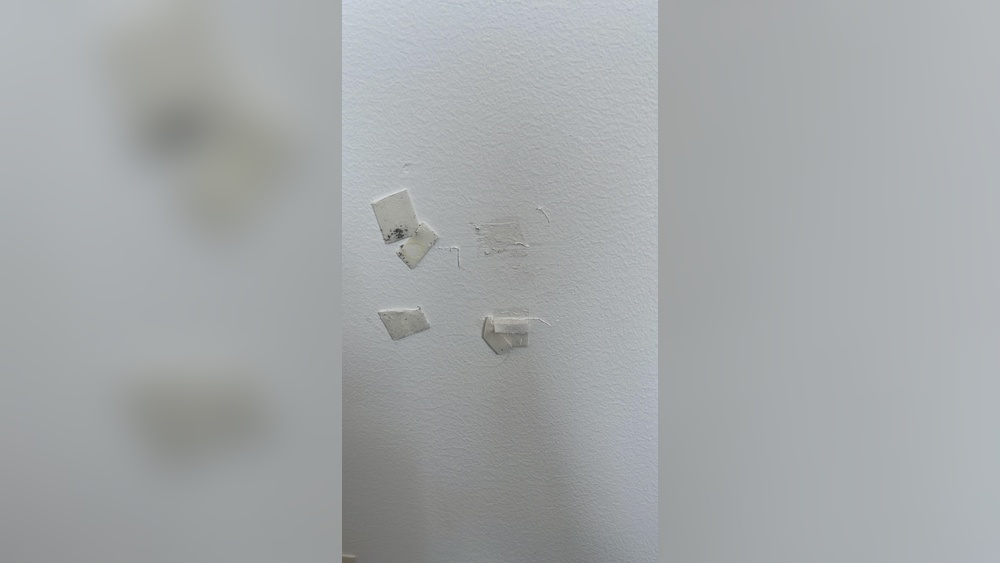
Removing mounting tape often leaves sticky residue on surfaces. This leftover adhesive can be tough to clean. Using the right method helps restore surfaces quickly. Choose a gentle yet effective cleaner to avoid damage.
Rubbing Alcohol
Rubbing alcohol is a simple, safe option. Dampen a cloth and rub the sticky spots gently. The alcohol breaks down the adhesive without harming most surfaces. Test on a small area first to check for damage. Repeat until the residue disappears.
Oil-based Cleaners
Oil-based cleaners like vegetable oil or baby oil loosen adhesive residue well. Apply a small amount to the sticky area. Let it sit for a few minutes to soften the glue. Wipe away with a soft cloth. Clean the surface afterward with soap and water to remove oily traces.
Commercial Adhesive Removers
Special adhesive removers work quickly on tough residues. Follow the instructions on the product label carefully. Apply only the needed amount and avoid prolonged contact with surfaces. These removers dissolve adhesives for easy wiping. Always ventilate the area well during use.

Credit: www.reddit.com
Preventing Surface Damage
Removing mounting tape without harming your walls or furniture is important. The right approach keeps surfaces clean and intact. Careful handling and the right tools help avoid scratches or peeling paint. Taking small steps can save you time and repair costs.
Choosing The Right Tools
Select soft tools like plastic scrapers or old credit cards. Avoid metal tools that can scratch surfaces. Use gentle adhesive removers made for your surface type. Have a clean cloth ready to wipe away residue. A hairdryer can soften tape glue for easier removal.
Testing On Small Areas First
Try your chosen method on a hidden spot first. This shows how the surface reacts to heat or remover. Watch for color changes or damage before full removal. Testing helps pick the safest way to remove tape. It reduces risks and keeps surfaces looking good.
When To Seek Professional Help
Removing mounting tape can be tricky and sometimes causes damage. Knowing when to seek professional help saves time and avoids problems. Professionals have the right tools and skills to remove tape safely.
Signs Of Surface Damage
Peeling paint or torn wallpaper means the tape removal is risky. Professionals can protect walls and surfaces. They use gentle methods to avoid further damage.
Strong Or Old Adhesive
Old tape often sticks very tightly. It may leave sticky residue or marks behind. Experts know how to remove tough adhesives without harming surfaces.
Large Or Complex Areas
Big surfaces with mounting tape take time and care. Complex shapes or delicate materials require skill. Professionals handle these jobs quickly and cleanly.
Lack Of Proper Tools
Using the wrong tools can worsen the situation. Professionals come prepared with special tools and products. They remove tape without scratching or damaging.
Credit: www.youtube.com
Frequently Asked Questions
How Can I Safely Remove Mounting Tape?
To safely remove mounting tape, gently heat the tape with a hairdryer. This softens the adhesive. Slowly peel the tape off at a 45-degree angle to avoid damage.
What Household Items Help Remove Mounting Tape?
Common household items like rubbing alcohol, vinegar, or cooking oil can help dissolve tape residue. Apply with a cloth, let it sit briefly, then wipe away gently.
Will Mounting Tape Damage Painted Walls?
Mounting tape can damage painted walls if removed harshly. Use heat and gentle peeling to minimize paint peeling or surface damage during removal.
How Do I Remove Sticky Residue After Tape Removal?
Use adhesive removers or natural oils like coconut or olive oil. Apply on residue, let it sit, then rub gently with a cloth until clean.
Conclusion
Removing mounting tape does not have to be hard or messy. Use gentle heat to soften the adhesive first. Peel slowly to avoid damage to surfaces. Clean any leftover sticky bits with rubbing alcohol or soapy water. Taking time and care helps keep walls and objects safe.
With the right steps, you can remove tape cleanly and easily. Keep these simple tips in mind for your next project.