Have you ever flipped a light switch, only to find nothing happens? It’s frustrating and can leave you wondering if the switch is broken or if there’s a bigger problem.
Knowing how to test if a light switch is bad can save you time, money, and hassle. You’ll learn simple, step-by-step methods to check your switch quickly and safely. By the end, you’ll feel confident fixing the issue or knowing when to call a professional.
Keep reading—you’re just a few easy steps away from solving your light switch troubles.
Signs Of A Faulty Light Switch
Identifying a faulty light switch early helps avoid bigger electrical problems. Faulty switches show clear signs that anyone can spot. These signs point to potential dangers or the need for a replacement. Knowing them saves time and keeps your home safe.
Flickering Lights
Lights that flicker or blink often mean the switch is bad. This happens because of a loose connection inside the switch. Flickering wastes electricity and can damage your bulbs. It also makes a room feel uncomfortable and unsafe.
Switch Feels Loose
A switch that feels loose or wobbly may be broken inside. It should click firmly when pressed. Loose switches might not turn lights on or off properly. This can cause the light to stay on or not work at all.
Burning Smell Or Sparks
A burning smell near the switch signals a serious problem. Sparks or smoke are even worse signs. These issues mean the switch could be overheating or short-circuiting. Stop using the switch immediately to avoid fire risks.
Credit: www.youtube.com
Tools Needed For Testing
Testing a light switch requires a few basic tools. These tools help check if the switch works correctly or needs replacement. Having the right tools makes the process safe and easy.
Each tool has a special role in testing the switch. Understanding these tools helps you test the switch step-by-step.
Multimeter
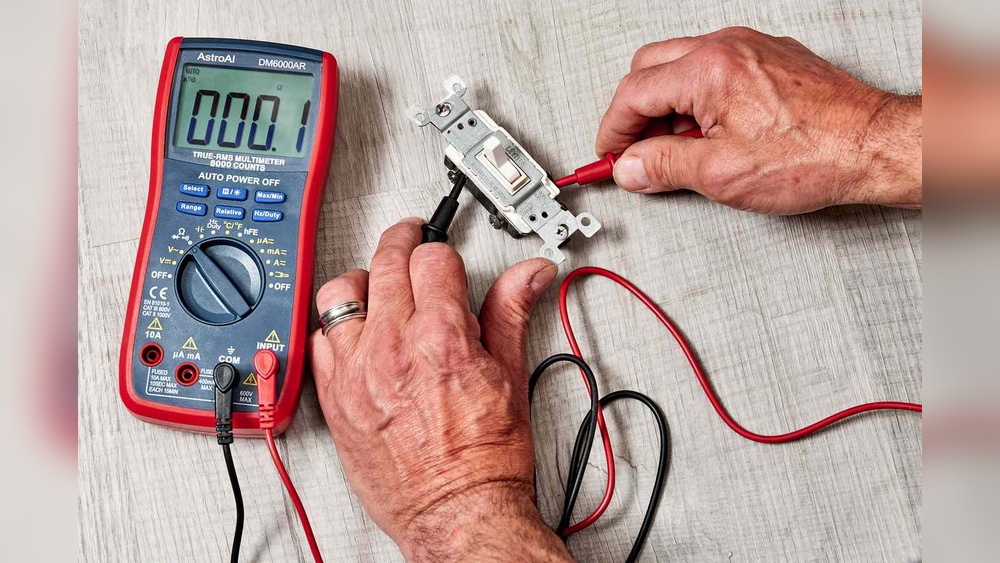
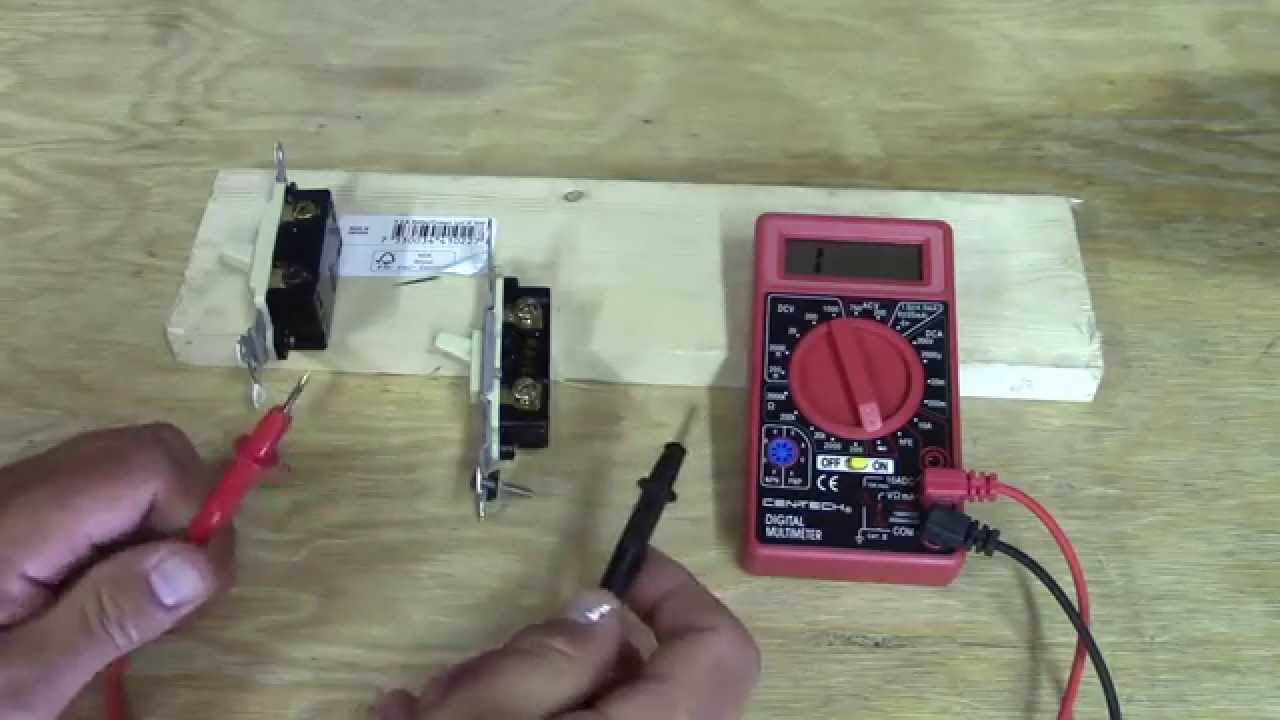
A multimeter measures electrical current, voltage, and resistance. It tells if the switch allows electricity to pass. Set the multimeter to continuity or resistance mode. Touch the probes to the switch terminals. A reading shows if the switch is good or bad.
Screwdriver
A screwdriver helps remove the switch cover plate. It also loosens screws holding the switch in place. Choose the right size and type, usually a flat-head or Phillips screwdriver. Use it carefully to avoid damaging wires or the switch.
Voltage Tester
A voltage tester checks if power reaches the switch. It detects live wires without touching them directly. Hold the tester near the wires or terminals. If it lights up or beeps, power is present. This tool adds safety during testing.
Safety Precautions
Testing a light switch can be risky without proper safety steps. Taking safety precautions protects you from electric shocks and accidents. Always follow simple safety rules before starting any electrical work. These rules keep you safe and make the test easier to do.
Turn Off Power
Switch off the power at the circuit breaker. Do not rely on the wall switch alone. Confirm the power is off by using a voltage tester. This prevents electric shocks during testing. Never work on a live circuit.
Use Insulated Tools
Choose tools with insulated handles for electrical work. Insulated tools stop electricity from passing to your hand. This lowers the risk of electric shock. Use a screwdriver and pliers with rubber grips. Keep tools in good condition without cracks.
Wear Protective Gear
Wear safety gloves made for electrical work. Use safety glasses to protect your eyes. Avoid loose clothing or jewelry that can catch wires. Proper gear creates a barrier between you and electricity. Stay safe with every step.
Testing The Light Switch
Testing the light switch helps find out if it is working properly. It involves a few simple steps. These steps check the switch’s wiring and electrical flow. Follow each step carefully to avoid mistakes and stay safe.
Remove The Switch Cover
Turn off the power at the circuit breaker first. Use a screwdriver to take off the switch cover plate. Keep the screws safe for later. Removing the cover reveals the switch and wires inside. Be gentle to avoid breaking the cover or switch.
Check For Loose Wires
Look closely at the wires connected to the switch. Loose wires can cause the switch to fail. Tighten any wire that feels loose by using a screwdriver. Make sure wires are firmly attached to the switch terminals. Loose connections can create flickering lights or no power.
Test Continuity With Multimeter
Set the multimeter to the continuity test mode. Touch the probes to the switch terminals. Press the switch to the ON position. The multimeter should beep or show a low reading if the switch works. No beep means the switch is bad and needs replacing.
Use Voltage Tester For Power Check
Turn the power back on at the breaker. Use a voltage tester to check the switch terminals. The tester lights up if there is power. Test both terminals to see if power flows correctly. No power means a wiring problem or a broken switch.
Replacing A Bad Light Switch
Replacing a bad light switch is a simple task that anyone can do. You only need a few tools and some basic knowledge. This guide will help you replace your old switch safely and correctly. Follow each step carefully to avoid any problems.
Choosing The Right Replacement
Pick a switch that matches your old one. Check the type: single-pole or three-way. Match the voltage and amperage ratings. Choose a switch that fits your wall box size. Buy from a trusted store for quality and safety.
Disconnecting The Old Switch
Turn off the power at the circuit breaker. Use a voltage tester to confirm no electricity flows. Remove the switch cover plate with a screwdriver. Unscrew the switch from the box. Carefully pull out the switch without touching wires.
Wiring The New Switch
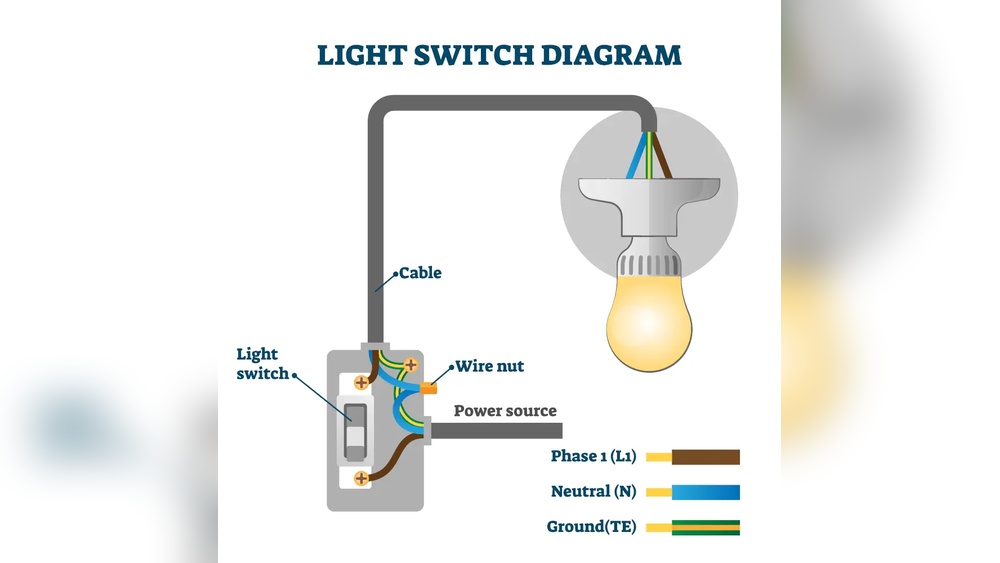
Note the wire positions on the old switch. Connect the wires to the new switch the same way. Tighten the terminal screws securely. If wires use push-in connectors, push them firmly. Make sure no bare wire shows outside terminals.
Securing And Testing
Push the switch back into the wall box gently. Screw it in place without overtightening. Replace the cover plate. Turn on the power at the circuit breaker. Test the switch by turning the light on and off. If it works, the replacement is successful.
:max_bytes(150000):strip_icc()/testing-single-pole-switches-1152811-03-8b89394a236d499ebee520df31a0ce27.jpg)
Credit: www.thespruce.com
When To Call A Professional
Knowing when to call a professional is important for your safety and home care. Some electrical problems need expert help to avoid risks. Calling a professional saves time and prevents damage. Below are signs that show it is best to seek professional help.
Complex Wiring Issues
Wiring problems can be hard to fix on your own. Complex wiring needs special tools and knowledge. Professionals know how to handle tangled or old wiring safely. They can find hidden issues that may cause bigger problems later.
Persistent Electrical Problems
Repeated problems with your light switch or outlets mean something deeper is wrong. Flickering lights, frequent breaker trips, or switches that feel hot are bad signs. These issues often need a professional to diagnose and repair properly. Trying to fix them yourself may not work.
Safety Concerns
Electricity can be dangerous if handled incorrectly. If you see sparks, smell burning, or hear buzzing sounds, stop immediately. These signs show a risk of fire or shock. Professionals have the training to fix these safely. Protect yourself and your home by calling an expert.

Credit: www.youtube.com
Frequently Asked Questions
How Can I Tell If A Light Switch Is Faulty?
You can test a light switch by turning it on and off. If the light flickers or doesn’t work, the switch may be bad. Using a voltage tester or multimeter also confirms if the switch is faulty or has no power flow.
What Tools Do I Need To Test A Light Switch?
To test a light switch, you need a voltage tester or a multimeter. These tools help check if electricity flows through the switch. A screwdriver is also useful to remove the switch cover safely before testing.
Is It Safe To Test A Light Switch Myself?
Yes, testing a light switch is safe if you turn off the power at the circuit breaker first. Always use insulated tools and follow safety guidelines to avoid electric shock or injury while testing switches.
Can A Bad Light Switch Cause Electrical Problems?
Yes, a bad light switch can cause flickering lights, buzzing sounds, or even electrical shorts. It may also lead to circuit breaker trips. Replacing a faulty switch prevents these issues and ensures electrical safety.
Conclusion
Testing a light switch can save time and money. You can spot problems early by checking carefully. Simple tools like a tester or screwdriver help a lot. Always turn off power before starting any test. Safety comes first to avoid shocks or injuries.
Knowing how to test a switch keeps your home safe. It also helps you fix issues faster. Try these steps next time your lights act strange. Keep your home’s wiring in good shape with regular checks. Small efforts now prevent bigger problems later.