Choosing the right plate mount tape can make a big difference in your project’s success. You might think all tapes are the same, but the truth is, picking the wrong one can cause delays, damage, or wasted money.
This guide will help you understand exactly what to look for, so you can make a smart choice every time. Keep reading, and you’ll learn simple tips to find the perfect tape that fits your needs and keeps your work secure.

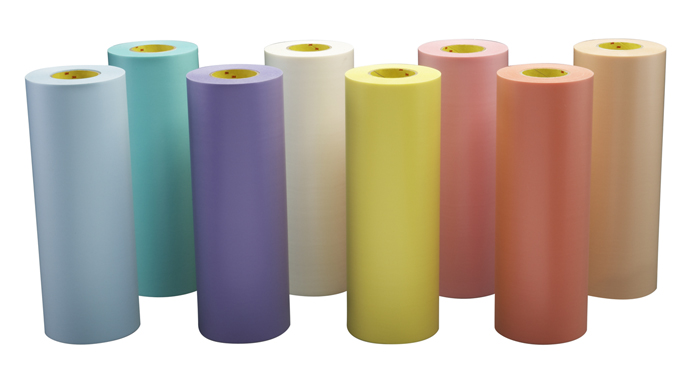
Credit: www.3m.com
Types Of Plate Mount Tape
Selecting the right plate mount tape depends on the type of tape used. Each type offers unique benefits for different applications. Understanding these types helps you make the best choice for your project.
Foam-based Tape
Foam-based tape is soft and flexible. It absorbs shocks and vibrations well. This tape creates a strong bond on uneven surfaces. It is ideal for mounting plates that need cushioning. Foam tape also helps reduce noise and movement.
Double-sided Adhesive Tape
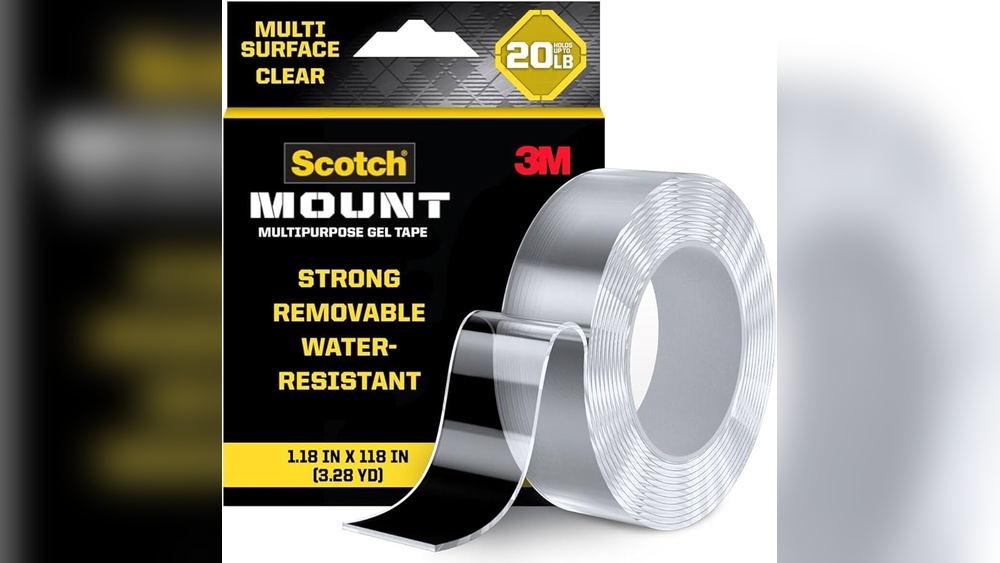
Double-sided adhesive tape sticks firmly on both sides. It is thin and easy to use. This tape works well for smooth, flat surfaces. It provides a clean and invisible bond. Use it for lightweight plate mounting tasks.
High-temperature Tape
High-temperature tape withstands heat and extreme conditions. It keeps the bond strong even in hot environments. This tape is perfect for industrial or automotive use. It resists melting and peeling under heat stress.
Key Factors To Consider
Selecting the right plate mount tape is important for strong and lasting results. Several key factors affect the tape’s performance. These factors help you choose the best tape for your project. Understanding them saves time and money. It also avoids common problems like poor adhesion or damage to surfaces.
Surface Compatibility
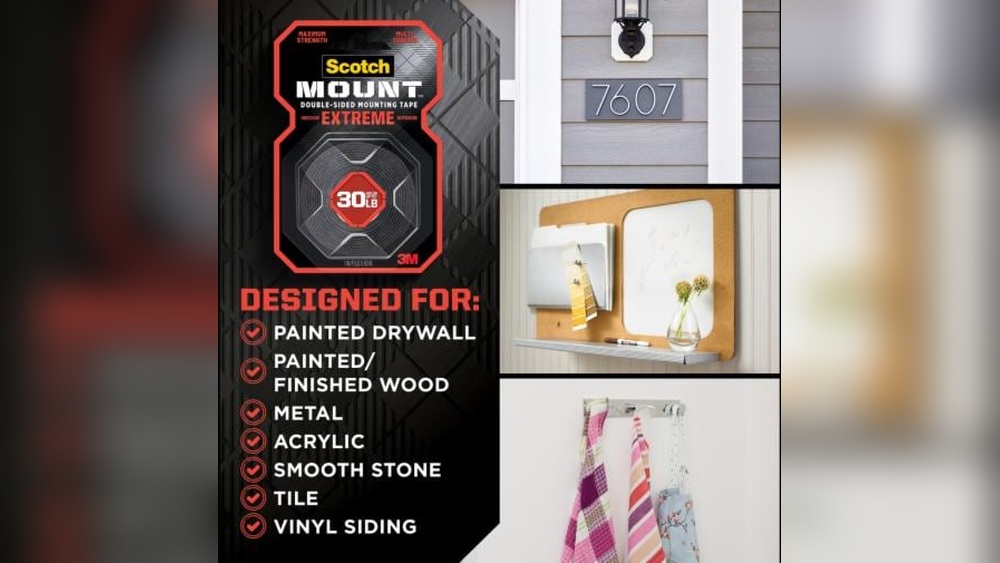
Check the type of surface you will use the tape on. Different tapes work better on certain materials. For example, some tapes stick well to metal but not to plastic. Rough or uneven surfaces need tapes designed for strong grip. Smooth and clean surfaces allow easier bonding. Knowing your surface helps pick a tape that holds firmly and lasts longer.
Adhesion Strength
Adhesion strength shows how well the tape sticks to surfaces. High adhesion tapes hold tightly and resist peeling. Low adhesion tapes remove easily without leaving marks. Choose the strength based on your needs. For heavy or permanent mounts, strong adhesion is best. For temporary or delicate uses, a gentler tape prevents damage. Test the tape if unsure about its stickiness.
Thickness And Density
Thickness affects the tape’s cushion and gap filling. Thicker tapes can fill uneven spaces and absorb shock. Thin tapes provide a sleek, low-profile mount. Density relates to the tape’s firmness and durability. Denser tapes resist compression and last longer under pressure. Choose thickness and density based on your mounting needs and surface texture.
Environmental Conditions Impact
Environmental conditions play a key role in choosing the right plate mount tape. Different surroundings can affect tape strength and durability. Understanding these impacts helps you pick a tape that lasts long and works well.
Temperature Resistance
Temperature changes can weaken tape adhesion. Some tapes lose stickiness in heat. Others become brittle in cold. Choose a tape that handles the temperature range of your environment. This prevents tape failure and keeps mounts secure.
Moisture And Humidity
High moisture or humidity can reduce tape grip. Water can seep under the tape and cause peeling. Use tapes designed to resist moisture. They hold better on wet or damp surfaces. This keeps plates firmly attached even in humid places.
Uv Exposure
Sunlight and UV rays can break down tape materials. UV exposure causes tape to fade and lose strength. Pick tapes with UV resistance for outdoor use. This ensures the tape stays strong and does not crack or discolor.
Credit: shipandshore.com
Application Techniques
Applying plate mount tape correctly is key for strong and lasting bonds. Proper techniques ensure the tape holds well and the mounted plate stays secure. Follow these steps to improve your application results.
Surface Preparation
Clean the surface thoroughly before applying tape. Remove dust, oil, and dirt with a suitable cleaner. A clean surface helps the tape stick better. Avoid touching the surface after cleaning to keep it free from oils.
Proper Alignment
Align the plate carefully before pressing it down. Check the position twice to avoid mistakes. Misalignment can cause weak bonding and poor performance. Take your time to place the tape and plate exactly where needed.
Pressure And Curing Time
Apply firm pressure to the tape after placement. Press evenly to remove air bubbles and ensure full contact. Allow the tape to cure for the recommended time before use. Patience during curing strengthens the bond significantly.
Common Mistakes To Avoid
Choosing the right plate mount tape is key for strong and lasting adhesion. Many people make simple errors that reduce tape effectiveness. Avoiding these mistakes helps you get the best results from your tape. Here are some common pitfalls to watch out for.
Using Incompatible Tape
Select tape that matches your material type. Not all tapes work well with every surface. Using the wrong tape can cause poor bonding or damage. Check the tape’s specifications to ensure it fits your application. Choosing compatible tape saves time and prevents failure.
Ignoring Surface Cleanliness
Dirt, dust, and oils stop tape from sticking properly. Clean the surface thoroughly before applying tape. Use alcohol or a mild cleaner to remove residues. A clean surface allows the tape to bond tightly. Skipping this step often leads to tape peeling off quickly.
Overlooking Tape Thickness
Thickness affects tape strength and flexibility. Too thin tape may not hold heavy plates well. Too thick tape might cause uneven mounting or gaps. Match tape thickness to the plate weight and surface texture. Proper thickness ensures a secure and stable hold.

Credit: www.englewoodco.com
Cost Vs. Quality Balance
Choosing the right plate mount tape means balancing cost and quality. Too cheap may mean poor hold. Too expensive might not fit your budget. Finding the middle ground helps get good performance without overspending. This balance depends on your project needs and how long the tape must last.
Budget-friendly Options
Budget tapes offer basic adhesion for light tasks. They work well for short-term use or low-stress mounts. These tapes save money but may wear out faster. Ideal for quick fixes or temporary setups. Check product reviews to avoid very low-quality tapes.
Premium Tapes Benefits
Premium tapes provide strong, lasting bonds. They resist heat, moisture, and stress better. These tapes reduce the risk of plates falling off. Suitable for heavy-duty or long-term projects. The higher price reflects better materials and reliability.
Long-term Value
Investing in quality tape can lower replacement costs. Durable tapes reduce downtime and repair needs. They save money over time by lasting longer. Consider tape lifespan and performance, not just price. Good tape adds value beyond the initial cost.
Where To Buy Plate Mount Tape
Knowing where to buy plate mount tape is key to getting the right product fast. Different sellers offer various options, prices, and support. Choosing the right source saves time and ensures quality.
Online Suppliers
Online stores have a wide range of plate mount tapes. You can compare prices and read reviews easily. Many sites offer fast shipping and return policies. This makes buying convenient and safe.
Local Distributors
Local distributors let you see products before buying. You can get advice from staff who know the product well. Buying local supports small businesses and saves shipping time. Also, you can pick up your order on the same day.
Custom Orders
Some suppliers offer custom orders for special needs. You can request specific sizes, thickness, or adhesive types. Custom orders fit unique projects better than standard tape. It might take longer but results match your exact needs.
Frequently Asked Questions
What Factors Affect Choosing Plate Mount Tape?
Consider tape thickness, adhesive strength, and mounting surface. Also, check temperature resistance and ease of removal. These ensure secure and durable mounting.
How To Measure Tape Thickness For Plate Mounts?
Use a micrometer to measure tape thickness accurately. Choose thickness based on plate weight and mounting surface type for optimal support.
Can Plate Mount Tape Handle Heavy Objects?
Yes, high-quality plate mount tape supports heavy items. Ensure the tape is rated for the specific weight to avoid failures.
What Surface Types Work Best With Plate Mount Tape?
Smooth, clean, and dry surfaces offer the best adhesion. Avoid rough or dirty surfaces for strong, long-lasting mounts.
Conclusion
Choosing the right plate mount tape improves your project’s quality. Consider the tape’s strength, thickness, and temperature resistance. Match the tape to your surface and usage needs. Test small samples before buying large amounts. This saves time and avoids mistakes.
Good tape keeps parts secure and lasts longer. Take your time and pick wisely. Your work will benefit from the right choice.