Have you ever stopped to think about what happens when you flip a light switch? It seems simple—just a click, and the room lights up.
But behind that small action is a fascinating process that controls the flow of electricity in your home. Understanding how a light switch works can give you a new appreciation for this everyday tool and even help you troubleshoot common problems.
Keep reading, and you’ll discover the secrets behind the magic of light at your fingertips.
Basic Components
Understanding the basic components of a light switch helps explain how it controls electrical flow. Each part plays a key role in turning lights on and off. These components work together to ensure safe and easy operation.
Switch Mechanism
The switch mechanism is the part you touch or flip. It moves metal contacts inside the switch. These contacts either connect or break the electrical circuit. This action controls whether electricity flows to the light bulb.
Electrical Circuit
The electrical circuit is a path made of wires. It carries electricity from the power source to the light fixture. The switch interrupts this path. When the switch is off, the circuit is open, stopping electricity. When on, the circuit closes and power flows freely.
Power Source
The power source provides the electricity needed for the light. Usually, it comes from the home’s electrical system. This energy travels through wires to the switch and then to the light. Without a power source, the switch cannot control any lights.
Types Of Light Switches
Light switches control the flow of electricity to lights. Different types offer various functions and styles. Choosing the right type can improve your home’s lighting experience. Here are some common types of light switches.
Toggle Switch
The toggle switch is the classic light switch. It has a small lever that moves up or down. Up usually means the light is on. Down means the light is off. It is easy to use and very common in homes.
Rocker Switch
The rocker switch works by pressing one side to turn on or off. It looks like a flat panel. This switch is smooth and modern in style. It is also simple to operate for all ages.
Dimmer Switch
The dimmer switch adjusts the brightness of lights. You can make lights brighter or softer. It uses a dial or slider to control light levels. It helps create the right mood in any room.
Smart Switch
Smart switches connect to Wi-Fi and apps. You can control lights from a phone or voice assistant. They offer scheduling and remote control options. Smart switches add convenience and energy savings.
Switch Operation
A light switch controls the flow of electricity to a light bulb. Flipping the switch connects or breaks the circuit, turning the light on or off. It works by allowing or stopping electric current in the wiring.
Opening And Closing Circuits
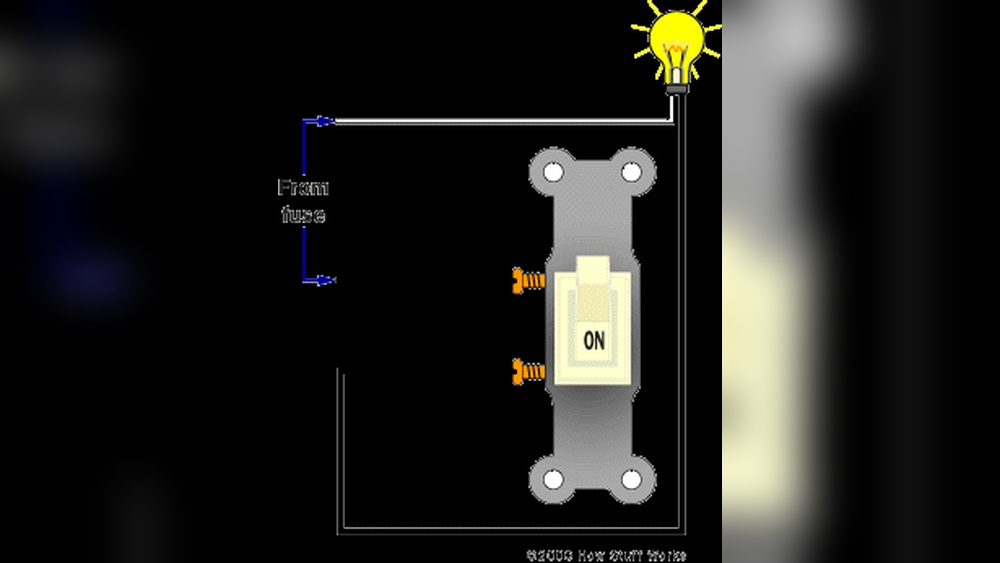
A light switch works by opening or closing an electrical circuit. When the switch is off, the circuit is open, stopping the flow of electricity. When the switch is on, the circuit closes, allowing electricity to move. This simple action controls the power to the light bulb.
Flow Of Electricity
Electricity flows through wires inside the wall and the switch. When the switch is on, electricity passes through the closed circuit to the light. The light bulb then lights up. When the switch is off, electricity cannot flow, so the light stays off.
Role Of Contacts
Inside the switch, metal contacts touch each other to close the circuit. These contacts are key to making or breaking the electrical path. When you flip the switch, the contacts either connect or separate. This action controls whether electricity flows or stops.
Credit: home.howstuffworks.com
Wiring And Installation
Wiring and installation are key parts of how a light switch works. Proper wiring connects the switch to the power supply and the light fixture. Good installation ensures the switch functions safely and correctly.
This section explains common wiring methods, safety tips, and tools needed for installing a light switch. Understanding these basics helps anyone manage simple electrical tasks.
Common Wiring Methods
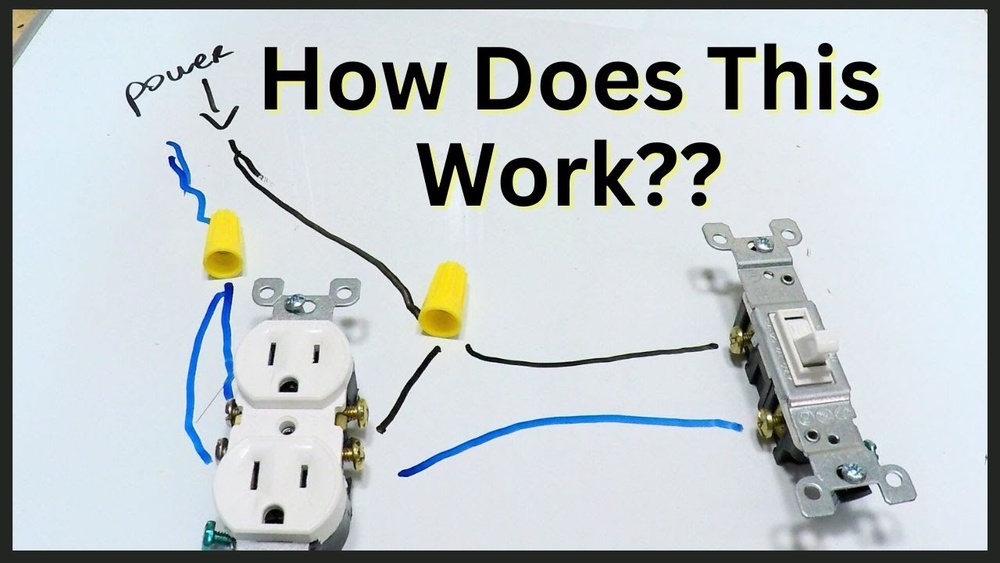
Light switches usually use two wiring types: single-pole and three-way. Single-pole switches control one light from one spot. They have two wires: a hot wire and a load wire.
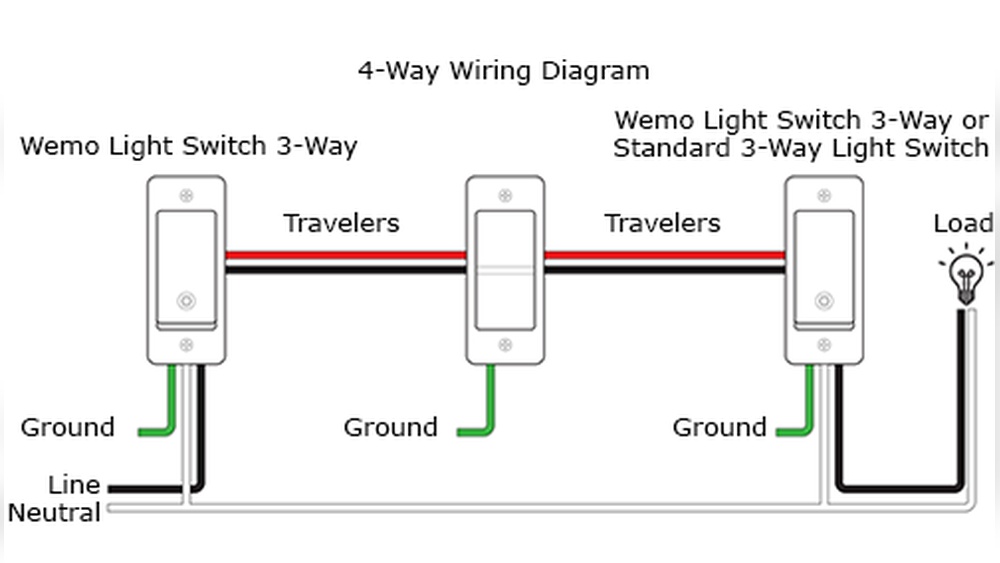
Three-way switches control one light from two places. They have three wires: two traveler wires and one common wire. This setup is common in hallways and stairs.
Wires connect to terminals on the switch. Tight connections prevent sparks and loose wires.
Safety Precautions
Always turn off power at the circuit breaker before starting work. Use a voltage tester to confirm no electricity flows. Wear insulated gloves to avoid shocks.
Never touch bare wires with wet hands. Keep the area dry and clear. Follow local electrical codes for safe installation.
Incorrect wiring can cause fires or damage. If unsure, ask a professional electrician.
Tools Needed
Basic tools make installation easier and safer. A screwdriver is essential for removing and securing switch plates. Wire strippers help remove insulation without cutting wires.
A voltage tester checks if wires carry electricity. Needle-nose pliers bend wires for tight connections. Electrical tape insulates exposed wire ends.
Having these tools ready speeds up the wiring and installation process.
Troubleshooting Common Issues
Troubleshooting common issues with light switches helps keep your home safe and bright. Many problems are simple to fix without a professional. Knowing what to check saves time and money. This guide covers the most common switch problems and easy solutions.
Switch Not Working
A switch that does not work may have a loose wire or a broken part inside. Start by turning off power at the breaker. Remove the switch cover and check wires for tight connections. Use a voltage tester to see if power reaches the switch. Replace the switch if no power flows through it.
Flickering Lights
Flickering lights often mean a bad connection or a poor switch contact. Check the bulb first by replacing it with a new one. If flickering continues, inspect the switch wiring for loose or damaged wires. Tighten any loose screws and make sure wires are secure. A worn switch may need replacing to stop flicker.
Replacing A Faulty Switch
Turn off power at the breaker before replacing a switch. Remove the switch cover and take out the old switch by loosening screws. Note how wires are connected and disconnect them carefully. Attach wires to the new switch in the same order. Secure the switch and cover, then restore power to test it.

Credit: www.youtube.com
Advancements In Switch Technology
Switch technology has changed a lot over the years. Old switches required a physical flip or press. New technology makes switching easier and smarter. These advances improve how we control lights and save energy. They also add convenience and style to homes and offices.
Touch-activated Switches
Touch-activated switches work by sensing your finger on the surface. No need to press or flip a lever. They respond quickly and smoothly. These switches often have a sleek, modern look. They fit well in homes with a minimalist design. Touch switches are easy to clean and use.
Wireless Control
Wireless switches use Wi-Fi or Bluetooth to connect to devices. You can control lights from your phone or voice assistant. No wires are needed to install these switches. They allow remote control from anywhere in the house. Wireless control adds flexibility and new ways to manage lighting.
Energy Efficiency Features
Modern switches often include features to save energy. Some have timers to turn lights off automatically. Others adjust light levels based on natural light in the room. Motion sensors can switch lights on and off when someone enters or leaves. These features help reduce electricity use and lower bills.
:max_bytes(150000):strip_icc()/how-light-switches-work-2175162-2-V1-c86fba8610b14f178ad09d7ef8d3184c.jpg)
Credit: www.thespruce.com
Frequently Asked Questions
How Does A Light Switch Control Electricity?
A light switch controls electricity by opening or closing a circuit. When switched on, it completes the circuit, allowing current to flow. When off, it breaks the circuit, stopping electricity and turning the light off.
What Are The Main Types Of Light Switches?
The main types include toggle, rocker, dimmer, and push-button switches. Each type controls electrical flow differently and suits various lighting needs and preferences.
Why Does A Light Switch Sometimes Spark?
Sparks occur when the switch contacts open or close, causing a small electrical arc. This is usually normal but excessive sparking can indicate wear or faulty wiring.
Can A Light Switch Be Installed By A Homeowner?
Yes, homeowners can install light switches if they understand electrical safety. Always turn off power before working and follow local electrical codes or consult a professional.
Conclusion
A light switch controls the flow of electricity to a bulb. It works by opening or closing a simple circuit. Flipping the switch lets current pass or stops it. This small device makes lighting easy and safe. Understanding how it works helps you handle basic electrical tasks.
Next time you turn on a light, remember this simple but useful tool. Simple, clear, and effective—just like a light switch.