Have you ever flipped a light switch, only to find the room still dark? It’s frustrating, and it might mean your light switch is bad.
But how can you tell for sure? Knowing the signs can save you time, money, and even keep you safe. You’ll discover simple ways to check if your light switch needs fixing or replacing. Keep reading—you’ll learn exactly what to look for and what to do next.
Common Problems With Light Switches
Light switches often work quietly in the background. Yet, they can develop issues that affect your home’s lighting. Recognizing common problems early helps prevent bigger electrical troubles. This section covers typical signs of a bad light switch.
Flickering Lights
Lights that flicker or blink often signal a switch problem. Loose wiring inside the switch can cause this flicker. It may also mean the switch is worn out. Flickering lights can be annoying and unsafe. It is important to check the switch if you see flickering.
Switch Feels Warm
A switch that feels warm to touch is a warning sign. Heat means electricity is not flowing properly. This can happen from a poor connection or internal damage. A warm switch can cause electrical fires. Turn off power and replace the switch immediately.
Switch Is Loose Or Broken
A loose or broken switch does not work correctly. The switch may wiggle or fail to stay in position. This issue can cause lights to stay on or off. Physical damage like cracks or broken parts also means replacement is needed. Always fix or replace a loose or broken switch to keep your home safe.
Visual Signs Of A Faulty Switch
Detecting a faulty light switch early can save you from bigger problems. Visual signs often show the switch’s condition clearly. These signs help you decide if the switch needs repair or replacement. Pay attention to changes in color, shape, and smell around the switch.
Discoloration Or Burn Marks
Discoloration on or around the switch can signal overheating. Look for yellow, brown, or black marks. Burn marks mean the switch might be unsafe to use. This issue can cause electrical fires if ignored. Always check the switch face and surrounding wall area.
Cracked Or Damaged Switch Plate
Cracks or breaks on the switch plate affect safety. Damage exposes internal parts to dust and moisture. This exposure can cause shorts or shocks. A cracked plate also shows wear and tear, meaning it needs attention. Replace the plate promptly to prevent accidents.
Unusual Smell Near Switch
A strange smell near the switch warns of electrical problems. Burning or melting odors mean wires or parts may be overheating. This smell should never be ignored. It is a clear sign to stop using the switch until checked. Safety comes first with electrical issues.
Testing The Light Switch
Testing the light switch helps find out if it is working properly. It checks if electricity flows through the switch. This step saves time and avoids unnecessary repairs. Simple tools and careful listening reveal switch problems fast.
Using A Voltage Tester
Start by turning off the power at the circuit breaker. Remove the switch cover carefully. Touch the voltage tester’s probe to the switch terminals. A reading means the switch gets power. No reading may mean the switch is bad or no power reaches it. Use the tester to check both sides of the switch. This method is safe and quick.
Checking The Circuit Breaker
Look at the circuit breaker panel. Find the breaker controlling the switch’s circuit. If the breaker is off or tripped, the switch won’t work. Reset the breaker by flipping it off and on. If it trips again, the problem might be bigger than the switch. This check ensures the issue isn’t with the power supply.
Listening For Unusual Sounds
Turn the switch on and off slowly. Listen closely near the switch. Buzzing or crackling sounds indicate a bad connection inside. No sound usually means the switch is quiet and possibly fine. Strange noises may also signal loose wires. This simple test helps catch hidden faults early.

Credit: www.youtube.com
When To Replace The Switch
Knowing when to replace a light switch is key to keeping your home safe and functional. A switch that works poorly can cause frustration and even hazards. Watching for clear signs helps avoid bigger problems later.
Persistent Flickering Or Failure
A light that flickers or fails often signals a bad switch. This happens because the switch contacts wear out over time. Flickering lights can also mean loose wiring inside the switch. Replacing the switch stops these annoying interruptions.
Switch Does Not Respond
If the switch does not turn the light on or off, it likely needs replacement. Sometimes the switch feels loose or stuck. This lack of response means the switch parts are damaged. A new switch restores proper control over your lights.
Safety Concerns
Burn marks or a burning smell near the switch are serious warnings. These signs show overheating or electrical shorts. Continuing to use such a switch risks fire or shock. Replace the switch immediately to protect your home and family.
Diy Tips For Replacing A Light Switch
Replacing a light switch can save money and give a sense of accomplishment. The process is simple with the right steps. Safety is key, so take time to prepare before starting. Follow these easy DIY tips to replace a light switch safely and correctly.
Turn Off Power Safely
Start by turning off the power to the switch. Find the circuit breaker panel and switch off the correct breaker. Use a voltage tester to check the switch wires. Make sure no electricity is flowing before touching anything. This step protects you from electric shock.
Remove The Old Switch
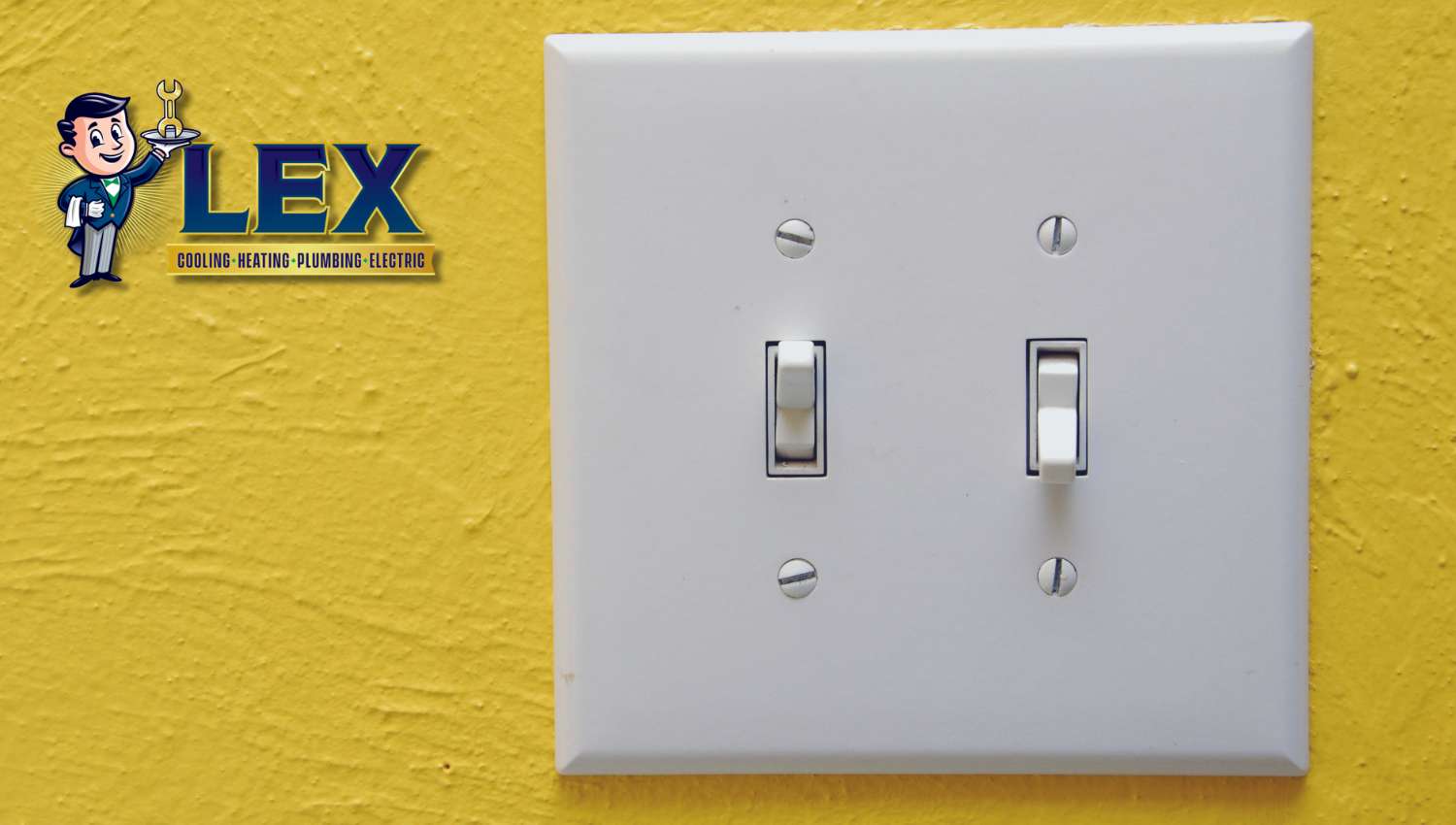
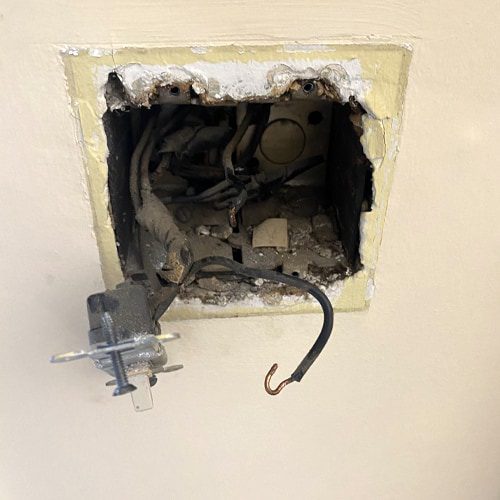
Remove the switch cover plate using a screwdriver. Unscrew the switch from the electrical box. Gently pull the switch out to see the wires. Note how the wires connect to the switch terminals. Disconnect the wires carefully, remembering their positions.
Install The New Switch
Connect the wires to the new switch in the same way. Tighten the screws to hold the wires firmly. Push the switch back into the electrical box. Screw the switch in place and attach the cover plate. Turn the power back on and test the switch to ensure it works.
Credit: www.lexairconditioning.com
Credit: rytecelectric.com
Frequently Asked Questions
How Can I Tell If A Light Switch Is Faulty?
A faulty light switch often causes flickering or no light at all. It may feel warm or make buzzing sounds. Testing with a voltage tester can confirm if power flows correctly. Replacing the switch is the safest fix when issues persist.
What Are Common Signs Of A Bad Light Switch?
Common signs include lights not turning on or off, flickering, or intermittent operation. A switch that feels loose, warm, or sparks when used also indicates failure. Such symptoms suggest internal damage or wiring problems needing prompt attention.
Can A Light Switch Cause Electrical Shocks?
Yes, a damaged or improperly wired light switch can cause mild electrical shocks. Always turn off power before inspecting or replacing switches. If shocks occur, consult a licensed electrician immediately to ensure safety and proper repair.
How Do I Test If A Light Switch Is Working?
Use a voltage tester or multimeter to check for power at the switch terminals. Turn the switch on and off while testing continuity. No continuity or inconsistent readings indicate a faulty switch that requires replacement.
Conclusion
Knowing a bad light switch helps keep your home safe. Watch for flickering lights or a switch that feels hot. Strange sounds or a switch that won’t turn on are red flags. Always turn off power before checking or replacing a switch.
Small problems can turn into big electrical issues. Fixing a faulty switch saves money and worry later. Trust your senses and act quickly if something feels wrong. Simple steps can keep your lights working well and your home secure. Stay alert and take care of electrical problems early.