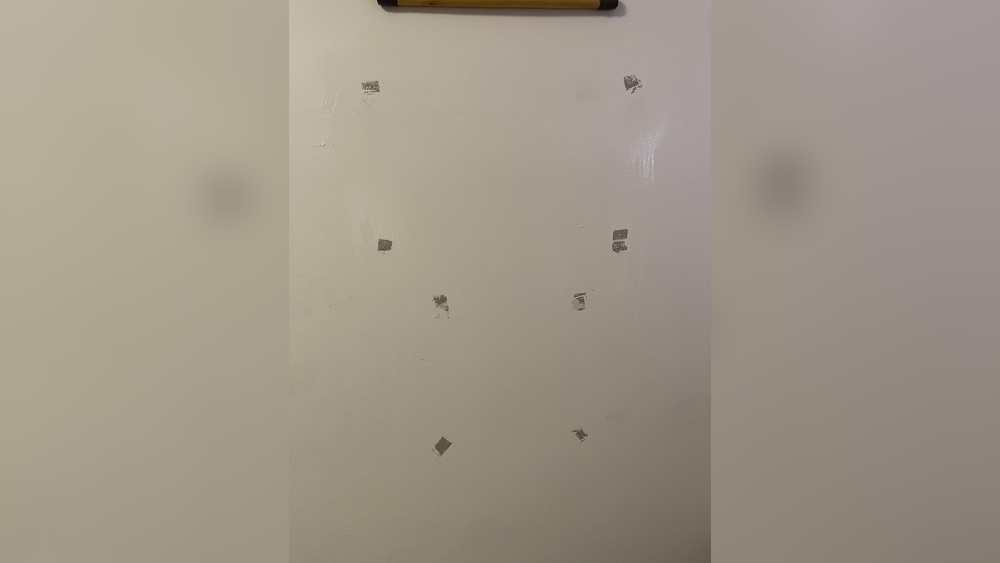
Struggling to remove stubborn mounting tape without damaging your walls or surfaces? You’re not alone.
Mounting tape is great for holding things in place, but when it’s time to take it off, it can leave behind sticky messes that seem impossible to clean. Imagine getting rid of that residue quickly and easily, without stress or extra work.
You’ll discover simple, effective methods to get mounting tape off safely—so you can restore your space and move on with your day. Keep reading, because the solution is easier than you think.
Types Of Mounting Tape
Mounting tape comes in different types. Each type has unique features and uses. Knowing these types helps in removing tape properly. It also prevents damage to surfaces.
Double-sided Tape
Double-sided tape sticks on both sides. It holds lightweight items like photos and posters. The tape is thin and clear. Removing it needs care to avoid tearing.
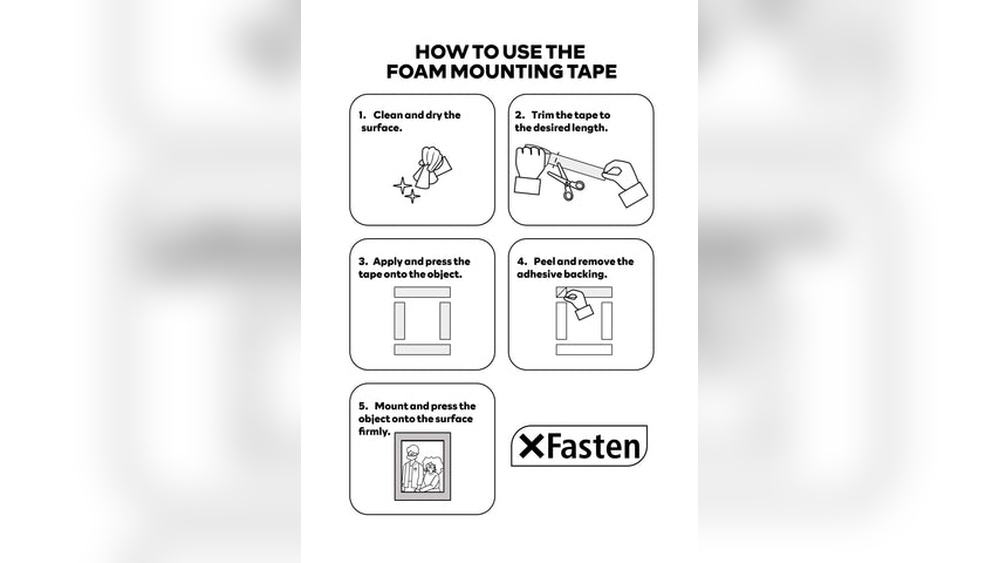
Foam Tape
Foam tape is soft and thick. It works well on uneven surfaces. This tape is good for outdoor use. It can leave more residue when removed.
Heavy-duty Tape
Heavy-duty tape is very strong and sticky. It holds heavy objects like mirrors or signs. Removing this tape can be tough. Heat or special removers might be needed.
:max_bytes(150000):strip_icc()/how-to-remove-double-sided-foam-tape-5195063-hero-2b356fcf1ca64e3e9d03d637d65c0012.jpg)
Credit: www.thespruce.com
Tools You’ll Need
Removing mounting tape can be tricky without the right tools. Having the correct items makes the task easier and safer. Some tools are common in most homes. Others are designed specifically for sticky residue removal. Here’s a list to prepare you for the job.
Common Household Items
Start with items you already have. A hairdryer helps soften the tape’s adhesive. Warm air loosens the grip, making removal simpler. Use a plastic card or old credit card to gently scrape off tape bits. Avoid metal tools to protect surfaces.
Rubbing alcohol or nail polish remover breaks down sticky residue. Apply with a soft cloth and rub gently. Soap and warm water help clean leftover adhesive after peeling. Paper towels or soft rags come in handy for wiping and drying.
Specialized Tools
Consider buying a plastic scraper made for glue removal. These tools have smooth edges that prevent damage. A commercial adhesive remover works well on stubborn tape. Look for products safe for your surface type.
Microfiber cloths are excellent for cleaning without scratching. A putty knife with a flexible blade can lift tape carefully. Gloves protect your hands from chemicals and sharp edges. These tools improve the effectiveness of your cleaning process.
Heat Method
The heat method is a simple way to remove mounting tape without damaging surfaces. Heat softens the adhesive, making the tape easier to peel off. This method works well on many materials like wood, glass, and plastic.
Using gentle heat helps prevent scratches or residue. It also reduces the chance of tearing the tape into small pieces. The most common tool for this method is a hair dryer.
Using A Hair Dryer
Set your hair dryer to medium or high heat. Hold it a few inches away from the tape. Move the dryer slowly back and forth over the tape for about 30 seconds.
Feel the tape with your fingers to check if the adhesive is soft. If it feels warm and flexible, start peeling the tape gently. Pull slowly at a low angle to avoid damaging the surface.
If the tape does not come off easily, apply heat again. Continue heating and peeling until the tape is fully removed.
Caution Tips
Avoid using too much heat. High temperatures can damage paint or plastic surfaces. Keep the hair dryer moving to prevent overheating one spot.
Do not touch the surface immediately after heating. It may be hot and could burn your skin. Allow the area to cool before touching it again.
Test the heat on a small hidden area first. This step ensures the surface can handle the heat without harm.

Credit: www.reddit.com
Solvent Method
The solvent method uses liquids to break down the sticky glue of mounting tape. This makes the tape easier to peel off without damaging the surface. Different solvents work well depending on the tape and surface type. Try gentle options first to avoid harm.
Below are some common solvents that can help remove mounting tape safely and effectively.
Rubbing Alcohol
Rubbing alcohol is a great option for removing tape residue. It softens the glue, making it easier to wipe away.
Apply rubbing alcohol on a cloth. Dab it on the tape residue. Let it sit for a few minutes. Then, gently rub the area to lift the glue.
This method works well on glass, plastic, and metal surfaces. Avoid using too much liquid to prevent damage.
Vinegar And Oil
A mix of vinegar and oil can help dissolve sticky tape glue. Vinegar breaks down the adhesive, while oil adds lubrication.
Mix equal parts vinegar and vegetable oil. Apply the mixture to the tape residue. Let it sit for 10 minutes. Then, wipe or scrape off the softened glue.
This method is safe for wood and painted surfaces. Test on a small spot first to check for any reaction.
Commercial Adhesive Removers
Commercial adhesive removers are designed to remove sticky residues quickly. They contain solvents that target glue without harming most surfaces.
Follow the instructions on the product label. Apply a small amount to the tape residue. Wait a few minutes. Then, wipe or peel off the softened glue.
Use these removers in a well-ventilated area. Wear gloves to protect your skin from chemicals.
Mechanical Removal
Mechanical removal is a direct way to get mounting tape off surfaces. It uses physical force instead of chemicals. This method works well for fresh tape or small areas. It needs care to avoid damage to the surface below the tape.
Peeling Techniques
Start by lifting a corner of the tape with your fingernail. Pull the tape slowly at a low angle. This helps reduce residue left behind. If the tape breaks, lift another corner and try again. Use steady, gentle pressure. Fast pulling can tear the tape and leave more glue.
Scraping Safely
Use a plastic scraper or old credit card to lift stuck pieces. Hold the tool flat against the surface. Push or slide it carefully under the tape edge. Avoid metal tools as they can scratch or damage surfaces. Work slowly to remove glue bits left on the surface. Clean the area with a damp cloth after scraping.
:max_bytes(150000):strip_icc()/how-to-remove-double-sided-foam-tape-5195063-06-b272889262c141d09d914ef2cd6f9104.jpg)
Credit: www.thespruce.com
Preventing Surface Damage
Removing mounting tape can harm the surface if done carelessly. Surfaces like painted walls, wood, or glass need gentle care. Protecting the surface keeps it looking good and avoids costly repairs.
Taking simple steps before and after tape removal helps keep surfaces safe. Use the right methods to avoid scratches, paint peeling, or sticky residue damage.
Protective Measures
Test tape removal on a small hidden area first. This shows how the surface reacts. Use a plastic scraper or your fingernail to lift tape edges gently. Avoid metal tools that can scratch surfaces. Heat the tape slightly with a hairdryer to soften the adhesive. Work slowly to peel the tape off without pulling hard. Use a gentle adhesive remover safe for the surface type. Always follow product instructions carefully to avoid damage.
Cleaning After Removal
Remove leftover adhesive with warm soapy water or rubbing alcohol. Use a soft cloth or sponge to clean the area gently. Avoid abrasive cleaners or rough scrubbing that can harm paint or finish. Dry the surface fully after cleaning to prevent water marks. Check the surface for any damage and treat it quickly if found. Proper cleaning helps restore the surface to its original state.
When To Call A Professional
Removing mounting tape sounds simple. Small pieces often peel off with gentle effort. Sometimes, the tape sticks too hard or leaves a sticky mess behind. At that point, calling a professional makes sense. Experts have the right tools and skills to handle tough tape without damage. They save time and avoid frustration. Knowing when to stop and ask for help can protect your walls and surfaces.
Signs You Need Professional Help
The tape does not come off with gentle pulling. Scraping causes damage or scratches. Sticky residue covers a large area and won’t wipe away. The surface is delicate, like wallpaper or painted wood. The tape has been stuck for a long time and hardened. These signs show that a pro is the best choice.
Risks Of Diy Removal
Using strong chemicals can ruin paint or finish. Hard scraping may leave marks or holes. Trying too hard can break the surface underneath. Mistakes add repair costs and more work. Professionals know safe methods to avoid these problems.
What Professionals Use To Remove Tape
Experts use heat guns or steam to soften tape. Special solvents dissolve sticky residue without damage. They use gentle tools like plastic scrapers or soft cloths. These methods protect your walls and clean off tape fully.
How To Find A Reliable Professional
Check for local handymen or cleaning services. Read reviews and ask for recommendations. Confirm they have experience with mounting tape removal. Request an estimate before starting work. Good pros explain the process and answer questions clearly.
Frequently Asked Questions
How Do I Safely Remove Mounting Tape?
To safely remove mounting tape, gently peel from one corner. Use heat from a hairdryer to soften adhesive. Avoid harsh scraping to prevent surface damage. Clean residue with rubbing alcohol for a smooth finish.
What Household Items Remove Mounting Tape Residue?
Common household items like rubbing alcohol, vinegar, or cooking oil dissolve adhesive residue. Apply with a cloth and rub gently. These items are safe on most surfaces and effectively clean leftover sticky patches.
Can Heat Help In Removing Mounting Tape?
Yes, heat softens the adhesive on mounting tape. Use a hairdryer on low heat directed at the tape. This makes peeling easier without damaging the surface underneath. Always test heat on a small area first.
How Long Does It Take To Remove Mounting Tape?
Removing mounting tape typically takes 5 to 10 minutes. Time varies based on tape type and surface. Using heat or adhesive remover speeds up the process. Patience ensures no damage to the surface.
Conclusion
Removing mounting tape does not have to be hard or messy. Warm the tape with heat to soften the glue first. Peel slowly and use gentle tools to avoid damage. Clean any leftover sticky spots with rubbing alcohol or oil.
Patience helps prevent scratches and keeps surfaces safe. These simple steps save time and frustration. Try them to keep your space neat and clean.