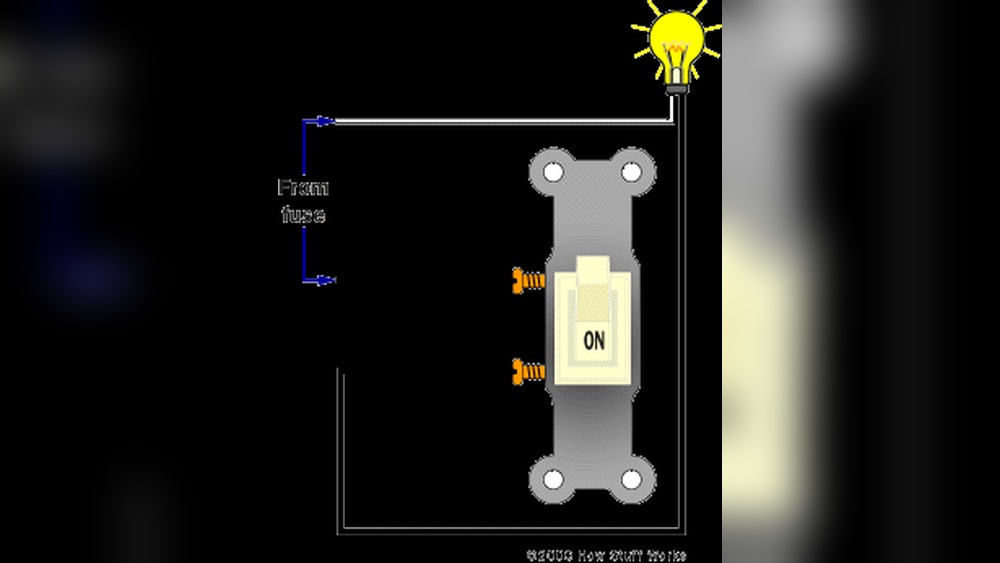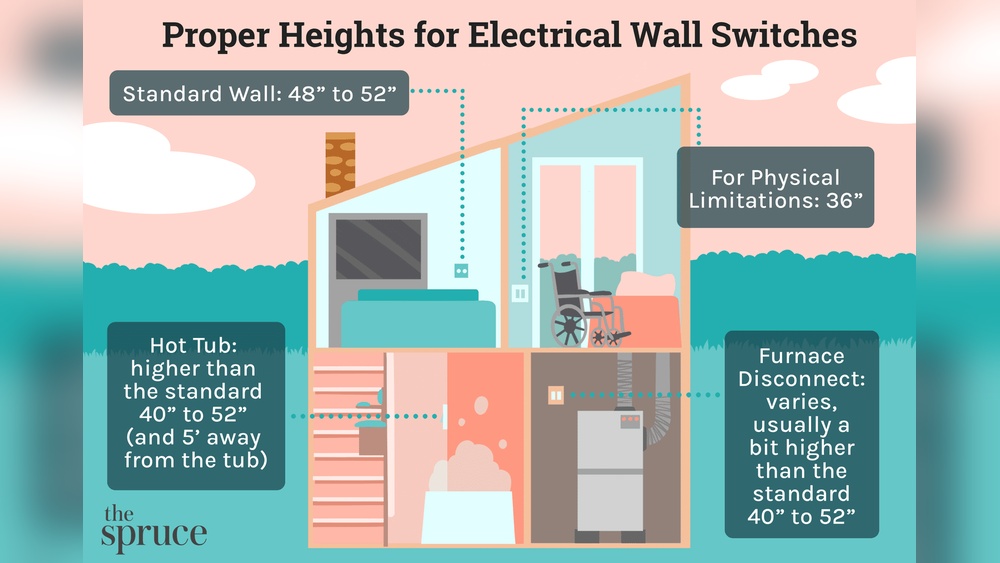
Have you ever wondered just how high you should install your light switches? It might seem like a small detail, but the height of your light switches can make a big difference in comfort, accessibility, and even style.
If your switches are too low or too high, you could end up constantly reaching awkwardly or frustrating guests. You’ll discover the ideal height for light switches that suits your home perfectly. By the end, you’ll know exactly where to place them for easy use and a polished look.
Keep reading to get the simple answers you’ve been looking for!
Standard Switch Heights
Standard switch heights matter for comfort and safety. Proper placement helps everyone reach the switch easily. It also keeps the space neat and organized. Knowing the right height prevents future changes or fixes. Here are common guidelines for placing light switches.
Residential Guidelines
In homes, light switches usually sit between 42 and 48 inches from the floor. This height fits most adults and children. It also meets building codes in many areas. Switches placed here avoid bending or stretching. This makes turning lights on and off simple.
Placing switches near door frames helps too. It is easy to find the switch when entering a room. Consistency in height throughout the home looks better. It also makes it easier for guests or new residents.
Commercial Building Standards
Commercial buildings often follow stricter rules. Switches are typically set 48 inches above the floor. This height meets accessibility laws like the ADA. It ensures people with disabilities can reach the switches. Uniform switch height also helps maintenance staff work faster.
In busy places, switch placement must avoid obstacles. Switches should not be blocked by furniture or equipment. Clear access supports safety and quick operation. Proper height in commercial spaces supports all users equally.
Factors Influencing Switch Height
Choosing the right height for light switches depends on several important factors. These factors help ensure the switches are easy to reach and fit well in the room. Understanding these points can guide you to place switches at the best height for comfort and use.
User Accessibility
Switch height must suit the needs of all users. Children, elderly, and people with disabilities need easy access. Placing switches too high or too low can make them hard to reach. A common height is about 48 inches from the floor. This height works well for most adults and older children. Adjustments may be needed for specific users to improve comfort and safety.
Room Functionality
Each room has different tasks and uses. Switch height may change based on the room’s function. Kitchens and bathrooms often need switches near counters or sinks. Living rooms may place switches near doorways or seating areas. This helps control lighting without moving around too much. Consider how people move and use light in each room.
Furniture Placement
Switch location depends on furniture arrangement. Avoid placing switches behind large furniture or appliances. This can block access and cause inconvenience. Keep switches near entrances or clear wall space. This makes turning lights on and off easier. Plan furniture layout before fixing switch height and position.
Accessibility Considerations
Accessibility is a key factor in deciding the height of light switches. Proper placement helps all people use switches easily. It improves comfort and safety in homes and public spaces.
Designing with accessibility in mind ensures that everyone, including people with disabilities, can reach and operate switches without trouble. Thoughtful switch placement supports independence and ease of use.
Ada Compliance
The Americans with Disabilities Act (ADA) sets rules for switch placement. Switches should be between 15 and 48 inches from the floor. This range allows people in wheelchairs to reach them comfortably.
Switches must not require tight grasping or twisting to operate. Lever-style or rocker switches often meet ADA standards better than traditional toggle switches. Following these rules helps create inclusive spaces.
Switches For Children And Elderly
Switch height should consider children’s and elderly people’s needs. Kids need switches lower than standard height for easy reach. Around 36 inches from the floor works well for most children.
Elderly people may have limited mobility or strength. Switches placed between 40 and 48 inches are easier for them to access. Clear labeling and easy-to-use switches also improve usability for seniors.
Credit: mtss.org.sg
Types Of Light Switches
Light switches come in different types. Each type has its own look and function. Choosing the right switch affects how easy it is to use the lights. It also changes the style of the room. Understanding types helps decide where and how high to put switches.
Toggle Switches
Toggle switches are the classic, simple kind. They have a small lever that moves up and down. People often find them easy to use. They make a clear click sound when switched. These switches fit well in almost any room style.
Rocker Switches
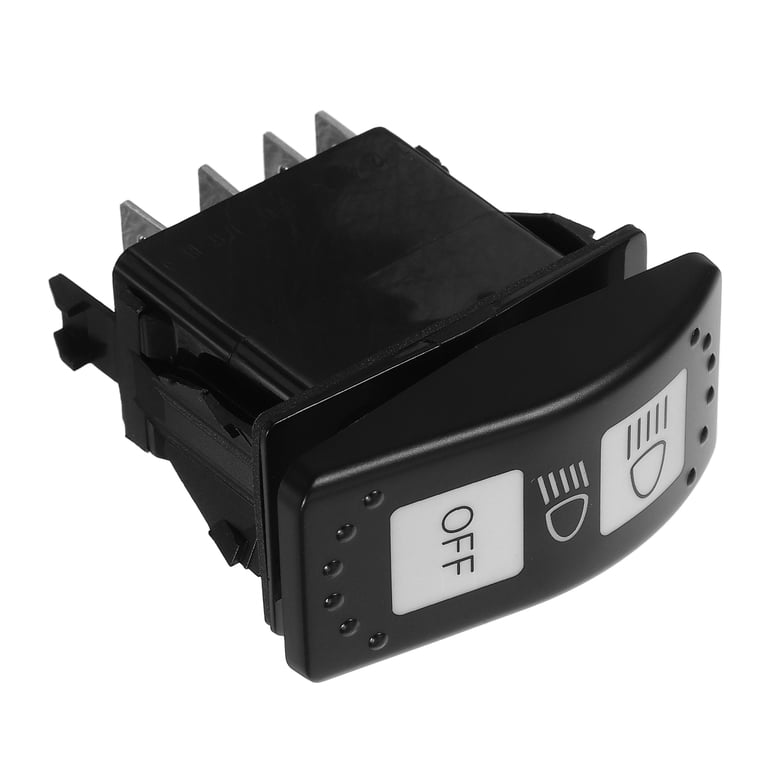
Rocker switches have a flat surface that rocks back and forth. They look modern and clean on the wall. These switches need less effort to press. They are popular in new homes and offices. Their design helps users find the switch easily by touch.
Smart Switches
Smart switches connect to Wi-Fi or Bluetooth. They allow control from phones or voice devices. These switches offer more convenience and features. They can dim lights or set schedules. Smart switches may need special placement for signal strength.
Installation Tips
Installing light switches correctly is important for safety and ease of use. Follow these tips to place and connect your switches properly. Proper installation ensures the switch works well and lasts long.
Measuring Proper Height
Measure the height before installing a switch. The standard height is about 48 inches from the floor. This height fits most people comfortably. Use a tape measure and mark the wall. Keep marks clear for exact placement. Consistent height improves room appearance and function.
Wiring Safety
Turn off the power at the circuit breaker first. Use a voltage tester to confirm no electricity flows. Handle wires carefully to avoid shocks. Connect wires to correct terminals on the switch. Tighten screws firmly to prevent loose connections. Safety prevents accidents and switch damage.
Testing The Switch
Turn the power back on after wiring. Flip the switch to check if the light works. Test the switch several times for proper function. Listen for any unusual sounds or sparks. Fix any problems before finishing installation. Testing saves time and ensures safety.
Common Mistakes To Avoid
Placing light switches at the right height is important. Many people make mistakes that cause inconvenience later. These errors affect comfort and safety. Avoid these common mistakes to improve your home’s usability.
Too High Or Too Low Placement
Switches placed too high can be hard to reach for children and shorter adults. Too low, and bending down becomes uncomfortable. The ideal height is usually around 48 inches from the floor. This height suits most people and meets building codes. Avoid placing switches near corners or behind doors. Such spots make switches difficult to find or use.
Ignoring Accessibility Needs
Not considering accessibility limits who can use the switch easily. People with disabilities or mobility issues need switches at reachable heights. Switches should be within easy reach from a wheelchair or standing position. Including large, easy-to-press switches helps everyone. Planning for accessibility makes your home more welcoming and safe.
Customizing Switch Height
Customizing the height of light switches can improve comfort and accessibility. Standard heights might not work for every room or person. Adjusting switch height helps meet personal and design needs. It makes daily use easier and safer.
For Specific User Needs
People with disabilities or children need switches at different heights. Lower switches help wheelchair users reach easily. Higher switches can keep children from turning lights on or off. Custom heights create a safer, more convenient home.
In Unique Architectural Spaces
Some rooms have unusual layouts or high ceilings. Light switches might need to be placed higher or lower than normal. Custom heights blend better with the room’s design. This keeps the space looking neat and balanced.
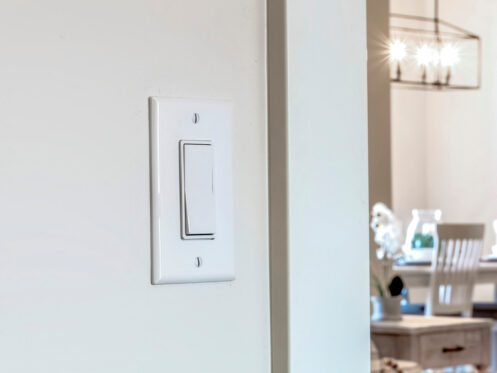
Credit: high5plumbing.com
Future Trends In Switch Placement
The way we place light switches is changing. New technology shapes where and how we control lights. Switches are no longer just simple buttons on walls. They connect with smart devices and respond to voice and touch. These trends make switch placement more flexible and user-friendly.
Integration With Smart Home Systems
Light switches now work with smart home systems. They connect to Wi-Fi or Bluetooth. This lets you control lights from your phone or tablet. Switches can be placed anywhere since you don’t need to touch them physically. Many homes use smart switches to save energy and add convenience.
Touch And Voice Control
Touch-sensitive switches are rising in popularity. They respond to a light tap instead of a flip. Some switches even work with voice commands. You can turn lights on or off by speaking. This makes it easier for people with mobility issues. Voice and touch control also reduce the need to find switches in the dark.
Credit: www.walmart.com
Frequently Asked Questions
How High Are Light Switches Usually Installed?
Light switches are typically installed 48 inches from the floor. This height is comfortable for most people to reach. It also meets standard building codes and accessibility guidelines. Installing switches at this height ensures convenience and safety in homes and offices.
Why Is 48 Inches The Standard Switch Height?
The 48-inch height aligns with ergonomic standards for easy access. It suits both standing adults and children in many cases. This height also complies with the Americans with Disabilities Act (ADA) guidelines. It balances accessibility and functionality effectively.
Can Light Switch Height Vary By Room Type?
Yes, switch height can vary depending on room use. For example, switches in bathrooms might be installed higher for safety. In commercial buildings, heights might differ to meet specific codes. Always check local regulations before installation.
How Does Switch Height Affect Accessibility?
Proper switch height improves accessibility for all users, including those with disabilities. It prevents strain and makes operation easy for everyone. Following ADA guidelines ensures compliance and enhances usability. Accessibility-friendly switch placement benefits overall home design.
Conclusion
Choosing the right height for light switches matters a lot. It helps everyone reach and use them with ease. Most switches go about 48 inches from the floor. This height works well in many homes and buildings. Always think about who will use the switch most.
Kids, adults, or people with disabilities? Keep it simple and safe. Good switch placement makes daily life smoother. Small details can make a big difference in comfort and usability.