Have you ever stopped to think about what happens when you flip a light switch? It seems simple—just a click—and the room lights up.
But behind that easy action is a fascinating process that powers your home’s lighting. Understanding how light switches work can give you a new appreciation for this everyday device and even help you troubleshoot common issues. Keep reading, and you’ll discover the secrets behind your light switch and why it’s more interesting than you might expect.

Credit: www.youtube.com
Basic Components Of Light Switches
Light switches control the flow of electricity to lights. They have simple but important parts. These parts work together to turn lights on or off. Understanding the basic components helps you know how switches work.
Switch Mechanism Types
Switches use different mechanisms to open or close a circuit. The most common type is the toggle switch. It moves a lever up or down to connect wires. Another type is the rocker switch, which rocks back and forth. Push-button switches use a button that you press to operate.
Internal Wiring
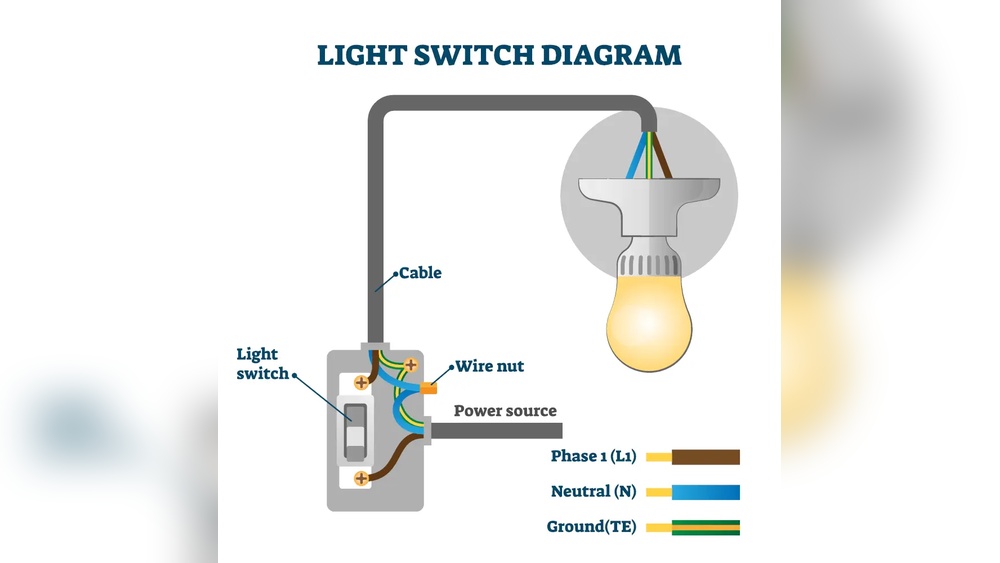
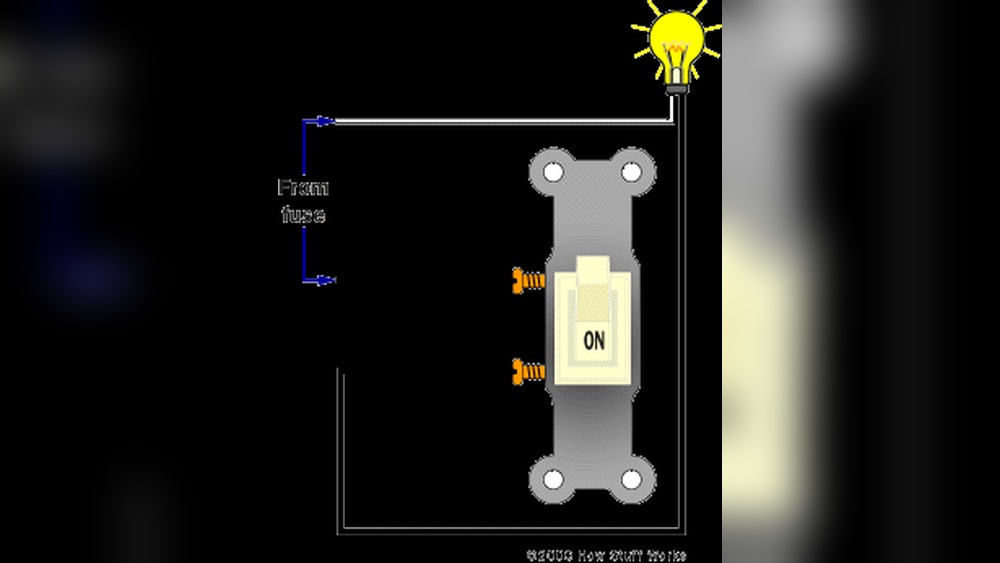
Inside a switch, wires connect the electrical circuit. The wiring links the power source to the light fixture. When the switch is on, it completes the circuit. This lets electricity flow to the light. When off, the circuit breaks, stopping electricity.
Materials Used
Switches use materials that are safe and durable. The internal parts are usually made of metal. Metals like copper carry electricity well. The outer casing is often plastic. Plastic protects users and prevents electric shocks.
:max_bytes(150000):strip_icc()/how-light-switches-work-2175162-2-V1-c86fba8610b14f178ad09d7ef8d3184c.jpg)
Credit: www.thespruce.com
How Electrical Circuits Control Lighting
Electrical circuits control lighting by managing the flow of electricity to light bulbs. These circuits are paths that allow electric current to move and power devices. A switch acts as a controller to either let the current flow or stop it.
Flow Of Electricity
Electricity flows through wires in a circuit. It moves from the power source to the light bulb. When the circuit is complete, electricity reaches the bulb and makes it light up. Without this flow, the bulb stays off.
Role Of Conductors And Insulators
Conductors are materials that let electricity pass easily. Copper wires in homes are good conductors. Insulators, like plastic or rubber, stop electricity from flowing. They protect people from electric shocks and keep the current inside wires.
Circuit Completion And Interruption
A light switch controls whether the circuit is complete or broken. When the switch is on, it closes the circuit, allowing electricity to flow. When the switch is off, it opens the circuit, stopping the flow. This simple action turns lights on or off.
Common Types Of Light Switches
Light switches come in different styles. Each type has a unique way to control lighting. Knowing the common types helps you choose the right switch for your home. It also makes it easier to understand how they work.
Toggle Switches
Toggle switches are the most common type. They have a small lever that you flip up or down. Flipping the switch completes or breaks the electrical circuit. This turns the light on or off. They are simple and easy to use.
Rocker Switches
Rocker switches are flat and wide. Pressing one side turns the light on. Pressing the other side turns it off. They look modern and are easy to operate. Many new homes use rocker switches.
Dimmer Switches
Dimmer switches change the light brightness. You can make the light brighter or softer. They work by adjusting the flow of electricity to the bulb. Dimmers create a cozy or bright space. They save energy by using less power.
Smart Switches
Smart switches connect to Wi-Fi or Bluetooth. Control your lights using a phone or voice commands. Some can set schedules or react to movement. Smart switches add convenience and can save energy. They work well in modern smart homes.
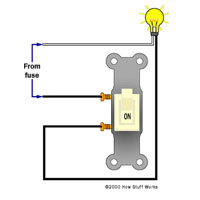
Credit: home.howstuffworks.com
Installation And Safety Measures
Installing light switches requires care and attention. Safety is very important. Following the right steps can prevent accidents and ensure the switch works well. This section covers key tips for proper installation and safety.
Wiring Best Practices
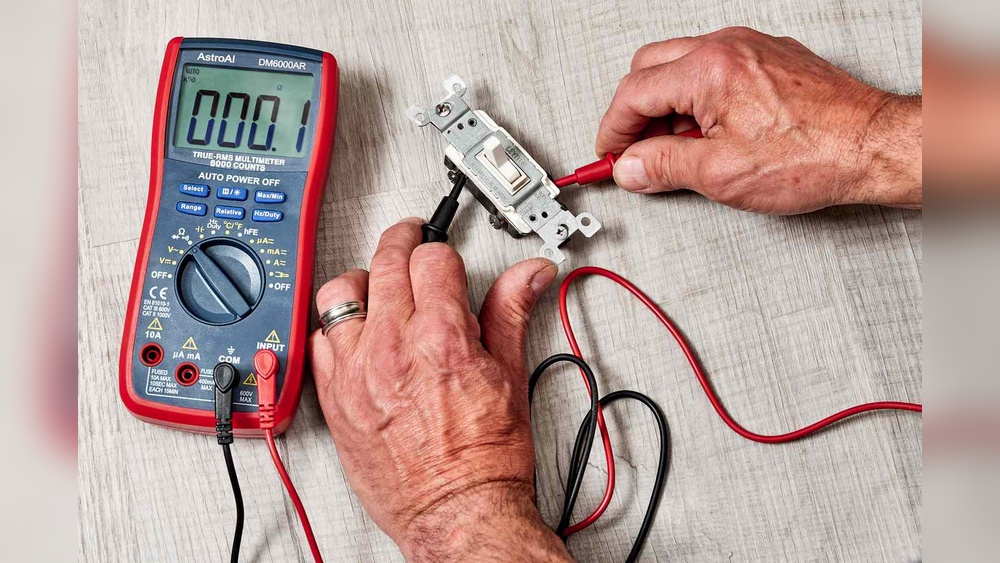
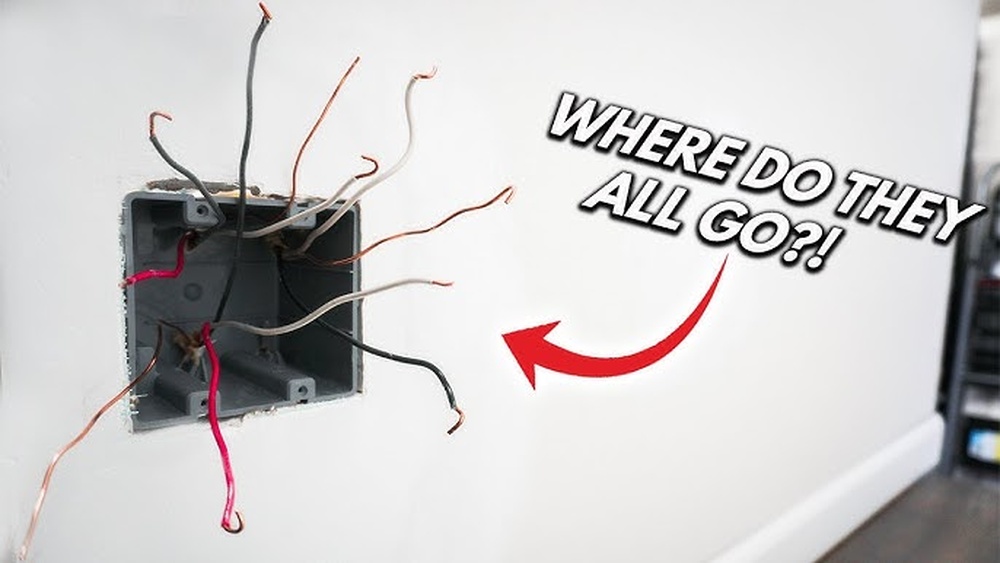
Always turn off the power before starting any wiring work. Use a voltage tester to confirm power is off. Connect wires to the correct terminals on the switch. Tighten screws firmly to avoid loose connections. Use wire nuts to secure wire joins. Keep wires neat and avoid sharp bends. Follow the color codes: black or red for hot wires, white for neutral, and green or bare for ground.
Avoiding Electrical Hazards
Wear insulated gloves and use insulated tools. Never touch wires with wet hands. Make sure the switch box is grounded properly. Avoid overloading the circuit with too many devices. Replace damaged wires or switches immediately. Use a switch rated for the right voltage and current. Keep the switch away from water sources like sinks and bathrooms.
Testing And Maintenance
After installation, turn the power back on and test the switch. Use a tester to check if the switch controls the light correctly. Listen for unusual sounds or smells that signal problems. Regularly inspect the switch for cracks or wear. Clean the switch cover with a dry cloth. Replace old switches to maintain safety and performance.
Advancements In Light Switch Technology
Light switches have changed a lot over the years. New technology makes them smarter and easier to use. These changes improve how we control lighting in our homes and offices. They also help save energy and add convenience.
Wireless Control
Wireless light switches use radio signals to connect with lights. You can control lights from anywhere in the room. No need to be near the switch. Some systems work with apps on your phone. This means you can turn lights on or off remotely. Wireless switches are easy to install and move.
Voice Activation
Voice-activated switches let you control lights with your voice. Smart speakers like Alexa or Google Home listen for your commands. Say “turn on the light,” and it happens. This is helpful when your hands are busy. Voice control adds a modern touch to your home. It also makes lighting more accessible for everyone.
Energy Efficiency Features
New switches often include energy-saving features. Some have timers to turn lights off automatically. Others adjust brightness based on natural light. Motion sensors switch off lights in empty rooms. These features reduce electricity use and lower bills. Smart switches help protect the environment by saving energy.
Frequently Asked Questions
How Do Light Switches Control Electricity Flow?
Light switches control electricity by opening or closing an electrical circuit. When switched on, the circuit closes, allowing current to flow and power the light. When off, the circuit opens, stopping the flow and turning the light off. This simple mechanism controls lighting efficiently.
What Are The Main Types Of Light Switches?
The main types of light switches include toggle, rocker, push-button, and dimmer switches. Each type operates differently but controls electrical flow to lights. Toggle switches use a lever, rocker switches use a flat panel, and dimmers adjust brightness by varying current.
How Does A Dimmer Switch Work?
A dimmer switch adjusts light brightness by regulating electrical current. It reduces voltage to the light bulb, allowing less power and dimmer light. This gives users control over ambiance and energy use without turning lights fully off.
Can Light Switches Handle Different Bulb Types?
Yes, most light switches work with various bulb types like incandescent, LED, and CFL. However, dimmer switches must be compatible with LED or CFL bulbs to function properly and avoid flickering or damage.
Conclusion
Light switches control the flow of electricity to lights. They work by opening or closing a circuit. When the switch is on, electricity flows, and lights shine. When off, the circuit breaks, stopping the current. Understanding this helps you see how simple yet useful switches are.
Next time you flip a switch, remember the basic science behind it. Small parts make a big difference in our daily life. Light switches are easy to use but clever in design. Simple technology with a big impact.