Have you ever flipped a light switch and wondered which bulb it actually controls? Figuring out where a light switch goes can be surprisingly tricky, especially if your home has multiple switches or older wiring.
But don’t worry—you don’t need to be an electrician to solve this mystery. You’ll discover simple, practical steps that help you identify exactly which lights or outlets are connected to any switch in your home. By the end, you’ll save time, avoid frustration, and feel confident handling your lighting setup like a pro.
Keep reading to uncover the easy tricks that make this task quick and stress-free.

Credit: www.reddit.com
Tools You’ll Need
Knowing which tools to gather makes finding where a light switch goes easier. The right tools help you work safely and quickly. Prepare before you start to avoid delays and mistakes.
Basic Tools
Start with a simple screwdriver set. It helps remove switch covers and wall plates. A voltage tester is essential to check if wires have power. Use wire strippers to safely handle electrical wires. A flashlight or headlamp can help see inside dark spaces. Keep a notepad and pen to mark and note switch locations.
Safety Gear
Wear insulated gloves to protect from electrical shocks. Safety glasses shield your eyes from dust and debris. Use a face mask if you work in dusty or old areas. Wear long sleeves and pants to protect your skin. Always have a fire extinguisher nearby in case of emergency.
Safety First
Safety is the most important step before working on any electrical project. Light switches control power, so handling them without care can cause shocks or worse. Taking precautions keeps you safe and protects your home from damage. Follow these simple safety tips before figuring out where a light switch goes.
Turn Off Power
Start by switching off the power at the circuit breaker. This stops electricity from flowing to the switch. Never rely on the wall switch alone to cut power. Confirm the right breaker controls the area where you work. Turning off power helps avoid electric shocks and accidents.
Use A Voltage Tester
Use a voltage tester to double-check the power is off. This tool detects live wires without touching them. Test the wires around the switch and the light fixture. If the tester shows any power, do not touch the wires. Only proceed when the voltage tester confirms zero electricity.
Identify The Switch Type
Identifying the type of light switch is the first step in figuring out where it controls. Different switches work in different ways and control different lights or devices. Knowing the type helps you understand its function and wiring. It also makes troubleshooting much easier. This section breaks down common switch types to help you spot the right one.
Single-pole Vs. Three-way
Single-pole switches control one light or device from one location. They have two terminals for wiring and a simple on/off function. These switches are the most common in homes.
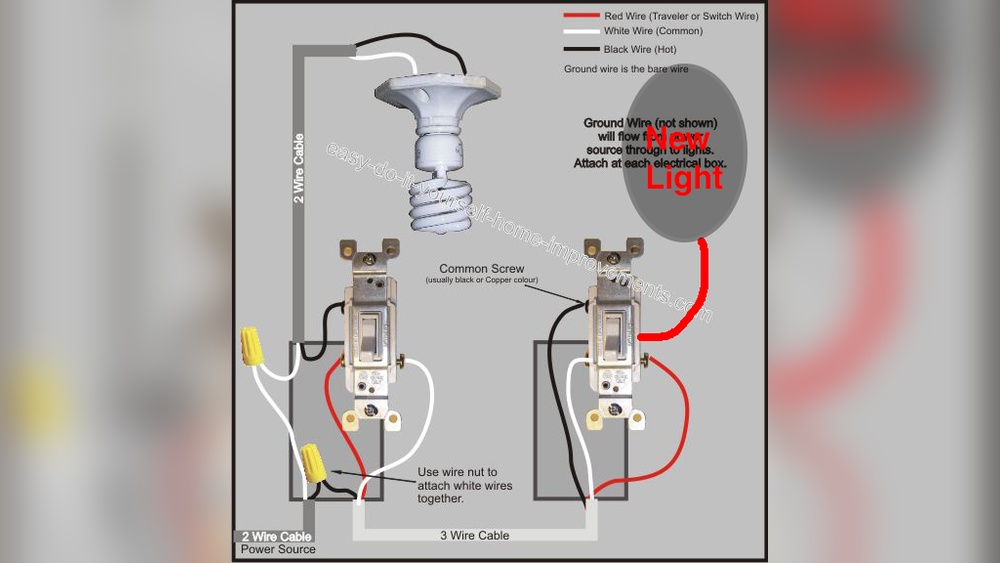
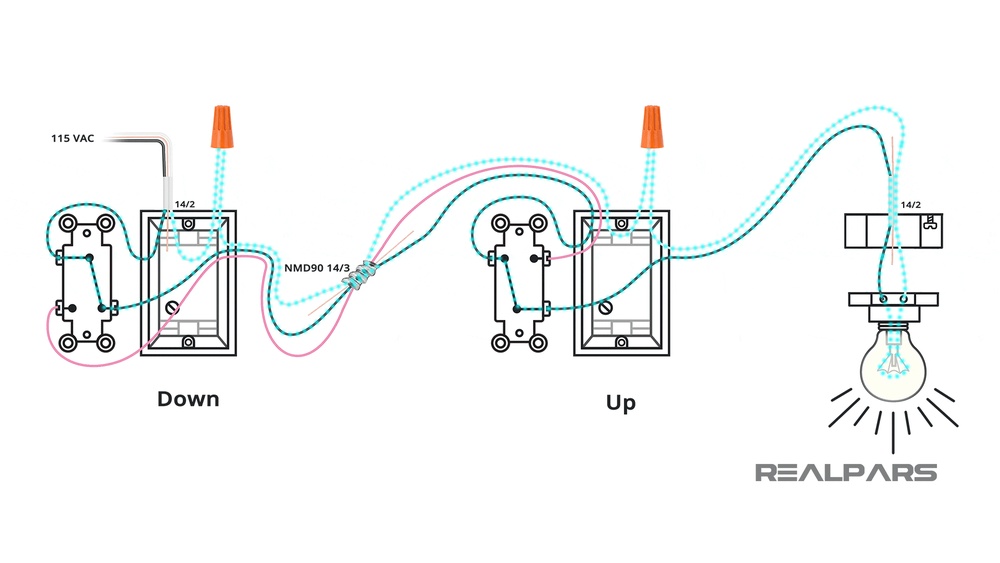
Three-way switches allow control of one light from two different places. They have three terminals and work in pairs. You often find these in hallways or large rooms with two entrances.
To identify, check the number of wires connected. Two wires usually mean a single-pole switch. Three wires suggest a three-way switch. The switch itself may also have labels or markings.
Smart Switches
Smart switches connect to your Wi-Fi and let you control lights remotely. They often replace traditional single-pole or three-way switches but add extra features.
Some smart switches have touch panels or buttons instead of toggles. Others use apps or voice commands for control. They may also track energy use or set schedules.
Look for extra wiring like a neutral wire, which smart switches often need. Their design may look modern or different from old switches.

Credit: www.reddit.com
Trace The Wiring
Tracing the wiring helps you find where a light switch controls power. It shows the path of electricity and helps identify the connected fixtures. This step is useful for repairs, upgrades, or new installations.
Follow Visible Wires
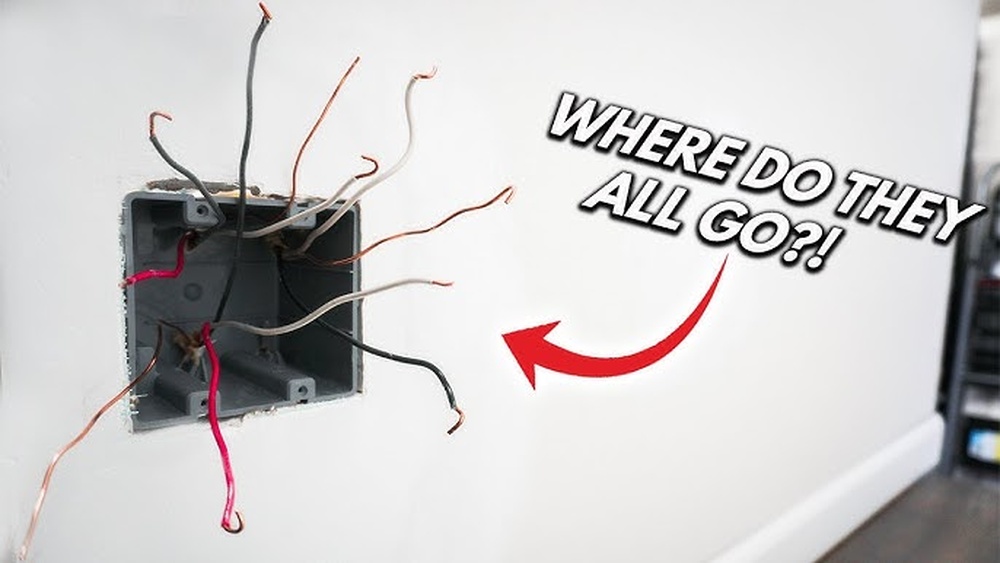
Start by looking at the wires near the switch. Sometimes wires run along walls or ceilings. Follow these wires carefully to see where they lead. Look inside switch boxes for wire bundles. Note their colors and connections. This gives clues about the circuit layout.
Check The Circuit Breaker
Open your circuit breaker panel. Find the breaker linked to the switch. Turn the breaker off to stop electricity flow. Use a tester to check if the wires are live. This helps safely trace the circuit. Label the breaker if it is not already marked. It makes future work easier.
Test The Switch
Testing the switch helps to know what it controls. It is a simple step that saves time and effort. You do not need to guess or break anything.
Start by checking the switch itself. Look for signs it works or connects to a light or device. Then use tools and observation to confirm.
Use A Multimeter
A multimeter measures electrical flow and voltage. It shows if the switch lets electricity pass through.
Turn off the power to avoid shocks. Remove the switch cover carefully. Set the multimeter to continuity mode or resistance.
Touch the probes to the switch terminals. Flip the switch on and off. A beep or low resistance means the switch is good and active.
No sound or high resistance means no current passes. This helps find if the switch is faulty or not connected.
Check Lights And Fixtures
Turn the switch on and look at all lights and devices nearby. Watch for any that turn on or off.
Check ceiling lights, wall lamps, fans, or outdoor lights. Note which ones respond to the switch.
Try different rooms or areas if nothing changes. This helps narrow down the switch’s control zone.
Mark the connected lights or fixtures. This shows where the switch leads and helps with repairs or changes.
Use A Circuit Tracer
Using a circuit tracer is a smart way to find out where a light switch is connected. This tool helps you follow the wiring behind walls without tearing them down. It saves time and effort when you want to know which switch controls which light or outlet.
Circuit tracers come in two parts: a transmitter and a receiver. The transmitter sends a signal into the wires. The receiver picks up this signal and shows you the path of the wire.
How It Works
The transmitter sends a low-voltage signal through the circuit. This signal travels along the wire connected to the switch. The receiver detects the signal’s strength and location. It beeps or lights up stronger near the wire. This helps trace the wire from the switch to the light fixture.
Step-by-step Usage
First, turn off the power to the circuit at the breaker box. Connect the transmitter to the switch’s wires or the circuit panel. Turn the transmitter on to send the signal. Use the receiver to scan walls and outlets. Follow the strongest signal to find the connected light or fixture. Mark the spot once you identify the correct wire. Turn the power back on after finishing the test.
Label And Document
Labeling and documenting your light switches saves time and confusion later. It helps you know exactly which switch controls what. This step is important for any electrical work or future changes.
Clear labels and good notes prevent mistakes. They make it easier to share information with others. Proper documentation keeps your home organized and safe.
Mark Switches
Use stickers or tape to mark each switch. Write simple names like “Living Room” or “Kitchen Light.” This way, you see the purpose without guessing.
Label switches right after testing. This avoids forgetting what each switch controls. Use a permanent marker for clear, lasting labels.
Create A Map
Draw a simple map of your home’s electrical layout. Show each switch and the area it controls. Keep this map near your circuit breaker or fuse box.
Update the map if you add or move switches. A clear map helps anyone working in your home. It saves time and prevents accidental power cuts.

Credit: arcangelelectric.com
When To Call A Professional
Knowing when to call a professional is important for your safety and the success of the job. Some wiring tasks are more complex than they look. Mistakes can cause damage or injury. Understanding the signs that you need an expert saves time and trouble.
Complex Wiring
Some light switch wiring involves many wires and connections. Older homes may have outdated wiring that is hard to follow. Multiple switches controlling one light add to the complexity. A professional electrician has the tools and experience to handle these situations safely.
They can trace circuits and identify which wires control what. This helps avoid guesswork and wrong connections. Complex wiring often requires special knowledge and skills beyond basic DIY.
Safety Concerns
Electricity is dangerous if not handled properly. Incorrect wiring can cause shocks or fires. If you feel unsure or see signs of damage, stop immediately. Professionals know how to work safely with live wires and electrical panels.
They use protective gear and follow safety codes. Calling a professional reduces the risk of injury or costly repairs. Protect yourself and your home by trusting experts with electrical work.
Frequently Asked Questions
How Can I Identify Which Light Switch Controls What?
Check the switch by toggling it on and off while observing the connected light. Use a helper to assist if needed. Note the light fixtures affected and label switches for future reference.
What Tools Help Find The Connected Light Fixture?
Use a voltage tester or circuit tracer to detect active wires. These tools help trace wiring paths and identify which lights the switch controls safely and accurately.
Is It Safe To Test Switches Without Turning Off Power?
No, always turn off power at the circuit breaker before testing switches. This prevents electrical shocks and accidents while inspecting or handling wiring and fixtures.
Can I Map Light Switches Without Professional Help?
Yes, with basic tools and safety precautions, you can map switches. Carefully test each switch’s effect on lights and document the results for easy identification.
Conclusion
Figuring out where a light switch goes can save time and effort. Start by turning off power for safety. Test each switch and observe which lights respond. Sometimes, switches control outlets or fans too. Keep a notebook to track your findings.
Asking for help is okay if unsure. Small steps lead to clear answers. This simple process makes home repairs easier and safer. Stay patient and careful throughout the task. Soon, you will understand your home’s wiring better.