Are you ready to add more space and style to your walls? Hanging shelves can transform any room, but if you’re unsure about how to make them secure, you might hesitate.
Using wall anchors is the key to keeping your shelves strong and steady, no matter what you place on them. In this guide, you’ll learn exactly how to hang shelves with wall anchors, step by step. By the end, you’ll have the confidence to tackle this project yourself and enjoy the extra storage and charm that shelves bring to your home.
Keep reading—you’re closer than you think to mastering this simple, rewarding skill!

Credit: www.wikihow.com
Choosing The Right Wall Anchors
Choosing the right wall anchors is key to hanging shelves safely and securely. The right anchor supports the shelf’s weight and fits the wall type. Using the wrong anchor can cause shelves to fall or damage walls. Understanding different anchors and their uses helps pick the best option for your project.
Types Of Wall Anchors
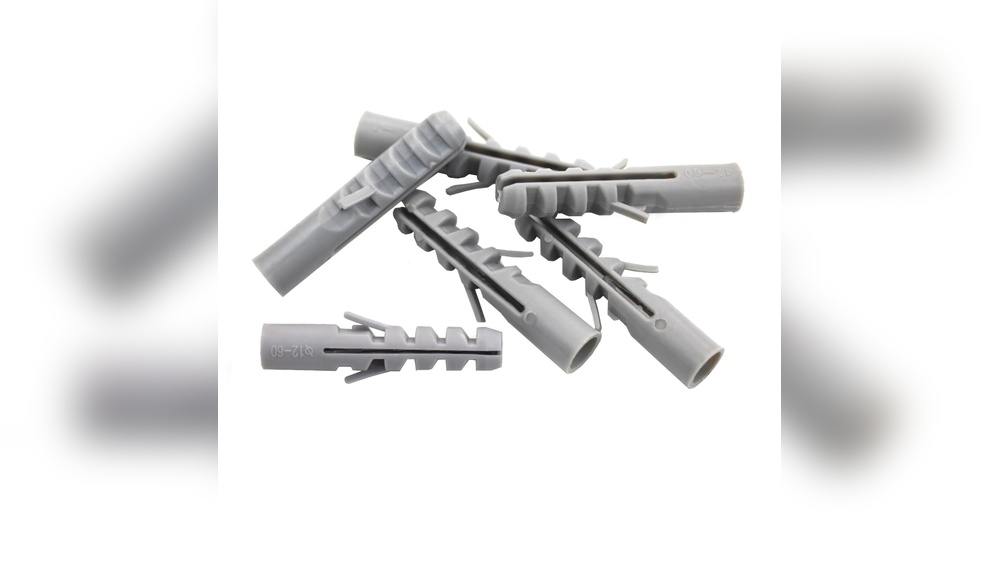
There are several wall anchor types. Plastic expansion anchors are common for light loads. They spread out inside the wall for grip. Toggle bolts work well for heavy items. These have wings that open behind the wall. Molly bolts are metal anchors that expand when tightened. Each type suits different wall materials and weights.
Materials And Weight Considerations
Wall material affects anchor choice. Drywall anchors differ from masonry anchors. Brick or concrete walls need special anchors like sleeve or wedge anchors. Consider the shelf weight too. Light shelves need simple anchors. Heavy shelves require strong anchors with high weight ratings. Always check the anchor’s weight limit before buying.
Tools Needed For Installation
Basic tools make installation easier. You need a drill with the right bit size. A screwdriver or drill driver helps tighten anchors. A level ensures shelves hang straight. A tape measure marks anchor spots accurately. Using the correct tools prevents mistakes and wall damage.

Credit: www.uglyducklinghouse.com
Preparing The Wall And Shelf
Preparing the wall and shelf is the first important step in hanging shelves with wall anchors. Proper preparation helps the shelf stay secure and straight. It saves time and avoids damage to your wall. This section explains how to measure, locate studs, and gather tools for your project.
Measuring And Marking Placement
Measure the height where you want the shelf carefully. Use a tape measure for accuracy. Mark spots lightly with a pencil on the wall. Check that marks are level using a spirit level. Mark both ends of the shelf placement clearly. This helps keep the shelf balanced and straight.
Locating Studs And Avoiding Hazards
Find wall studs with a stud finder or by tapping the wall. Studs provide extra support but are not needed for wall anchors. Avoid drilling near electrical wires or plumbing pipes. Use a small drill bit to test the wall if unsure. Stay clear of any visible outlets or switches. Safety protects you and your home.
Gathering Materials And Tools
Collect all materials before starting. You need wall anchors, screws, a drill, a screwdriver, and a level. Choose anchors suitable for your wall type, like drywall or plaster. Have a pencil and measuring tape ready. Prepare the shelf and brackets too. Having everything at hand makes the process smooth.
Drilling Holes And Installing Anchors
Drilling holes and installing anchors is a crucial step in hanging shelves securely. Proper holes and anchors hold the shelf and weight safely on the wall. This process needs careful attention to details like drill bit size, depth, and angle. Correct steps prevent damage to walls and ensure strong support for shelves.
Selecting Drill Bits
Choose a drill bit that fits the wall anchor size exactly. The bit should match the anchor’s diameter for a snug fit. Using a bit too large or small can weaken the anchor’s hold. Check the anchor package for recommended drill bit size. Pick a bit designed for the wall type—wood, drywall, or masonry.
Drilling At Correct Depth And Angle
Mark the spot where the hole will go. Drill straight into the wall, keeping the bit perpendicular. Angled holes reduce anchor strength and shelf stability. Drill to the anchor’s length depth only. Use tape on the drill bit as a depth guide. Stop drilling once you reach the marked depth.
Inserting Wall Anchors Properly
Push the anchor gently into the drilled hole. Tap lightly with a hammer if it won’t slide in. The anchor must sit flush with the wall surface. Avoid forcing it too deep or leaving it protruding. A well-inserted anchor grips the wall firmly. This ensures the shelf will hold steady and strong.
Mounting The Shelf Brackets
Mounting the shelf brackets is a key step in hanging shelves with wall anchors. This step ensures the shelf stays firm and supports weight safely. Proper bracket installation prevents damage to walls and keeps your shelf level. Follow these simple instructions for a strong, stable mount.
Aligning Brackets With Anchors
Start by holding each bracket near the wall anchors. Check if the holes in brackets line up with the anchors. Adjust the position until brackets sit flush against the wall. This alignment helps screws go in straight and hold tight.
Securing Brackets With Screws
Use a screwdriver to drive screws through the bracket holes into the wall anchors. Turn screws slowly to avoid stripping the anchors. Tighten screws until the bracket feels firmly attached. Avoid over-tightening to protect the wall and anchor.
Checking Stability Before Shelving
Push gently on each bracket to test its hold. Look for any wobbling or loose screws. Tighten screws again if needed. Confirm the brackets stay steady before placing the shelf on top. Safety first.
Attaching And Leveling The Shelves
Attaching and leveling shelves is a crucial step in your shelf installation project. It ensures your shelves stay secure and look neat. Proper attachment prevents shelves from sagging or falling. Leveling helps items on the shelf stay balanced and safe.
Follow these steps carefully to achieve a stable and straight shelf setup.
Placing Shelves On Brackets
Start by gently placing the shelf on the wall brackets. Make sure it fits well and rests evenly on each bracket. Check that the shelf is centered and not hanging off one side. A good fit helps distribute weight evenly across the wall anchors.
Using A Level For Accuracy
Hold a level tool on top of the shelf to check if it is straight. Adjust the shelf by moving it slightly left or right until the bubble in the level is centered. This step is important for both function and appearance. A level shelf looks professional and prevents items from sliding off.
Final Tightening And Adjustments
Secure the shelf by tightening any screws or fasteners on the brackets. Double-check the shelf position and level after tightening. Make small adjustments if needed before fully securing. Proper tightening locks the shelf in place and supports the weight safely.

Credit: diy.stackexchange.com
Troubleshooting Common Issues
Hanging shelves with wall anchors is simple, but some problems can occur. This section helps solve common issues fast and easy. Fixing these problems keeps your shelves safe and looking good.
Dealing With Loose Anchors
Loose anchors make shelves unstable and unsafe. First, remove the shelf and anchor. Check if the hole is too big. Use a larger anchor or fill the hole with wood filler before re-drilling. Tighten the anchor slowly to avoid damage. Test the anchor by gently pulling it to check firmness.
Fixing Uneven Shelves
Uneven shelves spoil the room’s look. Use a level to find which side is lower. Adjust the screws or anchors on that side. Tighten or loosen them until the shelf is straight. Use a small shim behind the shelf if needed. Double-check with the level after each change.
Handling Wall Damage
Wall damage happens from wrong drilling or heavy loads. Patch small holes with spackle or wall filler. Let it dry, then sand smooth. For bigger damage, use a wall repair kit. Paint over the patch to match the wall color. Avoid drilling too close to old holes to prevent more damage.
Frequently Asked Questions
What Types Of Wall Anchors Work Best For Shelves?
Plastic expansion anchors, toggle bolts, and molly bolts work best. Choose anchors based on wall type and shelf weight. For drywall, toggle bolts offer strong support. Concrete or brick walls need masonry anchors for secure mounting.
How Do I Install Wall Anchors Correctly?
Drill a hole matching the anchor size. Insert the anchor flush with the wall surface. Tighten screws carefully to expand the anchor inside the wall. Avoid overtightening to prevent damage and ensure firm shelf support.
Can I Hang Heavy Shelves With Wall Anchors?
Yes, but use heavy-duty anchors like toggle bolts or molly bolts. Check the anchor’s weight rating and wall material. Distribute weight evenly across multiple anchors for better stability and safety.
How Do I Choose The Right Anchor Size?
Select anchors that fit the screw size and shelf weight. Use larger anchors for heavier shelves to increase holding power. Always follow the anchor manufacturer’s size and weight guidelines for best results.
Conclusion
Hanging shelves with wall anchors is simple and effective. Choose the right anchor for your wall type. Mark the spots carefully to keep shelves straight. Drill holes gently and insert anchors securely. Screw shelves tightly to avoid wobbling or falling.
This method supports weight well and lasts long. With practice, you will hang shelves faster and neater. Try it yourself and enjoy organized space easily. Small steps lead to great results.