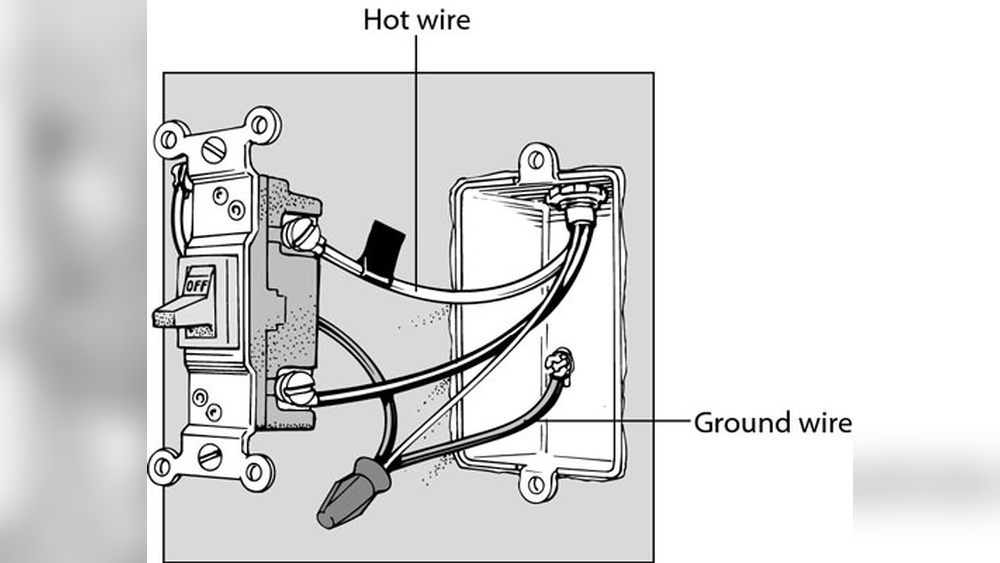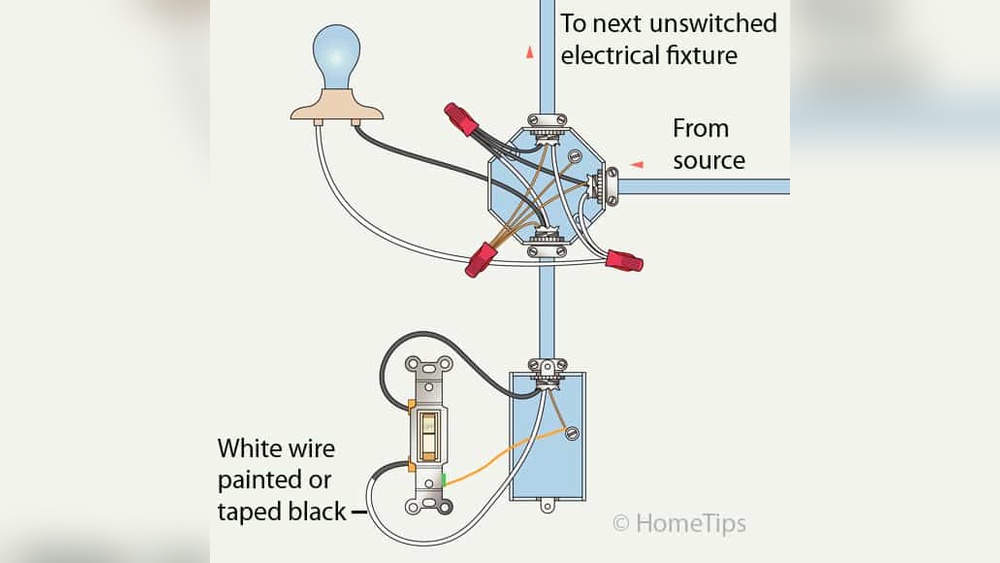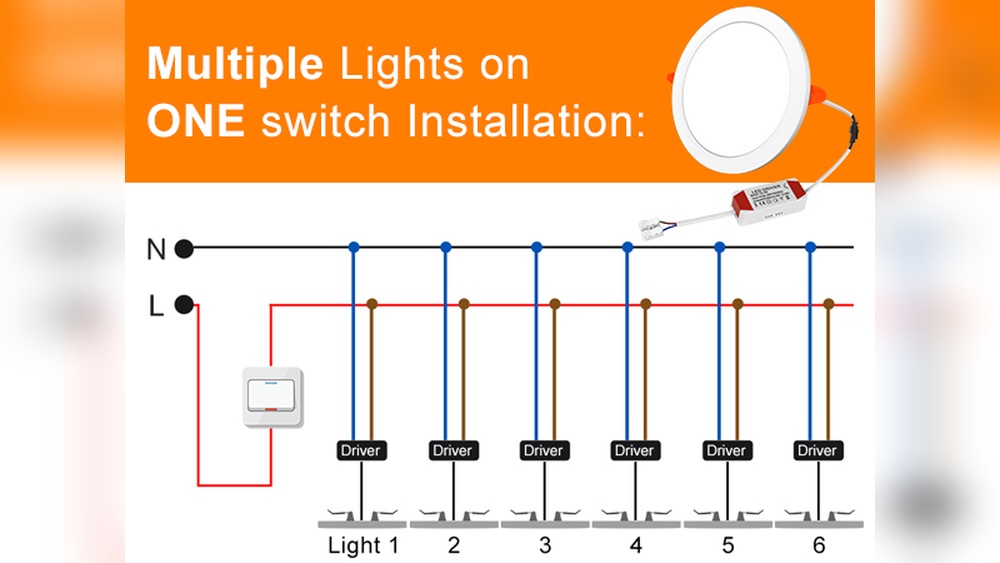
Are you planning to install pot lights and wondering how many you can safely connect to a single switch? Getting this right is key to making your space look great and keeping everything working smoothly.
Too many lights on one switch can cause flickering or even trip your circuit breaker, while too few might mean wasted wiring and extra costs. You’ll discover the simple rules and expert tips to figure out the perfect number of pot lights for your switch.
Keep reading to make sure your lighting setup is both bright and safe.

Credit: diy.stackexchange.com
Pot Light Basics
Understanding the basics of pot lights helps in planning your home lighting. Pot lights, also called recessed lights, are small fixtures set into the ceiling. They provide clean, modern light without taking up space.
These lights are popular for many reasons. They offer soft, even lighting that brightens rooms without glare. Knowing the basics helps decide how many pot lights to put on one switch.
What Are Pot Lights
Pot lights are small, round lights installed in ceilings. They fit inside a hollow space, so only the light shows. This design keeps the ceiling smooth and uncluttered.
They use LED or halogen bulbs. LED bulbs last longer and use less energy. Pot lights can direct light straight down or spread it wide.
Common Uses
People use pot lights in kitchens, living rooms, and hallways. They brighten work areas and add mood lighting. These lights highlight artwork and architectural features too.
Pot lights work well in small spaces. They avoid bulky fixtures that block views. They also help make rooms look larger and cleaner.
Switch Capacity Limits
Switch capacity limits play a key role in deciding how many pot lights you can put on one switch. Each switch has a maximum current it can safely handle. Exceeding this limit can cause problems like overheating or even electrical fires.
Understanding these limits helps you plan your lighting setup better. It ensures safety and keeps your lights working well for years. Knowing the switch’s capacity also helps avoid costly repairs.
Standard Switch Ratings
Most common switches are rated for 15 or 20 amps. This rating means the switch can handle that much electric current safely. Residential lighting circuits often use 15-amp switches. Some heavier setups may need 20-amp switches.
The rating is usually marked on the switch itself or in its product details. It is important to match the switch rating to the total load of your lights. Using a switch with a lower rating than needed can be dangerous.
Impact On Number Of Lights
Each pot light uses a certain amount of power, measured in watts. To find the maximum number of lights on one switch, add up their total wattage. Then compare this to the switch’s power rating.
For example, a 15-amp switch can handle about 1800 watts (120 volts x 15 amps). If each pot light uses 50 watts, you can safely connect up to 36 lights. Keep some margin to avoid overloading the switch.
Using LED pot lights reduces power use. This lets you add more lights without exceeding the switch limit. Always check the wattage of your pot lights before installation.
Calculating Pot Lights Per Switch
Calculating the number of pot lights on one switch is important for safety and performance. It helps prevent overloading and ensures your lighting works well. Several factors affect how many pot lights you can connect to a single switch.
Wattage And Load Considerations
Every pot light uses a certain amount of power, measured in watts. Add the wattage of all lights on the switch. The total must not go beyond the switch’s load rating. This prevents overheating and electrical problems.
Check each light’s wattage on the product label. Add them up to find the total wattage. Compare this total to the switch’s maximum wattage limit. Stay below that number for safety.
Voltage And Circuit Constraints
Most home lighting circuits use 120 volts in the US or 230 volts in other countries. Circuit breakers also limit how much current flows in a circuit. Usually, a 15-amp or 20-amp breaker protects lighting circuits.
Calculate total current by dividing total wattage by voltage. For example, 600 watts on a 120-volt circuit equals 5 amps. Keep the total current below 80% of the breaker’s limit. This prevents tripping and overload.
Room Size And Layout
Room size and layout are key to deciding how many pot lights one switch can handle. The size affects how many lights you need to brighten the space. The layout guides where to place each light for even coverage. Both factors help avoid dark spots and glare.
Lighting Needs By Room Type
Different rooms need different light levels. Kitchens need bright, clear light for cooking and tasks. Living rooms want softer light for relaxing. Bathrooms need bright light near mirrors. Hallways need enough light to see clearly but not too bright. Think about how you use each room before choosing lights.
Spacing And Placement Tips
Space pot lights evenly for balanced lighting. In small rooms, place lights about 4 to 6 feet apart. Larger rooms may need more lights, spaced 6 to 8 feet apart. Keep lights away from walls to reduce shadows. Plan light placement around furniture and room shape. Proper spacing cuts down on dark areas and glare.
Different Types Of Pot Lights
Pot lights come in various types to suit different needs and styles. Choosing the right type affects brightness, energy use, and mood. Knowing the differences helps you pick the best lights for your space.
Led Vs. Halogen
LED pot lights use less energy and last longer than halogen lights. They stay cool and produce bright, clear light. Halogen lights are cheaper but use more power and get hot. LEDs have many color options and dim well.
Dimmable Options
Dimmable pot lights let you adjust brightness to fit the moment. They create soft light for relaxing or bright light for tasks. Both LED and halogen types can be dimmable. Make sure your switch supports dimming for best results.
Safety And Code Requirements
Safety is very important when installing pot lights on one switch. Following electrical codes keeps your home safe. These rules help prevent fires and electrical problems. Understanding these requirements helps you plan the right number of lights.
Electrical Codes To Follow
Electrical codes set the maximum load for circuits. They tell how many lights a switch can safely handle. The National Electrical Code (NEC) is the main guide in the US. It limits the total wattage on one circuit. This prevents wires from overheating and causing fires.
Each pot light uses a certain wattage. Add up the watts of all lights on one switch. Make sure the total does not exceed the circuit’s capacity. Usually, a 15-amp circuit can handle about 1,800 watts safely.
Avoiding Overloads
Overloading a switch causes switches and wires to heat up. This can lead to short circuits or electrical fires. Use the right circuit breaker size and wattage limits. Spread lights across multiple switches if needed.
Check the switch’s rating and the wire gauge. Use thicker wires for higher loads. Always plan your lighting layout before installing. This reduces risks and ensures long-term safety.
Switch Configurations
Choosing the right switch setup affects how you control your pot lights. Switch configurations can be simple or complex. They determine how many lights you operate from one place.
Understanding switch options helps you plan your lighting better. It ensures comfort and energy savings. Let’s explore common switch setups for pot lights.
Single Vs. Multiple Switches
One switch can control many pot lights in a room. This setup is easy and saves wiring costs. It works well for small spaces or simple lighting needs.
Multiple switches give more control over different light groups. You can turn some lights on and keep others off. This setup suits larger rooms or areas with varied lighting needs.
Using multiple switches helps create zones of light. It adds flexibility and improves energy use. You can customize lighting for tasks or moods.
Using Smart Switches
Smart switches connect to your phone or voice assistant. They allow remote control of pot lights. You can set timers or change brightness levels easily.
Smart switches can control many lights from one app. They simplify lighting management and add convenience. This option is good for tech-friendly homes.
Smart switches also support energy saving features. They help reduce electricity bills by turning lights off automatically. Installing smart switches can modernize your lighting system.
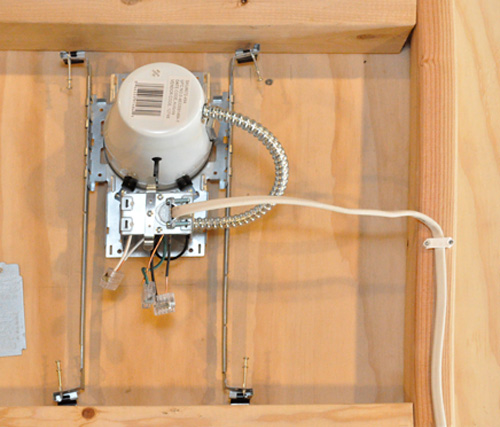
Credit: www.oneprojectcloser.com
Energy Efficiency Tips
Energy efficiency is important for saving money and protecting the environment. Using pot lights wisely can reduce electricity use. Simple steps can make your lighting setup more efficient.
Choose the right bulbs and arrange lights to get the best output. These actions lower power use and keep your home bright.
Choosing Efficient Bulbs
Select LED bulbs for your pot lights. They use less energy than traditional bulbs. LEDs last longer and give off the same brightness. This reduces how often you need to replace bulbs. Look for bulbs with high lumens and low wattage for the best efficiency.
Maximizing Light Output
Place pot lights to cover large areas evenly. Avoid too many lights in one spot. Use dimmers to adjust brightness to your needs. Clean the bulbs and fixtures regularly to keep light clear. Reflective surfaces can help spread light better in the room.
Troubleshooting Common Issues
Troubleshooting common issues with pot lights on one switch helps keep your lighting working well. Problems like flickering lights or switch malfunctions can cause frustration. Finding the cause and fixing it saves time and money. The right steps make it easier to spot and solve problems.
Flickering Lights
Flickering lights often mean a loose connection or a bad bulb. Check if the bulbs are screwed in tightly. Loose bulbs can cause flicker and dim light. Use bulbs that match the fixture’s recommended wattage. Too high wattage can cause flickering and damage.
Wiring issues may also cause flickering. Look for loose wires in the switch box or light fixture. Turn off power before checking wires. Tighten any loose connections carefully. Faulty wiring can be dangerous and should be fixed by a professional.
Sometimes flickering happens due to incompatible dimmer switches. Use dimmers designed for LED or pot lights. Old dimmers may not work well with new bulbs. Replacing the dimmer switch can stop flickering.
Switch Malfunctions
A switch that does not work properly can stop all the pot lights from turning on. Test the switch by flipping it on and off a few times. If it feels loose or does not click, it may be broken. Replacing the switch is often a simple fix.
Wiring problems inside the switch box can cause malfunctions. Turn off power before inspecting. Look for loose or disconnected wires. Tighten connections or reconnect wires as needed. If unsure, call an electrician for help.
Old switches can wear out and fail over time. Upgrading to a new switch improves performance. Consider switches with better durability and safety features. This reduces the chance of future problems.

Credit: www.youtube.com
Frequently Asked Questions
How Many Pot Lights Can One Switch Control?
Typically, one switch can control up to 10-12 pot lights. This depends on the total wattage and circuit capacity. Always check your circuit’s amp rating to avoid overloads. Consult an electrician for precise calculations tailored to your setup.
What Factors Affect Pot Lights Per Switch Limit?
Factors include the circuit’s amp rating, bulb wattage, and wiring capacity. Higher wattage bulbs reduce the number of lights per switch. Proper planning ensures safety and efficient lighting without tripping breakers.
Can I Add More Pot Lights To One Switch?
Yes, but only if the total wattage stays within the circuit’s limit. Adding too many lights risks overloading the circuit. It’s best to calculate the total load before installation or consult a professional.
Is There A Maximum Wattage For Pot Lights On One Switch?
Yes, the maximum wattage depends on the circuit breaker, usually 15 or 20 amps. Calculate total wattage by multiplying bulb wattage by the number of lights. Stay within this limit for safety and optimal performance.
Conclusion
Choosing the right number of pot lights on one switch matters. Too many lights can overload the circuit and cause problems. Too few may leave your room too dark. Consider the wattage and total load on your switch. Keep safety and brightness in balance.
Planning well helps you enjoy good lighting without worry. Simple steps lead to better results in your home.