Have you ever stopped to wonder how tall a light switch really is? You might think it’s a simple question, but the answer can affect how comfortable and convenient your home feels.
Whether you’re renovating, installing new switches, or just curious, knowing the right height can make a big difference for you and everyone in your space. Keep reading to discover the ideal light switch height and why it matters more than you might expect.
Standard Light Switch Heights
Standard light switch heights ensure comfort and safety in homes. They help people reach switches easily without stretching or bending. These heights follow building codes and common practices. Understanding them helps during installations or renovations.
Typical Measurements In Residential Homes
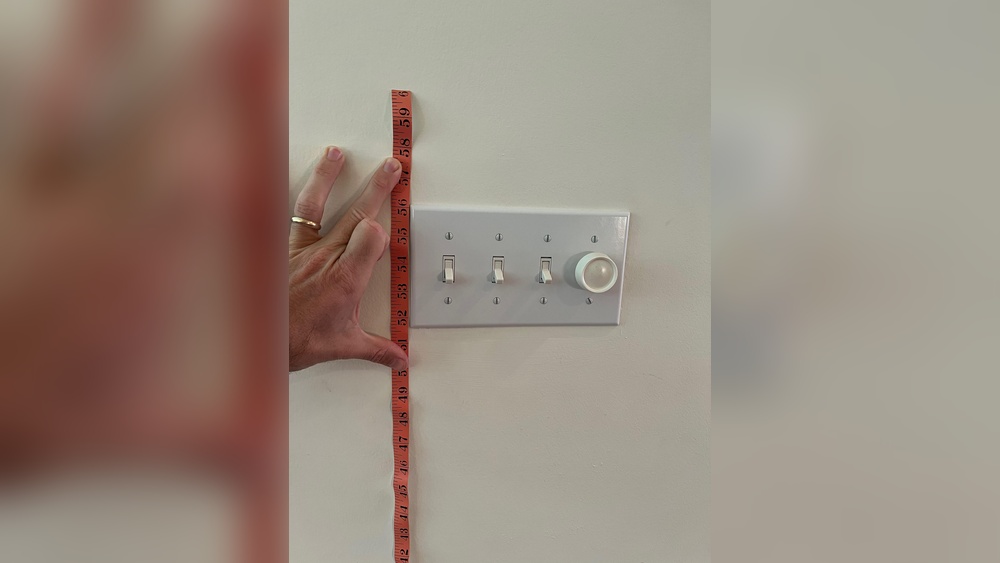
Most light switches are placed about 48 inches from the floor. This height works well for adults and children. It is the most common measurement in living rooms, bedrooms, and hallways. This standard makes switches easy to find in the dark. It also keeps wiring safe and neat inside the walls.
Variations By Room Type
Some rooms require different switch heights. Bathrooms often have switches higher to avoid water contact. Kitchens may place switches near counters for quick access. In garages, switches might be lower for easier reach when carrying items. These small changes improve convenience and safety in each space.
Building Codes And Regulations
Building codes and regulations set the rules for installing light switches safely. These rules protect people and ensure electrical systems work well. Knowing these codes helps place switches at the right height. It also keeps homes and buildings up to standard.
National Electrical Code Guidelines
The National Electrical Code (NEC) offers clear rules for light switch height. Usually, switches must be between 42 and 48 inches from the floor. This range works for most adults to reach easily. The NEC focuses on safety and ease of use in homes and workplaces. It also requires switches to be easy to access in emergencies.
Local Code Differences
Local codes can change the height rules slightly. Some places may require switches a bit higher or lower. These changes depend on local safety needs or building designs. Always check local rules before installing switches. Following local codes avoids fines and keeps your home safe.
Accessibility Considerations
Accessibility matters in every part of home design. Light switch height is no exception. Proper placement helps everyone use switches easily. This includes children, elderly, and people with disabilities. Thoughtful height placement ensures independence and safety.
Designers and builders must follow rules and best practices. These standards create spaces that welcome all users. Understanding these rules is key to making homes accessible and friendly.
Ada Requirements For Switch Height
The Americans with Disabilities Act (ADA) sets clear rules. Switches must be placed between 15 and 48 inches from the floor. This height range works for people in wheelchairs and those standing. It helps avoid strain or difficulty reaching the switch. Meeting ADA rules is crucial for public buildings and many homes.
Designing For All Abilities
Good design means thinking about everyone. Switches should be easy to reach and use. Large, simple switches help people with limited hand strength. Positioning switches near doorways or beds adds convenience. Designing with all abilities in mind makes spaces welcoming and functional.

Credit: www.reddit.com
Switch Height For Different Switch Types
Switch height varies by the type of switch you choose. Each switch type serves different needs and has a recommended height for easy use. Understanding these heights helps with comfort and accessibility in your home or office.
Standard Toggle Switches
Standard toggle switches usually sit 48 inches from the floor. This height fits most people standing or sitting. It works well for bedrooms, living rooms, and hallways. The simple design makes them easy to find and use.
Rocker And Dimmer Switches
Rocker and dimmer switches also install around 48 inches high. Dimmers let you control light brightness smoothly. Rocker switches are larger and easier to press. Both types suit modern homes and improve lighting control.
Smart Switches And Panels
Smart switches and panels often follow the same height rule—48 inches. Some smart panels may be higher for better visibility. These switches connect to apps or voice assistants. Their placement focuses on ease of access and tech use.
Installing Switches At Custom Heights
Installing switches at custom heights can improve comfort and accessibility. It allows you to place light switches where they are easiest to reach. Custom heights suit different needs, like for children or people with disabilities.
Choosing the right height helps everyone use the switch without trouble. It also adds a personal touch to your home design. Careful planning and proper installation are key to success.
When To Adjust Height
Adjust switch height for special needs or room use. Kids’ rooms may need lower switches for easy reach. Taller heights suit garages or utility rooms better. Consider furniture placement and wall space as well. Custom heights can make daily use simpler.
Tips For Safe Installation
Always turn off power before starting switch installation. Use a voltage tester to ensure no electricity flows. Follow local electrical codes and standards carefully. Secure the switch box tightly in the wall. Double-check connections to avoid loose wiring. Use tools designed for electrical work only.
Common Mistakes To Avoid
Placing a light switch seems simple. Yet, many make common mistakes that affect comfort and safety. Knowing what to avoid helps ensure the switch is easy to reach and use. This section points out key errors in light switch placement.
Too High Or Too Low Placement
Placing a light switch too high or too low causes inconvenience. If too high, children and shorter adults struggle to reach it. If too low, it forces people to bend down. Both cases reduce usability and can frustrate users. The ideal height is usually around 48 inches from the floor. This height fits most people comfortably.
Ignoring Accessibility Standards
Ignoring accessibility rules limits who can use the switch easily. People with disabilities need switches at specific heights and locations. Accessibility standards ensure everyone, including wheelchair users, can reach and operate switches. Overlooking these rules can cause problems and may violate building codes. Follow standards like the ADA for better design and safety.
Measuring And Marking Switch Height
Measuring and marking the height of a light switch is important for safety and convenience. The right height makes the switch easy to reach for everyone in your home. This process requires simple tools and careful steps. Understanding how to measure and mark the switch height ensures a smooth installation.
Tools You Need
- Tape measure – for accurate height measurement
- Pencil – to mark the wall clearly
- Level – to keep the switch straight
- Stud finder – to locate wall studs (optional)
- Masking tape – to protect the wall while marking (optional)
Step-by-step Process
- Decide the desired height for the switch, usually 48 inches from the floor.
- Use the tape measure to measure this height on the wall.
- Mark the spot lightly with a pencil.
- Check the mark with a level to ensure it is straight.
- If installing multiple switches, repeat for each at the same height.
- Use masking tape around the mark to avoid wall damage while working.
:max_bytes(150000):strip_icc()/measuring-electrical-outlet-height-1821556-06-b960a41f86664f03b648797767b113af.jpg)
Credit: www.thespruce.com
Credit: www.kyleswitchplates.com
Frequently Asked Questions
How Tall Is A Standard Light Switch From The Floor?
A standard light switch is usually installed 48 inches (4 feet) above the floor. This height ensures easy access and complies with most building codes.
Why Is Light Switch Height Important In Homes?
Proper switch height improves accessibility and usability. It also meets safety and building regulations, ensuring convenience for all users, including those with disabilities.
Are Light Switch Heights Different For Commercial Buildings?
Yes, commercial buildings often follow ADA guidelines, placing switches between 34 to 48 inches high. This range accommodates wheelchair users and complies with accessibility laws.
Can I Install A Light Switch At A Custom Height?
You can, but it’s best to follow local codes and standards. Custom heights may affect usability and could violate building regulations.
Conclusion
A light switch usually sits about 48 inches from the floor. This height makes it easy for most people to reach. Builders follow this rule to keep homes safe and practical. Different countries might have slightly different standards. Still, 48 inches stays the common choice.
Knowing this helps when installing or fixing switches. It ensures comfort and convenience in daily life. Keep this simple fact in mind for future projects. Easy to remember. Useful to know.