Are you tired of your screen’s dark look and ready for a fresh, bright change? Switching from dark mode to light mode can instantly refresh your device and make reading easier on your eyes during the day.
But if you’re not sure how to make the switch quickly and smoothly, you’re in the right place. You’ll learn simple, step-by-step tips to change your settings without any hassle. Keep reading to discover how a small change can make a big difference in your daily device use.
Benefits Of Light Mode
Light mode offers clear advantages for many users. It provides a bright and clean interface that feels natural for daytime use. Switching to light mode can improve how you read and interact with your screen. Here are some key benefits of using light mode.
Improved Readability
Light mode shows dark text on a bright background. This contrast makes words easier to read. It helps you see letters clearly without strain. Long texts and articles become less tiring to read. Many users find reading in light mode faster and more comfortable.
Better For Bright Environments
Light mode works well in places with strong light. Outdoors or near windows, the bright screen is easier to see. Dark mode can look washed out in sunlight. Light mode keeps the screen clear and visible. It reduces glare and reflections on your device.
Reduced Eye Strain During Daytime
Bright backgrounds match natural daylight better. This reduces stress on your eyes during the day. Light mode helps prevent headaches from screen glare. It supports healthy eye use in bright rooms. Your eyes can relax more while you work or browse.
When To Choose Light Mode
Choosing light mode over dark mode can improve your experience in many situations. It often depends on your environment and how you feel. Light mode uses bright backgrounds and dark text, which can be easier to see under certain conditions. Understanding when to use light mode helps reduce eye strain and improves your work quality.
Working In Well-lit Spaces
Light mode works best in bright rooms or outside during the day. Sunlight or strong indoor lights make dark screens hard to read. Bright backgrounds match the lighting around you. This balance reduces glare and makes text clearer. Your eyes do not have to adjust too much between screen and surroundings.
Enhancing Visual Clarity
Light mode improves the visibility of fine details. Text and images often appear sharper on a light background. It helps when reading long articles or working on documents. Colors show more naturally and stand out better. This clarity supports focus and helps avoid mistakes.
Personal Preferences
Some people simply feel better using light mode. It can boost mood and energy for certain users. Personal comfort plays a big role in choosing display settings. Switching modes based on how you feel can keep you more productive. Try different modes to find what suits you best.
Switching On Smartphones
Switching between dark mode and light mode on smartphones is simple. Changing this setting can reduce eye strain and improve screen visibility in different lighting.
Both iOS and Android devices offer easy options to switch modes. Follow these steps to change from dark mode to light mode on your phone.
Ios Devices
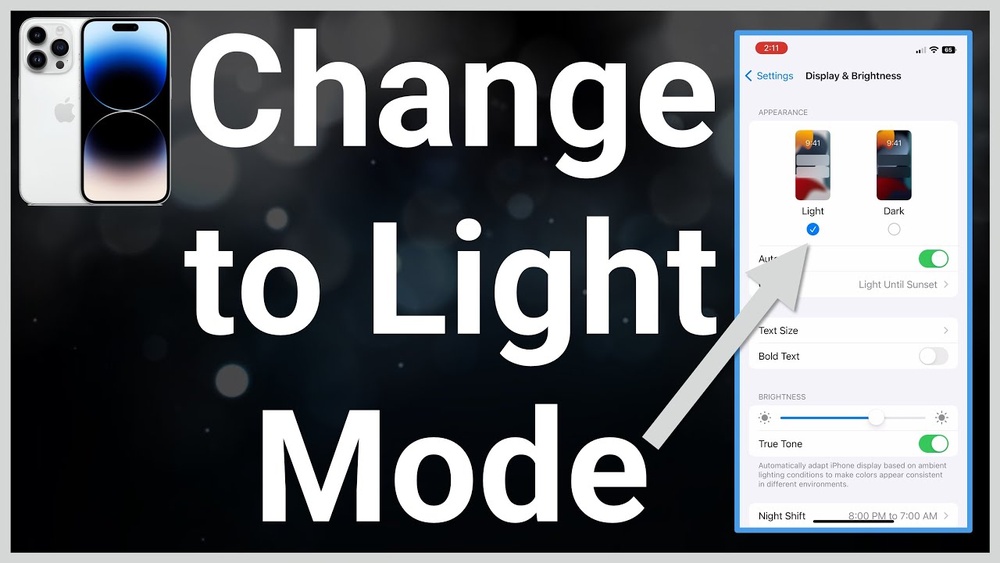
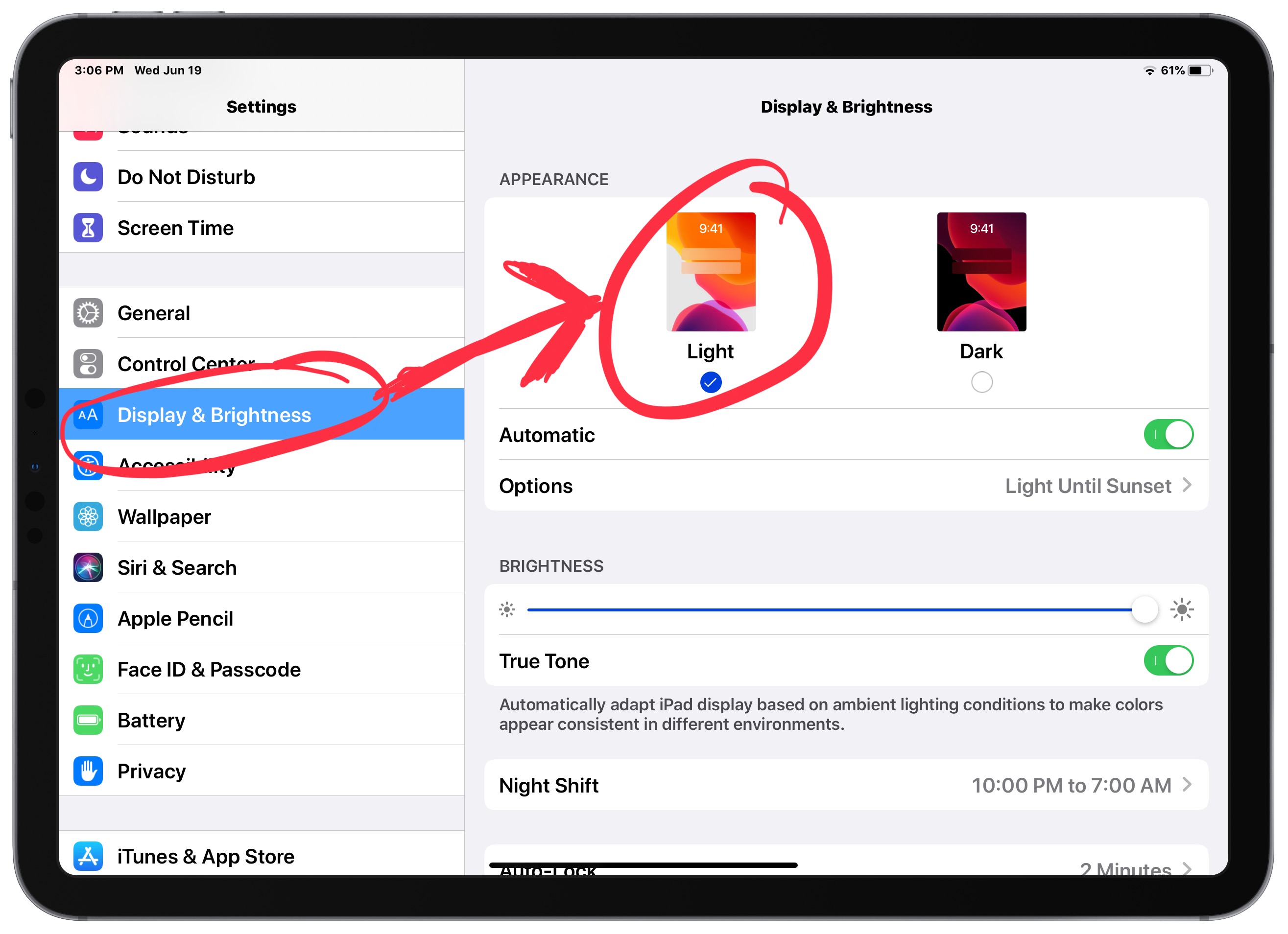
Open the Settings app on your iPhone or iPad. Scroll down and tap on “Display & Brightness.”
Under Appearance, select “Light” to switch to light mode. The screen will change instantly.
You can also use Control Center. Swipe down from the top-right corner of the screen.
Press and hold the brightness slider, then tap the Appearance button to switch modes.
Android Devices
Open the Settings app on your Android phone. Tap on “Display” or “Display & Brightness.”
Look for the “Dark theme” or “Dark mode” option. Toggle it off to activate light mode.
Some Android phones allow quick switching via the notification panel. Swipe down from the top of the screen.
Tap the dark mode icon to turn it off and switch to light mode.

Credit: www.shutterstock.com
Switching On Computers
Switching from dark mode to light mode on computers can improve screen visibility and reduce eye strain during the day. The process is simple and quick. Both Windows and MacOS offer easy ways to change the display theme. Follow the steps below to adjust your settings.
Windows Settings
Open the Start menu and select Settings. Click on Personalization. Choose Colors from the sidebar. Scroll down to the “Choose your color” section. Select Light to switch from dark mode. The change happens immediately. You can also set it to Custom to control app mode separately.
Macos Settings
Click the Apple menu and select System Preferences. Choose General from the options. At the top, find Appearance settings. Select Light to switch the interface from dark mode. The change applies to menus, windows, and supported apps. You can switch back anytime with the same steps.
Adjusting Popular Apps
Switching from dark mode to light mode can change how apps look and feel. Many popular apps let you choose between these modes. Adjusting them is simple and quick. This helps you enjoy a brighter, lighter screen that suits your needs.
Social Media Platforms
Most social media apps have a light mode option. On Facebook, open settings and find the display section. Tap on light mode to switch. Instagram users can go to the theme settings in their profile. Choose light mode for a brighter look. Twitter also offers a light mode in its settings under display and sound. Switching makes reading posts easier in bright places.
Productivity Tools
Apps like Microsoft Office and Google Docs support light mode. In Microsoft Word, go to the file menu. Select options and then choose the light theme. Google Docs lets you change theme in the settings menu. Select the light theme for a clean, bright workspace. This helps reduce eye strain while working during the day.
Web Browsers
Popular browsers like Chrome, Firefox, and Safari allow light mode use. Chrome users can switch themes in settings under appearance. Firefox offers a light theme in its options under language and appearance. Safari follows the device’s system theme, so changing your Mac or iPhone to light mode updates Safari too. Browsing feels fresh and clear with a light background.
Automating Mode Switching
Switching between dark mode and light mode can be tiring when done manually. Automating this process makes life simpler. Your device changes modes at set times or places without your help. It saves time and protects your eyes by adjusting screen brightness and colors automatically.
Scheduling Light Mode
Most devices let you schedule when to switch modes. You can set light mode to start in the morning. Dark mode can begin in the evening. This way, the screen is brighter during the day and softer at night. Scheduling keeps your device comfortable to use all day long.
Using Location And Time
Some devices change modes based on your location and time. They use your phone’s clock and GPS to guess if it’s day or night. The screen switches to light mode when the sun is up. It changes to dark mode after sunset. This method fits your natural light cycle without any effort.
Troubleshooting Mode Switch Issues
Switching from dark mode to light mode should be simple. Sometimes, the mode switch does not work as expected. Troubleshooting these issues helps restore the feature quickly. Understanding common problems and their quick fixes saves time.
Common Problems
The mode switch button may not respond at all. The screen might stay dark even after switching. Some apps or websites may not follow the chosen mode. The system settings might not save the new mode. Sometimes, updates or bugs cause the switch to fail.
Quick Fixes
Restart the app or device to refresh settings. Check for software updates and install them. Clear the app cache to remove corrupted data. Verify the mode settings in system preferences. Turn off any conflicting apps that control display modes. Reset the device settings if the problem continues.
Credit: osxdaily.com

Credit: www.figma.com
Frequently Asked Questions
How Do I Switch From Dark Mode To Light Mode?
To switch from dark to light mode, go to your device or app settings. Find the display or theme option. Select “Light Mode” to change the appearance immediately. This improves readability in bright environments.
Can I Schedule Automatic Switching Between Modes?
Yes, many devices and apps allow scheduled switching. You can set specific times for dark and light modes. This feature adjusts the display based on your preference or daylight hours automatically.
Why Should I Switch From Dark To Light Mode?
Switching to light mode enhances visibility in bright areas. It reduces eye strain during daytime. Some users find light mode better for reading and detailed tasks. It also helps with screen color accuracy.
Is Switching Modes Possible On All Devices?
Most modern devices support both dark and light modes. Check your device’s settings or software updates for this feature. Some older devices or apps may not offer mode switching.
Conclusion
Switching from dark mode to light mode is simple and quick. You can change settings anytime on most devices and apps. Light mode helps in bright environments and reduces eye strain for some people. Remember to adjust brightness for comfort.
Try both modes to see what works best for you. Changing modes can improve your screen experience daily. Keep these easy steps in mind and switch whenever you want. Enjoy a better view and clear screen every time you use your device.