Have you ever wished your lights could turn on or off by themselves, saving you time and energy? Light timer switches make this possible, giving you control over your home’s lighting without lifting a finger.
Understanding how these switches work can help you decide if they’re the right fit for your space and lifestyle. You’ll discover the simple mechanics behind light timer switches and how they can bring convenience and efficiency to your daily routine.
Keep reading to find out how this small device can make a big difference in your home.
Basics Of Light Timer Switches
Light timer switches control when lights turn on and off. They help save energy and add convenience. You can set them to operate at specific times without manual effort. Understanding their basics makes choosing and using them easier.
Types Of Timer Switches
Several types of timer switches exist. The most common are mechanical and digital timers. Some use a dial to set time. Others have buttons and screens for programming. Each type suits different needs and budgets.
Mechanical Vs Digital Timers
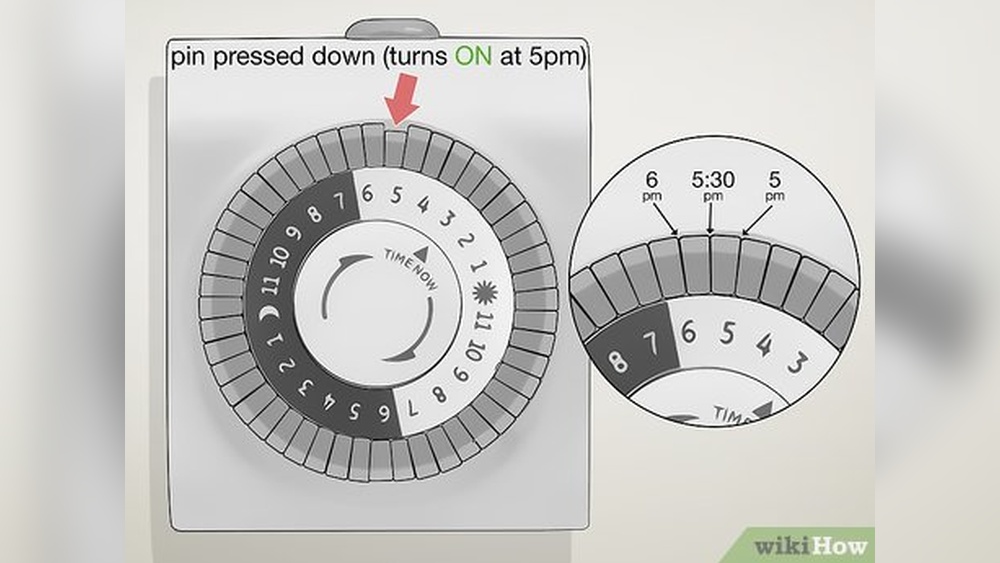
Mechanical timers use a clock-like dial. You turn the dial to set the on and off times. They are simple and often cheaper. Digital timers use electronic controls. They offer more precise timing and extra features. Digital timers can handle complex schedules easily.
Key Components
Light timer switches have three main parts. The timer mechanism controls the schedule. The switch connects and disconnects the power. A power source runs the timer and switch. Some also include backup batteries to keep time during power cuts.

Credit: www.aliontimer.com
How Timer Switches Control Lighting
Timer switches control lighting by turning lights on and off automatically. They save energy and add convenience. These switches work by using a built-in clock or sensor to manage when power flows to the light fixture. Understanding how timer switches control lighting helps you use them better at home or work.
Setting The Timer
Most timer switches have a dial or digital interface. You set the time for lights to turn on or off. Some models allow multiple on/off settings per day. The timer counts down and triggers the switch at the set times. This means lights operate without manual control.
Power Flow Mechanism
Timer switches control the flow of electricity to the light. When the timer reaches the set time, it closes the circuit. This lets electricity flow and turns the light on. At the off time, the timer opens the circuit. This stops power and turns the light off. This simple mechanism controls the light based on your schedule.
Integration With Home Wiring
Timer switches connect directly to your home wiring. They replace regular light switches easily. Wires from the power source and light fixture attach to the timer switch terminals. Proper installation ensures safe and reliable operation. Some timers need a neutral wire for power. Always follow instructions or hire an electrician for installation.
Smart Timer Switch Features
Smart timer switches offer more than just basic on and off functions. They bring convenience and control right to your fingertips. These switches connect with your home network and devices. This connection allows you to set schedules, control lights remotely, and even use voice commands. Understanding their key features helps you see how they fit into modern homes.
Wi-fi And Bluetooth Connectivity
Smart timer switches connect to your home using Wi-Fi or Bluetooth. Wi-Fi allows control from anywhere with internet access. Bluetooth works well for short-range control within your home. This connectivity lets you manage your lights using smartphones or tablets. It also enables communication with other smart devices.
App Control And Scheduling
With a dedicated app, you can control your lights easily. Set timers for specific times or create daily schedules. This helps save energy by turning lights off automatically. You can also adjust settings remotely, even if you are away from home. The app gives you full control over lighting preferences.
Voice Assistant Compatibility
Many smart timer switches work with voice assistants like Alexa, Google Assistant, or Siri. You can turn lights on or off using simple voice commands. This hands-free control adds extra convenience, especially when your hands are full. Voice commands make managing lights quick and easy.
Installation Process
Installing a light timer switch is simple and saves energy. It helps control your lights automatically. The process involves a few clear steps. Understanding these steps makes installation easier and safer.
Safety Precautions
Turn off the power at the circuit breaker. Use a voltage tester to confirm the power is off. Avoid working with wet hands or in damp places. Wear insulated gloves if possible. Keep children and pets away from the work area. Follow all local electrical codes and guidelines.
Wiring Instructions
Remove the old switch carefully. Note the position of each wire before disconnecting. Connect the timer switch wires to the matching wires in the wall box. Usually, connect black to black (live), white to white (neutral), and green or bare wire to ground. Use wire nuts to secure connections. Push wires neatly into the box. Attach the timer switch to the wall and screw it in place.
Troubleshooting Common Issues
The timer switch does not turn on or off. Check the power supply and breaker. Ensure all wires are connected tightly. Replace any damaged wires or connectors. Reset the timer switch if it does not respond. Consult the manual for specific error codes or signals. Call a professional if problems persist.
Energy Savings And Benefits
Light timer switches offer practical benefits beyond just convenience. They help save energy and reduce costs. Using these switches wisely leads to a more efficient home. The advantages include lower electricity bills, better security, and longer bulb life.
Reducing Electricity Bills
Light timer switches turn lights off automatically. This stops lights from running when not needed. Less wasted electricity means lower bills. You control how long lights stay on. This simple action cuts down energy use easily.
Enhancing Home Security
Timers make lights turn on and off at set times. This gives the impression someone is home. It can scare away unwanted visitors. Your home looks active even when you are away. This added security is a big benefit.
Extending Bulb Life
Lights on timers run only when necessary. This reduces how long bulbs stay on. Shorter usage means bulbs burn out slower. You save money by not replacing bulbs often. Timers help bulbs last much longer.

Credit: www.aliontimer.com
Choosing The Right Timer Switch
Choosing the right timer switch is important for smooth operation and safety. It helps save energy and adds convenience to your home. Consider key factors before buying one. These factors ensure the timer fits your needs and works well with your fixtures.
Compatibility With Fixtures
Check if the timer switch works with your light fixtures. Some timers suit only certain bulb types like LED, incandescent, or CFL. Make sure the timer can handle the wattage of your fixture. Incorrect compatibility may cause flickering or damage. Look for timers that match your fixture’s voltage and load requirements.
Budget Considerations
Timer switches come in a wide price range. Simple models cost less but offer fewer features. Advanced timers with digital displays or smart controls are pricier. Set a budget before shopping. Choose a timer that fits your price range and offers good quality. Avoid very cheap timers as they may fail quickly.
User-friendly Features
Pick a timer switch that is easy to set and use. Clear buttons and simple instructions help avoid frustration. Some timers have preset programs or manual override options. These features add flexibility to control your lights. A backlit display makes programming easier in dark places.
Future Trends In Smart Lighting
Smart lighting is evolving fast. Light timer switches are becoming part of larger, smarter systems. These new trends make lighting easier and more efficient. They offer more control and better energy savings. The future of smart lighting looks bright and full of innovation.
Integration With Iot Devices
Smart lighting will connect with many IoT devices. Lights will respond to sensors, cameras, and home assistants. This means lights can turn on or off based on real-time data. For example, lights can adjust when you enter a room or when the sun sets. This creates a seamless, automated lighting experience.
Advanced Automation
Light timer switches will use smarter automation rules. They can learn your habits and adjust lighting accordingly. The switches will also adapt to different activities, like reading or relaxing. This helps save energy and improves comfort. Automation will make lighting more intuitive and personalized.
Sustainability Focus
Future smart lighting will focus on saving energy and reducing waste. Light timer switches will work with energy-efficient bulbs. They will also optimize light use to lower electricity bills. This supports a greener lifestyle and helps protect the environment. Sustainability will be a key goal in smart lighting design.

Credit: www.wikihow.com
Frequently Asked Questions
What Is A Light Timer Switch And How Does It Work?
A light timer switch controls lighting by turning it on or off at set times. It uses an internal clock to automate lighting, saving energy and improving convenience. Users can program schedules based on daily needs or preferences.
How Do Mechanical And Digital Light Timer Switches Differ?
Mechanical timers use gears and dials to set times, offering basic functionality. Digital timers feature LCD screens and precise programming, allowing multiple on/off cycles and better customization for lighting schedules.
Can Light Timer Switches Help Reduce Electricity Bills?
Yes, light timer switches minimize unnecessary lighting by automating off times. This reduces energy consumption, lowering electricity bills. Efficient scheduling ensures lights operate only when needed, promoting energy savings.
Are Light Timer Switches Compatible With Led Lights?
Most modern light timer switches are compatible with LED bulbs. They handle the low wattage and prevent flickering or damage. Always check product specifications to confirm LED compatibility before installation.
Conclusion
Light timer switches help control your lights automatically. They save energy by turning lights off when not needed. You can set times for lights to turn on or off. This makes your home safer and more convenient. Understanding how they work helps you use them better.
Simple to install and easy to use. A smart addition to any home lighting system. Try one to see the difference it makes.

