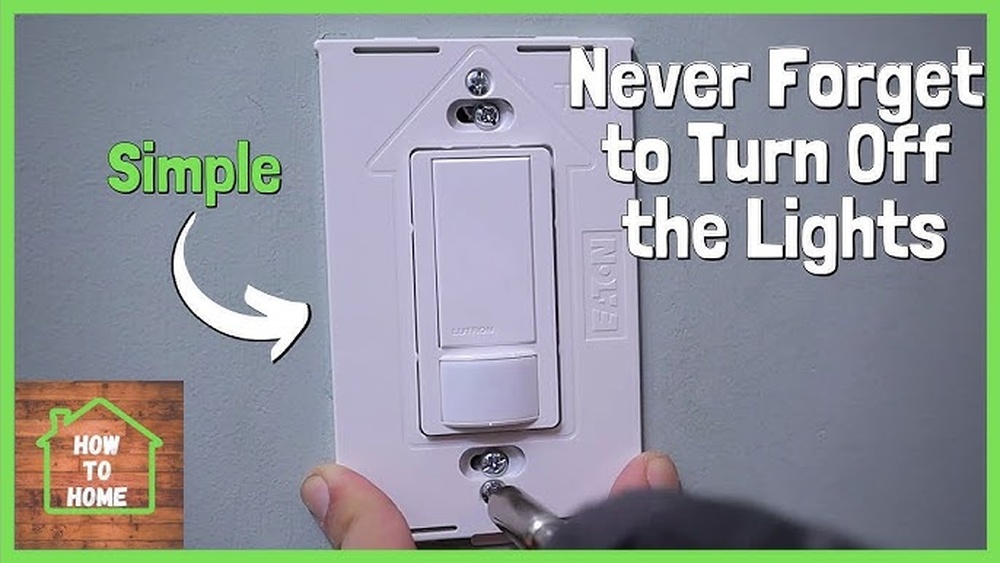
Are you struggling with a light switch cover that just doesn’t fit right? Maybe you need to cut it down to size for a perfect fit.
Don’t worry—cutting a light switch cover is easier than you think, and you don’t need special tools or skills. In this guide, you’ll learn simple, step-by-step tips to make clean, precise cuts that look professional. By the end, you’ll have the confidence to fix your switch cover quickly and improve the look of your space.
Keep reading, and let’s get started!
Credit: www.reddit.com
Tools Needed
Cutting a light switch cover requires the right tools. These tools help you make clean cuts and keep the project safe. Prepare all items before starting. It saves time and avoids mistakes.
Essential Cutting Tools
A utility knife is perfect for trimming plastic covers. It gives control and precise edges. A small hacksaw works well for thicker covers. It cuts through tougher materials easily. A file smooths rough edges after cutting. Sandpaper also helps to finish the surface cleanly. A ruler or measuring tape ensures accurate marks before cutting. A pencil or marker helps mark cutting lines clearly.
Safety Gear
Safety glasses protect your eyes from small plastic bits. Gloves keep your hands safe from sharp edges and tools. A dust mask prevents inhaling fine particles while cutting or sanding. Work in a well-lit area to see clearly and avoid mistakes. Having these safety items makes the task safer and easier.
Choosing The Right Cover
Choosing the right light switch cover is important for safety and style. The right cover fits well and matches your room. It protects wires and prevents accidents. This guide helps you pick the best cover for your needs.
Material Types
Light switch covers come in many materials. Plastic covers are common and cost less. They are easy to clean and install. Metal covers look strong and last long. They suit modern and industrial styles. Wood covers add warmth and charm. They fit well in classic rooms. Choose a material that fits your style and budget.
Measuring For Fit
Measure your switch before buying a cover. Use a tape measure for accuracy. Measure width and height of the switch box. Note the number of switches you have. Single, double, or triple switches need different covers. Check the thickness of your wall plate. Buy a cover that fits these measurements well. A good fit keeps your switch safe and neat.
Preparing The Cover
Preparing the cover is the first step to a neat and safe cut. It helps you make accurate cuts and avoids mistakes. Taking time here saves effort later and ensures the cover fits perfectly.
Marking Cut Lines
Start by measuring the area to cut on the cover. Use a ruler or tape measure for exact marks. Draw clear lines with a pencil where you want to cut. Make sure the lines are straight and visible. Double-check the marks before cutting. This prevents errors and keeps the cover looking good.
Securing The Cover
Hold the cover firmly to stop it from moving. Use clamps or hold it on a stable surface. This keeps the cover steady during cutting. A stable cover reduces the risk of uneven or wrong cuts. Secure the cover well for safe and clean work.
Cutting Techniques
Cutting a light switch cover requires careful attention. The right technique makes your work clean and safe. Two common tools are a utility knife and a saw or rotary tool. Each tool works best in different situations. Knowing how to use them helps you get a perfect fit.
Using A Utility Knife
A utility knife works well for thin plastic covers. Start by marking the area to cut with a pencil. Score the line several times with the knife. Press firmly but do not rush. After scoring, snap the cover along the line. Use sandpaper to smooth sharp edges. This method gives good control and less mess.
Using A Saw Or Rotary Tool
Use a saw or rotary tool for thicker or metal covers. A small hand saw or a rotary cutting bit works fine. Mark the cutting line clearly before starting. Cut slowly to avoid cracking or bending the cover. Wear safety glasses to protect your eyes. Clean the edges with a file or sandpaper after cutting. This method handles tough materials well.
Smoothing The Edges
Smoothing the edges of a light switch cover is important for safety and appearance. Rough or sharp edges can cause cuts or damage the wall. Taking time to smooth the edges makes the cover fit better and look cleaner.
This step is simple but requires care. Using the right tools helps you get smooth, even edges. It also prevents the cover from cracking or breaking.
Sanding Tips
Start with medium-grit sandpaper to remove large rough spots. Move the sandpaper in small circles along the edges. Check the edge often to avoid over-sanding. Switch to fine-grit sandpaper for a smooth finish. Light pressure works best to avoid damaging the cover. Sand all cut edges evenly to keep the shape uniform.
Cleaning Up
After sanding, wipe the cover with a damp cloth. This removes dust and small particles from sanding. Let the cover dry completely before installing. Use a soft brush to clean hard-to-reach corners. Clean edges ensure good paint or finish adhesion. A clean cover looks neat and professional.

Credit: www.youtube.com
Installing The Cover
Installing the light switch cover is the final step after cutting it to fit. This step needs care to ensure the cover fits well and looks good. A properly installed cover protects the switch and keeps the wall safe from dust and dirt.
Take your time to place the cover correctly before securing it. Small mistakes can cause the cover to sit unevenly or feel loose. Follow the steps below for a neat, secure installation.
Aligning Properly
Hold the cover over the switch opening. Check that all edges line up with the wall and switch. The screw holes on the cover must match the holes on the switch plate. Adjust the cover slightly if it looks crooked or off-center. Proper alignment avoids gaps or overlapping edges.
Securing The Screws
Insert the screws into the holes by hand. Turn each screw slowly to avoid stripping it. Tighten the screws evenly, switching between them. Do not overtighten to prevent cracking the cover. The cover should feel snug and stable but not forced.
Troubleshooting Fit Issues
Sometimes, a light switch cover does not fit perfectly after cutting. This can cause gaps or uneven edges. Troubleshooting these fit issues helps make the cover look neat and work well.
Small mistakes in measuring or cutting can cause problems. Fixing these issues is simple with the right steps. This section explains how to adjust the cut and when to replace the cover.
Adjusting The Cut
Check the cut edges for rough spots or extra material. Use fine sandpaper to smooth the edges gently. Trim small areas with a utility knife or small file. Cut in small amounts to avoid removing too much.
Test the cover after each adjustment. Make sure it fits snugly around the switch without gaps. Keep the shape even to avoid crooked edges. Patience is key to getting a clean fit.
Replacing The Cover
Sometimes, the cover is too damaged or the fit is off too much. In these cases, replace the cover with a new one. Choose a cover that matches the switch size and style.
Check the new cover before cutting. Measure twice and mark carefully. A fresh cover is easier to cut and adjust. This saves time and ensures a better fit.

Credit: www.reddit.com
Frequently Asked Questions
How Do I Safely Cut A Light Switch Cover?
Turn off the power at the breaker before starting. Use a fine-toothed saw or utility knife for cutting. Measure and mark carefully to ensure precise cuts. Wear safety goggles to protect your eyes from debris.
What Tools Are Needed To Cut A Light Switch Cover?
You will need a pencil, ruler, fine-toothed saw or utility knife, and safety goggles. A clamp can help secure the cover while cutting. These tools ensure accuracy and safety during the cutting process.
Can I Cut Any Type Of Light Switch Cover?
Most plastic and metal covers can be cut, but thin or brittle materials may crack. Check the cover’s material before cutting. Always use appropriate tools and take your time to avoid damage.
How To Measure For Cutting A Light Switch Cover?
Measure the switch box dimensions accurately with a ruler or tape measure. Mark the cover with a pencil where cuts are needed. Double-check measurements to avoid mistakes and ensure a perfect fit.
Conclusion
Cutting a light switch cover is simple with the right tools and steps. Measure carefully and mark where to cut. Take your time to avoid mistakes. Smooth the edges after cutting for safety. This small task can improve your home’s look and fit.
Now, you can adjust covers to match your needs easily. Give it a try and see how neat your switches become. Practice makes perfect, so don’t rush. You’ve got this!