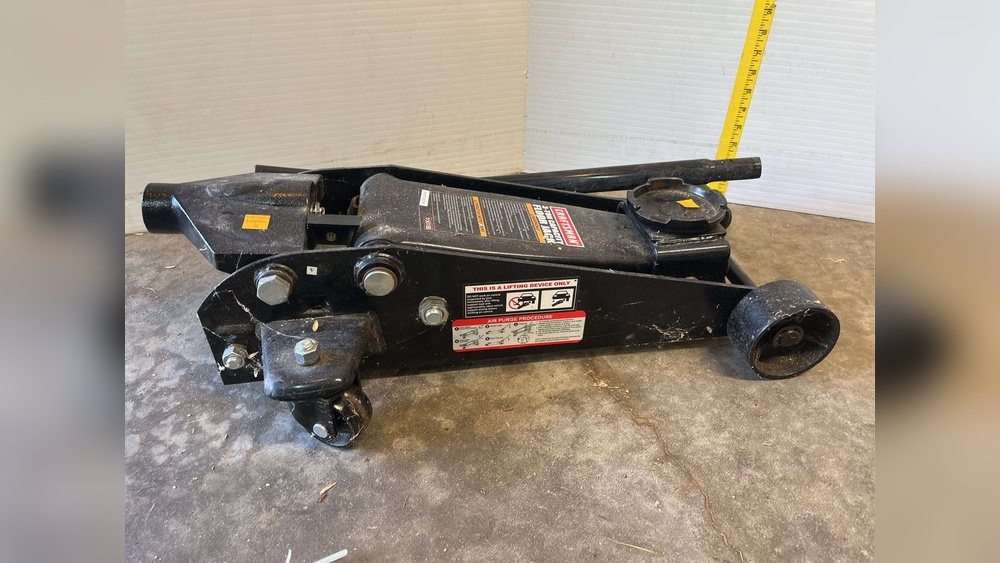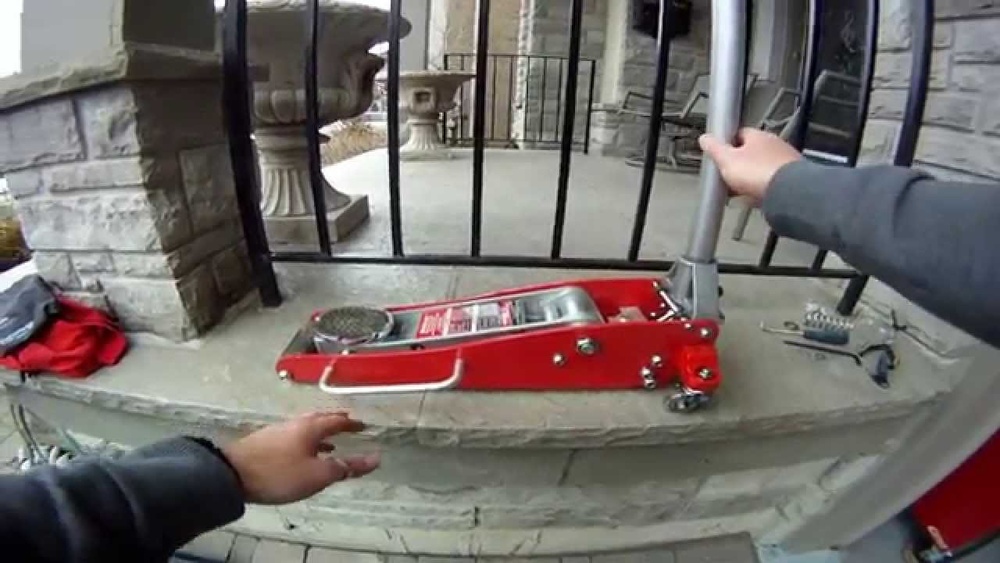
Is your aluminum floor jack not working like it used to? You rely on it to lift heavy loads safely, but when it starts acting up, it can be frustrating and even dangerous.
Don’t worry—you can fix it yourself with the right steps. In this guide, you’ll learn simple, clear methods to get your floor jack back in top shape quickly. Keep reading to save time, avoid costly repairs, and make sure your jack works safely every time you need it.
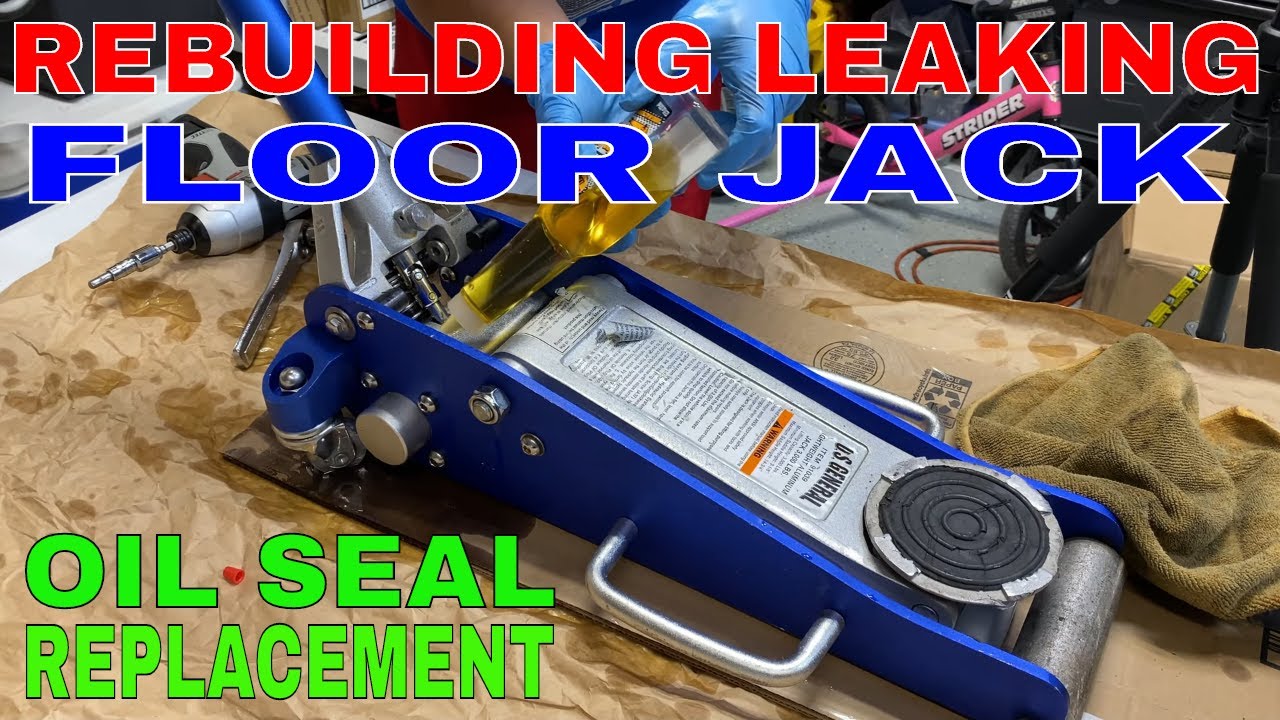
Credit: www.youtube.com
Common Aluminum Floor Jack Issues
Aluminum floor jacks are useful tools for lifting heavy loads safely. Yet, they can face common problems that stop them from working well. Knowing these issues helps you fix the jack quickly and keep it safe to use.
Many problems come from wear and tear or lack of maintenance. Some issues are easy to spot, while others need a closer look. Understanding each problem can save time and money on repairs.
Hydraulic Fluid Leaks
Hydraulic fluid leaks cause poor lifting power. The fluid moves the jack’s lifting parts. Leaks often happen at seals or hoses. Check for wet spots or drops under the jack. Fix leaks quickly to avoid damage.
Air In The Hydraulic System
Air trapped inside the hydraulic system reduces pressure. This makes the jack lift slowly or not at all. Bleed the system to remove air bubbles. This restores smooth and strong lifting action.
Damaged Release Valve
The release valve controls the lowering of the jack. A damaged valve may not close or open properly. This causes the jack to drop suddenly or stay stuck. Inspect the valve and replace if faulty.
Worn Or Broken Seals
Seals keep hydraulic fluid inside the system. Worn or broken seals cause leaks and loss of pressure. Check seals regularly for cracks or damage. Replace seals to maintain good jack performance.
Faulty Pump Mechanism
The pump moves hydraulic fluid to lift the jack. A faulty pump may fail to build pressure. This results in a jack that won’t lift or lifts poorly. Test the pump and repair or replace it as needed.

Credit: www.amazon.com
Tools And Materials Needed
Fixing an aluminum floor jack requires the right tools and materials. Having these ready helps the repair go smoothly. It also saves time and reduces frustration. Below is a list of essential items you need before starting the repair process.
Basic Hand Tools
Start with simple tools like wrenches and screwdrivers. A socket set helps remove bolts and nuts easily. Pliers are useful for gripping and bending parts. A hammer can assist in loosening stuck components. A clean workspace is important for organizing these tools.
Replacement Parts
Check the jack for worn or damaged parts. Common replacements include seals, O-rings, and valves. Find parts that match your jack’s model and size. Using original or high-quality parts ensures better performance and safety.
Hydraulic Fluid Types
Hydraulic fluid keeps the jack operating smoothly. Choose the type recommended by the manufacturer. Common fluids include mineral oil and synthetic hydraulic oil. Avoid mixing fluids to prevent damage to the system.
Cleaning Supplies
Clean parts before reassembling the jack. Use rags to wipe dirt and grease. A brush helps remove debris from hard-to-reach areas. Solvents or degreasers can clear stubborn grime. Cleanliness improves repair quality and extends jack life.
Step-by-step Repair Process
Fixing an aluminum floor jack requires careful steps. Each step helps bring the jack back to working order. Follow these instructions closely to repair your jack safely and effectively.
Inspecting The Jack
Start by checking the jack for visible damage. Look for cracks, rust, or broken parts. Note any leaks or worn seals. This inspection shows what needs fixing.
Draining Hydraulic Fluid
Place a container below the jack’s fluid reservoir. Open the drain valve or remove the plug carefully. Let all old hydraulic fluid drain out fully. Dispose of the fluid according to local rules.
Replacing Seals And Valves
Remove the old seals and valves carefully. Use the right replacement parts for your jack model. Fit new seals and valves tightly to stop leaks. This step restores hydraulic pressure.
Bleeding Air From System
Air trapped inside the hydraulic system causes weak lifting. Open the bleed valve slightly while pumping the handle. Pump until no air bubbles appear in the fluid. Close the valve tightly after bleeding.
Refilling Hydraulic Fluid
Pour clean hydraulic fluid into the reservoir slowly. Fill to the recommended level shown in the manual. Use the right type of fluid for your jack. Too much or too little fluid can cause problems.
Testing The Jack
Test the jack by lifting a light load first. Check for smooth lifting and holding pressure. Listen for strange noises or leaks. Repeat pumping and bleeding if needed. Ensure the jack works safely before full use.
Safety Tips During Repairs
Repairing an aluminum floor jack requires care and attention. Safety is key to avoid injuries or damage. Follow these safety tips to keep yourself safe during the repair process.
Proper Jack Positioning
Place the jack on a flat, solid surface. Avoid soft or uneven ground. This prevents the jack from slipping or tipping over. Center the jack under the load carefully. Check that it is stable before starting repairs.
Using Protective Gear
Wear gloves to protect your hands from sharp edges and dirt. Safety glasses shield your eyes from debris and hydraulic fluid. Use sturdy shoes to protect your feet. Keep your clothes tight to avoid getting caught in moving parts.
Avoiding Overloading
Never exceed the jack’s weight limit. Overloading can cause the jack to fail or collapse. Check the jack’s capacity before lifting any object. Lift only what the jack can safely handle.
Handling Hydraulic Fluid Safely
Hydraulic fluid can harm your skin and eyes. Avoid direct contact by wearing gloves. Clean spills immediately to prevent slips. Dispose of used fluid according to local rules. Keep fluid away from heat and flames.
Maintenance Tips To Prevent Future Issues
Proper maintenance keeps an aluminum floor jack working well for years. Small steps can stop big problems. Regular care helps the jack stay safe and efficient. Follow these simple tips to avoid future issues.
Regular Inspection Routine
Check the jack before every use. Look for cracks, rust, or leaks. Test the lifting mechanism carefully. Tighten loose bolts and nuts. Early detection prevents costly repairs later.
Proper Storage Practices
Store the jack in a dry place. Avoid damp or wet areas to stop rust. Keep it off the ground on a shelf or pallet. Cover it with a cloth to protect from dust and dirt.
Lubrication Guidelines
Apply lubricant to moving parts regularly. Use oil made for metal tools. Avoid over-lubricating, as it attracts dirt. Smooth parts reduce wear and tear. Work the lubricant in by moving the jack parts.
Timely Replacement Of Parts
Replace worn or damaged parts quickly. Use parts made for your jack model. Delaying replacement can cause more damage. Keep spare parts handy for fast fixes. Proper parts keep the jack safe and strong.

Credit: www.amazon.com
Frequently Asked Questions
How Do I Troubleshoot A Stuck Aluminum Floor Jack?
Check for hydraulic fluid leaks and inspect the release valve. Clean and lubricate moving parts. If stuck, bleed air from the system carefully. Regular maintenance prevents common issues with aluminum floor jacks.
What Causes Aluminum Floor Jack To Lose Pressure?
Pressure loss often results from hydraulic fluid leaks or air trapped in the system. Inspect seals and hoses for damage. Refill fluid and bleed air to restore proper pressure. Regular checks ensure safe jack operation.
How Can I Fix A Leaking Aluminum Floor Jack?
Identify the leak source, usually seals or valves. Replace damaged seals and tighten fittings. Use manufacturer-approved hydraulic fluid during refills. Proper sealing prevents fluid loss and maintains jack performance.
Why Won’t My Aluminum Floor Jack Lift Properly?
Low hydraulic fluid levels or air in the system can reduce lifting power. Check fluid levels, refill if needed, and bleed air from the jack. Also, inspect for worn parts that may need replacement.
Conclusion
Fixing an aluminum floor jack takes patience and care. Follow each step slowly and check your work. Keep the jack clean and well-oiled to avoid problems. Regular checks can help catch issues early. A working floor jack keeps your tasks safe and easy.
Practice these simple fixes to save time and money. Remember, small repairs extend the life of your jack. Stay safe and use the right tools for every job. Your floor jack will serve you well with proper care.