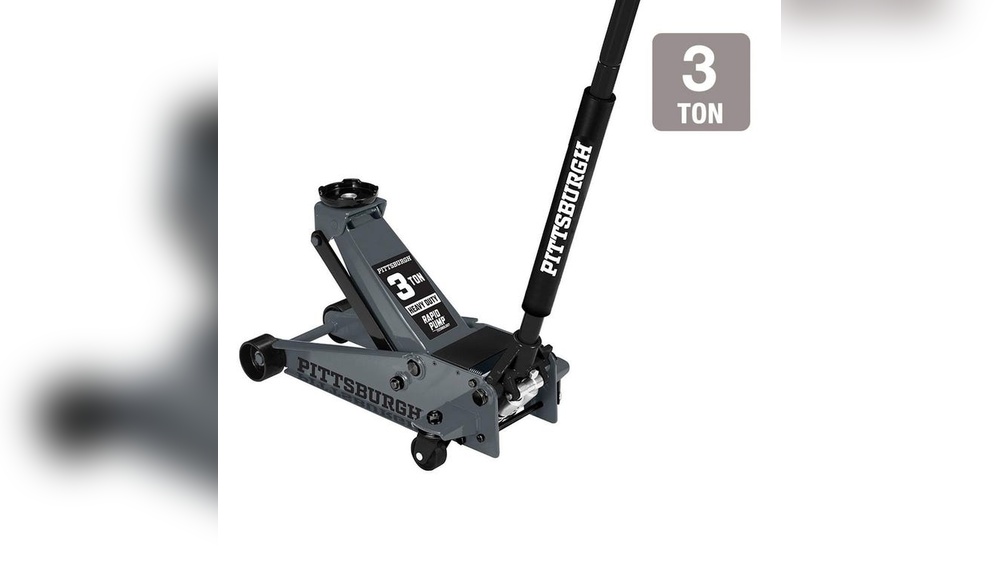
Are you tired of struggling with heavy, complicated floor jacks that slow you down? Learning how to use a Rapid Pump Floor Jack can change that.
This tool is designed to make lifting your vehicle faster, easier, and safer. In this guide, you’ll discover simple steps to operate your Rapid Pump Floor Jack like a pro—no guesswork, no frustration. By the end, you’ll feel confident handling your car with ease, saving time and effort every time you need a lift.
Ready to take control? Let’s dive in.

Credit: www.amazon.com
Choosing The Right Floor Jack
Choosing the right floor jack is important for safe and efficient work. A good floor jack fits your vehicle and the tasks you do. Picking the right type and checking its limits helps avoid accidents. Safety checks keep you protected during every use.
Types Of Rapid Pump Floor Jacks
Rapid pump floor jacks come in different styles. The most common types are hydraulic and scissor jacks. Hydraulic jacks use fluid to lift heavy loads smoothly. Scissor jacks lift by turning a screw mechanism. Choose the type that matches your lifting needs and ease of use.
Weight Capacity Considerations
Every floor jack has a weight limit. This limit shows the heaviest load it can safely lift. Always pick a jack with a capacity higher than your vehicle’s weight. Using a jack with too low capacity can cause failure and injury. Check the label or manual for weight details.
Inspecting For Safety
Before using a floor jack, inspect it carefully. Look for cracks, rust, or leaks in the hydraulic system. Test the handle and lifting arm for smooth movement. Make sure all parts are secure and not worn out. Regular inspections help keep the jack reliable and safe for use.
Preparing The Vehicle
Preparing your vehicle before using a Rapid Pump Floor Jack is important for safety and efficiency. Taking the right steps helps keep you and your vehicle safe. It also makes the lifting process smooth and steady.
Follow these simple steps to prepare your vehicle correctly.
Parking On A Level Surface
Park your vehicle on flat, hard ground. Avoid soft or sloped areas. A level surface keeps the jack steady. It prevents the vehicle from slipping or rolling.
Engaging The Parking Brake
Set the parking brake firmly. This stops the vehicle from moving. Double-check that the brakes hold well. Safety is the top priority before jacking up.
Locating Jack Points
Find the correct jack points on your vehicle. These are strong spots designed for lifting. Check your owner’s manual for exact locations. Using the right points prevents damage to the car’s frame.
Operating The Rapid Pump Floor Jack
Operating the Rapid Pump Floor Jack is simple and safe when done correctly. Understanding each step helps you lift vehicles easily. Follow clear instructions to avoid accidents and damage.
Positioning The Jack Correctly
Place the jack on a flat, solid surface. Ensure the vehicle is on parking brakes. Find the vehicle’s lifting points in the manual. Align the jack saddle under these points. This prevents slipping and damage.
Using The Rapid Pump Mechanism
Insert the handle into the pump socket. Pump the handle up and down smoothly. The jack will rise quickly with each pump. Stop pumping when the vehicle lifts off the ground. Avoid sudden movements to keep balance.
Monitoring Lift Height
Check the vehicle’s height regularly while lifting. Do not exceed the jack’s maximum height. Use the built-in height indicator if available. Stop lifting when you reach the needed height. Secure the vehicle with jack stands before working under it.
Credit: yourpghlawyer.com
Ensuring Safe Lifting Practices
Ensuring safe lifting practices is crucial when using a Rapid Pump Floor Jack. This tool can lift heavy vehicles, but safety must always come first. Proper steps reduce risks and protect both the user and the vehicle. Follow the right procedures for a secure and steady lift.
Using Jack Stands
Jack stands support the vehicle after lifting. Never rely on the floor jack alone. Place the stands under strong points of the vehicle frame. Lower the vehicle slowly onto the stands. This keeps the vehicle stable and prevents accidents.
Avoiding Common Mistakes
Check the floor jack before use for any damage. Use the jack on a flat, solid surface only. Avoid lifting on soft or uneven ground. Do not exceed the jack’s weight limit. Always lift the vehicle at the correct lifting points.
Maintaining Stability
Keep the jack handle steady while lifting. Avoid sudden movements or jerks. Make sure the vehicle does not rock or shift. Use wheel chocks on the opposite wheels. This stops the vehicle from rolling during the lift.
Lowering The Vehicle Safely
Lowering your vehicle with a Rapid Pump Floor Jack needs care. Safety is the top priority. Follow clear steps to avoid accidents. Understanding the right way helps protect you and your vehicle.
Releasing The Hydraulic Pressure
Start by turning the release valve slowly. This valve controls the hydraulic pressure inside the jack. Turn it just enough to start lowering. Avoid opening it too fast. Fast release can cause sudden drops.
Controlling Descent Speed
Lower the vehicle gently. Use slow and steady movements. This keeps control of the vehicle’s descent. Watch the jack and vehicle closely. Stop if you notice any instability.
Final Safety Checks
Check the vehicle’s position after lowering. Ensure it rests securely on the ground. Remove the jack carefully. Look for any signs of movement. Confirm the vehicle is stable before leaving it.

Credit: www.harborfreight.com
Maintaining Your Floor Jack
Maintaining your Rapid Pump floor jack is key to keeping it safe and working well. Regular care helps avoid problems and extends the jack’s life. Simple steps like cleaning, checking fluids, and storing it right make a big difference. These tasks do not take much time but protect your investment.
Cleaning After Use
Wipe the floor jack clean after every job. Remove dirt, dust, and grease with a cloth. Avoid water near the hydraulic parts. Clean wheels and the lifting arm carefully. A clean jack works smoother and lasts longer.
Checking Hydraulic Fluid
Check the hydraulic fluid level often. Low fluid can cause poor lifting or failure. Use the fluid type recommended by the maker. Fill slowly to avoid air bubbles. Regular fluid checks keep your jack lifting strong and steady.
Storing Properly
Store the floor jack on a flat, dry surface. Keep it away from moisture and heat. Lower the lifting arm fully before storage. Cover the jack to protect it from dust. Proper storage prevents rust and keeps parts working well.
Frequently Asked Questions
How Do I Operate A Rapid Pump Floor Jack Safely?
To operate safely, position the jack under the vehicle’s lifting point. Pump the handle steadily to raise. Never go under without jack stands. Release the pressure valve slowly to lower. Always wear protective gear and work on a flat surface.
What Maintenance Does A Rapid Pump Floor Jack Need?
Regularly check for oil leaks and fluid levels. Lubricate moving parts monthly to ensure smooth operation. Inspect for cracks or damage before each use. Store in a dry place to prevent rust. Proper maintenance extends jack life and ensures safety.
Can Rapid Pump Floor Jacks Lift Heavy Vehicles?
Yes, most Rapid Pump Floor Jacks can lift up to 2-3 tons. Always check the jack’s weight capacity before use. Overloading can cause failure or accidents. Use a jack with proper capacity for your vehicle for safe lifting.
How Do I Properly Store A Rapid Pump Floor Jack?
Store the jack in a clean, dry area to prevent rust. Lower the jack fully to release pressure. Keep it away from direct sunlight and moisture. Clean the jack after use to remove dirt. Proper storage ensures longer tool life.
Conclusion
Using a Rapid Pump Floor Jack makes lifting easier and safer. Always check the jack’s condition before use. Place it correctly under your vehicle’s lifting point. Pump the handle steadily to raise the load. Lower the vehicle slowly and carefully after work.
Regular maintenance keeps the jack working well. Practice these steps to build confidence and avoid mistakes. Safe use protects both you and your vehicle. Keep these tips in mind for smooth, trouble-free lifting every time.