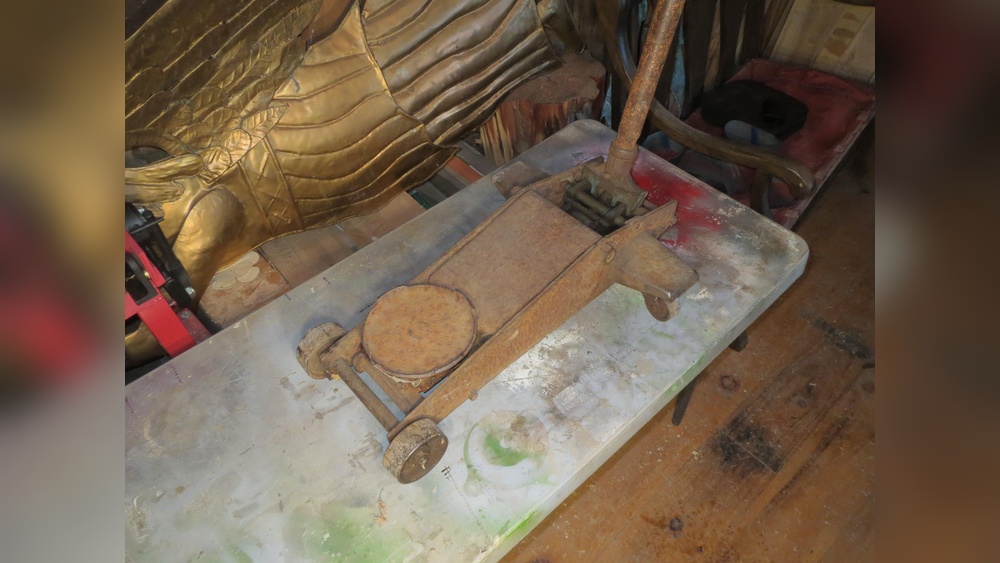
If you own a Lincoln 2 Ton Floor Jack 93642, you know how important it is to keep it in top shape. Over time, wear and tear can slow it down or even stop it from working altogether.
But don’t worry—rebuilding your floor jack is easier than you might think. In this guide, you’ll discover simple steps to bring your jack back to life, saving you money and hassle. Ready to get your jack working like new again?
Let’s dive in and make your repairs quick and effective.
Tools And Materials Needed
Rebuilding the Lincoln 2 Ton Floor Jack 93642 needs the right tools and materials. Preparing these in advance makes the process smoother. Gather everything before starting to save time and avoid frustration.
Essential Tools
- Socket wrench set for bolts and nuts
- Flathead and Phillips screwdrivers
- Pliers for gripping small parts
- Rubber mallet to tap parts gently
- Adjustable wrench for various sizes
- Drain pan to catch old hydraulic fluid
- Clean rags for wiping dirt and oil
- Hydraulic jack oil for refilling
- Safety gloves to protect your hands
Replacement Parts
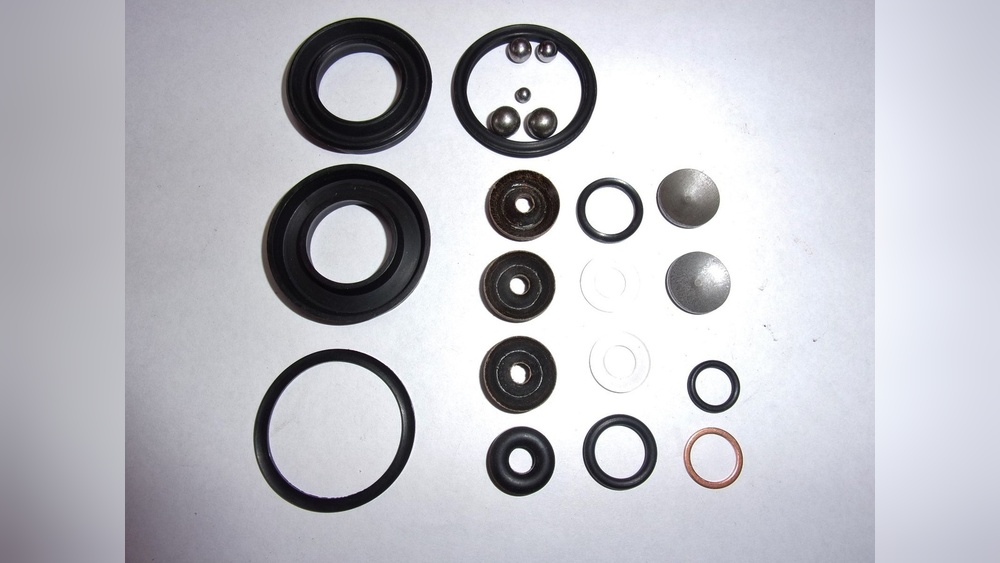
- New hydraulic seals to stop leaks
- O-rings that fit the jack model
- Pressure valve if the old one is faulty
- Release valve for smooth operation
- Hydraulic fluid matching the jack’s specs
- Any worn-out springs or pins
- Replacement wheels if damaged
Safety Precautions
Safety is the top priority when rebuilding a Lincoln 2 Ton Floor Jack 93642. Taking the right steps can prevent accidents and injuries. This section covers key safety precautions to follow. Stay alert and careful throughout the process.
Preparing A Safe Workspace
Clear the area of any clutter. A clean space helps avoid trips and falls. Ensure good lighting to see small parts clearly. Work on a flat, stable surface to keep the jack steady. Keep tools and parts organized and within reach. Avoid distractions and focus on your task.
Using Protective Gear
Wear safety glasses to protect your eyes from debris. Use gloves to avoid cuts and skin irritation. Wear closed-toe shoes to protect your feet from heavy parts. Avoid loose clothing that could get caught in moving parts. Use ear protection if you work with loud tools. Safety gear lowers the risk of injury during the rebuild.
Disassembling The Floor Jack
Disassembling the Lincoln 2 Ton Floor Jack 93642 is the first step in its rebuild. This process helps you inspect each part and identify worn-out components. Careful disassembly also prevents damage to the jack. Take your time and follow each step closely for the best results.
Removing The Handle And Pump
Start by loosening the bolt that holds the handle in place. Pull the handle out gently. Next, locate the pump assembly attached to the base. Unscrew the bolts securing the pump. Carefully lift the pump away from the jack body. Keep all small parts in a safe container.
Separating The Hydraulic Components
Find the hydraulic cylinder connected to the pump. Remove the retaining ring or clip holding the cylinder. Slowly pull the cylinder out, avoiding damage to seals. Take out the piston and check it for wear. Separate the seals, springs, and valves carefully. Organize these parts for cleaning or replacement.
Cleaning And Inspecting Parts
Cleaning and inspecting parts is a crucial step in rebuilding the Lincoln 2 Ton Floor Jack 93642. Dirt, rust, and worn components can affect the jack’s performance. Taking time to clean and check each part ensures safety and smooth operation. This process also helps find any damage early before reassembly.
Cleaning Procedures
Start by wiping all parts with a clean cloth to remove loose dirt. Use a brush to scrub away grease and grime, especially on moving parts. Soak metal parts in a degreaser to break down stubborn oil and dirt. Rinse with water and dry completely to avoid rust. Use compressed air to blow out dust from small crevices. Avoid harsh chemicals that can damage rubber seals or paint.
Checking For Wear And Damage
Inspect each part for cracks, rust, or bends. Look closely at the lifting arm and saddle for signs of metal fatigue. Check the hydraulic cylinder for leaks or pitting. Examine seals and O-rings for hardening or tears. Make sure bolts and pins are not stripped or bent. Replace any part that shows wear to keep the jack safe and reliable.
Replacing Seals And O-rings
Replacing seals and O-rings is a key step in rebuilding the Lincoln 2 Ton Floor Jack 93642. These parts keep the hydraulic fluid inside the jack. Over time, seals and O-rings wear out. They cause leaks and reduce jack performance. Changing them restores smooth operation and safety.
Identifying Worn Seals
Check the jack for fluid leaks around seals. Look for cracks or hard spots on seals. O-rings may look flattened or brittle. A leaking jack may lose pressure or not lift well. Wear shows as oil stains or wet spots. Replace seals that look damaged or old.
Installing New Seals Correctly
Clean the seal area before installation. Remove old seals carefully to avoid damage. Lubricate new seals lightly with hydraulic oil. Place seals in the correct groove and position. Press seals evenly without twisting. Check that O-rings fit snugly to avoid leaks. Proper installation ensures the jack works well again.

Credit: www.amazon.com
Reassembling The Hydraulic System
Reassembling the hydraulic system is a critical step in rebuilding the Lincoln 2 Ton Floor Jack 93642. This process restores the jack’s lifting power and ensures smooth operation. Careful attention is necessary to fit each part correctly and avoid leaks or malfunctions.
Take your time to follow the steps precisely. Proper reassembly guarantees safety and extends the jack’s life. Every component must fit in its place for the system to work properly.
Aligning Components
Start by positioning the main hydraulic cylinder in the frame. Check that the piston fits smoothly inside the cylinder bore. Place seals and O-rings carefully to prevent fluid leaks.
Align the pump piston with the release valve assembly. Make sure all parts sit flush without forcing them. Misalignment can cause damage or poor performance.
Insert the return spring and valve components in the correct order. Confirm each piece matches the original setup for proper function.
Securing Fasteners
Use the correct bolts and screws to hold the hydraulic system parts. Tighten fasteners evenly to avoid warping seals or components. Avoid overtightening, which can strip threads or crack parts.
Check each fastener for tightness after initial assembly. Loose bolts may lead to leaks or unsafe operation. Use a torque wrench if possible to get the right pressure.
Double-check the release valve’s locking nut. It must be firm but not too tight to allow smooth valve movement.
Refilling Hydraulic Fluid
Refilling the hydraulic fluid in your Lincoln 2 Ton Floor Jack 93642 is an important step. It keeps the jack working smoothly and safely. Without the right fluid level, the jack might lose pressure or stop lifting properly. This section explains how to choose the right fluid and how to fill it correctly.
Choosing The Right Fluid
Use only hydraulic jack fluid for the Lincoln 2 Ton Floor Jack 93642. Avoid brake fluid or motor oil. These fluids can damage the seals and parts inside the jack. Look for a fluid that is clear and clean. It should meet the manufacturer’s specifications. Using the right fluid helps the jack lift heavy loads safely.
Proper Fluid Filling Technique
First, place the jack on a flat surface and lower it completely. Locate the fill plug on the jack’s body. Remove the plug carefully. Use a clean funnel to avoid dirt entering the system. Pour the hydraulic fluid slowly until it reaches the correct level. Don’t overfill; the fluid should be just below the fill hole. Replace the fill plug tightly to prevent leaks. Pump the jack several times to remove air. Check the fluid level again and add more if needed.

Credit: www.amazon.com
Bleeding Air From The System
Bleeding air from the system is a key step in rebuilding your Lincoln 2 Ton Floor Jack 93642. Air trapped inside the hydraulic system can stop the jack from working properly. It causes the jack to feel spongy or slow when lifting. Removing this air restores smooth and strong jack operation.
This process is simple but must be done carefully. It improves the jack’s safety and efficiency. Clear hydraulic fluid with no bubbles means better lifting power and control. Follow the steps below to bleed the air correctly.
Why Bleeding Is Important
Air inside the hydraulic system reduces pressure. This makes the jack less effective and unsafe. It can cause the jack to sink or fail during use. Removing air ensures the hydraulic fluid moves smoothly. It also extends the life of the jack’s parts. Proper bleeding keeps the jack reliable for lifting heavy loads.
Step-by-step Bleeding Process
First, open the release valve by turning it counterclockwise. This lets hydraulic fluid flow freely. Next, pump the handle slowly several times. This action pushes air bubbles out of the system. Watch the fluid level through the reservoir window or opening. Add fresh hydraulic fluid if the level drops too low.
After pumping, close the release valve by turning it clockwise. Test the jack by lifting a small load. If the jack still feels soft, repeat the bleeding steps. Keep checking for air bubbles in the fluid. Once no bubbles appear, the bleeding is complete. Your floor jack will now operate smoothly and safely.
Testing The Rebuilt Jack
Testing the rebuilt Lincoln 2 Ton Floor Jack 93642 is a key step. It ensures the jack works safely and correctly. Skipping this step can cause damage or accidents. Careful testing shows if repairs are successful. It also helps find any small problems early. Take your time and follow each test carefully.
Checking For Leaks
Start by inspecting the jack for oil leaks. Look around the hydraulic cylinder and seals. Use a clean cloth to wipe the surfaces first. Pressurize the jack by pumping the handle slowly. Watch closely for any oil dripping or wet spots. Even tiny leaks can reduce lifting power. Tighten fittings or replace seals if you find leaks. Repeat the process until no leaks appear.
Operational Tests
Next, test the jack’s lifting and lowering functions. Place the jack on a flat, solid surface. Pump the handle to lift the saddle smoothly. The saddle should rise without jerks or noises. Hold the load for a minute to check stability. Slowly release the pressure valve to lower the jack. The saddle must descend evenly and without hesitation. Test several times to confirm consistent performance. If the jack fails, revisit the rebuild steps.
Maintenance Tips
Maintaining your Lincoln 2 Ton Floor Jack 93642 is key for its long life and safe use. Simple care steps keep it working smoothly. Regular checks and proper storage stop damage early. This saves time and money on repairs.
Regular Inspection
Check the floor jack before each use. Look for cracks, rust, or oil leaks. Test the jack’s lift and release functions. Tighten loose bolts and nuts. Replace worn parts quickly to prevent failure. Clean dirt and grease to avoid stuck parts.
Proper Storage Practices
Store the jack in a dry, clean area. Keep it off the ground to avoid moisture damage. Lower the jack fully before storing to reduce stress. Cover it with a cloth to stop dust buildup. Avoid storing near chemicals that cause rust.

Credit: www.ebay.com
Frequently Asked Questions
How Do I Disassemble Lincoln 2 Ton Floor Jack 93642?
To disassemble, start by releasing hydraulic pressure. Remove the handle, then unbolt the base and lift components carefully. Keep track of all parts for reassembly.
What Tools Are Needed To Rebuild Lincoln 2 Ton Floor Jack?
Common tools include wrenches, screwdrivers, pliers, and a hydraulic fluid pump. Having a clean workspace and replacement seals is also helpful.
How To Replace Hydraulic Seals In Lincoln Floor Jack?
Drain the hydraulic fluid first. Remove the old seals gently and install new ones in the same position to ensure a proper seal and prevent leaks.
How Often Should I Service Lincoln 2 Ton Floor Jack?
Service your floor jack every 6 to 12 months. Regular checks on hydraulic fluid, seals, and moving parts ensure safety and extend its lifespan.
Conclusion
Rebuilding your Lincoln 2 Ton Floor Jack 93642 is simple with the right steps. Take your time and follow each part carefully. Check all pieces for damage before starting. Clean and lubricate moving parts to keep the jack working smoothly.
Test the jack after rebuilding to ensure safety. Regular maintenance helps your jack last longer. Keep this guide handy for future repairs. Your floor jack will be ready to lift again, strong and reliable. Easy to fix, easy to use.