Are you ready to install your K&V shelf brackets but unsure about the right size lag bolts to use? Choosing the correct lag bolts is crucial to ensure your shelves stay strong and secure.
Using bolts that are too small can lead to wobbly shelves, while oversized ones might damage your wall or brackets. You’ll discover exactly what size lag bolts work best with K&V shelf brackets, so your shelves hold firm and look great.
Keep reading to avoid common mistakes and get your shelving project done right the first time.
Choosing Lag Bolt Size
Choosing the right lag bolt size is key for securing K&V shelf brackets safely. The correct size ensures the bracket holds strong without damage. Picking bolts too small can weaken the hold. Bolts too large may split the wood or wall material.
This guide helps you understand what size lag bolts fit best for K&V shelf brackets. Knowing the factors and standard sizes makes your project easier and safer.
Factors Influencing Size
The weight of the shelf and items affects bolt size choice. Heavier loads need thicker, longer lag bolts for better support. The type of wall or wood also matters. Softer wood may require longer bolts to get a firm grip.
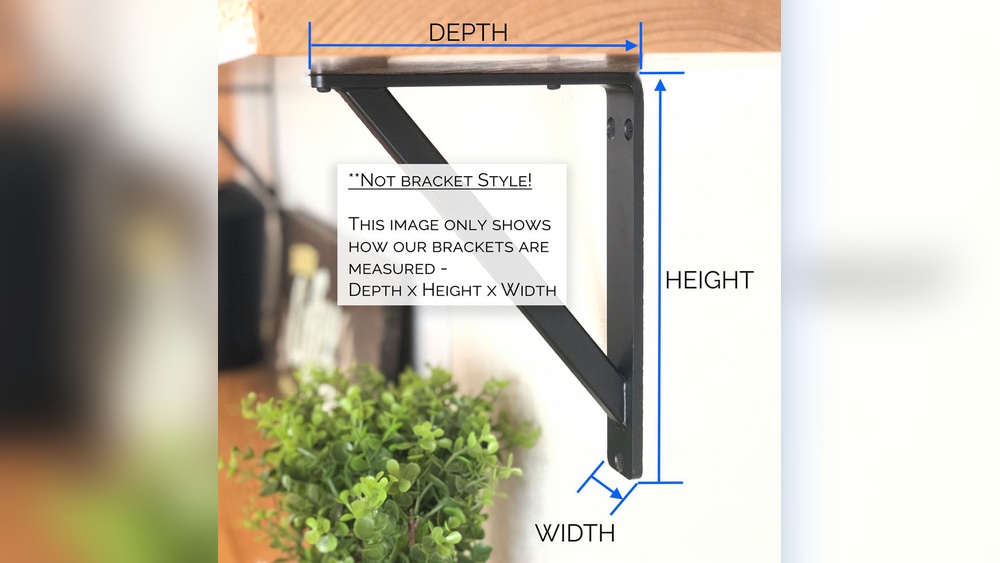
Bracket size impacts bolt diameter. Larger brackets usually need bigger bolts. Depth of the wall or stud influences length. Make sure the bolt goes deep enough for strong anchoring.
Standard Lag Bolt Dimensions
Common lag bolts come in diameters from 1/4 inch to 3/8 inch. Lengths usually range from 1 1/2 inches to 4 inches. For most K&V shelf brackets, 1/4 inch diameter bolts work well.
Length depends on the wall type and shelf weight. A 2 1/2 inch lag bolt often balances strength and ease of use. Check your bracket manual for exact recommendations.
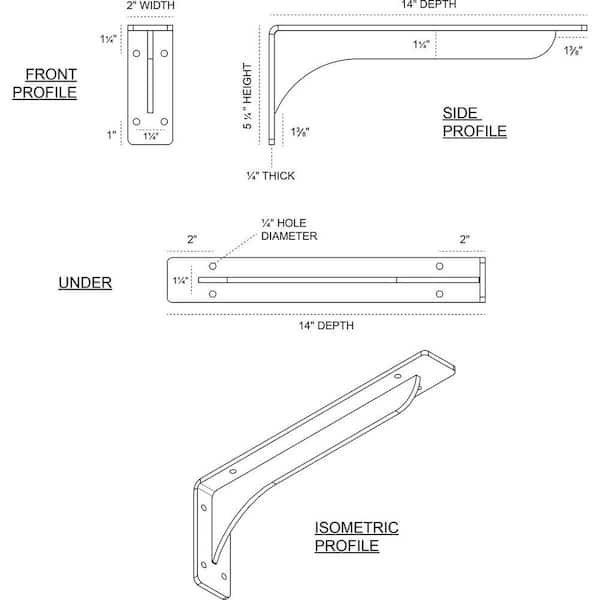
Credit: www.homedepot.com
K&v Shelf Bracket Specifications
K&V shelf brackets are designed for strong and reliable support. They come in different sizes and styles to fit various shelving needs. Knowing their specifications helps you choose the right lag bolts for installation. Proper bolt size ensures safety and stability for your shelves.
Understanding the material and design of these brackets is key. This affects the bolt size and type you need. Let’s explore the details below.
Bracket Material And Design
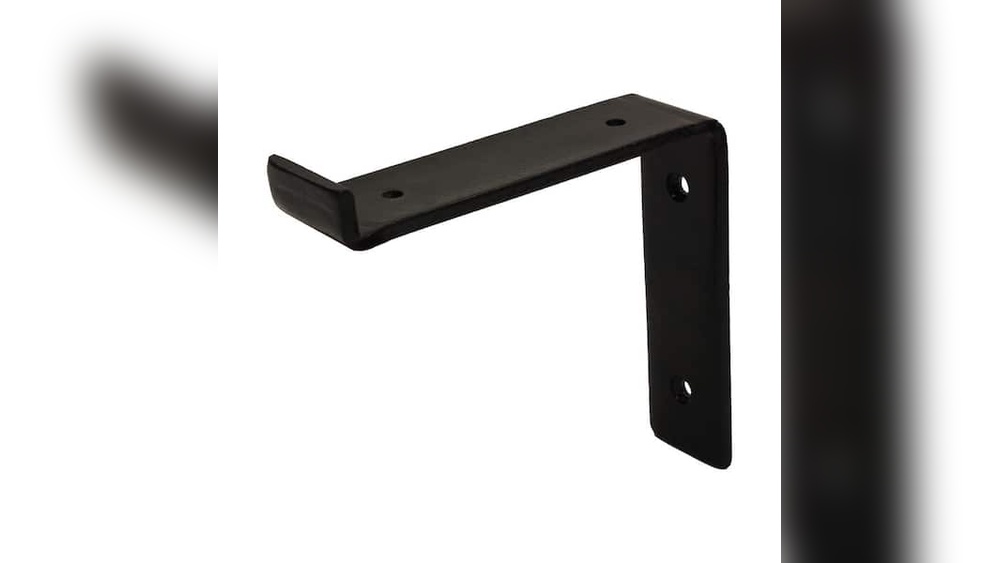
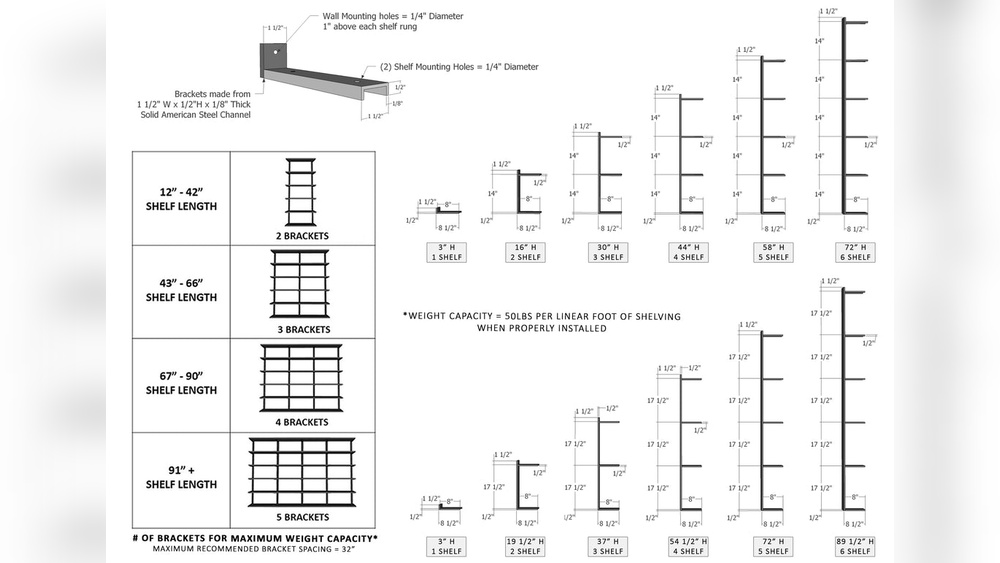
K&V brackets are usually made from heavy-duty steel. Steel offers durability and high load capacity. Many brackets have a powder-coated finish to prevent rust. The design includes pre-drilled holes for easy mounting. Hole size and placement guide the bolt size choice. Some brackets have thicker steel for extra strength. The shape supports weight evenly along the shelf.
Recommended Bolt Sizes
Use lag bolts that fit the bracket’s holes perfectly. Most K&V shelf brackets require 1/4 inch or 5/16 inch lag bolts. The length depends on the wall type and shelf thickness. Common lengths are 2 to 3 inches. Longer bolts provide more grip in studs or solid walls. Use washers with bolts for better hold and to avoid damage. Always check the bracket’s instructions for exact bolt size and length.
Wall Material Impact
The wall material affects the size of lag bolts needed for K&V shelf brackets. Different walls have different strength and thickness. Choosing the right lag bolt size ensures a secure hold. It prevents damage to the wall and shelf. Understanding each wall type helps pick the best bolt size.
Wood Studs
Wood studs are the most common support behind walls. Use lag bolts that are long enough to go through drywall and into the stud. Typically, 2.5 to 3 inches long lag bolts work well. The diameter should be around 1/4 inch for strong grip. Avoid bolts that are too short or thin. They won’t hold the bracket securely.
Concrete And Masonry
Concrete and masonry walls need special lag bolts or anchors. Use lag bolts with masonry anchors or sleeve anchors. The bolt length depends on anchor size and wall thickness. Usually, 3 to 4 inches long bolts are best. The diameter can range from 3/16 to 1/4 inch. Drill pilot holes before inserting the anchors for better fit.
Drywall Considerations
Drywall alone is not strong enough for lag bolts. Always find a stud or use proper anchors. If no stud is available, use heavy-duty drywall anchors. Lag bolts should pass through drywall completely and enter solid material. Using the wrong size causes weak support and wall damage. Measure thickness and choose lag bolts to match the wall depth.
Installation Tips
Installing lag bolts for K&V shelf brackets needs care and the right steps. Proper installation keeps the shelves strong and safe. Follow these tips to secure your brackets well and avoid problems.
Pre-drilling Holes
Always pre-drill holes before inserting lag bolts. This prevents wood from splitting. Use a drill bit slightly smaller than the bolt diameter. Drill straight and to the right depth. This makes bolt insertion easier and more secure.
Torque And Tightening
Tighten lag bolts evenly and firmly. Use a wrench or socket set for control. Avoid over-tightening, which can damage the wood. Tighten just enough to hold the bracket firmly without crushing the material.
Safety Measures
Wear safety goggles to protect your eyes from debris. Use gloves to protect your hands during drilling. Check the wall or surface strength before mounting. Ensure the area is clear and stable to work safely.
Common Mistakes To Avoid
Choosing the right lag bolt size for K&V shelf brackets is important. Mistakes can cause poor support or damage. Avoid these common errors to keep shelves safe and strong.
Using Incorrect Bolt Length
Using too short bolts weakens the hold. Shelves may fall or tilt. Too long bolts can damage walls or pipes. Pick bolts that fit the bracket and wall thickness well.
Over-tightening
Tightening bolts too much can strip threads or crack wood. This reduces strength and safety. Tighten bolts just enough to hold brackets firmly in place.
Ignoring Wall Type
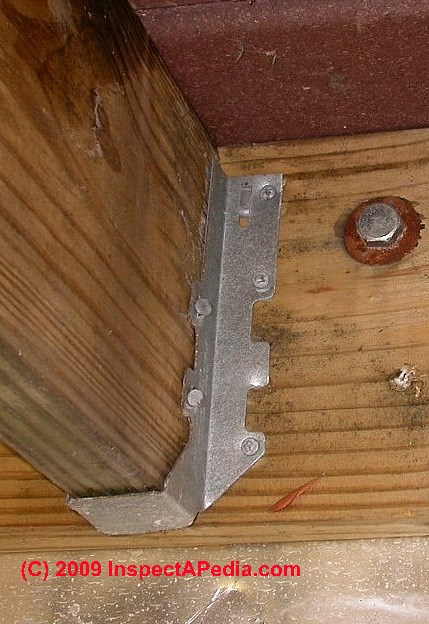
Different walls need different bolts. Drywall alone is weak for shelves. Use anchors or bolts made for brick, concrete, or wood. Match bolts to your wall type for strong support.
Credit: inspectapedia.com
Tools And Accessories
Choosing the right tools and accessories makes installing lag bolts on K&V shelf brackets easier. These items help ensure a strong and safe fit. Using proper tools also saves time and effort during the project.
Drill Bits For Lag Bolts
Select drill bits that match the lag bolt size. The bit should be slightly smaller than the bolt’s diameter. This creates a tight hold in the wood. Use high-quality bits for clean and precise holes. Avoid bits that are too large or too small.
Washers And Anchors
Washers help spread the bolt’s pressure evenly. They protect the wood and prevent damage. Anchors add extra strength, especially in drywall or masonry. Choose anchors suitable for the wall type. Both washers and anchors improve the shelf’s stability.
Torque Wrenches
Torque wrenches control the tightness of lag bolts. They prevent over-tightening, which can strip threads or damage wood. Set the wrench to the recommended torque level. This ensures bolts are secure but not too tight. Proper torque keeps shelves safe and sturdy.
Load Capacity And Weight Limits
Understanding the load capacity and weight limits of your K&V shelf brackets is key to safe and effective use. Using the right size lag bolts helps the brackets hold weight without damage or failure. The load capacity depends on the bolts and the shelf bracket material and design.
Choosing lag bolts that match the load prevents accidents and extends shelf life. Below, you will find how to calculate the shelf load and the importance of bolt strength ratings for your project.
Calculating Shelf Load
Start by adding the weight of all items placed on the shelf. Include the shelf board’s weight to get the total load. Divide this weight by the number of brackets supporting the shelf. This gives the load each bracket must hold safely.
Consider a safety margin to avoid overloading. Multiply the load per bracket by 1.5 or 2 for extra strength. This helps choose lag bolts that provide enough support under pressure.
Bolt Strength Ratings
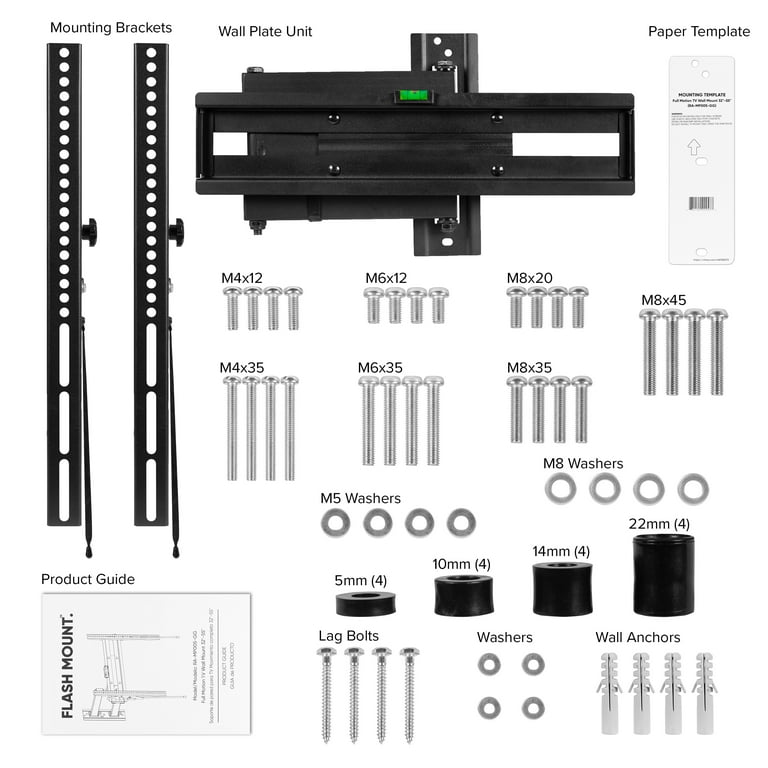
Lag bolts come in different grades indicating their strength. Higher grade bolts handle heavier loads without bending or breaking. Check the bolt’s material and tensile strength before selection.
Choose lag bolts with strength ratings that exceed your calculated shelf load. This ensures the bolts will hold firm over time. Using bolts that are too weak can cause shelf failure and possible injury.
Credit: www.walmart.com
Frequently Asked Questions
What Size Lag Bolts Fit K&v Shelf Brackets?
K&V shelf brackets typically require 3/8-inch diameter lag bolts. The length varies between 2 to 3 inches, depending on wall material and shelf weight. Always check the bracket specifications for the best fit and secure installation.
How To Choose Lag Bolt Length For Shelf Brackets?
Select lag bolt length based on wall thickness and load weight. For drywall with studs, 2 to 3 inches is ideal. Longer bolts ensure stronger support, especially for heavy shelves. Measure carefully to avoid wall damage.
Can I Use Smaller Lag Bolts For K&v Brackets?
Using smaller lag bolts is not recommended. It may compromise shelf stability and safety. Always use the size specified by K&V for optimal support and durability. Proper bolt size ensures your shelves stay secure.
Are Lag Bolts Necessary For Mounting K&v Brackets?
Yes, lag bolts are essential for mounting K&V brackets securely. They provide strong anchoring into studs or solid surfaces. Using the correct lag bolts prevents bracket loosening and shelf failure, ensuring long-lasting support.
Conclusion
Choosing the right lag bolts keeps your K&V shelf brackets strong and steady. Use bolts that fit the bracket holes and wall type. Too small bolts may fail; too large can damage the wall. Measure carefully and select lag bolts that match the shelf weight.
This simple step ensures safety and durability. Proper installation helps your shelves hold items without problems. Take your time, and your shelves will last long. A secure shelf makes your space look neat and organized. Always check bolt size before starting your project.