Are you wondering what type of steel is best for your shelf brackets? Choosing the right steel can make a big difference in how strong and durable your shelves are.
Whether you’re setting up shelves at home or in your workspace, knowing the right material helps you avoid costly mistakes. You’ll discover which steel types provide the perfect balance of strength, reliability, and style for your shelf brackets. Keep reading to make sure your shelves stay sturdy and safe for years to come.
Common Steel Types For Shelf Brackets
Shelf brackets need strong and reliable materials. Steel is a popular choice for shelf brackets. Different types of steel offer various benefits. Understanding common steel types helps choose the right bracket for any need.
Carbon Steel
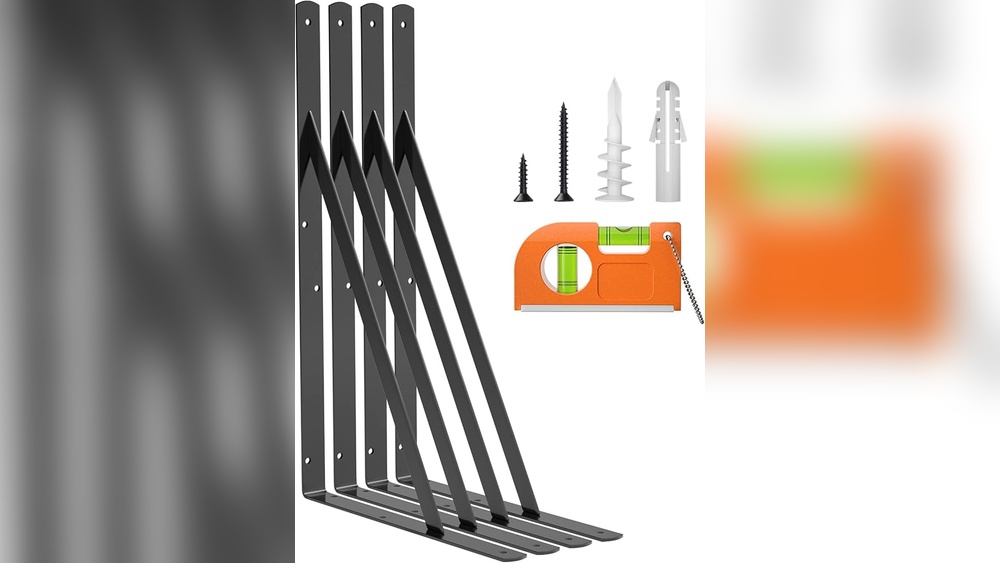
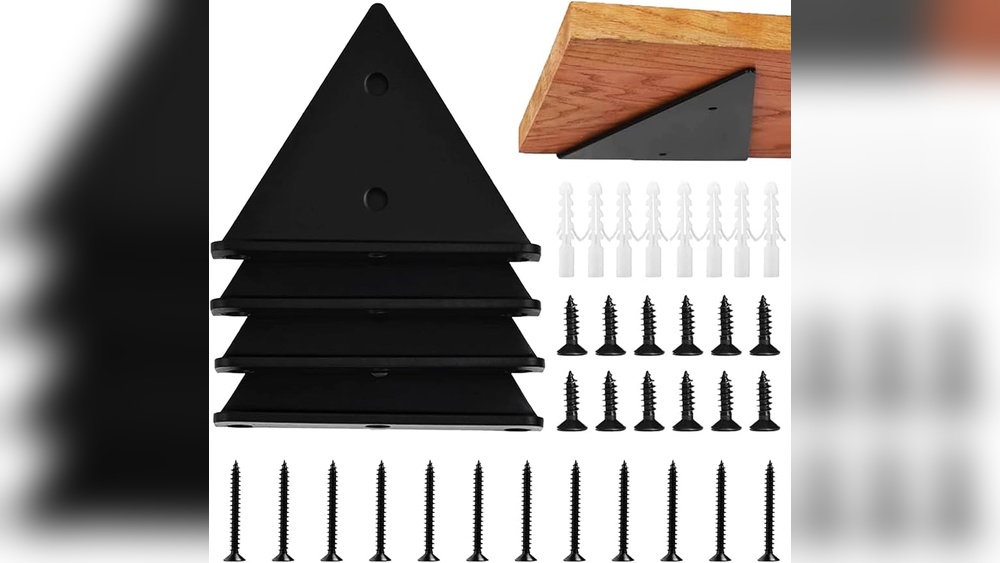
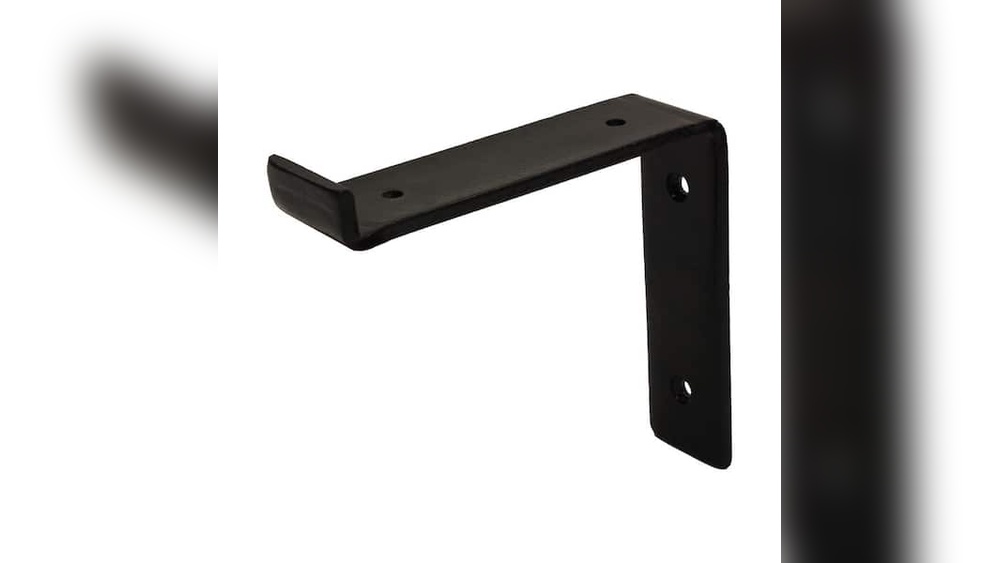
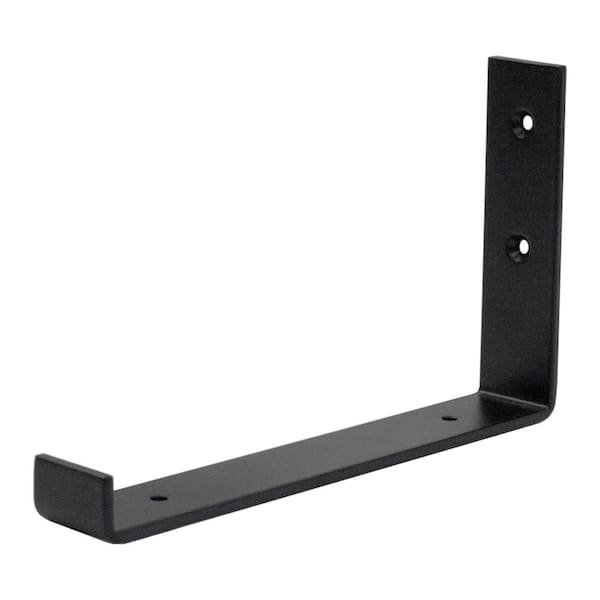
Carbon steel is strong and affordable. It has a simple composition with carbon and iron. This steel type supports heavy shelves well. It resists bending and breaking under pressure. Carbon steel brackets often have a painted or powder-coated finish. This finish protects against rust and wear. They work well for indoor shelves.
Stainless Steel
Stainless steel resists rust and corrosion. It contains chromium, which keeps it shiny and clean. This steel type suits humid or wet areas. Stainless steel brackets last long in kitchens and bathrooms. They need less maintenance than carbon steel. These brackets offer a modern look with smooth surfaces.
Alloy Steel
Alloy steel mixes different metals to improve strength. It often includes elements like nickel, chromium, or molybdenum. This steel type handles heavy loads and tough conditions. Alloy steel brackets are ideal for industrial or outdoor use. They balance toughness with resistance to corrosion. These brackets provide extra durability where needed.
Credit: www.homedepot.com
Properties Affecting Steel Choice
Choosing the right steel for shelf brackets depends on several important properties. These properties affect how well the bracket holds weight, resists damage, and fits in different spaces. Understanding these qualities helps in picking steel that lasts long and works well.
Strength And Durability
Steel must be strong enough to support heavy shelves. Strong steel prevents bending or breaking under weight. Durability means the steel stays tough over time. It resists wear and tear from daily use. Good strength and durability keep shelves safe and steady.
Corrosion Resistance
Steel can rust when exposed to moisture or air. Corrosion resistance stops rust from damaging the bracket. Stainless steel often resists corrosion well. Coated steel may also protect against rust. This property is key for shelves in damp places like kitchens.
Weight And Thickness
The steel’s weight affects how heavy the bracket feels. Thicker steel adds strength but also weight. Thin steel is lighter but may not hold as much. Finding a balance between thickness and weight ensures easy installation and strong support.
Steel Grades And Their Uses
Steel is the main material for shelf brackets. Different steel grades suit different needs. Each grade offers strength, durability, and resistance to rust. Choosing the right steel grade ensures long-lasting brackets. It depends on where and how the shelves will be used.
Some steels are simple and cost-effective. Others resist corrosion better. Some grades work well indoors. Others handle outdoor or wet environments. Understanding steel grades helps pick the best shelf bracket.
Mild Steel Grades
Mild steel is a common choice for shelf brackets. It is strong and easy to shape. This steel grade is affordable and widely available. Mild steel brackets work well inside dry rooms. They can hold heavy loads without bending. However, mild steel can rust if wet. Painting or coating prevents rust on mild steel.
304 Stainless Steel
304 stainless steel offers better resistance to rust. It contains chromium and nickel. This steel grade suits indoor and outdoor use. It resists stains and corrosion well. Shelf brackets made of 304 stainless steel last longer. They keep their shine without much care. This grade is ideal for kitchens and bathrooms.
316 Stainless Steel
316 stainless steel is the strongest rust-resistant type. It has extra molybdenum to fight corrosion. This steel works well near saltwater or harsh weather. Shelf brackets made from 316 stainless steel resist rust better. They are perfect for coastal homes or outdoor shelves. This grade costs more but lasts the longest.

Credit: www.amazon.com
Finishes And Coatings
Finishes and coatings protect steel shelf brackets from rust and wear. They also improve the look and lifespan of the brackets. Different types of finishes suit various environments and uses. Choosing the right coating keeps your shelf brackets strong and attractive.
Powder Coating
Powder coating covers steel with a dry powder. This powder melts and forms a smooth, tough layer. It resists scratches, chips, and fading. Powder coating comes in many colors. It is ideal for indoor and outdoor brackets.
Galvanizing
Galvanizing adds a zinc layer to steel. This layer stops rust from forming. It works well for outdoor use or damp areas. Galvanized brackets can last many years without damage. The coating looks shiny or matte silver.
Paint And Plating
Paint creates a colorful, protective barrier on steel. It prevents moisture and air from reaching the metal. Plating uses thin metal layers like chrome or nickel. These layers add shine and stop corrosion. Both paint and plating help brackets last longer.
Factors Influencing Steel Selection
Choosing the right steel for shelf brackets depends on several key factors. These factors affect the bracket’s strength, durability, and look. Understanding these points helps in picking the best steel type for your needs.
Indoor Vs Outdoor Use
Steel for indoor shelves does not need heavy rust protection. Mild steel works well inside. For outdoor shelves, steel must resist weather damage. Stainless steel or galvanized steel is best for outside use. These steels prevent rust and last longer in wet conditions.
Load Capacity Requirements
The steel must hold the weight of the items on the shelf. Heavy items need stronger steel like carbon steel. Light objects can use thinner, less strong steel. Checking the shelf’s load capacity helps pick the right steel type. Safety depends on this choice.
Aesthetic Considerations
Steel brackets come in various finishes and styles. Some steels have a smooth, shiny look. Others have a rough, industrial feel. Choose steel that matches your room’s style. Paint or powder coating can change the color and texture too.
Manufacturing Processes
Shelf brackets need strong and precise manufacturing to hold weight well. Steel is the common choice for shelf brackets due to its durability. The manufacturing process shapes steel into sturdy brackets that fit shelves perfectly. Each step ensures the bracket can support heavy loads safely.
Cutting And Shaping
Steel sheets or bars are cut into the right size using saws or lasers. Laser cutting offers clean edges and precise shapes. After cutting, machines bend or stamp the steel into bracket forms. This shaping process creates holes for screws and designs that add strength.
Welding Techniques
Some brackets require welding to join different steel parts. Welding methods like MIG or TIG create strong bonds between pieces. These bonds keep brackets stable under pressure. Skilled welders ensure neat, even joints without weak spots.
Heat Treatment
Heat treatment changes steel’s properties to improve strength and hardness. Brackets may be heated and then cooled quickly to make steel tougher. This process also helps brackets resist bending or breaking. Proper heat treatment extends the shelf bracket’s lifespan.
Comparing Steel With Other Materials
Shelf brackets need strength and durability to hold weight safely. Steel is a popular choice because it offers these qualities. Other materials like aluminum, plastic, and composites also serve as options. Comparing steel with these materials helps understand which fits best for shelf brackets.
Aluminum Vs Steel
Aluminum is lighter than steel. This makes it easier to handle and install. It also resists rust well, which is good for humid areas. Steel, on the other hand, is stronger and can hold heavier items. It may rust if not coated or painted. Steel brackets tend to last longer under heavy loads. Aluminum brackets work best for light to medium loads.
Plastic And Composite Alternatives
Plastic brackets are cheap and easy to find. They do not rust and come in many colors. Yet, they are not very strong. Plastic can crack or break under heavy weight. Composite materials mix plastic with fibers for extra strength. They resist weather and corrosion better than plain plastic. Still, composites usually do not match steel’s strength for heavy shelves. Plastic and composites suit light-duty shelves or decorative use.

Credit: shelfology.com
Frequently Asked Questions
What Type Of Steel Is Best For Shelf Brackets?
Shelf brackets are commonly made from carbon steel due to its strength and durability. It supports heavy loads and resists bending. Some brackets use stainless steel for corrosion resistance, especially in humid areas. Choosing steel depends on weight needs and environmental conditions.
Why Is Stainless Steel Used In Shelf Brackets?
Stainless steel is popular for shelf brackets because it resists rust and corrosion. It maintains strength in moist or outdoor settings. This steel type requires less maintenance and offers a sleek, modern look. It’s ideal for kitchens, bathrooms, or outdoor shelves.
How Strong Is Carbon Steel For Shelf Brackets?
Carbon steel is very strong and reliable for shelf brackets. It can hold heavy items without bending or breaking. Its high tensile strength ensures long-lasting support. This makes it a preferred choice for both residential and industrial shelving.
Are Alloy Steels Used In Shelf Brackets?
Yes, alloy steels are used in some shelf brackets to enhance strength and durability. They contain elements like chromium or nickel, improving corrosion resistance and toughness. Alloy steel brackets are suitable for heavy-duty applications or harsh environments.
Conclusion
Steel shelf brackets need strength and durability to hold weight well. Mild steel and stainless steel are common choices. Mild steel offers good support and is cost-friendly. Stainless steel resists rust and looks clean. Choosing the right steel keeps shelves safe and long-lasting.
Think about where you will use the brackets and the weight they must hold. This helps pick the best steel type for your shelves. Solid steel brackets make shelves sturdy and reliable every day.