Securing your safe to the wall is one of the smartest steps you can take to protect your valuables. You want to be sure that your important documents, cash, or jewelry stay exactly where you put them—safe and sound.
But how do you do this without the safe tipping over or being easily removed? You’re in the right place. In this guide, you’ll discover simple, effective ways to anchor your safe to the wall, giving you peace of mind and extra security.
Keep reading, and you’ll learn everything you need to know to make your safe truly secure.
Choosing The Right Anchor
Choosing the right anchor is key to securing a safe to your wall. The right anchor keeps the safe steady and prevents damage to your wall. It depends on the wall type and the safe’s weight. Picking the wrong anchor can cause accidents or wall damage.
Types Of Wall Anchors
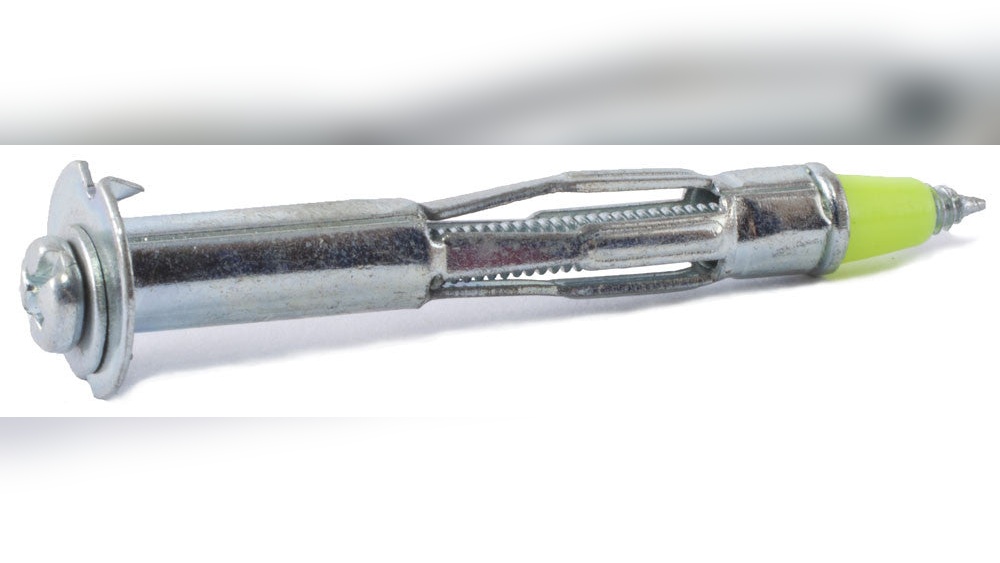
There are many wall anchors. Plastic expansion anchors work well for light loads. Metal anchors offer more strength and durability. Toggle bolts spread the load across a larger area. Molly bolts expand inside the wall for a strong hold. Choose an anchor based on your needs.
Matching Anchors To Wall Material
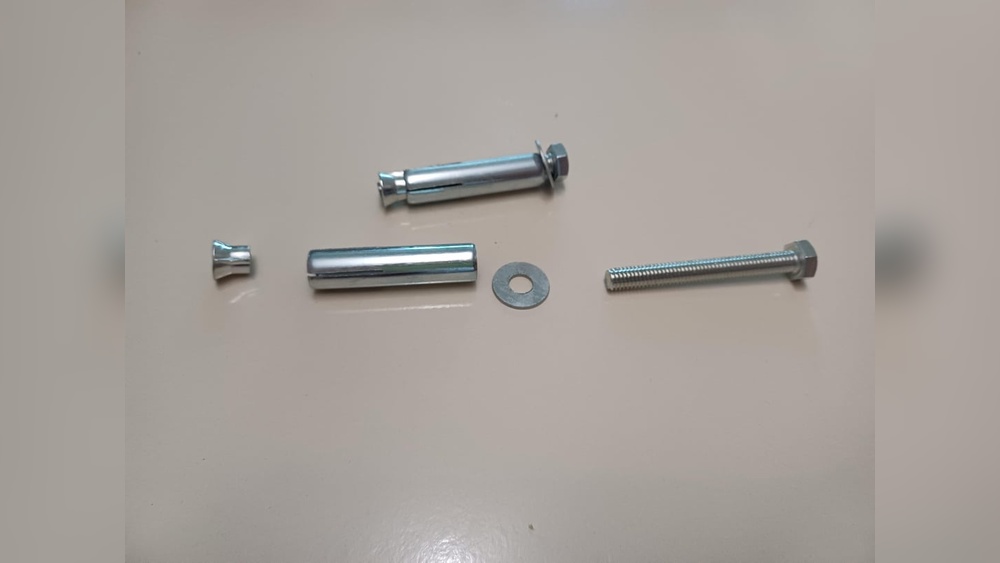
Different walls need different anchors. Drywall anchors work for hollow walls but not heavy loads. Concrete and brick walls need heavy-duty anchors like sleeve anchors. Wood walls require wood screws or lag bolts. Match the anchor type to your wall for the best hold.
Weight Capacity Considerations
Check the anchor’s weight rating. The safe’s weight should never exceed the anchor’s limit. Use anchors rated for more than your safe’s total weight. This keeps the safe secure and prevents accidents. Always allow extra capacity for safety.
Tools And Materials Needed
Anchoring a safe to the wall requires the right tools and materials. Having these ready makes the job easier and safer. This section covers what you need before starting the work.
Essential Tools
Start with a drill to create holes in the wall. Use a masonry bit for concrete or brick walls. A wrench or socket set helps tighten bolts securely. A tape measure ensures accurate placement. A pencil or marker marks drill points. A level keeps the safe straight on the wall. Keep all tools close to avoid interruptions.
Safety Equipment
Wear safety goggles to protect eyes from dust and debris. Gloves prevent cuts and improve grip. Use a dust mask to avoid inhaling particles. Ear protection helps if drilling for long periods. Safety gear keeps you safe and comfortable during work.
Preparing Your Workspace
Clear the area around the wall and floor. Remove any obstacles that block access to the wall. Lay down a drop cloth to catch dust and debris. Make sure the space has good lighting. Keep tools and materials within reach for easy use. A tidy workspace speeds up the process.
Preparing The Wall
Preparing the wall is the first step to anchor your safe securely. A strong and stable surface keeps the safe from tipping or theft. Proper preparation makes the installation easier and safer.
Locating Studs And Solid Surfaces
Studs are wooden or metal beams inside the wall. They provide a sturdy base for heavy items. Use a stud finder to locate these beams. Move the finder slowly across the wall. Mark the edges of each stud for accuracy. Avoid drywall or hollow spaces that cannot hold weight.
Marking Anchor Points
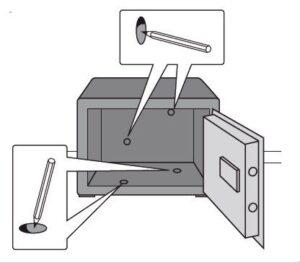
After finding studs, mark exact points to drill. Use a pencil to make small dots on the wall. Place marks where the safe’s mounting holes align. Double-check measurements for even spacing. Clear and precise marks help prevent mistakes during drilling.
Drilling Pilot Holes
Use a drill bit smaller than the anchor screws. Pilot holes guide screws and reduce wall damage. Drill straight into the marked points on the studs. Keep the drill steady for clean holes. Avoid pushing too hard to stop cracks or splinters.

Credit: www.talbrossealing.com
Installing Different Types Of Anchors
Installing anchors properly ensures your safe stays secure on the wall. Different anchors suit different wall types and weights. Choosing the right anchor helps prevent damage and keeps the safe steady. Below are common anchors and how to install them.
Plastic Expansion Anchors
Plastic expansion anchors work well in drywall and light walls. First, drill a hole matching the anchor size. Push the plastic anchor into the hole until flush with the wall. Then, insert the screw through the safe bracket into the anchor. As the screw tightens, the anchor expands, gripping the wall firmly.
Toggle Bolts
Toggle bolts are strong and ideal for hollow walls. Drill a hole large enough for the toggle wings to pass through. Fold the wings and push the bolt into the hole. The wings open inside the wall, creating a wide grip. Tighten the bolt to hold the safe securely against the wall.
Molly Bolts
Molly bolts are metal anchors good for drywall and plaster. Drill a hole slightly smaller than the bolt sleeve. Insert the molly bolt and tighten the screw to expand the sleeve behind the wall. Remove the screw, attach the safe bracket, then reinsert the screw to lock the safe in place.
Sleeve Anchors
Sleeve anchors are best for masonry walls like brick or concrete. Drill a hole into the masonry to the anchor’s diameter and depth. Insert the sleeve anchor and tap it lightly to set. Tighten the nut to expand the sleeve, locking it tightly in the wall. Attach the safe bracket using the anchor bolt.
Securing The Anchor And Safe
Securing the anchor and safe is a crucial step to protect your valuables. A well-secured safe stays firmly in place. It prevents theft and damage. Follow these steps carefully to ensure a strong hold.
Aligning The Safe
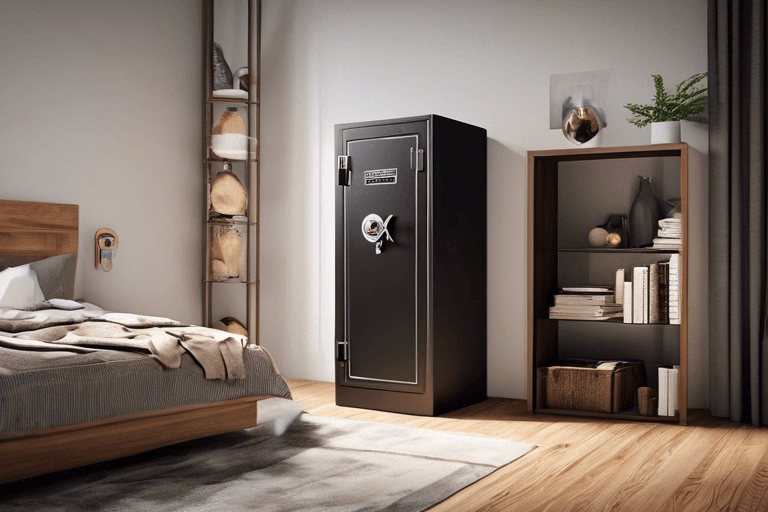
Place the safe close to the wall where you want it. Make sure the anchor holes line up with the wall studs or solid surface. Check the safe’s position twice. Proper alignment makes the next steps easier and safer.
Tightening Fasteners
Use heavy-duty bolts or screws to attach the anchor to the wall. Tighten each fastener firmly with a wrench or drill. Do not overtighten; stop when secure. Tight fasteners keep the safe from moving or tipping over.
Double Checking Stability
Push the safe gently from different sides. It should not wobble or shift. Check all fasteners again for tightness. Stability ensures the safe stays locked in place even under pressure.
Credit: guardiansafeandvault.com
Tips For Long-term Security
Keeping a safe anchored to the wall is only the first step. Long-term security depends on ongoing care and smart choices. The safe should stay firmly in place and resist attempts to move or tamper with it. Follow these tips to maintain strong security over time.
Regular Inspections
Check the safe and its mounting at least twice a year. Look for any signs of loosening bolts or screws. Make sure the wall around the anchor is not cracking or breaking. Tighten any loose parts immediately. Regular checks prevent small problems from turning into big risks.
Preventing Tampering
Use tamper-proof bolts or screws to secure the safe. These are harder to remove with common tools. Keep the area around the safe clear and well-lit. A visible safe deters thieves from trying to tamper with it. Consider installing a security camera nearby for extra protection.
Environmental Considerations
Place the safe away from damp or humid areas. Moisture can weaken the wall and damage the safe over time. Avoid spots that get direct sunlight or extreme heat. These conditions can affect the safe’s locking mechanism. Choose a stable, dry wall for the best long-term hold.
Credit: www.simplysafes.co.uk
Frequently Asked Questions
How Do I Choose The Right Wall For Anchoring A Safe?
Choose a solid wall like concrete or brick to anchor your safe. Avoid drywall or hollow walls for better security. Ensure the wall can support the safe’s weight to prevent accidents or theft.
What Tools Are Needed To Anchor A Safe To The Wall?
You need a drill, masonry bit, anchor bolts, a wrench, a level, and a pencil. These tools help secure the safe safely and precisely to the wall.
Can I Anchor A Safe To Drywall Securely?
No, drywall is not strong enough for safe anchoring. Use studs behind the drywall or choose a solid wall like concrete for better security.
How High Should I Install A Wall-anchored Safe?
Install the safe at a comfortable height for easy access. Typically, eye to waist level is ideal for both security and convenience.
Conclusion
Anchoring your safe to the wall keeps it secure and stable. Choose the right tools and find a strong spot on the wall. Measure carefully and drill holes with caution. Tighten the bolts firmly to hold the safe in place.
This simple process helps protect your valuables from theft or accidents. Stay patient and follow each step clearly. Your effort brings peace of mind and safety to your home. Safe anchoring is worth the time and care you put in.