Are you tired of struggling to hang heavy items on your walls, only to have them fall down? Plastic toggle wall anchors might be the simple solution you’ve been looking for.
These small tools can hold strong in drywall, giving your shelves, mirrors, or decorations the support they need. In this guide, you’ll learn exactly how to install plastic toggle wall anchors quickly and easily—even if you’ve never done it before.
Keep reading, and by the end, you’ll have the confidence to secure your walls like a pro.

Credit: www.youtube.com
Choosing The Right Toggle Anchors
Choosing the right plastic toggle wall anchors is important for a strong hold. Different anchors suit different wall types and weights. Picking the correct anchor prevents damage and keeps items secure. This guide helps you find the best toggle anchors for your project.
Types Of Plastic Toggle Anchors
Plastic toggle anchors come in several types. Wing toggles open inside the wall for a firm grip. Snap toggles have a simple design and easy installation. Some anchors use expanding sleeves to hold tight in drywall. Each type fits different wall materials and projects.
Weight Capacity And Size
Anchors have weight limits. Choose anchors that hold more than your item’s weight. Small anchors work for light items like picture frames. Large anchors support heavy shelves or mirrors. Size and weight capacity ensure safety and stability.
Tools Required
Installing plastic toggle anchors needs a few tools. A drill makes holes in the wall. A screwdriver helps tighten screws. A measuring tape keeps holes straight and even. Having these tools ready makes installation faster and easier.
Preparing The Wall
Preparing the wall is the first step in installing plastic toggle wall anchors. It ensures the anchors hold firmly and your item stays secure. Take your time to get this step right. Proper preparation saves effort later and avoids damage to the wall.
Locating The Studs
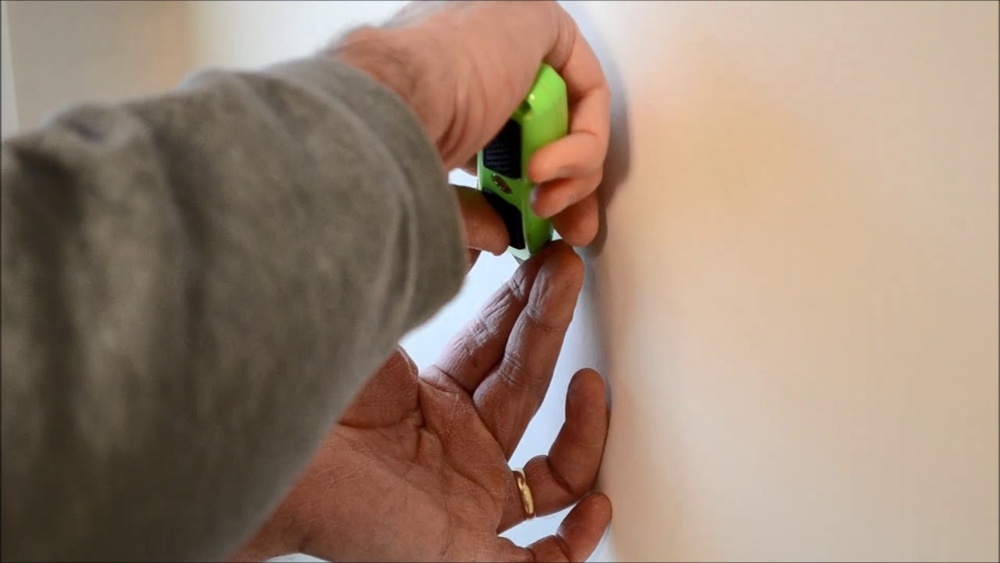
Studs are wooden or metal beams behind the drywall. Anchors work best when placed away from studs. Use a stud finder to find them. Move the finder slowly across the wall. Mark the edges of each stud with a pencil. This helps avoid drilling into them by mistake.
Marking Drill Points
Measure and mark the exact spot for each anchor. Use a pencil to make small marks on the wall. Double-check the spacing to keep things even. Check that marks are not over studs. Clear marks make drilling faster and more accurate.
Selecting Drill Bit Size
Choose a drill bit that matches the size of the anchor. The hole should be just wide enough for the anchor to fit snugly. Too big a hole means the anchor will not hold. Too small makes it hard to insert the anchor. Refer to the anchor packaging for the correct drill bit size.
Drilling The Hole
Drilling the hole is a key step in installing plastic toggle wall anchors. A clean, correctly sized hole ensures the anchor fits tightly. This makes the anchor strong and stable. Follow simple steps to drill safely and accurately.
Safety Precautions
Wear safety goggles to protect your eyes from dust and debris. Use a mask if the wall material creates fine dust. Keep your hands away from the drill bit. Check the wall for wires or pipes before drilling. Use a stud finder to avoid hitting electrical or plumbing lines.
Drilling Technique
Choose a drill bit that matches the anchor size exactly. Hold the drill steady and start drilling slowly. Keep the drill straight to avoid angled holes. Drill to the depth recommended on the anchor packaging. Stop and check the hole depth with a pencil or marker.
Cleaning The Hole
Remove dust and loose particles from the hole using a brush or a vacuum. Wipe around the hole to clear any wall dust. A clean hole helps the anchor grip the wall better. This improves the anchor’s holding power and prevents slipping.

Credit: toggler.com
Installing The Toggle Anchor
Installing the toggle anchor is a simple process that makes wall mounting strong and secure. This section breaks down each step clearly. Follow these steps carefully to ensure a firm hold on your wall.
Inserting The Anchor
Start by drilling a hole in the wall. The hole size must fit the toggle anchor. Push the folded toggle anchor through the hole gently. Make sure the toggle fits inside the wall cavity completely.
Engaging The Toggle Mechanism
Once inside, the toggle will open up like wings. Pull the anchor back lightly until you feel resistance. This means the toggle is flat against the inside wall. This action locks the anchor in place behind the wall.
Securing The Anchor
Hold the anchor steady and tighten the screw slowly. This pulls the toggle tight against the wall. Keep tightening until the anchor feels firm. Do not overtighten, or the wall might get damaged.
Mounting Fixtures
Mounting fixtures on walls using plastic toggle anchors ensures a strong hold. These anchors spread the load inside the wall, making them ideal for heavy items. Proper mounting keeps your fixtures secure and prevents damage.
Aligning With Anchor
Start by matching the fixture holes with the installed anchors. Hold the fixture close to the wall. Carefully insert screws into the anchor holes. Make sure the screws go straight to avoid misalignment.
Tightening Screws
Use a screwdriver to tighten the screws slowly. Turn each screw a little at a time. Avoid over-tightening to prevent damage to the wall or anchor. Tighten until the fixture feels firm and secure.
Testing Stability
Gently shake the fixture to check its hold. It should not move or wiggle. If it feels loose, tighten the screws more. A stable fixture means the toggle anchors work well.

Credit: www.youtube.com
Troubleshooting Common Issues
Troubleshooting common problems during plastic toggle wall anchor installation helps secure your fixtures properly. Small mistakes can cause issues like spinning anchors, loose fittings, or wall damage. Fixing these problems is simple with the right steps.
Anchor Spins In Hole
An anchor that spins means it cannot grip the wall. This happens if the hole is too big. Use a drill bit that matches the anchor size. If the hole is already large, try a larger anchor or fill the hole with some wall filler first. Let it dry before reinstalling the anchor.
Loose Fixtures
Loose fixtures show the anchor did not expand correctly behind the wall. Check if the toggle part opened fully inside the wall. Insert the screw slowly and stop if you feel resistance. Tighten the screw evenly to keep the fixture secure. Avoid overtightening to prevent damage.
Damaged Wall Surface
Wall damage happens when the hole is too big or the anchor is forced in. Use gentle pressure when drilling and inserting the anchor. If the wall crumbles, patch the hole with spackle and let it dry. Drill a new hole nearby, but not too close to the old one.
Tips For Longevity
Plastic toggle wall anchors provide strong support for hanging items. To keep them working well for a long time, follow a few simple tips. These tips help prevent damage and ensure the anchors hold tight.
Avoid Over-tightening
Do not turn screws too hard. Over-tightening can break the plastic anchor. Tighten screws until snug and stop. This prevents cracks and keeps the anchor secure.
Regular Inspections
Check your anchors often. Look for cracks or looseness in the wall. Fix any problems early to avoid damage. Regular checks keep your items safe and stable.
Choosing Quality Anchors
Buy anchors made from strong plastic. Cheap anchors may break or fail fast. Quality anchors last longer and hold better. Always pick anchors that fit your wall type.
Frequently Asked Questions
What Tools Are Needed To Install Plastic Toggle Wall Anchors?
You need a drill, drill bit, screwdriver, and the plastic toggle wall anchors. These tools ensure a secure and easy installation.
How Do Plastic Toggle Wall Anchors Work?
They expand behind the wall after insertion, creating a strong grip to support heavy items safely.
Can Plastic Toggle Wall Anchors Hold Heavy Objects?
Yes, they can hold medium to heavy loads depending on wall type and anchor size.
How To Choose The Right Size Plastic Toggle Anchor?
Match the anchor size to your screw and the weight of the item you’re hanging.
Conclusion
Installing plastic toggle wall anchors is simple with the right steps. Drill a hole, insert the anchor, and tighten the screw carefully. These anchors hold items securely on drywall or hollow walls. Choose the right size for your project to ensure strength.
Take your time to avoid mistakes and damage. With practice, this task becomes quick and easy. Try it on small projects first to build confidence. Soon, you will hang shelves, pictures, or mirrors with ease and safety.