Have you ever struggled to keep your important papers neatly together? Fasteners for paper are simple tools that can solve this problem instantly.
They help you organize, secure, and manage your documents without the mess of loose sheets. If you want to know how these little devices can make a big difference in your daily work or study routine, keep reading. By the end of this article, you’ll understand exactly what fasteners for paper are and how they can make your life easier.

Credit: instrumentosonline.es
Types Of Paper Fasteners
Paper fasteners keep sheets of paper together. They come in many types. Each type has unique uses and benefits. Choosing the right fastener helps organize documents better. Below are common types of paper fasteners.
Staples And Staplers
Staples are small metal pieces that bind papers tightly. Staplers push staples through paper and fold the ends. They hold sheets firmly in place. Staples are great for permanent binding of documents.
Paper Clips
Paper clips are thin metal loops. They hold papers without piercing them. Clips allow easy removal and rearrangement of sheets. They work well for temporary or light paper holding.
Binder Clips
Binder clips are strong metal clamps with handles. They hold thick stacks of paper securely. The handles open and close the clip easily. Binder clips are reusable and provide strong grip.
Brads And Split Pins
Brads, or split pins, are metal fasteners with two prongs. They pass through paper holes and fold open to hold papers. Brads allow pages to turn like a book. They are useful for reports and crafts.
Plastic Fasteners
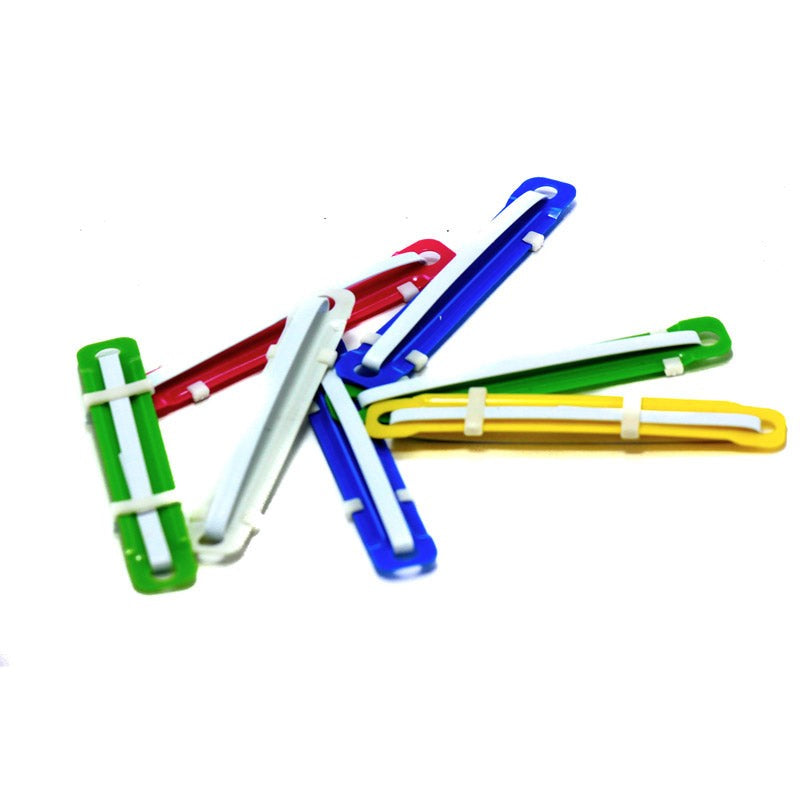
Plastic fasteners come in various shapes and sizes. They are lightweight and resistant to rust. Some types snap or twist to hold papers together. Plastic fasteners suit both office and school use.

Credit: www.reddit.com
Choosing The Right Fastener
Choosing the right fastener for paper helps keep documents neat and secure. The right fastener depends on several factors. These include the size of the document, how often you open it, the strength needed, and how it looks. Each factor guides your choice to fit your needs.
Document Size And Thickness
The size and thickness of your paper affect the fastener you need. Thin papers need small clips or staples. Thick documents require stronger fasteners like binder clips or prong fasteners. Choose a fastener that holds all pages without damage.
Frequency Of Access
How often you open your documents matters. For frequent use, easy-to-remove fasteners work best. Paper clips and binder clips allow quick access. For files you open less often, staples or prong fasteners keep pages secure longer.
Durability Needs
Durability depends on the document’s purpose. Important files need strong fasteners that do not break or rust. Metal fasteners offer long-lasting hold. Plastic fasteners can work but may wear out faster.
Aesthetic Considerations
The look of your fastener can affect presentation. Simple clips suit casual or internal documents. Sleek metal fasteners give a professional touch. Choose colors and styles that match your document’s tone.
Benefits Of Using Paper Fasteners
Using paper fasteners offers many benefits for managing documents. They help keep papers secure and tidy. Fasteners make handling and sorting papers easier in offices and schools. They save time and reduce the risk of losing important pages. Fasteners also cost less than many other binding tools.
Improved Organization
Paper fasteners keep documents neatly grouped. They prevent loose sheets from scattering or mixing. Users can easily find specific papers in a stack. Fasteners allow quick access and reordering of pages.
Easy Document Handling
Fasteners hold papers firmly together. This makes carrying and moving documents safer. They also help avoid damage like torn or bent pages. Fasteners allow adding or removing sheets without hassle.
Cost-effectiveness
Paper fasteners are inexpensive compared to other options. They last a long time with simple use. Offices can buy them in bulk for great savings. Fasteners reduce the need for costly folders or binders.
Space Saving
Fastened papers take up less space than bulky folders. They stack neatly on desks or shelves. Using fasteners helps keep work areas clean and clear. They allow storing many documents in small areas.
Tips For Effective Document Management
Effective document management makes finding papers easy and fast. It helps keep your work neat and saves time. Using fasteners for paper correctly plays a big role in organizing documents well. Here are some tips to manage your documents better with fasteners.
Labeling And Categorizing
Label each group of papers clearly. Use simple words that describe the content. This helps you find documents quickly. Categorize papers by topic, date, or project. It keeps related documents together and avoids confusion.
Using Color-coded Fasteners
Choose fasteners in different colors for each category. Colors make it easy to spot papers at a glance. For example, red fasteners for urgent files and blue for completed work. This system speeds up sorting and retrieval.
Regularly Reviewing And Updating
Check your documents often. Remove papers that are no longer needed. Update labels and categories if something changes. Regular review keeps your files accurate and useful.
Combining Fasteners With Folders
Use fasteners inside folders for extra security. Folders protect papers from damage and loss. Fasteners hold papers tightly together inside the folder. This combination keeps documents organized and safe.
Innovations In Paper Fasteners
Paper fasteners have evolved beyond simple metal clasps. Innovations focus on making them better for users and the environment. These new designs improve how we organize and protect documents.
Advances in materials and technology bring fresh ideas to paper fasteners. They are now more sustainable, reusable, and even smarter. These changes help reduce waste and increase convenience in everyday tasks.
Eco-friendly Materials
Many paper fasteners now use eco-friendly materials. Biodegradable plastics and recycled metals are common choices. These materials break down faster and reduce landfill waste. They help protect nature without losing strength or function.
Reusable Fasteners
Reusable fasteners save money and reduce waste. Users can open and close them many times. This feature works well for changing documents or temporary files. Reusable options often use durable materials that last longer.
Smart Fastening Solutions
Smart fastening solutions add convenience to paper management. Some fasteners include labels or color codes. Others have magnetic or clip systems for easy access. These features help users find and organize papers quickly.
Credit: officemono.com
Frequently Asked Questions
What Are The Common Types Of Paper Fasteners?
Common paper fasteners include staples, paper clips, brads, binder clips, and prong fasteners. Each type securely holds multiple sheets together and suits different document needs. They are easy to use and widely available in offices and schools.
How Do Paper Fasteners Improve Document Organization?
Paper fasteners keep papers neatly grouped, preventing loss or mixing. They make documents easy to handle, store, and transport. This improves workflow efficiency and reduces clutter on desks or in files.
Can Paper Fasteners Damage Documents?
Most paper fasteners cause minimal damage if used correctly. Staples may leave small holes, while clips generally don’t harm papers. Using the right fastener type and size helps protect documents during binding and storage.
Are Paper Fasteners Reusable?
Some paper fasteners, like binder clips and paper clips, are reusable. Staples and brads usually require removal tools and may not be reusable. Reusable fasteners are eco-friendly and cost-effective for temporary document binding.
Conclusion
Fasteners for paper help keep documents neat and organized. They come in many types, like staples, clips, and pins. Each type suits different needs and paper amounts. Choosing the right fastener makes handling papers easier. These small tools save time and reduce clutter.
Remember, simple fasteners improve your work and study space. Use them to keep papers secure and tidy every day.


