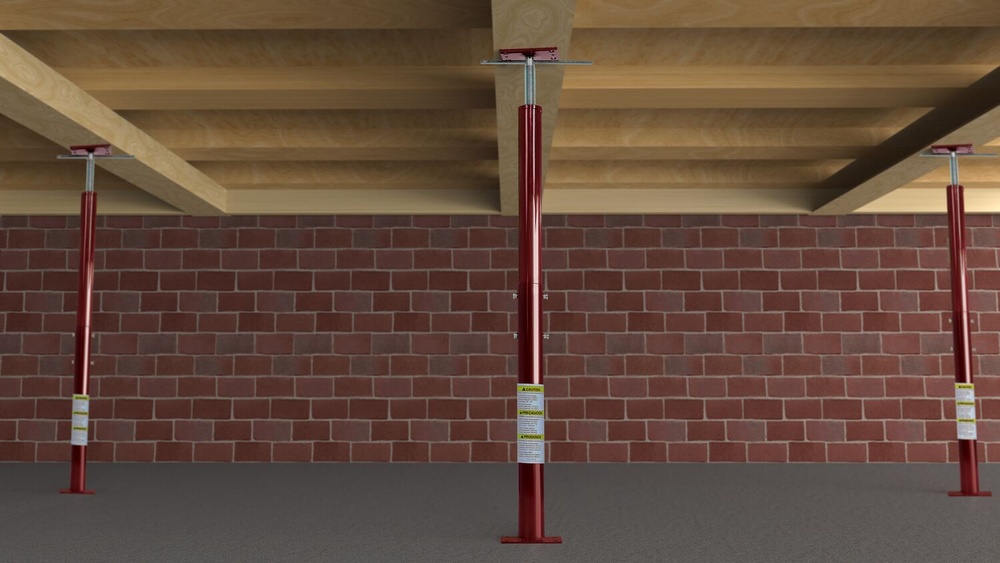
Are you dealing with a sinking or uneven basement floor? Using basement floor jacks might be the solution you need.
These simple tools can help lift and stabilize your basement floor, preventing further damage and saving you money on costly repairs. In this guide, you’ll learn exactly how to use basement floor jacks step-by-step, so you can take control of your home’s foundation.
Keep reading to discover how easy it can be to protect your basement and improve your living space.
Choosing The Right Basement Floor Jacks
Choosing the right basement floor jacks is key for a safe and effective project. The right jack supports your basement floor and keeps it stable. You must consider several factors to pick the best one. This guide helps you understand what to look for in floor jacks.
Types Of Floor Jacks
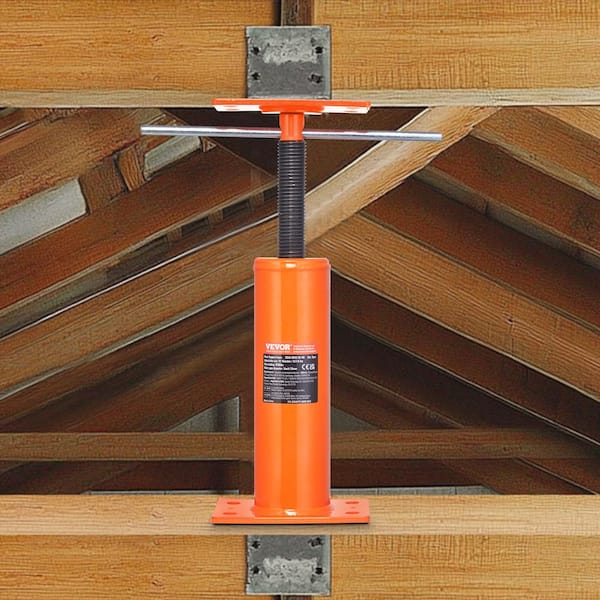
There are several types of basement floor jacks. Screw jacks use a threaded rod to lift and hold weight. Hydraulic jacks use fluid pressure to raise heavy loads easily. Telescoping jacks have adjustable heights for different ceiling levels. Choose the type that fits your space and lifting needs.
Weight Capacity Considerations
Every floor jack has a weight limit. This limit tells you how much weight the jack can safely hold. Always pick a jack with a capacity higher than your basement floor needs. This ensures safety and prevents damage during use. Check the manufacturer’s specifications before buying.
Materials And Durability
Floor jacks come in different materials like steel or aluminum. Steel jacks are strong and last longer. Aluminum jacks are lighter but may not be as durable. Consider the environment of your basement. Choose materials that resist rust and wear for longer life.
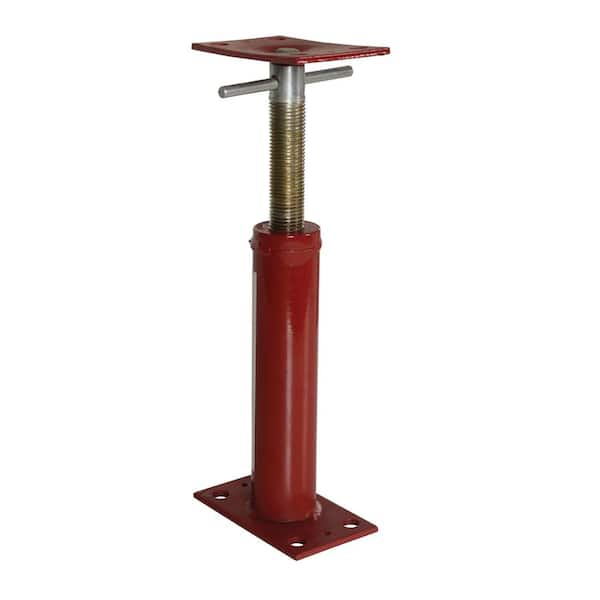
Credit: www.homedepot.com
Preparing Your Basement For Jack Installation
Preparing your basement for jack installation is an important step. It ensures safety and makes the job easier. Taking time to prepare helps prevent damage to your home. Follow these steps carefully before starting the work.
Clearing The Work Area
Remove all items from the basement floor. Move furniture, boxes, and other objects out of the way. Clear enough space to move freely and place the jacks. A clean area reduces the risk of accidents and damage.
Inspecting The Floor And Beams
Check the basement floor for cracks or uneven spots. Look at the beams and supports above for signs of damage. Identify weak areas that need extra attention. This inspection helps plan where to place the jacks safely.
Gathering Necessary Tools
Collect all tools needed before starting the job. Common tools include a hammer, wrench, level, and measuring tape. Have safety gear like gloves and goggles ready. Being prepared saves time and keeps the work smooth.
Setting Up Floor Jacks Safely
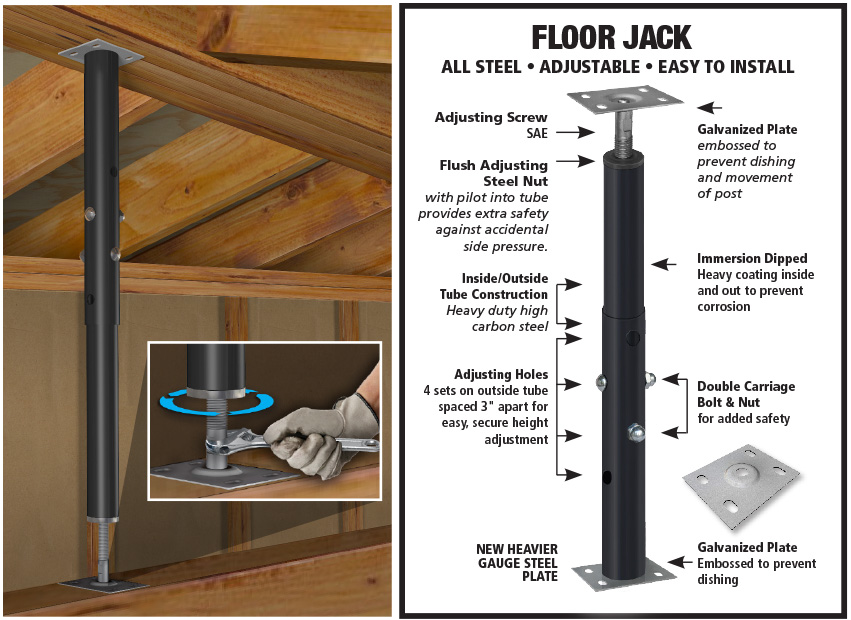
Setting up basement floor jacks safely is critical for a secure and stable repair job. Proper setup reduces risks and ensures the jacks perform as needed. Take time to position, adjust, and secure each jack carefully. Safety must be your top priority before lifting any weight.
Positioning The Jacks Correctly
Place the floor jacks on a solid, level surface. Avoid soft or uneven ground that can cause slipping. Position jacks under strong beams or load-bearing points only. Space the jacks evenly to distribute weight properly. Incorrect placement can lead to jack failure or damage.
Adjusting Height And Level
Adjust the jack height to fit snugly under the beam. Use the screw or hydraulic mechanism to raise the jack slowly. Check that each jack is perfectly vertical and level. Uneven jacks can cause unstable lifting and increase danger. Small adjustments help balance the load safely.
Securing The Jacks In Place
Lock the jacks in position once they reach the correct height. Use any locking pins or safety features provided. Place wooden blocks or metal plates between the jack and beam for extra grip. Double-check that the jacks do not shift or wobble. A secure setup prevents accidents during work.
Credit: anthonysupplyco.com
Operating Basement Floor Jacks
Operating basement floor jacks requires care and attention. These tools help lift and support floors during repairs or adjustments. Using them correctly keeps the work safe and effective. Follow clear steps to control the jacks and avoid problems.
Raising The Floor Slowly
Turn the jack handle slowly to raise the floor. Small, steady movements work best. Stop often to check how much the floor moves. Quick lifting can cause damage or make the floor unstable. Patience ensures a smooth, even lift.
Monitoring Stability
Watch the floor and jack closely as you raise it. Look for any shifts or tilts. The jack should stay firm on the ground. If the floor moves unevenly, stop immediately. Adjust the jack or add support to keep balance.
Avoiding Common Mistakes
Do not rush the lifting process. Avoid using damaged or weak jacks. Place the jack on a solid, flat surface only. Never lift beyond the jack’s capacity. Always check the jack’s position before each turn. These steps prevent accidents and damage.
Maintaining Floor Jacks For Longevity
Maintaining your basement floor jacks ensures they work safely and last longer. Regular care prevents damage and costly repairs. Simple steps keep jacks strong and ready for use.
Regular Inspection
Check floor jacks before each use. Look for cracks, rust, or bent parts. Test the lifting mechanism to ensure smooth action. Tighten any loose bolts or screws. Replace worn or damaged parts quickly.
Cleaning And Lubrication
Keep jacks clean from dirt and dust. Wipe surfaces with a dry cloth after use. Use light oil to lubricate moving parts. Avoid over-oiling to prevent dust buildup. Clean and oil the screw threads regularly.
Storage Tips
Store floor jacks in a dry place to stop rust. Keep them off the ground on a shelf or pallet. Cover jacks with a cloth or plastic sheet to block dust. Store with the jack lowered to reduce strain on parts.
Credit: www.pirouette-editions.fr
Troubleshooting Common Issues
Using basement floor jacks can sometimes lead to small problems. Knowing how to fix these issues helps keep your project safe and smooth. This section covers common problems and easy ways to solve them. Follow these tips to get the best results from your floor jacks.
Dealing With Jack Slippage
Jack slippage happens when the jack moves or slips under pressure. This can cause instability. Check the jack’s base for dirt or moisture. Clean the surface before use. Make sure the jack is on a flat, solid surface. Tighten all bolts and screws securely. Use a rubber pad under the jack to increase grip. Avoid overloading the jack beyond its weight limit.
Addressing Uneven Support
Uneven support causes the floor or structure to tilt or wobble. Place shims or wooden blocks to level the jack. Adjust the height carefully to balance the load. Check if the floor jack’s base is warped or damaged. Replace any parts that cause instability. Always lift slowly and watch for shifts in weight. Uneven support can damage your basement or tools.
When To Replace Floor Jacks
Floor jacks wear out over time and lose strength. Replace jacks if you see cracks, rust, or bent parts. If the jack leaks hydraulic fluid, stop using it immediately. Test the jack’s lifting ability regularly. Replace it if it fails to hold weight or moves unexpectedly. Using a damaged jack risks accidents and further damage. Invest in a new jack for safety and performance.
Frequently Asked Questions
What Is A Basement Floor Jack Used For?
A basement floor jack supports and lifts floor beams. It stabilizes sagging floors and prevents structural damage. It is essential for basement repairs and renovations.
How Do You Properly Place A Basement Floor Jack?
Place the jack under the floor beam or joist. Ensure it sits on a solid concrete floor. Adjust the height slowly to avoid sudden shifts or damage.
Can Basement Floor Jacks Fix Uneven Floors?
Yes, they can lift and level uneven floors. By adjusting the jack height, you can restore floor stability and evenness. This helps prevent further structural issues.
Are Basement Floor Jacks Safe To Use?
Yes, if used correctly. Always follow manufacturer instructions and safety guidelines. Avoid over-tightening and ensure the jack is stable before applying weight.
Conclusion
Basement floor jacks help keep your floor steady and safe. Use them with care and follow safety steps. Check the jack’s condition before each use. Place the jack properly to avoid damage. Tighten it slowly for the best support. Regularly inspect your basement floor for changes.
This simple tool can save you time and money. Stay safe and protect your home well. Simple actions make a big difference. Your basement will stay strong and secure.