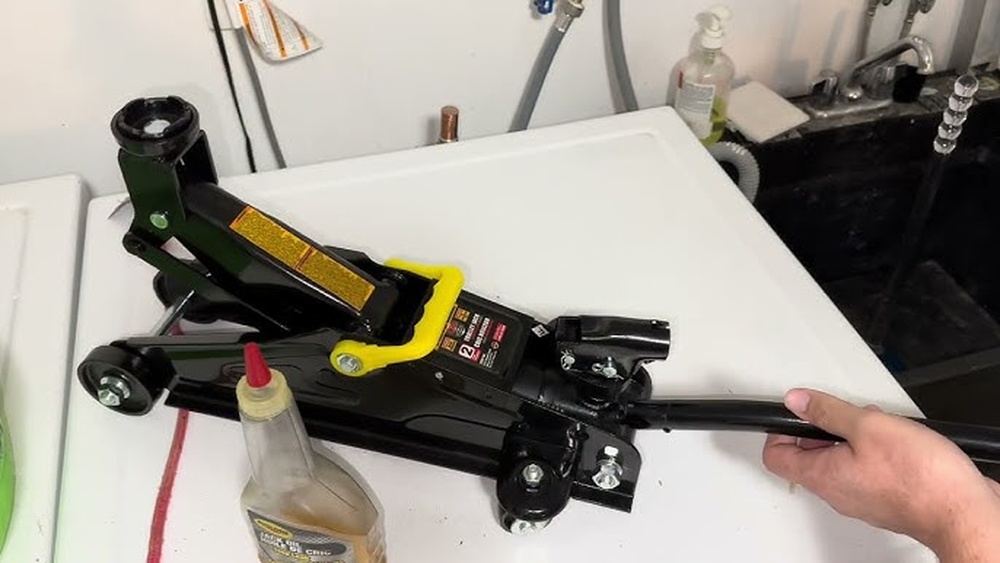
If you own a 2 ton hydraulic floor jack, you know how important it is to keep it working smoothly. But what happens when the jack starts to lose pressure or doesn’t lift as it should?
The answer might be simple: it needs a refill. Knowing how to refill your hydraulic floor jack correctly can save you time, money, and frustration. In this guide, you’ll learn easy steps to get your jack back in top shape quickly.
Keep reading, and you’ll never feel stuck with a weak jack again.
Tools And Materials Needed
Before refilling a 2 ton hydraulic floor jack, gather the right tools and materials. This step helps the process go smoothly and safely. Having everything ready saves time and prevents mistakes.
Hydraulic Jack Oil
Use the correct hydraulic oil made for floor jacks. Regular motor oil or other fluids can damage the jack. Check the owner’s manual for the recommended type.
Clean Cloth Or Rags
Keep clean cloths or rags nearby. They help wipe spills and clean the jack’s parts before refilling. Cleanliness prevents dirt from entering the hydraulic system.
Funnel Or Small Spout Container
A funnel or a container with a small spout makes pouring oil easier. It reduces spills and helps guide the oil into the jack’s reservoir accurately.
Wrench Or Screwdriver
Use a wrench or screwdriver to open the fill plug or cap. The tool needed depends on the jack model. Having the right tool avoids damage during the refill.
Safety Gloves
Wear safety gloves to protect your hands. Hydraulic oil can irritate skin or cause stains. Gloves keep your hands clean and safe during the refill process.

Credit: www.wikihow.com
Preparing The Floor Jack
Preparing the floor jack is an important step before refilling its hydraulic fluid. This process helps you avoid spills and keeps the jack in good working order. Taking time to prepare ensures safety and a smooth refill.
Positioning The Jack Safely
Place the jack on a flat, hard surface. Avoid soft or uneven ground that can cause instability. Make sure the jack is fully lowered to release pressure from the hydraulic system. Keep the area clear of tools and debris to prevent accidents.
Cleaning The Jack Surface
Wipe dirt and grease off the jack’s surface. Use a clean cloth and a mild cleaner. Removing grime prevents dirt from entering the hydraulic system during refill. Clean surfaces help you spot leaks or damage easily.
Locating The Hydraulic Fluid Reservoir
Knowing where the hydraulic fluid reservoir is on your 2 ton floor jack is key. This part holds the fluid that powers the jack’s lifting action. Finding it helps you refill the fluid correctly. This ensures your jack works smoothly and safely every time.
The reservoir is usually small and hidden under a cover or cap. It may look like a small round or square plug. You need to open this to add the hydraulic fluid. Knowing its location saves time and prevents mistakes during maintenance.
Check The Owner’s Manual
Your first step is to read the owner’s manual. This guide shows the exact spot of the reservoir. It also gives instructions on how to open it safely. Manuals often include pictures, which make it easier to find the reservoir.
Inspect The Main Body Of The Jack
Look closely at the main body of the jack. The reservoir is often near the pump handle. It may have a small cap labeled “hydraulic fluid” or just “oil.” This cap can be screwed off or popped open.
Look For A Small Cap Or Plug
Focus on finding a small cap or plug on the jack’s frame. This part seals the reservoir. It keeps the fluid inside and stops dirt from entering. Removing this cap lets you add or check the fluid level.
Use A Flashlight For Better Visibility
A flashlight helps if the reservoir is hard to see. Shine light around the jack’s body. This reveals hidden parts and labels. A clear view helps avoid mistakes while refilling fluid.

Credit: www.youtube.com
Draining Old Hydraulic Fluid
Draining old hydraulic fluid is an important step before refilling your 2 ton hydraulic floor jack. Removing the used fluid helps keep the jack working smoothly. Old fluid can get dirty and lose its power. This can damage the jack over time. Cleaning out the old fluid makes room for fresh hydraulic oil. This keeps the jack lifting safely and efficiently.
Removing The Drain Plug
Locate the drain plug on the bottom of the jack. Use a wrench to loosen the plug carefully. Have a container ready to catch the fluid. Let the old fluid drain out completely. Avoid tilting the jack too much. This helps prevent spills and keeps the process clean. After draining, replace the drain plug tightly. This stops leaks when you add new oil.
Proper Disposal Of Used Fluid
Used hydraulic fluid can harm the environment. Never pour it down drains or on the ground. Pour the old fluid into a sealed container. Take it to a local recycling center or hazardous waste facility. Many auto shops accept used hydraulic oil. Proper disposal helps protect nature and follows the law. Keep your workspace clean and safe during this step.
Choosing The Right Hydraulic Fluid
Choosing the right hydraulic fluid is key to keeping your 2 ton hydraulic floor jack working well. The fluid helps the jack lift heavy loads smoothly and safely. Using the wrong fluid can cause damage or reduce performance. This section explains how to pick the best hydraulic fluid for your jack.
Understanding Hydraulic Fluid Types
Hydraulic fluids come in different types. The most common are mineral oil-based, synthetic, and water-based fluids. Mineral oil fluids work well for most floor jacks. Synthetic fluids offer better temperature stability but cost more. Water-based fluids are less common and not usually recommended for jacks.
Checking Manufacturer Recommendations
Always check the jack’s manual for fluid advice. Manufacturers suggest specific fluid types for best results. Using their recommended fluid keeps the warranty valid. It also ensures the jack works as designed and lasts longer.
Considering Fluid Viscosity
Viscosity means how thick or thin the fluid is. Thicker fluids can handle heavier loads but may slow down the jack. Thinner fluids flow easily but might not support heavy lifting. Choose a fluid with the viscosity rating recommended for your jack.
Avoiding Common Mistakes
Do not mix different fluid types in the jack. Mixing can cause poor performance or damage seals. Never use brake fluid or motor oil as substitutes. These fluids do not have the right properties for hydraulic jacks.
Refilling The Hydraulic Fluid
Refilling the hydraulic fluid in a 2 ton floor jack keeps it working smoothly. The fluid helps the jack lift heavy objects safely and efficiently. Low fluid levels cause poor performance and possible damage. Proper refilling ensures the jack stays reliable and lasts longer.
Filling To The Correct Level
Open the jack’s reservoir cap carefully. Use a clean funnel to pour hydraulic fluid. Add the fluid slowly to avoid spills. Stop filling when the fluid reaches the recommended level. Check the level with the dipstick or the sight glass. Too little fluid can cause the jack to fail.
Avoiding Overfilling
Overfilling can damage the jack’s seals and valves. It can also cause leaks and reduce lifting power. Leave some space in the reservoir for fluid expansion. Clean any spilled fluid immediately to prevent slipping hazards. Always follow the manufacturer’s fluid level guidelines. Proper fluid amount means better jack performance and safety.
Bleeding Air From The System
Bleeding air from a 2 ton hydraulic floor jack is key for smooth lifting. Air trapped inside the system causes jerky or weak lifts. Removing this air improves the jack’s strength and reliability.
The process is simple and takes only a few minutes. It ensures the hydraulic fluid flows correctly. This section guides you through bleeding air to keep your jack working well.
Operating The Jack To Remove Air
Start by opening the release valve. Slowly pump the jack handle up and down. This motion pushes air bubbles out of the system. Repeat until you feel smooth resistance in the handle. Close the release valve tightly to keep air out.
Checking For Smooth Operation
After bleeding, test the jack’s lift action. Pump the handle and watch the jack rise steadily. The handle should move smoothly without jerks or drops. If the movement feels uneven, bleed the air again. Smooth operation means the system is free of air pockets.
Sealing And Final Checks
Sealing and final checks are important steps after refilling your 2 ton hydraulic floor jack. They keep the jack safe and ready to use. Proper sealing stops dirt and air from entering the reservoir. Final checks help find any problems early. Follow these steps carefully to keep your jack working well.
Replacing The Reservoir Cap
Put the reservoir cap back on tightly. Make sure the seal inside the cap is clean. A dirty seal can cause leaks. Turn the cap clockwise until it feels secure. Do not overtighten. The cap must fit snugly to keep fluid inside. A proper seal also stops air from entering the system.
Inspecting For Leaks
Look around the reservoir and pump for any fluid leaks. Check under the jack for drops of oil. Leaks can reduce the jack’s lifting power. Wipe the area dry and watch for fresh oil spots. Test the jack by pumping it a few times. If fluid seeps out, tighten connections or replace seals. Fix leaks before using the jack to avoid damage.
Maintenance Tips For Longevity
Proper maintenance keeps your 2 ton hydraulic floor jack working well for years. Small habits prevent big problems. Clean parts and good care help the jack perform safely and smoothly. Follow simple tips to extend its life and avoid costly repairs.
Regular Fluid Checks
Check the hydraulic fluid often. Low fluid causes poor lifting power. Open the fill plug and look inside. The fluid should reach the recommended level. Use the correct hydraulic oil type for your jack. Change the fluid if it looks dirty or thick. This keeps the system clean and stops damage.
Storage Recommendations
Store the jack in a dry place to stop rust. Keep it lowered when not in use. This reduces pressure on seals and parts. Cover the jack to protect it from dust and dirt. Avoid places with extreme heat or cold. Proper storage helps the jack stay ready for the next job.

Credit: www.amazon.com
Frequently Asked Questions
How Often Should I Refill Hydraulic Floor Jack Fluid?
Refill your hydraulic floor jack fluid every 6 to 12 months. Regular checks prevent air buildup and maintain smooth lifting performance. Always use the manufacturer-recommended hydraulic oil for best results and avoid damage to internal components.
What Type Of Fluid Is Best For A 2 Ton Jack?
Use high-quality hydraulic jack oil designed for floor jacks. Avoid brake fluid or motor oil, as they can damage seals. Refer to your jack’s manual to ensure the right fluid type and maintain proper functionality.
How Do I Check Fluid Level In A Hydraulic Jack?
To check fluid level, first lower the jack completely. Remove the fill plug and inspect inside the reservoir. Fluid should be near the top but not overflowing. Add fluid if the level is low, then securely replace the plug.
Can I Use Automotive Oil Instead Of Hydraulic Fluid?
No, automotive oil is not suitable for hydraulic jacks. Using incorrect fluid can cause seal damage and poor jack performance. Always use recommended hydraulic jack oil to ensure safety and longevity.
Conclusion
Refilling a 2 ton hydraulic floor jack keeps it working well. Use the right oil and follow safety steps carefully. Regular checks help avoid problems and extend the jack’s life. A well-maintained jack lifts safely and makes your work easier.
Take time to refill and care for your jack. Simple actions prevent costly repairs later. Keep your tools ready for any job.