If you need to lift your car safely and easily, knowing how to use a Sears hydraulic floor jack is a game-changer. You might feel unsure about handling this powerful tool, but once you learn the simple steps, you’ll gain confidence and save time on repairs or maintenance.
Imagine being able to lift your vehicle smoothly, without struggle or risk. This guide will walk you through everything you need to know, so you can use your Sears hydraulic floor jack like a pro. Keep reading—you’re just moments away from mastering a skill that makes car care easier and safer.
Credit: wearesuiters.com
Choosing The Right Hydraulic Floor Jack
Choosing the right hydraulic floor jack is important for safety and efficiency. A good jack must fit your vehicle and job needs. Picking the wrong type or size can cause accidents or damage. Understanding the options helps you make a smart choice.
Types Of Sears Hydraulic Floor Jacks
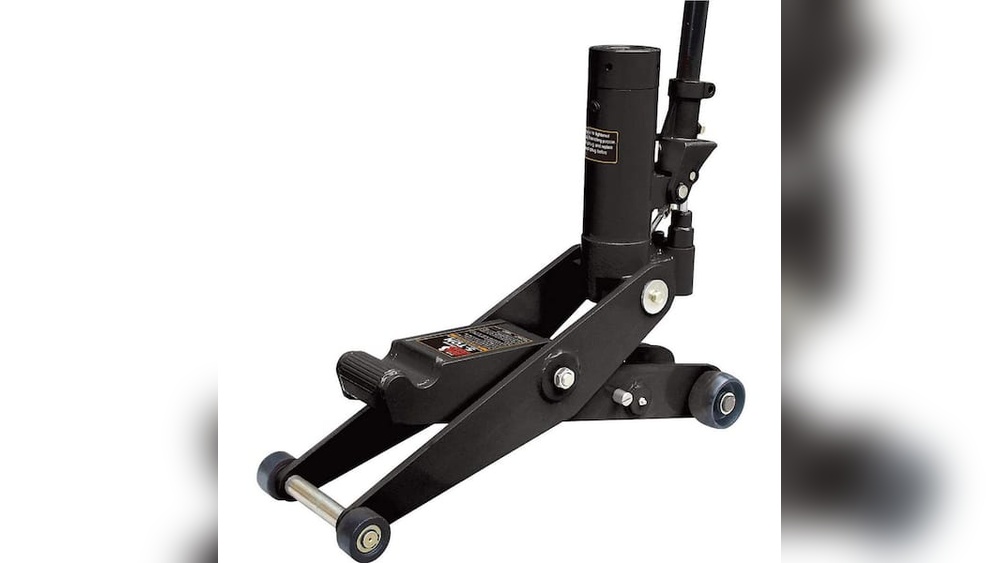
Sears offers several types of hydraulic floor jacks. The most common are the standard trolley jack and the low-profile jack. Trolley jacks have wheels and a long handle for easy movement. Low-profile jacks fit under cars with low ground clearance. Each type suits different vehicles and lifting tasks.
Weight Capacity And Size Considerations
Check the weight capacity before buying. Your jack should lift more than your vehicle’s weight. Too small a capacity can cause failure and risk injury. Size matters too. A compact jack is easier to store and move. A larger jack may offer more stability. Match size and capacity to your vehicle and workspace.
Preparing For Safe Lifting
Preparing for safe lifting is the first step before using a Sears hydraulic floor jack. It ensures your safety and protects your vehicle. Taking time to prepare can prevent accidents and damage. Follow these simple steps to get ready.
Inspecting The Floor Jack
Check the floor jack for any damage or leaks. Look at the hydraulic fluid level and refill if needed. Make sure the release valve works smoothly. Test the jack by pumping it without a load. Stop using it if you find cracks or rust.
Positioning Your Vehicle
Park your vehicle on a flat, solid surface. Avoid soft or sloped ground that can cause slipping. Set the parking brake to keep the vehicle still. Find the recommended lift points in your vehicle manual. Place the jack under these points for safe lifting.
Using Wheel Chocks And Safety Stands
Place wheel chocks behind the wheels that stay on the ground. This stops the vehicle from rolling during lifting. After raising the vehicle, use safety stands to support it. Never rely only on the floor jack for support. Safety stands keep you safe while working under the car.
Operating The Hydraulic Floor Jack
Operating a Sears hydraulic floor jack requires care and attention. This tool lifts heavy vehicles safely for repairs or maintenance. Proper use prevents damage to your car and ensures your safety. Follow these steps to operate the jack with confidence.
Locating The Jack Points
Find the jack points on your vehicle first. These are strong spots designed for lifting. Check your owner’s manual for exact locations. Usually, they are near the wheels or frame. Using the wrong spot can damage the car.
Proper Jack Placement
Place the jack under the correct jack point. Make sure the surface is flat and stable. Avoid soft or uneven ground to prevent slipping. Align the jack saddle directly under the lift point. This ensures steady and safe lifting.
Pumping The Handle Correctly
Start pumping the handle slowly and steadily. Use smooth, even strokes to raise the vehicle. Stop pumping when the tire is off the ground. Do not rush or force the handle. This protects the jack and keeps you safe.
Lowering The Vehicle Safely
Lowering a vehicle using a Sears hydraulic floor jack requires care and attention. Safety is the top priority. Follow each step carefully to avoid accidents or damage. A smooth, controlled descent keeps you and your vehicle safe.
Releasing The Hydraulic Pressure
Start by locating the release valve on the jack. Turn it slowly to let the hydraulic pressure drop. A gradual release prevents the vehicle from dropping quickly. Watch the vehicle as it lowers. Stop if anything feels unstable.
Ensuring Stability During Descent
Check the vehicle’s position on the jack before lowering. Make sure the jack’s base is firm on the ground. Avoid sudden movements that could shift the vehicle. Keep your hands and feet clear. Let the vehicle settle gently on the ground.
Maintaining Your Sears Hydraulic Floor Jack
Maintaining your Sears hydraulic floor jack is key to its long life. Proper care keeps it safe and ready for use. Neglecting maintenance can cause problems and reduce efficiency. Simple steps help your jack work smoothly every time.
Regular Cleaning And Lubrication
Clean your floor jack after each use. Wipe off dirt and grease with a cloth. Avoid water near the hydraulic parts. Lubricate all moving parts with light oil. This prevents rust and keeps the jack moving easily. Check the wheels and handle for smooth motion.
Checking Hydraulic Fluid Levels
Low hydraulic fluid causes poor lifting power. Check the fluid level regularly. Open the fill plug and look inside. Add hydraulic fluid if the level is low. Use the type recommended in the manual. Avoid overfilling to prevent leaks or damage. Bleed air from the system if lifting feels weak.
Storage Tips
Store your floor jack in a dry place. Keep it on a flat surface. Lower the jack fully before storing. Cover it to protect from dust and moisture. Avoid leaving heavy loads on the jack. Regular storage care prevents rust and damage. This keeps your jack ready for the next job.

Credit: www.youtube.com
Troubleshooting Common Issues
Troubleshooting common issues with your Sears hydraulic floor jack can save time and prevent damage. Knowing simple fixes helps keep your jack working well. Here are solutions for the most frequent problems.
Jack Not Lifting Properly
Check the hydraulic fluid level first. Low fluid can stop the jack from lifting. Add the right hydraulic oil if needed. Look for air trapped inside the system. Bleed the jack by opening the release valve and pumping the handle several times. This removes air and restores pressure. Inspect the lifting arm for damage or dirt. Clean or replace parts if necessary.
Hydraulic Fluid Leaks
Leaks happen when seals wear out or crack. Examine the jack for wet spots or puddles. Tighten loose bolts around the hydraulic cylinder. Replace damaged seals to stop leaks. Use the recommended hydraulic oil type to avoid seal damage. Leaks lower the jack’s lifting power and must be fixed quickly.
Handle Stiffness
A stiff handle makes pumping hard. Dirt or rust inside the handle joint causes stiffness. Clean the joints with a cloth and apply light oil. Check the handle’s pivot points and lubricate them. Make sure no parts are bent or broken. Replace worn parts to restore smooth handle movement.
Safety Tips For Using Hydraulic Floor Jacks
Using a Sears hydraulic floor jack requires careful attention to safety. This tool lifts heavy vehicles, so mistakes can cause serious injury. Follow these safety tips to protect yourself and others. Keep the work area clear and stable. Check the jack’s condition before use. Always stay alert while operating the jack.
Avoiding Overloading
Never lift more than the jack’s weight limit. Overloading can cause the jack to fail suddenly. Check the vehicle’s weight in the manual. Use a jack rated for your vehicle’s weight. Overloading puts you at great risk of accidents.
Never Working Under A Jacked Vehicle Without Stands
Never trust the jack alone to hold up a vehicle. Always place jack stands under the vehicle after lifting. Jack stands provide stable support and prevent falls. Remove the jack carefully after placing stands. Working under a vehicle without stands is extremely dangerous.
Wearing Protective Gear
Wear safety glasses to protect your eyes from debris. Use gloves to protect your hands from sharp parts and grease. Wear sturdy shoes to protect your feet from heavy objects. Proper gear reduces injury risks while working with the jack. Safety gear keeps you prepared for any mishap.

Credit: www.martinispa.com
Frequently Asked Questions
How Do I Operate A Sears Hydraulic Floor Jack Safely?
To operate safely, place the jack on a flat surface. Position the saddle under the vehicle’s lifting point. Pump the handle slowly to lift. Never go under the vehicle without jack stands. Lower the jack gently after work is done.
What Weight Capacity Does A Sears Hydraulic Floor Jack Have?
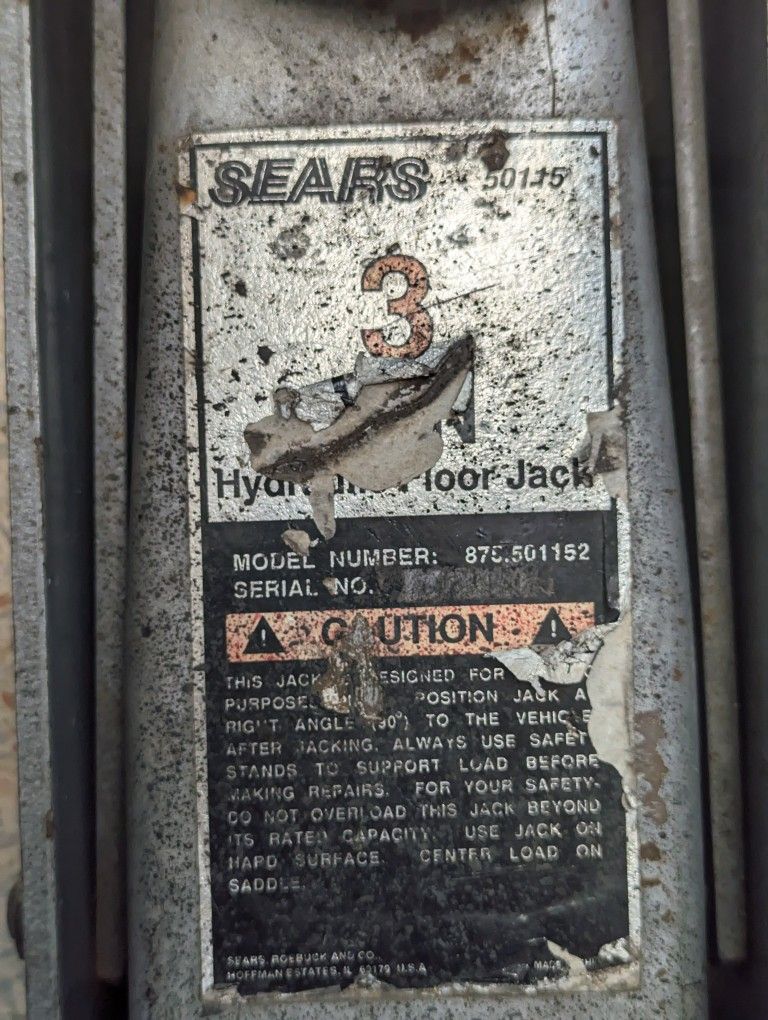
Sears hydraulic floor jacks typically support 2 to 3 tons. Always check your model’s label to confirm capacity. Never exceed the rated weight to avoid accidents or damage. Use the jack only for vehicles within its weight limit.
How Do I Maintain My Sears Hydraulic Floor Jack?
Regularly check hydraulic fluid levels and top up if low. Inspect for leaks and clean dirt from moving parts. Lubricate the wheels and pivot points frequently. Store the jack in a dry place to prevent rust. Proper maintenance ensures safety and longevity.
Can I Use A Sears Hydraulic Floor Jack On Uneven Ground?
No, always use the jack on a level, stable surface. Uneven ground can cause the jack to tip or slip. This is dangerous and can damage both the jack and vehicle. Use a concrete or solid floor for best results.
Conclusion
Using a Sears hydraulic floor jack makes lifting vehicles easier and safer. Always check the jack and car before starting. Position the jack correctly under the vehicle’s frame. Pump the handle slowly to lift the car steadily. Never go under the car without proper support stands.
Lower the car gently after finishing your work. Regular maintenance keeps the jack working well for a long time. Practice these steps to feel confident using your floor jack. Safety first, every time you use it. Simple, effective, and reliable tool for your garage.