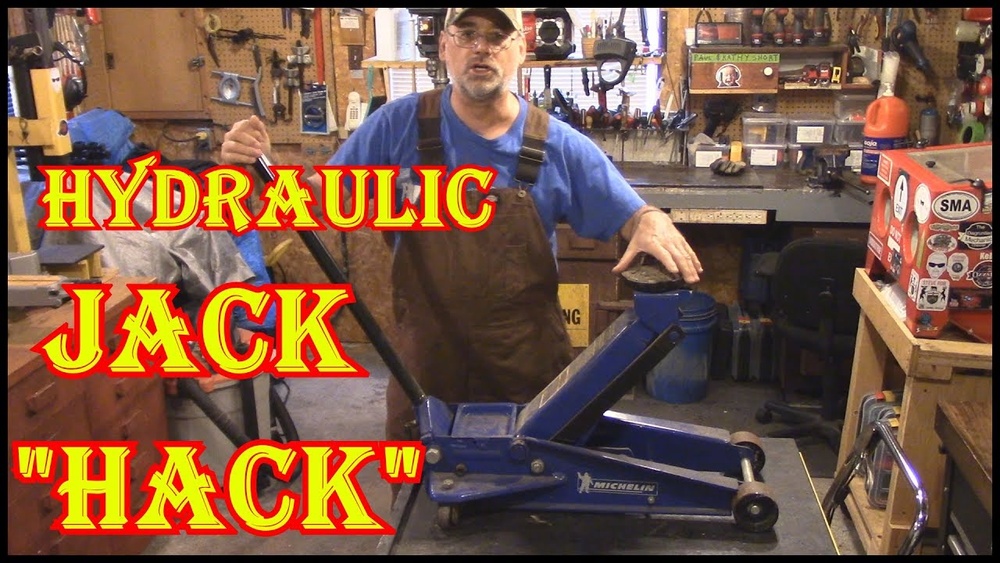
If you use a floor jack regularly, you know how important it is to keep it in good working order. One key step is making sure your floor jack has the right amount of oil.
Without proper oil levels, your jack might not lift smoothly or could even get damaged. But don’t worry—filling floor jack oil is easier than you think. In this guide, you’ll learn simple, step-by-step instructions to top up your floor jack oil safely and correctly.
Keep reading, and you’ll be able to maintain your jack like a pro, saving time and avoiding costly repairs.

Credit: www.wikihow.com
Choosing The Right Oil
Choosing the right oil for your floor jack is key to keeping it working well. The oil helps the jack lift heavy loads smoothly and safely. Using the wrong oil can cause damage and reduce the jack’s life. Knowing what type of oil to use helps you maintain your jack properly and avoid costly repairs.
Types Of Hydraulic Oil
Hydraulic oils come in different types. The most common are mineral-based and synthetic oils. Mineral-based oils work well for many floor jacks and are usually less expensive. Synthetic oils offer better performance at extreme temperatures and last longer. Some jacks may need special hydraulic fluids designed for their parts. Choosing the correct type keeps the jack running smoothly.
Checking Manufacturer Recommendations
Always check the floor jack’s manual for oil advice. The manufacturer knows what oil fits best. The manual lists the exact type and grade of oil. Using the recommended oil helps avoid leaks and wear. It also keeps the warranty valid. If the manual is lost, check the brand’s website or contact customer service for guidance.
Oil Viscosity And Quality
Viscosity means how thick or thin the oil is. Floor jacks need oil with the right viscosity to work well. Too thick oil can slow the jack, and too thin oil may not protect parts. High-quality oil flows easily and keeps parts clean. Choose oil that meets industry standards for hydraulic tools. Good oil reduces friction and stops rust inside the jack.
Gathering Necessary Tools
Before filling floor jack oil, gather all necessary tools. This step ensures a smooth and safe process. Having the right items ready saves time and avoids mistakes. Prepare your workspace and tools carefully.
Essential Tools And Materials
You will need a clean container of floor jack oil. Use the type recommended by the jack’s manufacturer. A small funnel helps pour oil without spilling. Keep a clean rag nearby for wiping spills. A flathead screwdriver or wrench might be needed to open the jack’s oil fill plug.
Safety Gear
Wear safety gloves to protect your hands from oil. Safety glasses shield your eyes from splashes. Use old clothes or a protective apron to keep your clothes clean. Make sure your workspace is well-ventilated for fresh air. Safety first helps prevent accidents and keeps you comfortable.
Preparing The Floor Jack
Preparing the floor jack is the first step before filling it with oil. It ensures the jack works safely and smoothly. Proper preparation helps avoid dirt and damage during oil filling.
Taking time to prepare the jack correctly saves effort later. It also keeps the jack in good condition for a longer time.
Cleaning The Jack
Clean the floor jack thoroughly before adding oil. Wipe off dirt, grease, and dust from all surfaces. Use a clean cloth and mild cleaner to avoid damage.
Check the oil fill area for any debris. Removing dirt prevents contamination of the new oil. Clean parts help the jack operate without problems.
Positioning For Oil Filling
Place the floor jack on a flat, stable surface. This keeps the jack steady and prevents spills. Use a piece of cardboard or a mat to catch any drips.
Make sure the jack is lowered fully before opening the oil fill plug. This allows the oil to fill the reservoir correctly. Proper positioning makes the filling process easier and safer.

Credit: www.wikihow.com
Draining Old Oil
Draining old oil from a floor jack is a vital step in maintenance. Old oil can contain dirt and debris that harm the jack. Removing it ensures smooth operation and extends the jack’s life. This process is simple and requires just a few tools. Follow these steps carefully to drain the old oil safely and correctly.
Locating The Drain Plug
The drain plug is usually found at the base of the jack’s oil reservoir. It may be a small bolt or screw. Use a wrench or screwdriver to remove it. Place a container underneath to catch the draining oil. Let the oil flow out completely before replacing the plug. This helps remove all the old, dirty oil from the system.
Proper Disposal Of Used Oil
Used oil is harmful to the environment. Never pour it down drains or on the ground. Store the oil in a sealed container until disposal. Take it to a local recycling center or auto shop. Many places accept used oil for free. Proper disposal protects water and soil from pollution. Always follow local regulations for oil disposal.
Filling New Oil
Filling new oil in a floor jack is simple and important. Clean oil helps the jack work smoothly. It keeps parts from wearing out fast. Follow each step carefully to fill oil correctly. This keeps your jack safe and lasts longer.
Opening The Fill Port
Find the fill port on the jack. Usually, it is a small screw or plug. Use a wrench or screwdriver to open it. Clean around the port before opening. This stops dirt from entering the oil tank.
Adding Oil Gradually
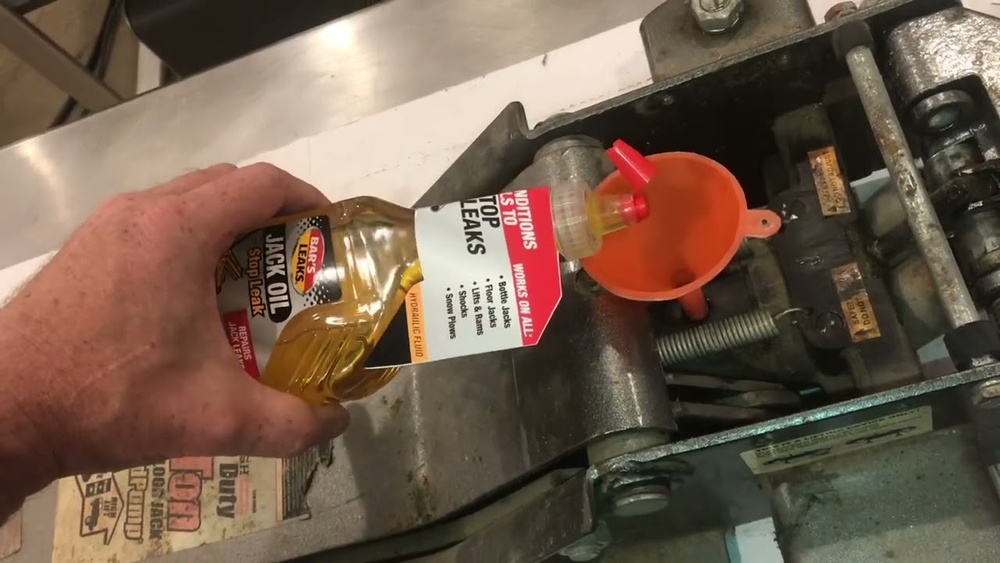
Pour oil slowly into the fill port. Use the right type of jack oil only. Stop often to let oil settle inside. Adding oil too fast can cause air bubbles. These bubbles reduce the jack’s lifting power.
Checking Oil Level
Check the oil level after adding some oil. The level should be near the fill port opening. Use a clean tool to see inside if needed. Add more oil if the level is low. Do not overfill; this can damage the jack.

Credit: www.youtube.com
Bleeding Air From The Jack
Bleeding air from the floor jack is a key step after filling it with oil. Air trapped inside the jack can cause poor lifting performance. It makes the jack feel spongy and weak. Removing air ensures smooth and strong operation. This process helps the jack work safely and efficiently every time you use it.
Why Air Removal Is Important
Air inside the jack can compress and reduce pressure. This lowers the jack’s ability to lift heavy loads. It also causes jerky and uneven movements. Air pockets can damage the seals and parts over time. Removing air keeps the jack stable and reliable. It extends the life of the tool and prevents accidents.
Step-by-step Bleeding Process
First, locate the oil fill plug on the jack. Loosen the plug just enough to let air escape. Pump the jack handle slowly several times. This helps push air out through the open plug. Watch for oil to start leaking from the hole. When oil flows steadily, tighten the plug back securely. Test the jack by lifting to check for smooth action. Repeat the process if the jack still feels soft or weak. This simple process keeps your floor jack working at its best.
Testing The Floor Jack
Testing the floor jack after filling it with oil is essential. This step ensures the jack works safely and efficiently. You will check its movement and find any issues early. Proper testing helps extend the jack’s life and keeps you safe during use.
Checking For Smooth Operation
Begin by lowering the jack completely. Pump the handle slowly and watch the lifting arm. It should rise smoothly without jerks or noises. Press the release valve gently to lower the arm. The motion must be steady and controlled. If the jack moves smoothly, the oil level is likely correct.
Troubleshooting Common Issues
If the jack does not lift or lowers too fast, problems exist. Air may be trapped inside the system. Bleed the jack by opening the release valve slightly and pumping the handle. Oil leaks can cause poor performance. Check for oil around seals and bolts. Tighten loose parts and replace damaged seals. A noisy jack might need more oil or cleaning inside.
Maintenance Tips
Proper maintenance keeps your floor jack working well and safe. Regular care helps avoid damage and costly repairs. Pay attention to oil levels and storage to extend your jack’s life.
Regular Oil Checks
Check the oil level often to keep the jack smooth. Low oil causes poor lifting and wear. Use the right type of jack oil for best results. Look for leaks or dirty oil and replace it if needed. Clean the oil reservoir before refilling for best performance.
Storage Recommendations
Store the floor jack in a dry place to prevent rust. Keep it away from dust and dirt that can clog parts. Lower the jack fully before storing to reduce stress on parts. Cover it with a cloth or plastic to protect from moisture. Regular storage care keeps the jack ready for use.
Frequently Asked Questions
What Type Of Oil Is Best For Floor Jacks?
Use high-quality hydraulic jack oil or SAE 10-30 motor oil. Avoid using brake fluid or transmission fluid. Proper oil ensures smooth operation and prevents damage.
How Often Should I Change Floor Jack Oil?
Change floor jack oil every 6 to 12 months. Regular oil changes keep the jack functioning efficiently and extend its lifespan. Inspect oil levels monthly.
Can I Overfill My Floor Jack With Oil?
No, overfilling can cause pressure build-up and damage seals. Fill only up to the recommended level, usually marked inside the reservoir.
How Do I Safely Fill Oil In A Floor Jack?
Place the jack on a level surface, open the oil fill plug, use a funnel, and slowly pour oil. Avoid spills and wipe excess oil.
Conclusion
Filling floor jack oil keeps your jack working smoothly and safely. Always use the right oil type and avoid overfilling. Clean the jack before adding oil to stop dirt from causing problems. Regular checks help find leaks or damage early.
This simple task saves money and extends the jack’s life. Stay safe and keep your tools ready for any job.