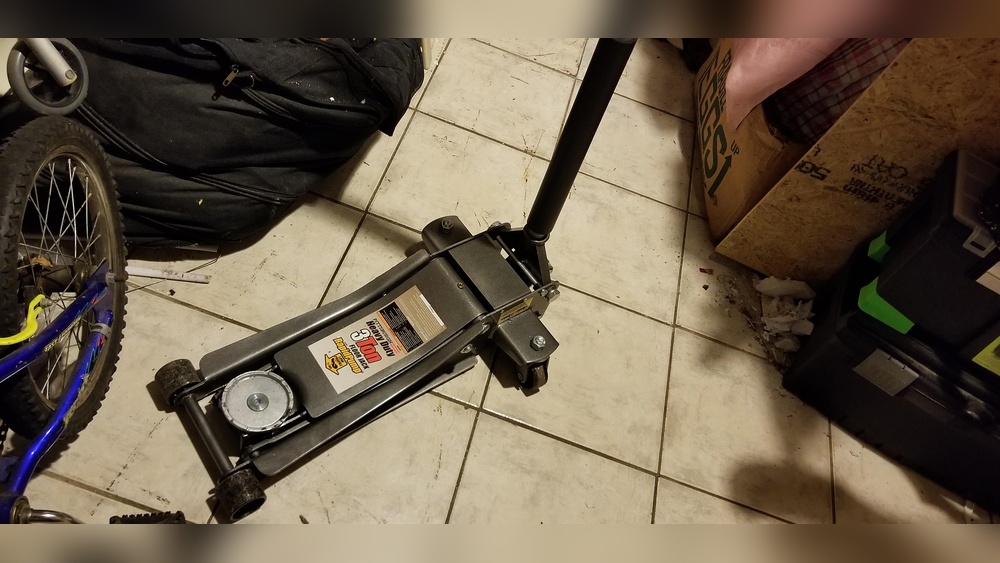
If you own a floor jack, you know how important it is to keep it working smoothly and safely. But when was the last time you greased your floor jack?
Ignoring this simple maintenance step can lead to rust, stiffness, or even failure when you need it most. In this guide, you’ll learn exactly how to grease your floor jack quickly and easily. By following these steps, you’ll extend the life of your tool and make sure it performs perfectly every time.
Ready to keep your floor jack in top shape? Let’s get started.
Tools And Materials Needed
Greasing a floor jack keeps it working smoothly and safely. Having the right tools and materials makes the job easier and faster. Prepare everything before starting the task to avoid interruptions.
Floor Jack Grease
Use high-quality grease made for floor jacks or heavy machinery. This type of grease reduces friction and prevents rust.
Grease Gun
A grease gun helps apply the grease evenly in tight spots. It fits into the jack’s grease fittings for precise delivery.
Cleaning Cloths
Keep some clean cloths or rags handy. Use them to wipe off old grease and dirt before applying new grease.
Socket Wrench Set
A socket wrench set helps remove any covers or bolts on the jack. This gives access to parts that need greasing.
Protective Gloves
Wear gloves to protect your hands from grease and dirt. Gloves also improve your grip on tools and parts.
Safety Glasses
Safety glasses protect your eyes from grease splashes and debris. Always use them to prevent accidents.
Preparing The Floor Jack
Preparing your floor jack before greasing is important for smooth operation and safety. This step helps remove dirt and old grease that can block new grease from working well. Proper preparation also makes sure you reach all parts that need lubrication. Follow these simple steps to get your jack ready.
Cleaning The Jack
Start by wiping the floor jack with a clean cloth. Remove dust, grease, and grime from the surface. Use a brush to clean hard-to-reach areas. Avoid using water directly, as it may cause rust. Clean parts allow the new grease to stick better and work properly.
Positioning For Maintenance
Place the floor jack on a flat, stable surface. Lower the jack completely to relieve pressure. This position opens access to the moving parts inside. Keep the jack steady to avoid accidents during greasing. A well-positioned jack helps you work safely and efficiently.
Locating Grease Points
Finding the grease points on a floor jack is the first step to keep it working smoothly. These points need regular lubrication to avoid rust and wear. Knowing where to apply grease helps the jack lift safely and last longer.
Most floor jacks have a few common grease points. These spots allow grease to reach moving parts inside the jack. Missing these points can lead to stiff or noisy operation.
Check The Owner’s Manual
The manual often shows exact grease points with diagrams. It tells how often to grease and what type to use. If you lost the manual, try finding it online with the model number.
Look For Grease Fittings
Grease fittings look like small metal nipples. They may be on the jack’s arms, wheels, or pivot points. These fittings accept a grease gun for easy lubrication.
Inspect Moving Joints
Moving joints like the lifting arm and base pivots usually need grease. These parts move a lot and face pressure. Wiping dirt off before greasing helps keep the jack clean.
Don’t Forget The Wheels
Wheels also have grease points. They help the jack move smoothly across the floor. Grease here prevents squeaks and uneven rolling.

Credit: www.youtube.com
Choosing The Right Grease
Choosing the right grease for your floor jack is important. The right grease keeps the jack working smoothly. It also protects parts from wear and rust. Using the wrong grease can cause damage or poor performance. This guide helps you pick the best grease for your floor jack.
Types Of Grease For Floor Jacks
Not all grease is the same. Some greases are thick, others are thin. The best grease for floor jacks is usually lithium-based. It sticks well and resists water. This type protects metal parts and handles heavy pressure.
Temperature And Weather Considerations
Grease must work in different temperatures. Choose grease that stays soft in cold weather. It should not melt or drip in heat. This keeps your floor jack reliable all year.
Water Resistance And Durability
Your floor jack may face wet conditions. Water-resistant grease prevents rust and corrosion. It also lasts longer without needing reapplication. This saves time and money over time.
How Much Grease To Use
Too little grease causes friction and wear. Too much grease can attract dirt. Apply just enough to cover moving parts lightly. This keeps your floor jack clean and working well.
Applying Grease To Moving Parts
Applying grease to the moving parts of a floor jack helps it work smoothly. It stops parts from wearing out fast. Grease also protects metal pieces from rust and dirt. Regular greasing keeps the jack safe and easy to use.
Focus on key spots where parts move against each other. These areas need the most lubrication. Use the right type of grease made for metal tools. Now, let’s look at how to grease the main moving parts.
Greasing The Pump Piston
The pump piston moves up and down to lift loads. Wipe the piston clean before greasing. Apply a thin layer of grease all over the piston. Move the piston a few times to spread grease evenly. This step keeps the pump working without sticking.
Lubricating The Release Valve
The release valve controls the jack’s lowering speed. Use grease on the valve’s moving parts. Open the valve slightly and add grease to the threads and stem. Turn the valve back and forth to spread grease inside. This keeps the valve smooth and easy to turn.
Greasing The Wheels And Axles
Wheels and axles help the jack move around. Remove dirt and old grease from wheels first. Apply fresh grease to the axles and inside wheel hubs. Spin the wheels to spread grease well. This prevents wheels from squeaking and sticking.

Credit: www.youtube.com
Testing The Floor Jack
Testing the floor jack after greasing is important. It ensures the jack works well and safely. This step helps spot any problems early. It also confirms the grease reached the right parts. Careful testing keeps the jack ready for use.
Checking Smooth Operation
Start by pumping the handle slowly. The movement should feel smooth and easy. Listen for any strange sounds like squeaks or grinding. Check if the jack lifts without jerking. The handle should return smoothly after each pump. Smooth operation means the grease is doing its job well.
Identifying Any Issues
Look for signs of stiffness or resistance. Notice if the jack does not hold the weight steadily. Watch for leaks around the grease points or seals. Any unusual noises might mean parts need more grease. Stop testing if the jack feels unsafe or unstable. Fix issues before using the jack again.
Maintenance Tips For Longevity
Keeping your floor jack in good shape helps it last longer and work better. Regular care stops rust and wear. Simple steps can save you money and time. Follow these tips to keep your floor jack smooth and safe.
Regular Greasing Schedule
Grease your floor jack often. Check the user manual for the best schedule. Usually, every few months works well. Clean old grease and dirt before adding new grease. Use the right type of grease for your jack. This keeps the moving parts smooth and stops damage.
Storage Recommendations
Store your floor jack in a dry place. Avoid damp or wet areas that cause rust. Keep it off the ground on a shelf or mat. Cover it with a cloth or plastic to stop dust. Store with the jack lowered to protect seals and parts. Proper storage helps your jack stay ready for use.

Credit: www.reddit.com
Frequently Asked Questions
How Often Should I Grease A Floor Jack?
You should grease your floor jack every 6 months or after heavy use. Regular lubrication ensures smooth operation and prevents rust and wear.
What Type Of Grease Is Best For Floor Jacks?
Use high-quality lithium or multipurpose grease for floor jacks. These greases provide excellent lubrication and resist water and pressure.
Can I Use Wd-40 Instead Of Grease On A Floor Jack?
No, WD-40 is a cleaner and not a lubricant. Use proper grease to ensure long-lasting lubrication and protect moving parts.
How Do I Access Grease Points On A Floor Jack?
Locate grease fittings or zerks on the jack’s joints and pivot points. Use a grease gun to apply grease directly into these fittings.
Conclusion
Greasing a floor jack keeps it working smoothly and safely. Regular maintenance prevents rust and wear. Use the right grease and tools for best results. Clean old grease before applying new. Take your time to reach all moving parts. A well-greased jack lasts longer and lifts better.
Simple care saves money and trouble later. Keep your equipment ready for any job ahead. Easy steps lead to safer lifting every time.