Is your floor uneven and sloping, making your furniture wobble and your steps feel unstable? You’re not alone, and the good news is, you can fix it.
Learning how to jack up a sloping floor might sound tricky, but with the right guidance, you can restore balance and safety to your home. You’ll discover simple, clear steps to level your floor and regain that solid, steady feeling underfoot.
Keep reading, and by the end, you’ll have the confidence to tackle this problem yourself.
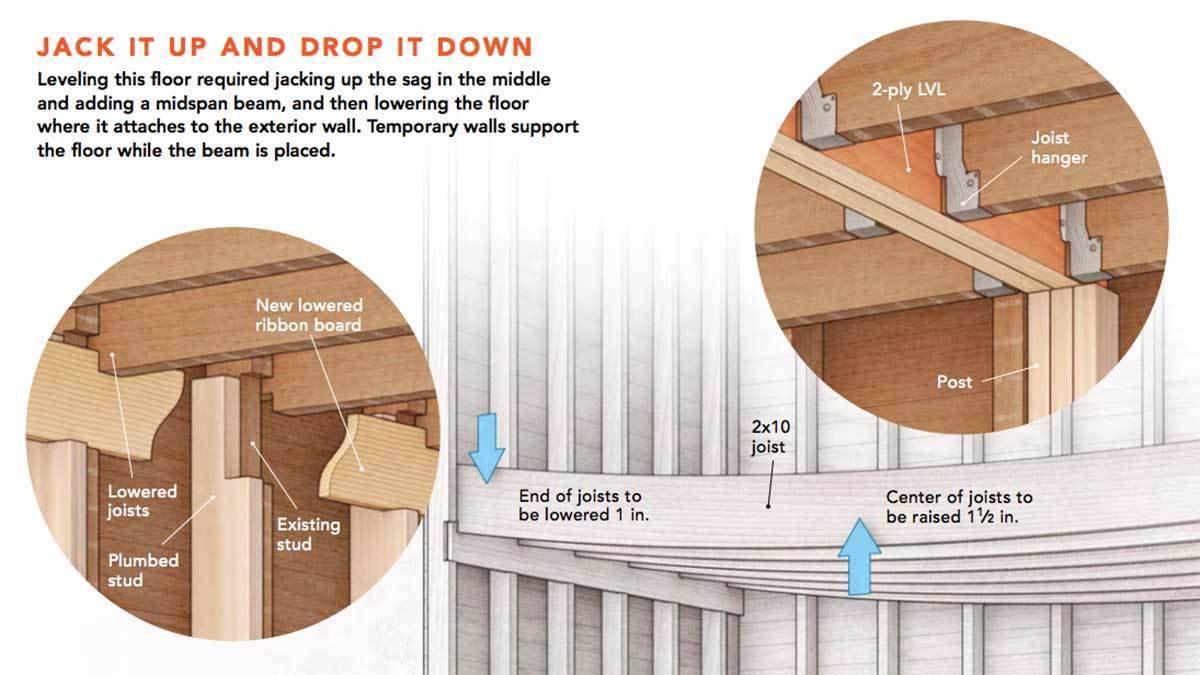
Credit: www.finehomebuilding.com
Signs Of A Sloping Floor
Noticing a sloping floor early helps prevent bigger problems. Floors that tilt or sag can cause damage to your home. Spotting the signs allows you to fix the issue quickly. Below are clear ways to identify if your floor is sloping.
Visual Indicators
Look for gaps between the floor and the wall. Doors or windows may not close properly. Furniture might seem to lean or wobble. Floors may have cracks or uneven spots. Water may pool in certain areas after cleaning.
Using A Level Tool
Place a level on the floor surface. Check the bubble to see if it is centered. A bubble off to one side shows a slope. Test several areas around the room. This method gives precise information about the tilt.
Common Causes
Foundation settling is a main cause of sloping floors. Water damage can weaken floor supports. Poor construction or old materials may lead to uneven floors. Soil movement under the house also affects floor level. Knowing the cause helps plan the right fix.
Preparing For The Job
Preparing to jack up a sloping floor requires careful planning and organization. This step sets the stage for a smooth, safe repair process. Proper preparation helps avoid mistakes and keeps the work area safe.
Gathering Tools And Materials
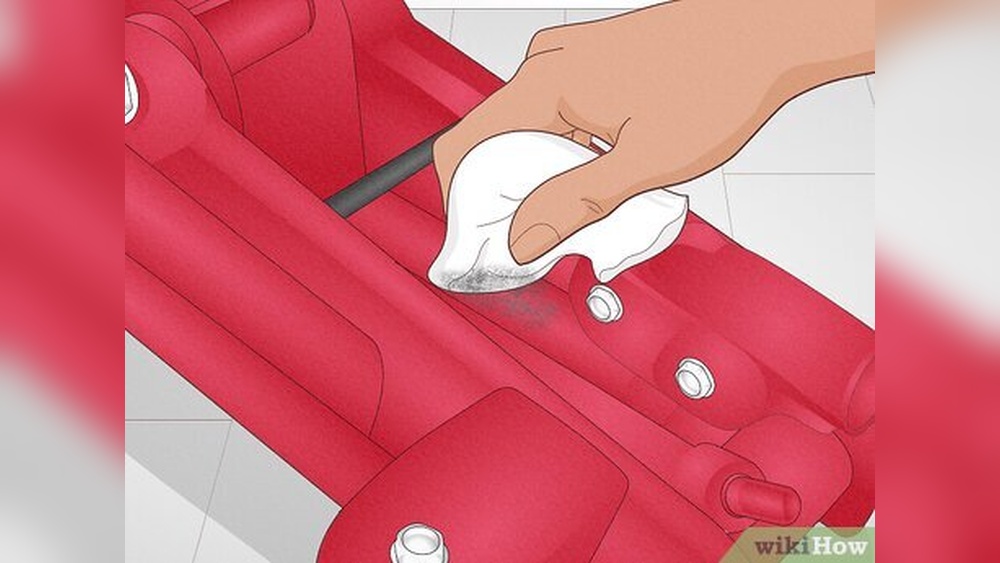
Collect all necessary tools before starting. Common tools include a hydraulic jack, wooden shims, a carpenter’s level, and a pry bar. You will also need safety gear like gloves and goggles. Having materials ready saves time and reduces interruptions.
Clearing The Work Area
Remove all furniture and items from the room. A clear space makes moving equipment easier. It also prevents damage to belongings. Sweep the floor to remove dust and debris. This helps keep the work clean and safe.
Safety Precautions
Wear protective gear at all times. Gloves protect your hands from splinters and sharp edges. Goggles shield your eyes from dust and debris. Check the jack and tools for damage before use. Work slowly and carefully to avoid accidents. Ensure proper ventilation in the room during the job.
Assessing The Floor Structure
Assessing the floor structure is the first step in fixing a sloping floor. You need to understand the current condition of the floor. This helps to plan the right way to jack it up safely. Careful checking prevents damage and ensures a solid repair.
Look closely at the parts that hold the floor up. Check for any signs of wear or damage. Measure the slope to know how much lift is needed. These steps make the job easier and safer.
Inspecting Joists And Beams
Start by examining the joists and beams under the floor. These are the main supports. Look for cracks, splits, or sagging. Wood that looks soft or rotted needs attention. Check for any signs of insect damage too. Strong joists and beams are essential for a steady floor.
Identifying Weak Spots
Find areas where the floor feels soft or bouncy. These spots may show hidden damage. Tap the floor and listen for hollow sounds. Use a screwdriver to test wood firmness. Mark weak spots to fix or reinforce later. Weak points can cause the floor to slope more over time.
Measuring The Slope
Use a level to measure how much the floor slopes. Place it in several spots across the room. Note the highest and lowest points. Write down the measurements for reference. This helps decide how high to jack the floor. Accurate measuring ensures a balanced and safe lift.
Choosing The Right Jack
Choosing the right jack is key to safely fixing a sloping floor. The correct jack supports the floor and lifts it evenly. Picking a jack depends on the floor size, weight, and the job’s complexity. Understanding different jacks and their limits helps avoid damage or accidents.
Types Of Floor Jacks
Floor jacks come in various types. Hydraulic jacks use fluid to lift heavy loads smoothly. Bottle jacks are compact and strong but need space underneath. Scissor jacks are smaller and simple, good for light lifting. Choose a type that fits the space and weight you handle.
Load Capacity Considerations
Each jack has a load capacity. This is the maximum weight it can lift safely. Check the floor’s weight before selecting a jack. Use a jack with a higher capacity than the floor needs. This ensures safety and prevents the jack from breaking.
Renting Vs Buying
Decide whether to rent or buy a jack. Renting suits one-time or rare jobs. Buying is better for frequent use or ongoing projects. Consider cost, storage space, and job frequency. Renting saves money for small jobs. Buying gives control and readiness for future needs.
Step-by-step Jacking Process
Fixing a sloping floor takes careful steps. This process requires patience and attention. The goal is to lift the floor evenly and safely. Follow these steps to raise your floor properly.
Positioning The Jack
Place the jack under the lowest part of the floor. Use a strong, stable beam for support. Make sure the jack is on solid ground. Check that it is centered and steady before lifting.
Lifting The Floor Slowly
Turn the jack handle slowly to lift the floor. Lift only a small amount at a time. Pause often to let the floor settle. Avoid lifting too fast to prevent damage.
Monitoring Progress
Use a level to check the floor’s angle regularly. Watch for any cracks or shifts in the floor. Stop lifting if anything seems wrong. Keep track of how much you have raised the floor.
Securing The Floor
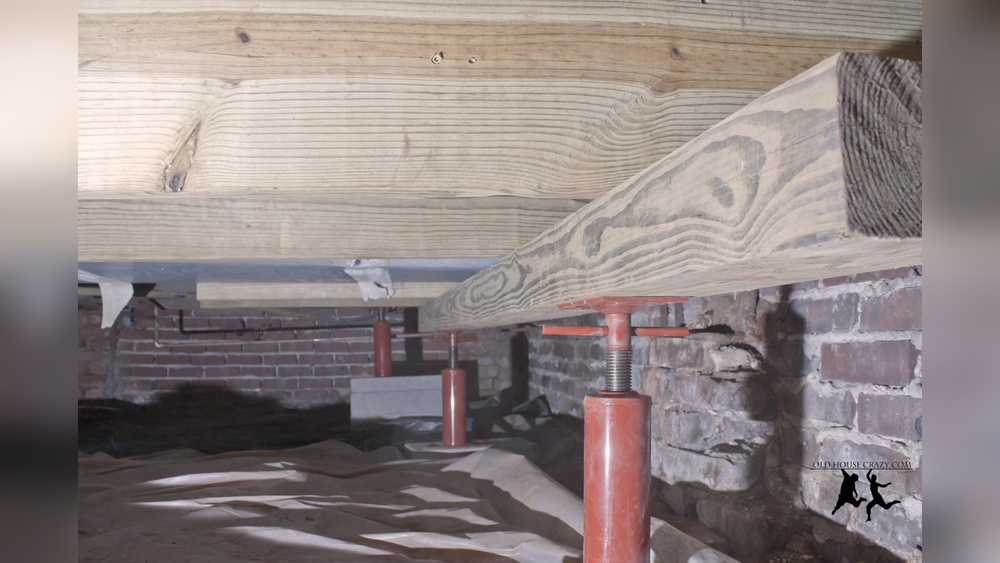
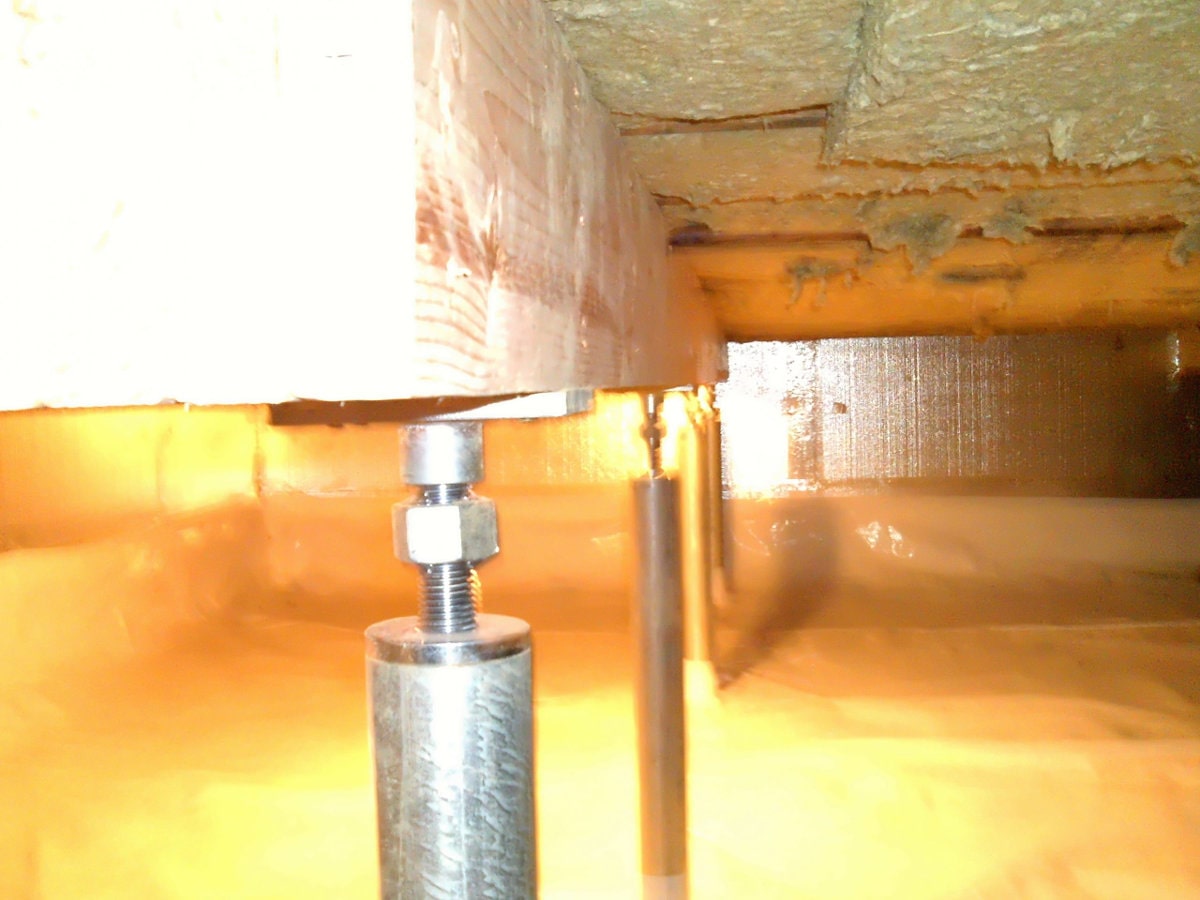
Once the floor is level, support it with permanent beams. Use sturdy blocks or posts to hold the floor in place. Tighten all supports to keep the floor steady. Double-check stability before removing the jack.
Reinforcing The Floor Structure
Reinforcing the floor structure is key to fixing a sloping floor. Strengthening the base makes the floor safer and more stable. It stops the floor from moving or sinking further. Reinforcement supports the weight of furniture and people.
Several methods help strengthen the floor. Each method targets weak spots in the floor structure. Combining these steps creates a solid and level surface. Let’s explore the best ways to reinforce your floor.
Adding Support Beams
Support beams carry the floor’s weight evenly. Adding new beams under the sloping area helps balance the load. Use strong wood or steel beams for best results. Position beams perpendicular to floor joists for better support. Secure beams tightly to the foundation and joists. This stops the floor from sagging or moving more.
Sistering Joists
Sistering means attaching new joists next to old ones. It adds strength without removing the original floor joists. Cut new joists to the same length as old ones. Nail or bolt the new joists firmly beside the old. This doubles the support in weak spots. The floor becomes firmer and less likely to slope.
Using Shims And Plywood
Shims fill small gaps between joists and beams. Use thin, strong shims made of wood or composite. Place shims under low spots to raise them gradually. Cover the area with plywood for a flat surface. Secure the plywood tightly with nails or screws. This method smooths the floor and adds extra support.
Dealing With Uneven Subfloor
Dealing with an uneven subfloor is a critical step when jacking up a sloping floor. The subfloor supports the entire floor structure. If it is uneven, the floor will not be stable or level. Fixing the subfloor first ensures a safer and more durable repair. It also makes the jacking process easier and more effective.
Leveling Techniques
Start by checking the subfloor for dips and high spots. Use a long level or straight board to find uneven areas. Small dips can be filled with self-leveling compound. This material flows into low spots and hardens flat. For larger uneven areas, use plywood shims to raise the subfloor. Attach the shims firmly to prevent movement. Sand high spots down with a sander or planer. Check the level often to ensure a flat surface.
Repairing Damaged Areas
Look for cracks, rot, or holes in the subfloor. These weaken the floor and cause problems later. Remove damaged wood carefully using a saw or chisel. Replace it with new plywood cut to fit. Secure the new piece with screws or nails. Seal gaps with wood filler or caulk to prevent moisture. Keep the subfloor clean and dry before continuing work. Repairing damage early saves time and effort later.
Credit: www.residentialresq.com
Finishing Touches
Finishing touches make the floor safe and look good. This step ensures the floor stays level for a long time. Small checks and careful work here protect your effort.
Checking Floor Level Again
Use a level tool to check the floor after jacking it up. Move the tool around the entire area. Look for any spots that still slope or dip. Fix these areas by adding or removing support. This step is important for a smooth and even floor.
Installing New Flooring
Choose flooring that fits the room style and your needs. Lay down a moisture barrier if needed. Start from one corner and work across the floor. Use nails or glue as recommended for the flooring type. Make sure the flooring sits flat without gaps or bumps.
Maintaining A Level Floor
Keep checking the floor level every few months. Watch for signs of sinking or shifting. Control room moisture to avoid wood warping. Fix small problems early to avoid big repairs. Regular care keeps the floor steady and safe.

Credit: www.youtube.com
Frequently Asked Questions
How Do You Identify A Sloping Floor?
A sloping floor usually feels uneven underfoot and may cause doors to swing open. Use a level or laser tool to check the angle precisely.
What Tools Are Needed To Jack Up A Sloping Floor?
You need a floor jack, shims, a level, pry bars, and safety equipment. These tools help lift and support the floor safely.
Can Jacking Up A Floor Fix Structural Issues?
Jacking can correct minor slopes but not major structural problems. For serious issues, consult a professional contractor or structural engineer.
How Long Does It Take To Jack Up A Sloping Floor?
The process usually takes several hours to a day, depending on the floor size and slope severity. Preparation and safety checks are important.
Conclusion
Fixing a sloping floor takes patience and the right tools. Start by measuring the slope carefully. Use a sturdy jack to lift the floor slowly and evenly. Add support beams to keep the floor level and safe. Check the floor often during the process to avoid damage.
Small steps work better than rushing. This approach helps protect your home and improves comfort. With care, you can make your floor flat and steady again. Keep safety as your top priority throughout the work. Simple steps lead to lasting results.