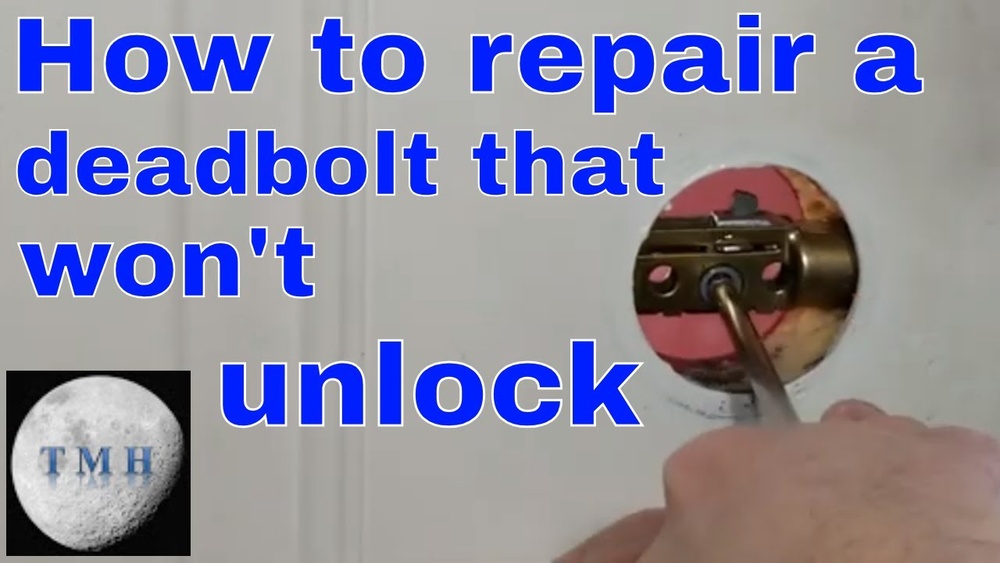
Have you ever found yourself standing at your door, key in hand, only to realize your deadbolt won’t unlock? It’s frustrating and can leave you feeling stuck—literally.
But before you panic or call a locksmith, there are simple steps you can take to fix the problem yourself. You’ll discover easy, practical solutions to get your deadbolt working smoothly again. Keep reading, and you’ll regain control of your door in no time.

Credit: www.youtube.com
Common Deadbolt Issues
Deadbolts are common for home security but can face issues over time. Knowing common problems helps fix them quickly. Most deadbolt issues come from simple causes. Understanding these can save time and frustration.
Here are some common deadbolt problems that stop it from working right.
Key Won’t Turn
The key may not turn due to dirt or rust inside the lock. Cold weather can cause the lock to freeze. The key itself might be bent or damaged. Try using a lubricant like graphite powder. Avoid oil-based sprays as they attract dirt. If the key is bent, replace it to prevent damage.
Stuck Bolt
A stuck bolt often happens when the bolt jams inside the door frame. This can result from swelling wood or debris in the lock. Check if the bolt moves freely by pushing it gently. Lubricate the bolt and clean the strike plate area. If the door swells from moisture, sanding the edge helps.
Misaligned Strike Plate
The strike plate may not line up with the bolt. This causes the bolt to hit the plate and stop moving. The door may shift over time, causing misalignment. Loosen the strike plate screws and adjust its position. Tighten the screws once the bolt slides in easily. Replacing the strike plate with a larger one can also help.
Tools You’ll Need
Fixing a deadbolt that won’t unlock needs the right tools. Having these tools ready saves time and frustration. You can do the job safely and effectively.
Basic Toolkit
A screwdriver set is essential for removing screws on the lock. Choose both flathead and Phillips screwdrivers. A flashlight helps to see inside the lock clearly. Needle-nose pliers can grip small parts or pull out broken keys. A small hammer might be needed for gentle tapping.
Lubricants And Cleaners
Use a graphite powder or silicone spray to lubricate the lock. These help the deadbolt move smoothly. Avoid oil-based lubricants as they attract dirt. A can of compressed air clears dust and debris inside. Cleaning the lock can prevent sticking and improve function.
Step-by-step Fixes
Fixing a deadbolt that won’t unlock can seem tricky. Following clear steps helps solve the problem fast. This guide shows easy fixes anyone can do at home. Each step targets a common issue that blocks the deadbolt.
Lubricate The Lock
Dry or dirty locks often cause sticking. Use a spray lubricant made for locks. Spray inside the keyhole and on the bolt. Move the key back and forth to spread the lubricant. Avoid oil-based products that attract dust. Repeat every few months for smooth operation.
Check And Realign Strike Plate
The strike plate must line up with the bolt. Check if the bolt hits the plate squarely. If misaligned, the deadbolt won’t slide properly. Loosen the screws on the strike plate. Adjust it slightly up, down, or sideways. Tighten the screws once aligned. Test the deadbolt several times.
Tighten Loose Screws
Loose screws can cause lock misalignment. Inspect all screws on the lock and door frame. Use a screwdriver to tighten any loose screws. Focus on screws holding the lock and strike plate. Tight screws keep parts in place. This helps the deadbolt move freely.
Free A Stuck Bolt
The bolt may get stuck inside the door. Try pushing the bolt gently with a screwdriver tip. Avoid forcing it to prevent damage. Use lubricant on the bolt if it feels tight. Tap the bolt area lightly to loosen stuck parts. Repeat until the bolt moves smoothly.
Credit: www.reddit.com
When To Replace Parts
Knowing when to replace parts in a deadbolt is key to fixing it. Some problems need new parts to work again. Replacing parts can save time and keep your lock safe.
Worn Out Cylinder
The cylinder is the part where you insert the key. Over time, it can wear out and stop working smoothly. If the key twists but the lock doesn’t turn, the cylinder might be the issue. Replacing the cylinder can restore the lock’s function.
Damaged Key
Keys can bend, break, or wear down. A damaged key may not fit well in the lock. If the key is hard to insert or turn, try a new key first. If that doesn’t help, the lock might have damage too.
Broken Deadbolt Mechanism
The deadbolt mechanism moves the bolt in and out. If the bolt does not move or is stuck, the mechanism may be broken. Signs include a loose bolt or no movement when turning the key. Replacing this part often fixes the problem completely.
Preventive Tips
Preventing a deadbolt from jamming or failing to open saves time and stress. Simple care steps keep your lock working smoothly. Small efforts today avoid big problems tomorrow.
Regular Maintenance
Check your deadbolt every few months. Clean dust and dirt from the keyhole and bolt. Use a soft cloth or a small brush. Apply lubricant made for locks to the moving parts. Avoid oil-based lubricants that attract dirt.
Proper Key Usage
Always use the correct key for the lock. Do not force the key if it feels stuck. Insert the key fully before turning it. Keep your keys clean and free from damage. Spare keys help avoid overusing one key.
Seasonal Adjustments
Weather changes can affect your deadbolt’s function. Cold weather may cause metal parts to contract. Heat can make parts expand or warp. Test your lock during season changes. Make small adjustments or lubricate to ease movement.

Credit: herolocksmith.co.uk
Frequently Asked Questions
Why Won’t My Deadbolt Unlock With The Key?
A stuck deadbolt often results from a misaligned lock or worn key. Lubricate the lock with graphite powder and gently jiggle the key. If issues persist, the lock mechanism may need professional repair or replacement.
How Can I Fix A Frozen Deadbolt Lock?
Frozen deadbolts can be thawed using a hairdryer or warm water. Avoid using excessive force to prevent damage. Applying a silicone-based lubricant can also help prevent future freezing and ensure smooth operation.
What Causes A Deadbolt To Jam Internally?
Internal jamming usually happens due to dirt, rust, or broken components. Disassemble the lock to clean and inspect parts carefully. Replace any damaged pieces to restore proper function and prevent further issues.
Can I Repair A Deadbolt Without A Locksmith?
Yes, minor deadbolt issues like lubrication or alignment can be fixed DIY. However, complex problems such as broken parts require professional help to avoid damaging the lock or door.
Conclusion
Fixing a deadbolt that won’t unlock can be simple with the right steps. Start by checking the key and lock for dirt or damage. Lubricate the lock to help it move smoothly. Tighten any loose screws and ensure the door aligns well.
If problems continue, consider calling a locksmith. Taking care of your lock keeps your home safe. Small efforts now save frustration later. Stay calm and follow these tips carefully. Your door will work properly again soon.


