Have you ever faced the frustration of a jammed deadbolt lock when you’re in a hurry? It’s one of those moments that can throw off your entire day.
But don’t worry—this problem isn’t as complicated as it seems. By knowing a few simple steps, you can quickly get your lock working again without calling a locksmith or breaking your door. Keep reading, and you’ll discover easy, practical tips to remove a jammed deadbolt lock and regain control of your home’s security.
You’ll feel confident and ready to tackle this common issue yourself.
Common Causes Of Deadbolt Jams
Deadbolt locks can jam for several reasons. Understanding these common causes helps fix jams fast. This knowledge also prevents future problems. Below are the main reasons deadbolts get stuck.
Misalignment Issues
Deadbolts often jam due to misalignment. The bolt and strike plate must line up perfectly. If the door shifts or the frame warps, they won’t match. This causes the bolt to get stuck or not move smoothly. Adjusting the strike plate or door hinges can fix this.
Worn Out Components
Parts inside the lock wear down over time. Springs, pins, and cylinders can weaken or break. Worn parts cause the lock to stick or jam. Regular use speeds up wear. Replacing old parts or the entire lock may be necessary.
Debris And Dirt Build-up
Dirt, dust, and debris often collect inside locks. This build-up blocks the bolt or key mechanism. It makes turning the key hard or impossible. Cleaning the lock with compressed air or lubricant removes the dirt and restores smooth action.
Weather Effects
Cold or wet weather affects deadbolts. Moisture can cause rust inside the lock. Freezing temperatures make metal parts contract and stick. Heat may expand parts, causing tight fits. Protecting locks from weather and using weather-resistant products helps avoid jams.
Tools Needed For Fixing A Jammed Deadbolt
Fixing a jammed deadbolt requires the right tools. Having these tools ready makes the process smoother and faster. Some tools help open the lock, while others clean or replace parts.
Below are the essential tools needed to fix a jammed deadbolt.
Basic Hand Tools
A screwdriver set is a must-have. It helps remove screws from the lock and door. A pair of pliers can grip small parts or twist stuck pieces. A hammer may be needed to tap parts gently. A small flashlight will help see inside the lock clearly.
Lubricants And Cleaning Supplies
Use a graphite lubricant for the lock mechanism. It reduces friction without attracting dust. Avoid oil-based sprays as they can gum up the lock. A can of compressed air clears dust and debris. A soft cloth helps wipe dirt and old grease away.
Replacement Parts
Sometimes parts inside the lock wear out or break. Keep extra screws, springs, and pins on hand. A new deadbolt cylinder or latch might be necessary. Having these parts ready avoids delays in repair.
Step-by-step Fixes For A Jammed Deadbolt
A jammed deadbolt lock can cause frustration and delay. Fixing it yourself saves time and money. Follow clear steps to solve the problem safely. These fixes help restore smooth lock operation without calling a locksmith.
Inspecting The Lock Mechanism
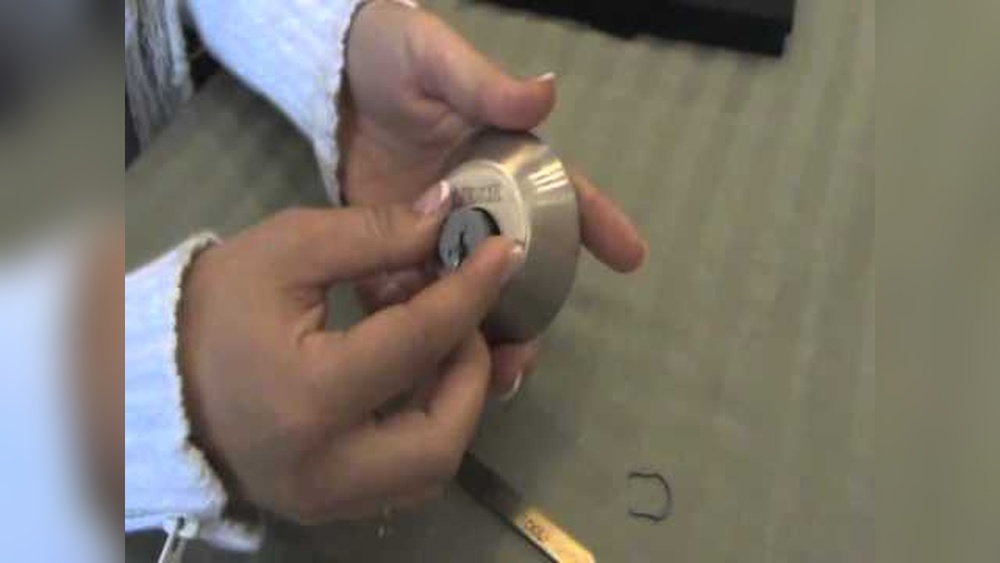
Start by examining the deadbolt closely. Look for dirt, rust, or broken parts. Check if the bolt moves freely when you turn the key. Notice any unusual resistance or sticking points. Identifying the cause guides the next steps.
Cleaning And Lubricating The Lock
Remove dust and debris inside the lock. Use compressed air or a soft brush for cleaning. Apply a graphite-based lubricant or silicone spray. Avoid oil-based lubricants that attract dirt. Lubrication helps the bolt slide smoothly without jamming.
Realigning The Strike Plate
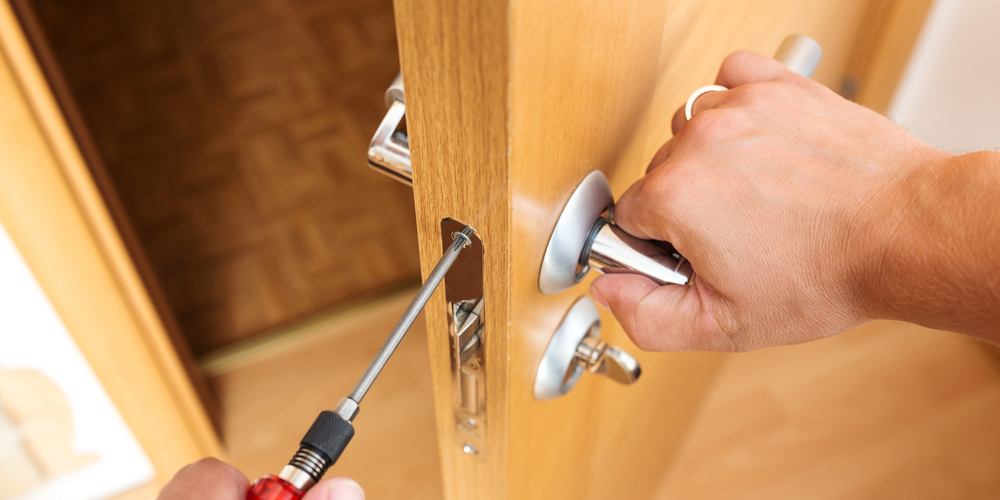
Inspect the strike plate on the door frame. Check if the bolt aligns properly with the hole. Loose or misaligned strike plates block the bolt. Loosen screws, adjust the plate, then tighten it. Proper alignment allows the deadbolt to lock and unlock easily.
Tightening Loose Screws
Look for loose screws on the lock and door hardware. Loose screws cause the lock to shift or jam. Tighten all screws firmly with a screwdriver. This stabilizes the lock and helps prevent jamming. Regularly check screws to maintain lock function.
Replacing Damaged Components
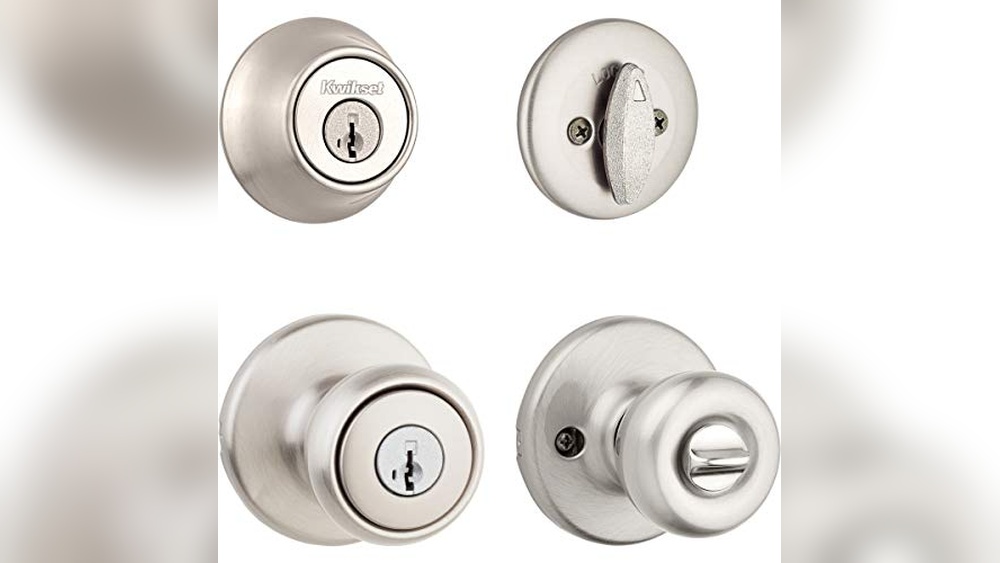
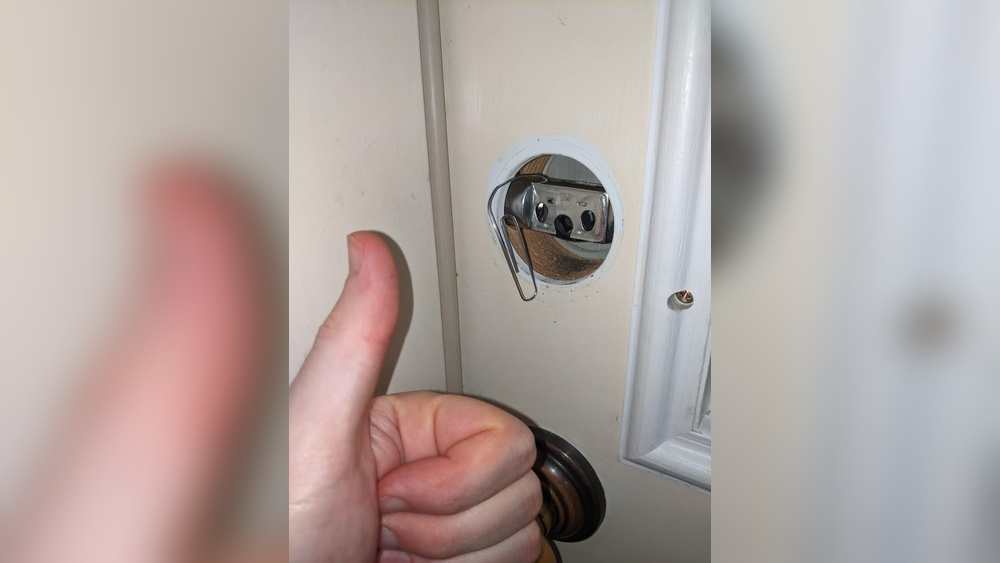
Broken parts inside the lock can cause jams. Inspect the cylinder, bolt, and internal pieces. Replace any damaged or worn components with exact matches. Use parts from the lock’s manufacturer for best fit. Replacing parts restores the lock’s smooth operation.
Credit: unitedlocksmith.net
Preventing Future Deadbolt Jams
Preventing deadbolt jams saves time and avoids frustration. Simple steps can keep your lock working smoothly. Regular care and good habits make a big difference. Here are some easy ways to stop jams from happening again.
Regular Maintenance Tips
Clean your deadbolt every few months. Use a soft cloth to remove dust and dirt. Apply a small amount of graphite lubricant inside the keyhole. Avoid oil-based lubricants as they attract grime. Check the screws and tighten them if loose. This keeps the lock parts aligned and working well.
Seasonal Adjustments
Wood doors change size with weather. In summer, they can swell and stick. In winter, they may shrink and loosen. Test your deadbolt each season to spot problems early. Adjust the strike plate if the bolt doesn’t fit smoothly. Small changes prevent big jams later.
Choosing Quality Locks
Invest in sturdy deadbolt locks made from strong materials. Cheap locks wear out faster and jam more often. Look for locks with smooth mechanisms and good reviews. A quality lock lasts longer and needs less fixing. This reduces the chance of future jams.
When To Call A Locksmith
Knowing when to call a locksmith can save time and prevent damage. Some lock problems need expert help. Trying to fix a jammed deadbolt alone might make things worse. A locksmith has the right tools and skills to solve tough lock issues safely.
Signs Of Major Lock Damage
Look for cracks or broken parts on the lock. If the key does not turn at all, it may mean serious internal damage. A lock that feels loose or wobbly is another warning. Rust or corrosion can weaken the lock’s parts. These signs show the lock needs professional repair or replacement.
Avoiding Further Damage
Do not force the key or turn the deadbolt hard. Forcing can break the key inside the lock or damage the mechanism. Avoid using sharp tools to pry the lock open. These actions cause expensive damage and make repair harder. Calling a locksmith early can protect your lock from worsening.
Emergency Lockout Situations
Being locked out can cause stress and danger. If you cannot enter your home or office and have no spare key, call a locksmith. They can open the door quickly without damage. Emergency locksmiths are available 24/7 for urgent situations. Waiting too long can lead to unsafe choices or damage.

Credit: www.reddit.com

Credit: www.youtube.com
Frequently Asked Questions
How Do I Fix A Jammed Deadbolt Lock Quickly?
Start by lubricating the lock with graphite or WD-40. Gently wiggle the key while turning. If stuck, remove the lock to inspect internal parts for damage.
What Tools Are Needed To Remove A Jammed Deadbolt?
You typically need a screwdriver, lubricant, and possibly pliers. A drill may be required for severe jams. Always use tools carefully to avoid damaging the door.
Can I Remove A Jammed Deadbolt Without Damaging The Door?
Yes, by carefully unscrewing the lock components and lubricating the mechanism. Avoid forcing the lock or drilling unless necessary, as this can harm the door.
Why Does My Deadbolt Lock Keep Jamming?
Deadbolt jams often result from dirt buildup, rust, or misalignment. Regular cleaning and lubrication prevent these issues. Weather changes can also cause metal parts to expand.
Conclusion
Removing a jammed deadbolt lock is simple with the right steps. Take your time and follow the instructions carefully. Use basic tools and gentle force to avoid damage. Regular maintenance can help prevent jams later. Stay patient, and don’t rush the process.
You can fix most jams without calling a locksmith. Keep these tips in mind for future lock problems. Safe and easy repairs start with clear steps and calm effort.