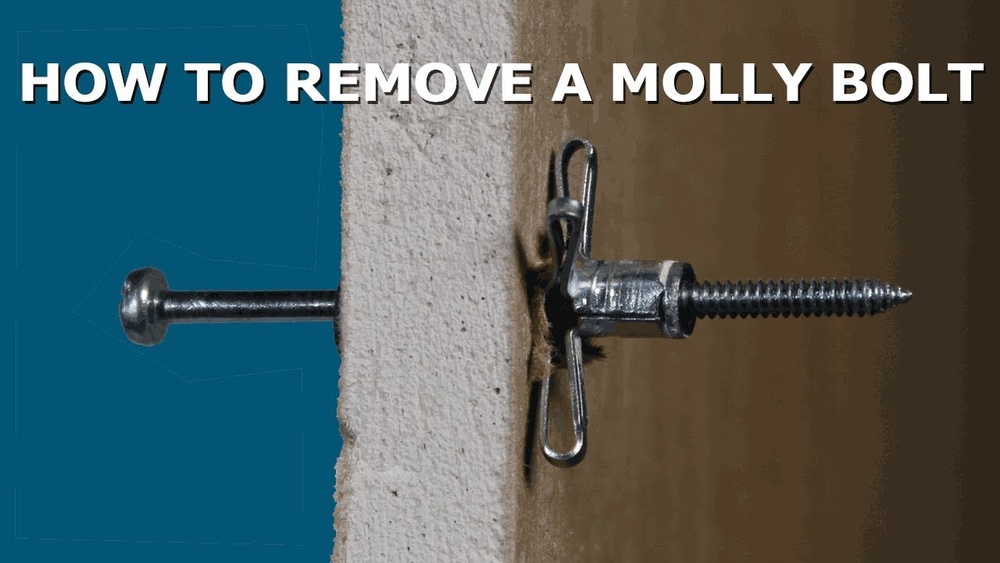
Have you ever tried to remove a wall anchor with wings and ended up frustrated or damaging your wall? You’re not alone.
These little anchors are great for holding heavy items, but getting them out can feel tricky. What if you could remove them quickly and cleanly, without making a mess or patching up big holes? You’ll discover simple, effective steps to take those stubborn wall anchors out safely.
Keep reading, and you’ll gain the confidence to tackle this task like a pro—saving your walls and your time.
:max_bytes(150000):strip_icc()/how-to-use-and-discard-anchor-screws-1822671-003-05-a4247920f04c4a6788692e29d4c55add.jpg)
Credit: www.thespruce.com
Types Of Wall Anchors With Wings
Wall anchors with wings provide strong support in drywall and hollow walls. They come in different types, each designed for specific uses. Knowing their differences helps you pick the right one and remove them correctly.
Plastic Expansion Anchors
Plastic expansion anchors are common and easy to use. They have small wings that expand as you insert a screw. This expansion grips the drywall tightly. They work best for light loads like picture frames or small shelves.
Metal Wing Anchors
Metal wing anchors offer stronger support than plastic ones. Their metal wings open behind the wall, creating a firm hold. These anchors suit medium-weight items like mirrors or curtain rods. They resist bending and provide better durability.
Toggle Bolts
Toggle bolts have large metal wings that fold to fit through the hole. Once inside, the wings open wide behind the wall. This design supports heavy objects like cabinets or large shelves. Toggle bolts spread the weight evenly, preventing damage.
Tools Needed For Removal
Removing wall anchors with wings requires the right tools. Using proper tools makes the task easier and protects your wall. Gather tools before starting to avoid interruptions. Below are the essential tools for removing these anchors.
Screwdriver And Pliers
A screwdriver helps to turn and loosen the anchor’s screw. Choose a screwdriver that fits the screw head well. Pliers grip and pull the anchor out after loosening. Needle-nose pliers work best for small spaces. Together, they remove the anchor gently without damaging the wall.
Drill And Drill Bits
A drill can help remove tough anchors stuck deep in the wall. Use a drill bit slightly smaller than the anchor’s width. Drill carefully to avoid making the hole bigger. This method breaks the anchor’s grip inside the wall. It makes pulling out the anchor much easier.
Utility Knife
A utility knife cuts around the anchor’s edges. It helps free the anchor from wall paint or drywall paper. Score gently to avoid making large holes. This tool is useful if the anchor is flush with the wall. It prepares the anchor for easy removal by other tools.
Preparing The Wall For Anchor Removal
Preparing the wall for anchor removal is an important first step. It helps protect your wall and makes the process easier. Taking time to prepare can save you from damage and extra work later.
Clearing The Area
Start by removing any furniture or items near the wall. This gives you space to work comfortably. Clear the floor of rugs or objects that might get in the way. A clean area helps prevent accidents and keeps your tools close.
Protecting The Wall Surface
Cover the wall around the anchor with painter’s tape. This shields the paint from scratches and dents. Use a soft cloth or small piece of cardboard to protect the surface further. Taking these steps keeps your wall looking good after the anchor is removed.

Credit: www.hgtv.com
Removing Anchors Without Damage
Removing wall anchors with wings requires care to protect the wall surface. The goal is to take out the anchor without causing holes or damage. This section explains easy steps to remove anchors safely. Follow these tips for clean results.
Unscrewing The Anchor
Start by turning the screw counterclockwise. This loosens the anchor wings inside the wall. Use a screwdriver that fits the screw head well. Pull the screw out slowly once it is loose. This often removes the anchor along with the screw.
Prying Out The Anchor Gently
If the anchor stays inside, use a flat tool like a putty knife. Slide it under the anchor’s edge carefully. Pry the anchor out little by little. Avoid pushing hard to stop wall damage. Work patiently until the anchor comes free.
Using A Drill To Remove Stubborn Anchors
For tough anchors, use a drill with a bit slightly bigger than the screw hole. Drill slowly to break the anchor wings inside. This helps loosen the anchor from the wall. After drilling, try prying or pulling the anchor out. This method reduces the risk of wall damage.
Fixing Wall Damage After Removal
Removing wall anchors with wings often leaves small holes or marks on your wall. Fixing these spots is important to keep your wall smooth and neat. This process takes only a few simple steps.
Start by filling the holes to restore the wall surface. Then, smooth the area so it blends with the rest of the wall. Finally, touch up the paint to hide any signs of repair.
Filling Holes With Spackle
Use a small putty knife to apply spackle into the holes. Press the spackle firmly to fill the entire hole. Remove any extra spackle around the edges. Let it dry according to the product instructions. Dry spackle is easy to sand and paint over.
Sanding And Smoothing
After the spackle dries, lightly sand the area with fine-grit sandpaper. Sand in gentle, circular motions to avoid damage. Focus on blending the edges into the wall surface. Wipe away dust with a soft cloth. A smooth surface makes painting easier and cleaner.
Touching Up Paint
Match the paint color to your wall for a seamless look. Use a small brush or roller to apply paint over the repaired spot. Apply thin layers and let each dry before adding more. Check the area in natural light to ensure even coverage. Proper touch-up keeps your wall looking fresh and flawless.
Preventing Damage When Installing Anchors
Preventing damage during wall anchor installation helps keep walls strong and smooth. Careful steps reduce holes and cracks. It saves time and money on repairs. Proper planning makes the process simple and safe.
Choosing The Right Anchor
Select anchors based on wall type and weight load. Drywall needs different anchors than brick or plaster. Use light-duty anchors for small items like picture frames. Heavy items need stronger anchors like toggle bolts. Check packaging for weight limits to avoid mistakes.
Proper Installation Techniques
Mark the exact spot before drilling a hole. Use a drill bit size that matches the anchor. Drill slowly to avoid cracking the wall. Insert the anchor carefully without forcing it. Tighten screws gently to keep the anchor secure. Over-tightening can break the wall or anchor.

Credit: www.youtube.com
Frequently Asked Questions
How Do You Remove Wall Anchors With Wings Safely?
To remove winged wall anchors safely, first unscrew any attached screws. Then, gently pull the anchor with pliers, squeezing the wings inward to collapse them. Avoid excessive force to prevent wall damage. If needed, use a drywall saw to widen the hole before removal.
Can I Reuse Winged Wall Anchors After Removal?
Winged wall anchors are generally not reusable. Removing them often damages the wings or the anchor body. For secure mounting, it’s best to use new anchors. Reusing old anchors can lead to weak support and potential wall damage.
What Tools Are Needed To Remove Winged Wall Anchors?
Common tools include pliers, a screwdriver, and optionally a drywall saw. Pliers help grip and pull the anchor. A screwdriver removes screws first. A drywall saw can widen the hole if the anchor is stuck. These tools ensure safe and efficient removal.
Will Removing Winged Anchors Damage My Wall?
Removing winged anchors can cause minor wall damage if done improperly. Collapsing the wings inward reduces hole size, minimizing damage. If the anchor is stuck, widening the hole carefully helps. After removal, patching the hole with spackle restores the wall’s surface smoothly.
Conclusion
Removing wall anchors with wings can be simple and quick. Use the right tools to avoid damage. Gently pull or twist the anchor to loosen it. Take your time and work carefully for best results. Small holes left behind can be filled easily.
This method keeps your walls neat and ready for new decor. Practice patience, and you will handle anchors like a pro. Keep these tips in mind for your next project.


