Are you planning to secure a wall to a concrete slab but unsure where to start? Anchoring a wall properly is crucial for stability and safety, and getting it right can save you time and money down the road.
In this guide, you’ll discover simple, step-by-step instructions that anyone can follow, even if you’re new to DIY projects. By the end, you’ll feel confident tackling this task and know exactly what tools and materials you need. Ready to turn your project into a solid success?
Let’s dive in.
:strip_icc()/hammering-concrete-nails-7a5b81a6-89a6078f13fb4ec0899ebbf399fc755c.jpg)
Credit: www.bhg.com
Choosing The Right Anchor
Choosing the right anchor is key to a strong wall connection. The anchor must fit the job perfectly. It should hold the wall firmly to the concrete slab. Bad choices lead to weak walls and safety risks.
Consider the type of wall and the slab’s condition. Match the anchor to the materials involved. Think about how much weight the anchor must hold. These factors guide the best anchor choice.
Types Of Anchors
There are many anchors for concrete slabs. Wedge anchors expand inside the hole to hold tight. Sleeve anchors use a metal sleeve that fits around the bolt. Drop-in anchors sit inside the slab and hold from within. Choose an anchor type based on the wall and load.
Material Compatibility
Anchors must fit the wall and slab materials. Steel anchors work well with concrete. Avoid anchors that rust easily in moist places. Use stainless steel or galvanized anchors outdoors. Matching materials stops corrosion and keeps strength.
Load Capacity Considerations
Every anchor has a weight limit. Check the load capacity before buying. The anchor must hold the wall’s weight and any extra force. Overloading an anchor causes failure. Always pick anchors rated above your wall’s load.
Preparing The Concrete Surface
Preparing the concrete surface is a key step before anchoring a wall to a concrete slab. It helps ensure a strong and secure hold. Proper preparation makes the entire anchoring process easier and safer. Neglecting this step can cause weak anchors and future problems.
Cleaning The Area
Start by clearing dirt, dust, and debris from the concrete surface. Use a stiff brush or broom to sweep the area thoroughly. Remove any loose particles that could stop the anchor from sticking well. A clean surface helps the anchor stay firmly in place. For oily or greasy spots, use a mild detergent and water to wash the area. Let the surface dry completely before moving on.
Marking Anchor Points
Plan where each anchor will go on the concrete slab. Use a tape measure to find the exact spots. Mark these points clearly with a pencil or chalk. Make sure the marks match the wall’s layout and support needs. Precise markings guide you during drilling and reduce errors. Double-check measurements to avoid mistakes.
Checking For Obstructions
Check for any hidden pipes, wires, or cables beneath the slab. Use a stud finder or similar tool to detect these obstructions. Avoid drilling into any electrical or plumbing lines. This keeps you safe and prevents damage. Clear any obstacles before starting the anchoring process.
Drilling Holes In Concrete
Drilling holes in concrete is a key step in anchoring walls to a concrete slab. It requires the right tools and careful technique. Concrete is tough. Using the correct drill bit and method helps make clean, accurate holes. This ensures strong anchors and a stable wall.
Understanding the basics of drilling in concrete will save time and avoid damage. Follow simple safety rules to protect yourself and your workspace.
Selecting The Drill Bit
Choose a drill bit made for concrete. Carbide-tipped masonry bits work best. They can cut through hard surfaces without breaking.
Match the bit size to the anchor you will use. A bit too small makes the anchor tight. Too large, and the anchor won’t hold well.
Use a hammer drill if possible. It helps the bit break up concrete faster and cleaner.
Drilling Techniques
Mark the exact spot before drilling. Start with a slow speed to make a shallow guide hole. Then increase speed for deeper holes.
Keep the drill straight and steady. Angled holes weaken the anchor hold.
Pull the drill out occasionally. This clears dust and debris, making drilling easier.
Do not push too hard. Let the drill bit do the work. Pushing can cause cracking.
Safety Precautions
Wear safety goggles to protect your eyes from dust and debris. Concrete dust can irritate your skin and lungs.
Use a dust mask or respirator. This prevents inhaling harmful dust particles.
Wear ear protection. Hammer drills are loud and can damage hearing.
Secure the work area. Keep children and pets away while drilling.

Credit: www.youtube.com
Installing The Anchors
Installing anchors into a concrete slab is a key step to secure walls firmly. The right anchor type depends on your project needs. Each anchor type has a unique installation method. Follow these clear steps to install anchors properly and ensure a strong hold.
Inserting Expansion Anchors
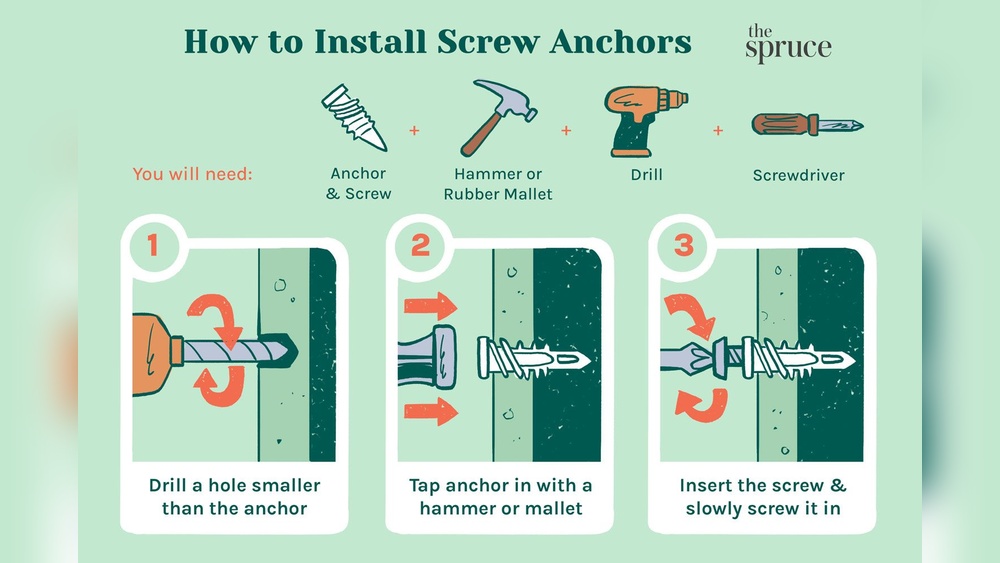
Start by drilling a hole in the concrete. Choose a drill bit that matches the anchor size. Clean dust from the hole using a brush or air blower. Insert the expansion anchor carefully into the hole. Tap it lightly with a hammer to set it. Tighten the bolt to expand the anchor inside the concrete. This expansion locks the anchor firmly in place.
Using Sleeve Anchors
Drill a hole slightly larger than the sleeve diameter. Remove dust and debris from the hole. Insert the sleeve anchor fully into the hole. Tap it gently to fit flush with the surface. Tighten the nut on the anchor bolt. As you tighten, the sleeve expands outward. This expansion grips the concrete tightly, holding the anchor securely.
Setting Epoxy Anchors
Drill a clean hole to the required depth. Clear dust and debris completely using a vacuum or air blower. Inject epoxy resin into the hole. Fill it about halfway or as instructed. Insert the threaded rod or rebar into the epoxy-filled hole. Twist slightly to spread the epoxy evenly. Allow the epoxy to cure fully before applying load. This method forms a strong chemical bond with concrete.
Attaching The Wall Frame
Attaching the wall frame to a concrete slab is a key step in building strong walls. This process keeps the structure steady and safe. Proper attachment prevents movement and damage over time. Follow clear steps to align, secure, and check the wall frame. Each step matters for a lasting build.
Aligning The Wall
Place the wall frame on the slab carefully. Check that it matches your marks or layout lines. Use a level tool to make sure the frame stands straight up. Adjust the frame until it is perfectly vertical. Straight walls look better and hold up well.
Securing With Fasteners
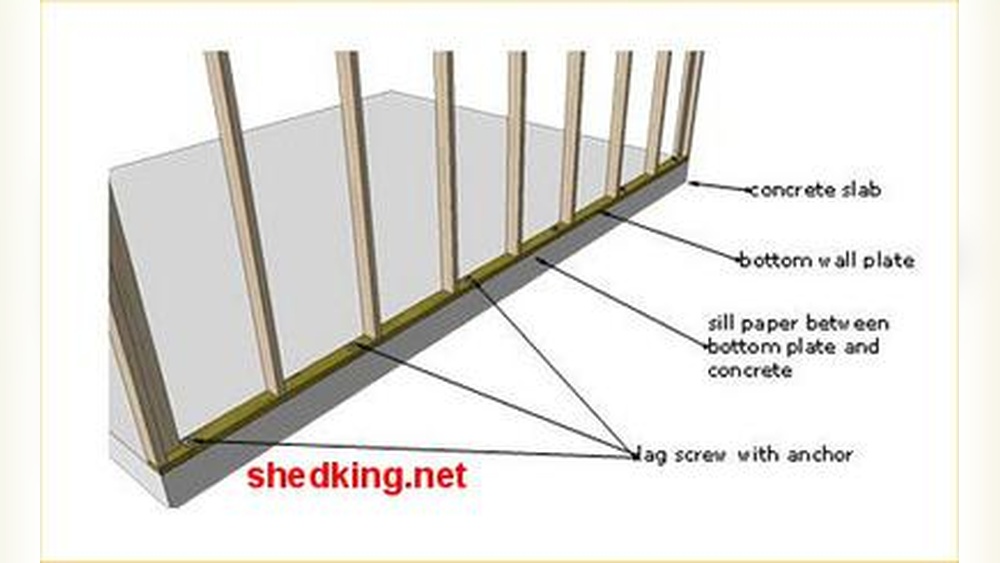
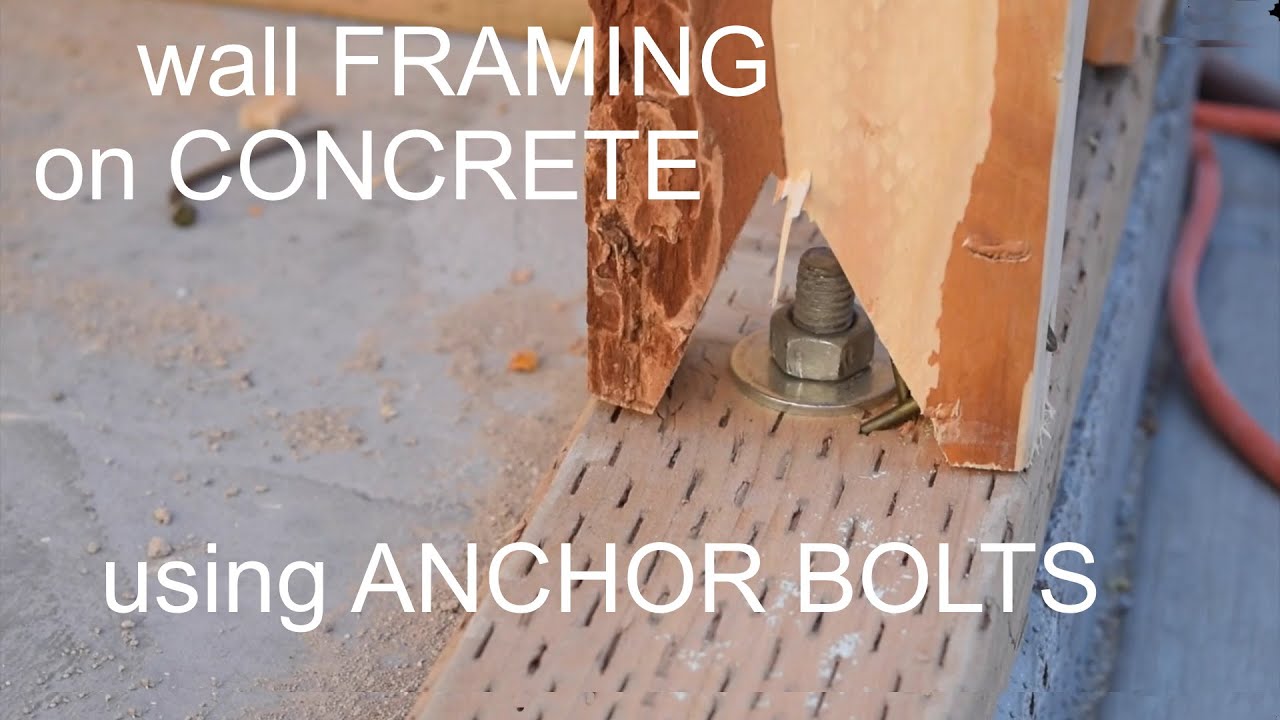
Choose the right fasteners for concrete, like anchor bolts or concrete screws. Drill holes through the wall bottom plate into the slab. Insert the fasteners tightly to hold the frame in place. Tight fasteners stop the wall from shifting or lifting.
Checking Stability
Push the wall gently from different sides to test strength. No wobbling means the frame is secure. Double-check all fasteners are tight and flush with the wood. A stable wall frame is ready for the next construction steps.
Common Mistakes To Avoid
Anchoring a wall to a concrete slab requires care and precision. Mistakes can weaken the hold or cause damage. Avoiding common errors helps ensure a strong, lasting bond. Pay close attention to each step for better results.
Incorrect Anchor Selection
Choosing the wrong anchor can cause failure. Different anchors suit different loads and concrete types. Use anchors designed for your wall’s weight and the slab’s condition. Avoid cheap or mismatched anchors that may not hold well.
Improper Drilling Depth
Drilling too shallow or too deep affects anchor strength. Shallow holes prevent full anchor expansion. Too deep holes reduce grip and stability. Measure and mark the drill depth before starting. Use a depth stop or tape on the drill bit.
Overtightening Fasteners
Overtightening can crack concrete or strip anchors. Tighten fasteners just enough to hold firmly. Excess force damages both the anchor and slab. Use a torque wrench or follow manufacturer guidelines for correct tightness.
Credit: www.youtube.com
Frequently Asked Questions
How Do You Anchor A Wall To A Concrete Slab?
To anchor a wall to a concrete slab, drill holes into the slab and insert anchor bolts. Secure the wall frame using these bolts for strong attachment and stability.
What Tools Are Needed For Anchoring Walls To Concrete?
You need a hammer drill, masonry bit, anchor bolts, a wrench, and a level. These tools help ensure precise and secure wall anchoring to the slab.
Can I Anchor A Wall Without Drilling Into Concrete?
No, drilling is essential to create holes for anchor bolts. This ensures the wall is firmly secured to the concrete slab and prevents shifting.
What Types Of Anchors Work Best For Concrete Slabs?
Expansion bolts, wedge anchors, and sleeve anchors work best. These provide strong hold and are designed to resist heavy loads and vibrations.
Conclusion
Anchoring a wall to a concrete slab ensures strong support and safety. Use the right tools and follow steps carefully. Check measurements twice to avoid mistakes. Secure anchors tightly for lasting stability. Taking time to do it right saves future repairs.
A sturdy wall stands firm against weather and pressure. Keep your work area clean and organized throughout. Trust the process, and your wall will hold well. Simple steps lead to solid results every time.