Are you tired of nails that won’t hold or screws that slip out of your wall? Learning how to put a plastic anchor into the wall can change the way you hang your favorite pictures, shelves, or mirrors.
It’s simple, quick, and gives your items the strong support they need. In this guide, you’ll discover easy steps that anyone can follow, no matter your experience level. Keep reading, and you’ll gain the confidence to tackle your next wall project like a pro.

Credit: www.reddit.com
Choosing The Right Anchor
Choosing the right plastic anchor is key to a strong hold in your wall. Different anchors suit different wall types and weights. Using the wrong anchor can cause damage or make your item fall. This guide helps you pick the best anchor for your project.
Types Of Plastic Anchors
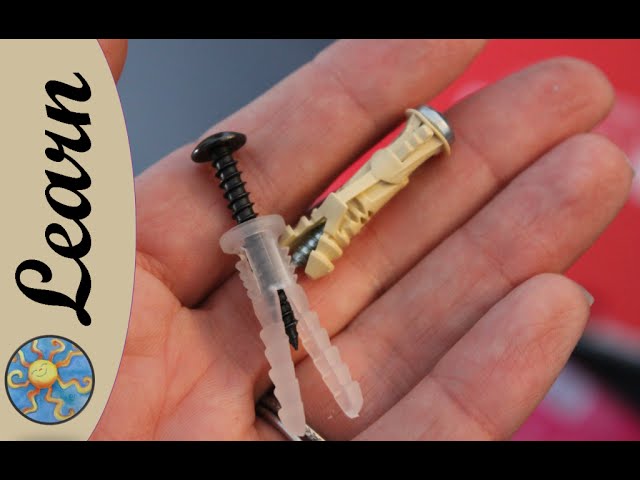
Plastic anchors come in many shapes and sizes. The most common types include expansion anchors, self-drilling anchors, and hollow wall anchors. Expansion anchors expand inside the wall as you screw into them. Self-drilling anchors cut their own hole and are easy to use. Hollow wall anchors are best for drywall and hollow spaces. Each type fits specific needs and wall conditions.
Matching Anchor To Wall Material
Walls vary. Some are drywall, plaster, brick, or concrete. Each wall needs a suitable anchor. Drywall requires hollow wall or expansion anchors. Brick and concrete need heavy-duty anchors that hold tightly. Always check your wall type before choosing an anchor. This ensures safety and strong support for your items.
Credit: www.youtube.com
Tools You’ll Need
To put a plastic anchor into the wall, you need the right tools. Having the correct tools makes the job faster and easier. It also helps you avoid damage to the wall or the anchor. Below are the basic tools you will need for this task.
Drill And Drill Bits
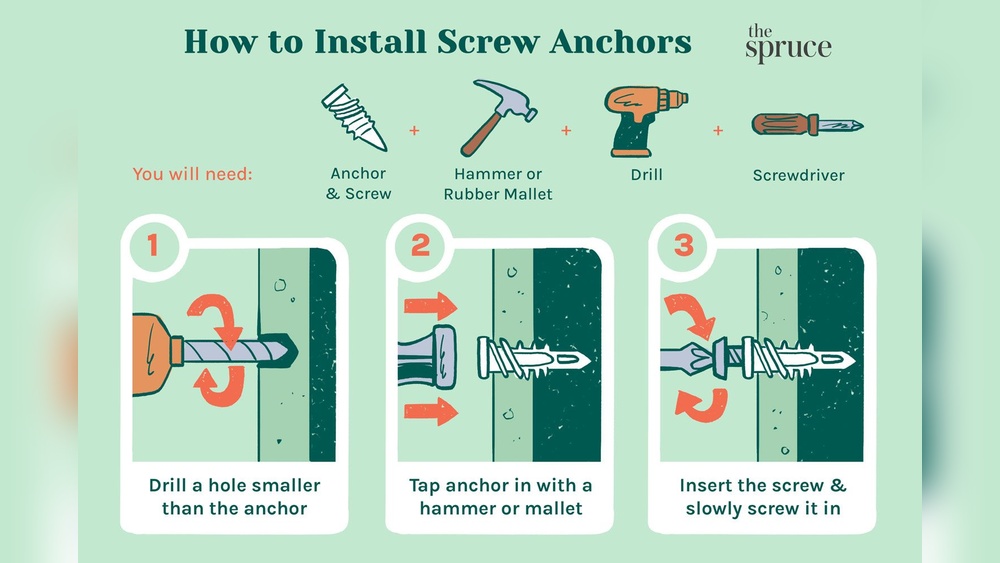
A drill is essential for making a hole in the wall. Choose a drill bit that matches the size of the anchor. The hole should be just big enough for the anchor to fit snugly. Use a drill with good control to avoid cracking the wall.
Screwdriver And Screws
You will need a screwdriver to insert the screw into the anchor. Match the screwdriver type to the screw head, like Phillips or flathead. Use screws that fit the plastic anchor size for a secure hold. The screw helps expand the anchor inside the wall.
Measuring Tools
Use a tape measure or ruler to mark the exact spot on the wall. This ensures the anchor goes in the right place. A pencil helps mark the drilling point clearly. Measuring keeps your project neat and accurate.
Preparing The Wall
Preparing the wall is the first step to properly install a plastic anchor. It helps ensure the anchor will hold strong and the item will stay secure. Taking time to prepare avoids mistakes and damage to the wall.
Marking The Spot
Find the exact place where the anchor will go. Use a pencil to mark a small dot on the wall. Check the height and position carefully. Make sure the spot is level if you hang something like a shelf. A clear mark guides your drilling and keeps the work neat.
Checking For Obstacles
Look inside the wall for pipes, wires, or studs. Use a stud finder or tap the wall gently to listen for hollow areas. Avoid drilling into cables or plumbing. This step prevents accidents and damage. Knowing where obstacles are keeps the installation safe and effective.
Drilling The Hole
Drilling the hole is the first key step to install a plastic anchor into the wall. It creates the right space for the anchor to fit securely. Drilling with care prevents damage to the wall and ensures a strong hold. Follow simple steps for a neat and safe hole.
Selecting The Drill Bit Size
Pick a drill bit that matches the size of your plastic anchor. The hole should be just big enough for the anchor to fit snugly. Too small a hole can crack the wall or the anchor. Too large a hole makes the anchor loose and weak. Check the anchor package for the recommended drill bit size.
Drilling Technique
Hold the drill steady and straight to the wall. Start drilling slowly to avoid slipping. Drill at a steady speed to keep the hole clean. Stop drilling once you reach the right depth. Clear out dust from the hole before inserting the anchor. A clean hole helps the anchor grip better.
Inserting The Plastic Anchor
Inserting the plastic anchor into the wall is a key step for a strong hold. The anchor must fit snugly to support screws without slipping or damaging the wall. Careful alignment and gentle pressure ensure the anchor stays in place. Follow these steps to insert the anchor properly and prepare your wall for hanging items securely.
Aligning The Anchor
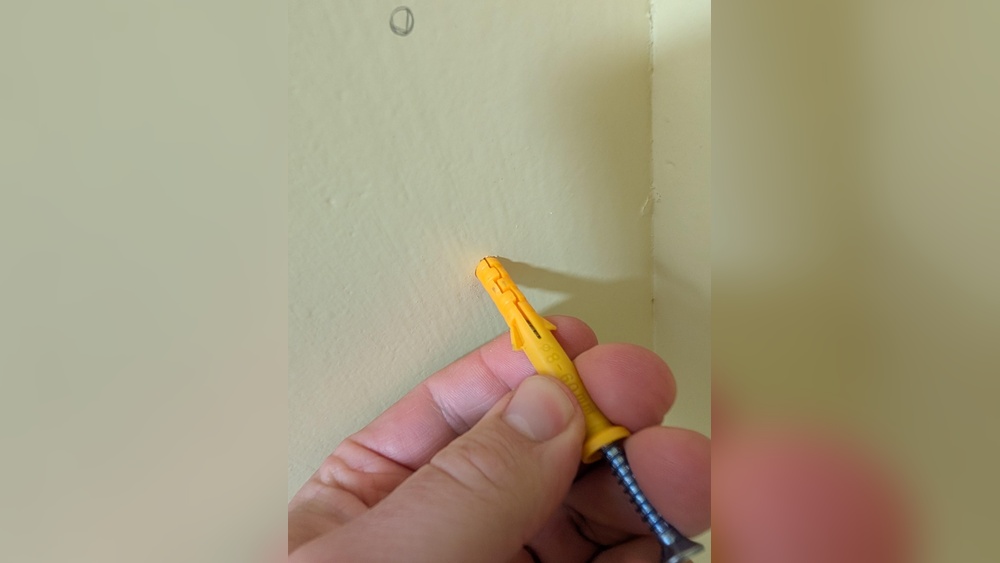
Hold the plastic anchor near the drilled hole. Make sure the anchor’s tip matches the hole’s size. Align it straight with the wall surface. Avoid tilting the anchor to prevent cracks or loose fitting. A well-aligned anchor slides in smoothly and holds tightly.
Pushing Or Tapping Into Place
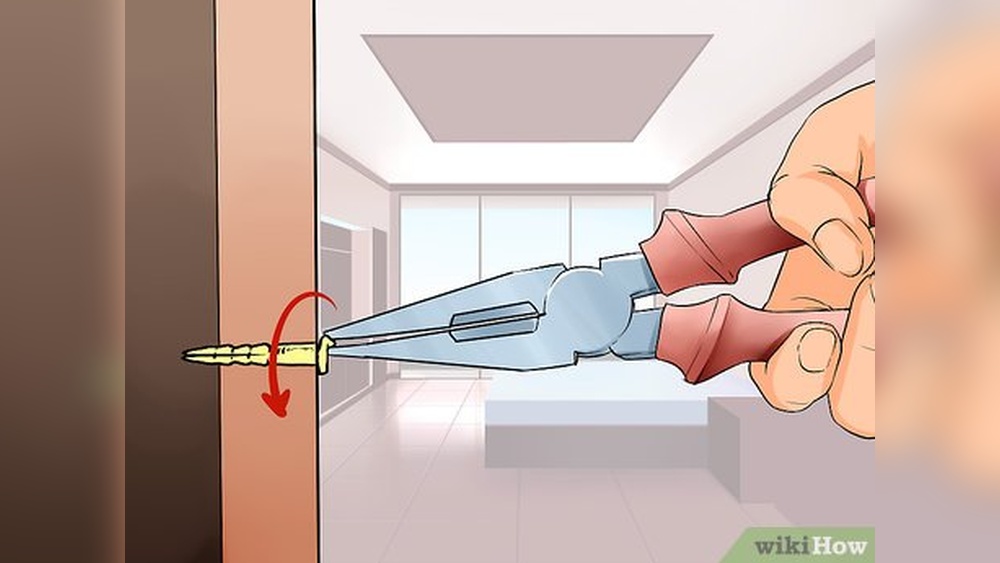
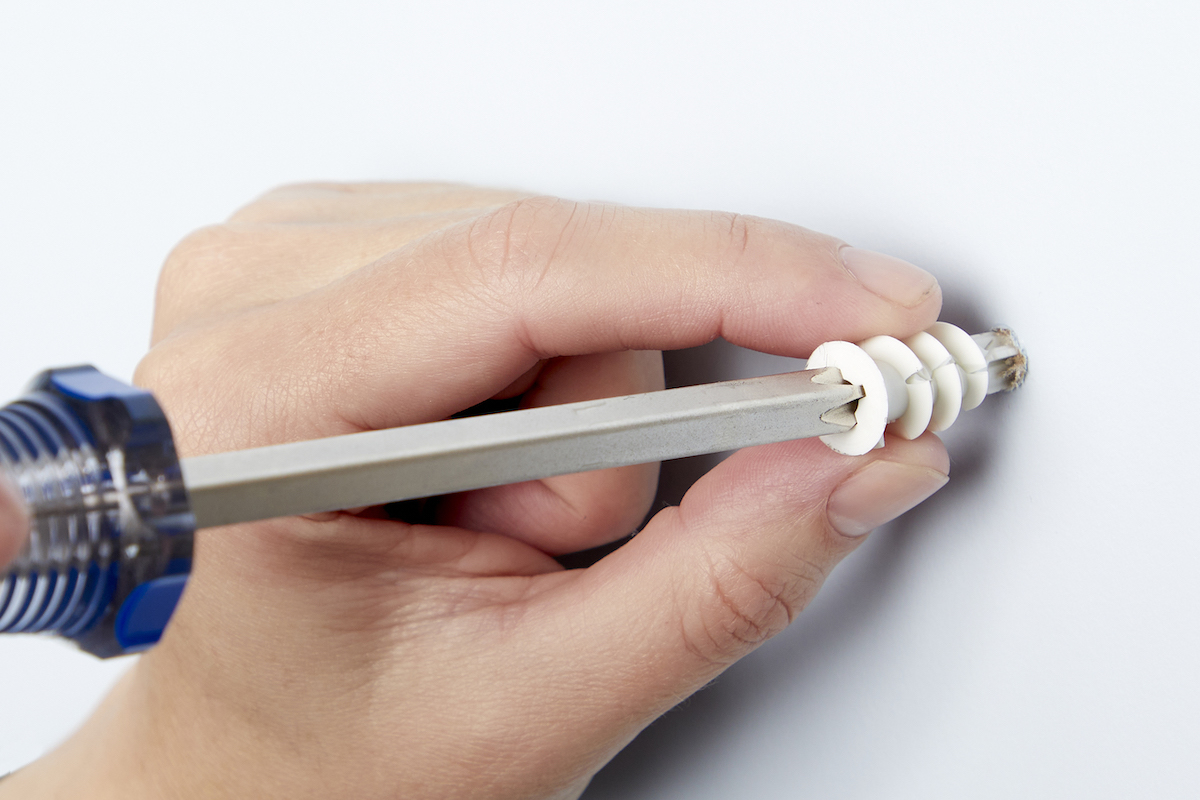
Push the anchor gently into the hole with your thumb. If it resists, tap it lightly with a hammer handle. Tap slowly to avoid breaking the anchor or damaging the wall. Stop when the anchor’s flange is flush with the wall. The anchor is now ready for the screw, providing strong support.
Credit: www.bobvila.com
Securing The Screw
Securing the screw is the final step after placing the plastic anchor in the wall. This step holds your item firmly and prevents damage to the wall. It needs care and the right tools to work well.
Choosing The Right Screw
Select a screw that fits the anchor size perfectly. Too big, and it will crack the anchor. Too small, and it won’t hold tight. Check the package of your anchor for screw size advice. Use screws made of strong material to support weight safely.
Driving The Screw Properly
Start by placing the screw at the anchor’s opening. Use a screwdriver or a drill with a slow speed setting. Turn the screw gently to avoid breaking the anchor. Stop when the screw head is flush with the wall surface. Do not overtighten, as this can strip the anchor or damage the wall.
Common Mistakes To Avoid
Putting a plastic anchor into the wall seems simple but often goes wrong. Many people make small mistakes that cause the anchor to fail. Avoiding these errors helps the anchor hold tight and keeps your wall safe.
Wrong Anchor Size
Choosing the wrong anchor size is a common error. A too-small anchor won’t hold the screw firmly. The screw may spin or fall out easily. A too-large anchor can crack the wall or not fit properly. Match the anchor size to the screw and wall type. Check the package instructions carefully before starting.
Over-tightening The Screw
Over-tightening the screw can damage the anchor and wall. Turn the screw slowly and stop when it feels tight. Too much force can crack the anchor or make it lose grip. The screw should be snug but not forced. Use a screwdriver, not a drill, for better control.
Tips For A Strong Hold
Getting a strong hold from a plastic anchor is key for secure wall attachments. This section shares simple tips to boost anchor strength. Follow these steps for better grip and safety.
Using Anchors In Different Wall Types
Plastic anchors work differently in drywall, plaster, and concrete. In drywall, choose anchors with wide wings for firm grip. For plaster walls, drill slowly to avoid cracks. Concrete needs a hammer drill for a tight hole. Match anchor type to wall material for best results.
Additional Support Options
Use screws that fit the anchor size exactly. Too small or big screws weaken the hold. Tighten screws carefully to avoid breaking the anchor. For heavy items, consider using toggle bolts or metal anchors. These provide extra strength beyond plastic anchors.
Frequently Asked Questions
How Do You Choose The Right Plastic Anchor Size?
Choose a plastic anchor size based on the screw size and wall weight. Match the anchor to the screw diameter for a secure fit. Consider wall type and load capacity to avoid damage or failure.
What Tools Are Needed To Install Plastic Anchors?
You need a drill with a proper drill bit, a hammer, and a screwdriver. A level and tape measure help ensure precise placement. These tools make installation easier and secure.
Can Plastic Anchors Hold Heavy Items On Drywall?
Plastic anchors support light to medium loads on drywall. For heavy items, use metal anchors or toggle bolts. Always check the anchor’s weight rating to ensure safety.
How Deep Should The Hole Be For A Plastic Anchor?
Drill the hole slightly deeper than the anchor length. This allows the anchor to fit fully without resistance. Proper depth ensures a snug and secure hold.
Conclusion
Putting a plastic anchor into the wall is simple and quick. First, choose the right size anchor for your project. Drill a hole that matches the anchor size. Gently push the anchor into the hole until it fits snugly. Then, insert the screw to hold your item firmly.
This method keeps things secure and prevents damage. Practice a few times to feel confident. Now, you can hang shelves, pictures, or hooks with ease. Small steps lead to strong results. Give it a try today!