Are you tired of struggling to hang shelves, pictures, or hooks only to have them fall off the wall? Installing a plastic wall anchor might be the simple fix you need.
It’s a quick and reliable way to secure items firmly, even in drywall or hollow walls. In this guide, you’ll learn exactly how to install a plastic wall anchor step-by-step, so your belongings stay put and your walls stay damage-free.
Keep reading, and you’ll master this easy skill that saves you time, effort, and frustration.

Credit: www.youtube.com
Choosing The Right Anchor
Choosing the right plastic wall anchor is important for a strong hold. Different anchors suit different walls and weights. Picking the correct type and size makes your project safer and easier. This guide helps you find the best anchor for your needs.
Types Of Plastic Wall Anchors
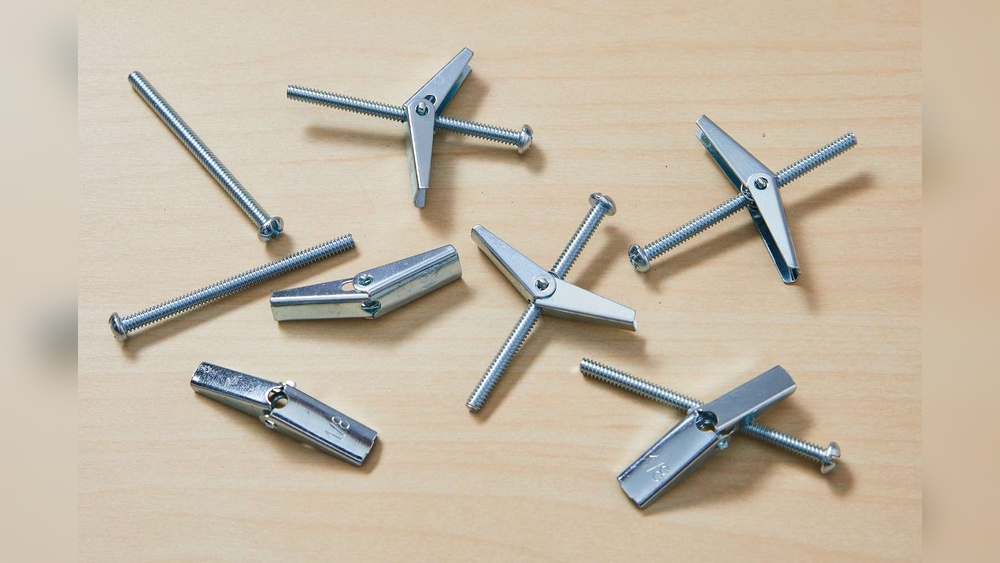
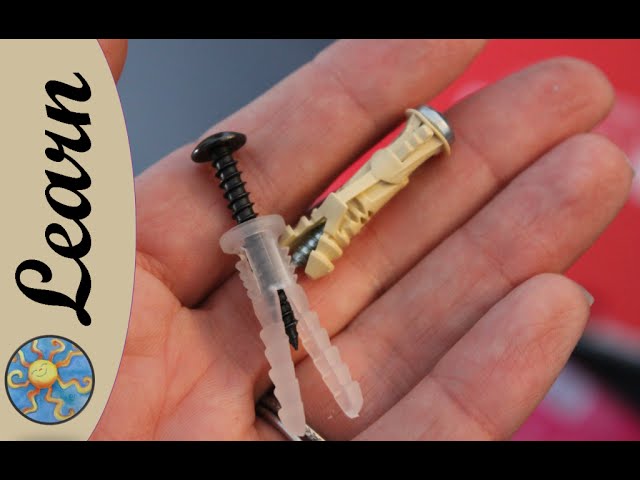
Plastic wall anchors come in several types. Expansion anchors spread out inside the wall for a tight fit. Threaded anchors screw into drywall, creating a secure hold. Toggle anchors use a spring mechanism to grip inside hollow walls. Each type works best in certain wall materials and load conditions.
Matching Anchors To Wall Materials
Walls vary: drywall, plaster, concrete, or brick. Expansion anchors suit drywall and plaster. Concrete and brick need heavy-duty anchors with strong grip. Hollow walls require toggle or threaded anchors for stability. Match the anchor type to your wall for a firm installation.
Selecting Anchor Size
Anchor size depends on the weight of the item you hang. Small anchors hold light objects like picture frames. Larger anchors support heavier items like shelves or TVs. Check the anchor package for weight limits. Choose an anchor slightly bigger than the screw size for a snug fit.
Gathering Tools And Materials
Before installing a plastic wall anchor, gather all necessary tools and materials. This step makes the process smooth and quick. Having everything ready helps avoid interruptions and mistakes. It also ensures safety during the installation.
Essential Tools Needed
Start with a drill or screwdriver for making holes. Choose a drill bit matching the anchor size. A hammer is useful to tap the anchor into the wall. A tape measure helps to mark the exact spot. A pencil is needed to mark drill points clearly. Keep a level handy to ensure straight placement. These tools are basic but crucial for success.
Safety Equipment
Protect your eyes with safety goggles to avoid dust and debris. Wear gloves to protect your hands from sharp tools. Use a dust mask if drilling into drywall or plaster. This prevents inhaling harmful particles. Safety comes first to avoid injuries and health issues. Prepare these items before starting the work.
Preparing The Wall
Preparing the wall is an important step before installing a plastic wall anchor. It ensures the anchor fits securely and holds strong. Proper preparation prevents damage to the wall and keeps your fixtures stable.
Follow these steps carefully to get the best results.
Locating The Drilling Spot
Choose a spot on the wall where you want to place the anchor. Check for any wires or pipes behind the wall. Use a stud finder to avoid drilling into studs or obstacles. Pick a clear area free from cracks and damage.
Marking The Hole Position
Use a pencil to mark the exact point for drilling. Hold the fixture or bracket against the wall. Mark the spot through the mounting hole. Double-check the mark to make sure it is correct. This helps guide your drill and keeps the hole precise.
Drilling The Hole
Drilling the hole is a crucial step when installing a plastic wall anchor. A clean, correctly sized hole ensures the anchor fits tightly. This strong fit keeps your wall mount or fixture secure. Take time to prepare your drill and measure carefully. Precise drilling prevents damage to the wall and makes the installation easier.
Choosing The Right Drill Bit
Select a drill bit that matches the anchor size exactly. Check the anchor packaging for the recommended drill bit diameter. Using a bit too large creates a loose hole. A bit too small can crack the anchor or wall. Prefer a masonry bit for concrete or brick walls. Use a standard twist bit for drywall or wood. Sharp bits make clean holes and reduce wall damage.
Drilling Techniques For Clean Holes
Mark the spot clearly before drilling. Hold the drill steady and perpendicular to the wall. Start drilling slowly to create a guide hole. Increase speed gradually but keep control. Avoid pushing too hard; let the drill do the work. Pull the bit out occasionally to clear dust. Clean holes allow anchors to grip tightly and prevent wobbling.
Inserting The Plastic Anchor
Inserting the plastic anchor correctly is important for a strong hold. This step prepares the wall to support screws and hang items safely. Follow simple methods to place the anchor without damage. Use the right tools and care to ensure the anchor fits well inside the wall.
Proper Insertion Methods
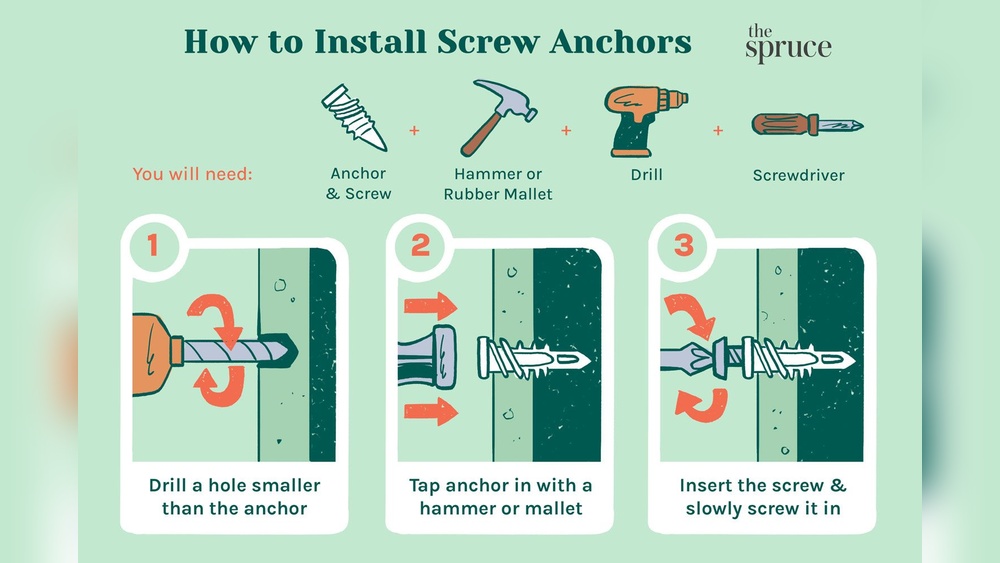
Start by drilling a hole that matches the anchor size. The hole should be clean and free of dust. Gently push the plastic anchor into the hole. Use a hammer if needed, tapping softly to avoid breaking it. The anchor should sit flush with the wall surface. Avoid forcing it too hard to keep the wall intact.
Ensuring A Secure Fit
Check that the anchor does not move inside the hole. It should fit tightly to hold screws firmly. If the anchor is loose, remove it and try a larger size. A secure fit prevents the anchor from pulling out under weight. Test by pressing lightly and turning the anchor. A good fit means the wall is ready for the screw.
Credit: www.youtube.com
Installing The Screw
Installing the screw is the key step after placing the plastic wall anchor. It holds your item firmly on the wall. Doing it right ensures strong support and prevents damage.
Selecting The Correct Screw
Choose a screw that fits the wall anchor well. It should be long enough to go deep inside the anchor. Not too long, or it may break the wall. Not too short, or it won’t hold securely.
Check the package instructions for the right screw size. The screw diameter must match the anchor’s hole. This helps the anchor expand and grip the wall tightly.
Driving The Screw Safely
Start driving the screw slowly by hand or with a screwdriver. Avoid using a power drill on high speed. It can strip the anchor or damage the wall.
Turn the screw gently until you feel resistance. Stop when the screw head is flush with the item’s surface. Tighten just enough. Too much force can crack the wall or anchor.
Testing Anchor Strength
Testing the strength of a plastic wall anchor is important for safety. It ensures the anchor holds the weight and does not come loose over time. This step helps avoid damage to walls and keeps items secure.
After installing the anchor, test its stability before hanging anything heavy. A strong anchor supports weight firmly without shifting or pulling out.
Checking Stability
Gently pull or twist the anchor after installation. It should feel solid and stay in place. Move it slightly to check if it wiggles or feels loose. A stable anchor will not move easily.
Use your hand to apply light pressure. Avoid using too much force at this stage. If the anchor holds steady, it is ready for use.
Troubleshooting Loose Anchors
If the anchor moves or feels loose, remove it carefully. Check the hole size and depth. A hole that is too big or shallow causes poor grip.
Fill the hole with a suitable filler or use a larger anchor. Drill a new hole if needed. Repeat the installation and test again. Only use anchors that fit snugly and do not wiggle.

Credit: www.picturehangsolutions.com
Frequently Asked Questions
What Tools Do I Need To Install Plastic Wall Anchors?
You need a drill, drill bits, a screwdriver, and the plastic wall anchors. A hammer may help. These tools ensure easy and accurate installation.
How Do I Choose The Right Size Plastic Wall Anchor?
Select an anchor size based on the screw size and wall material. The anchor should fit snugly in the drilled hole for strong support.
Can Plastic Wall Anchors Hold Heavy Items Securely?
Plastic anchors support light to medium loads. For heavy items, use metal anchors or toggle bolts for better strength and safety.
How Deep Should I Drill For A Plastic Wall Anchor?
Drill a hole slightly deeper than the anchor length. This allows the anchor to fit fully inside the wall for maximum grip.
Conclusion
Installing a plastic wall anchor is simple and useful. First, choose the right size for your wall and screw. Drill a hole, insert the anchor, and push it in firmly. Then, screw in your fixture carefully. This method holds items securely on drywall or plaster.
Practice these steps to feel confident. Soon, hanging shelves or pictures will be easy. Keep tools and anchors handy for quick fixes. Small tasks like this save time and money. Try it yourself and see how well it works.