Are you struggling to hang heavy items on your walls without worrying about them falling down? Understanding how toggle bolt wall anchors work can make all the difference.
These clever tools provide strong support in drywall and hollow walls, giving you the confidence to secure shelves, mirrors, and more. Keep reading to discover exactly how toggle bolt anchors hold firm and why they might be the perfect solution for your next project.

Credit: toggler.com
Types Of Toggle Bolt Anchors
Toggle bolt anchors come in different types. Each type works well for certain wall materials and loads. Knowing the differences helps you pick the right anchor for your project. Below are the common types of toggle bolt anchors.
Standard Toggle Bolts
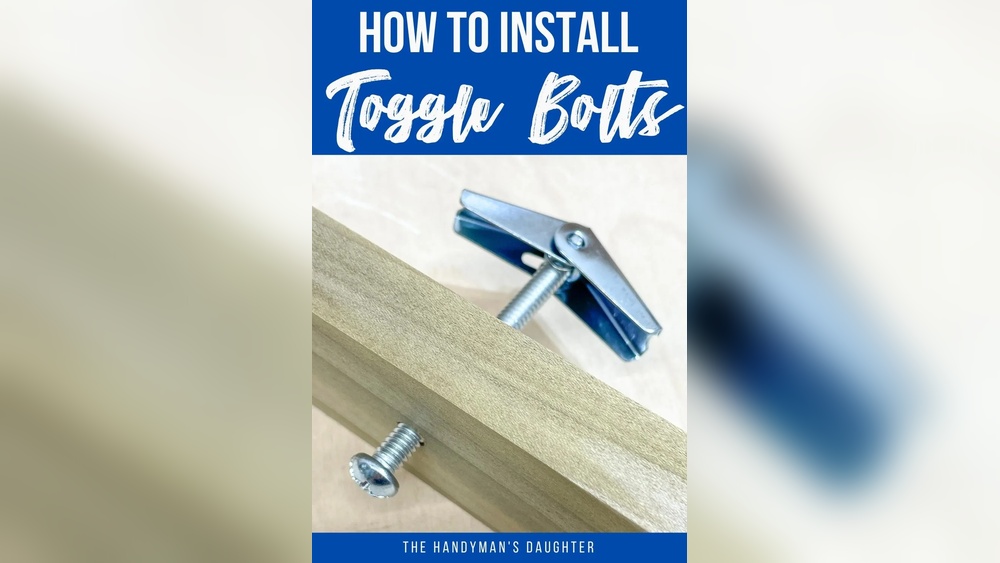
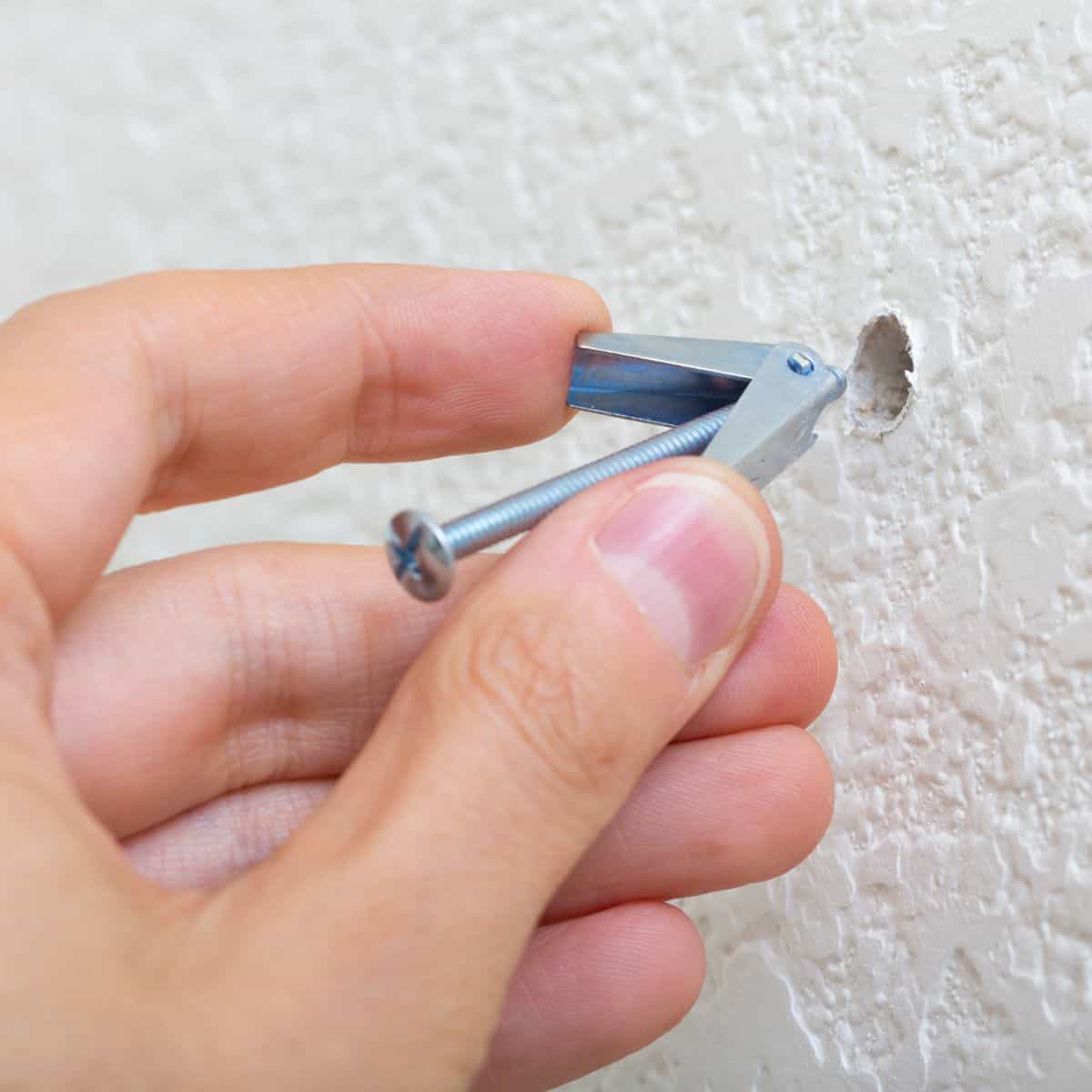
Standard toggle bolts have metal wings that fold flat. Inserted through a drilled hole, the wings open behind the wall. This spreads the load over a wide area. They hold heavy items on drywall or hollow walls. You tighten the bolt to pull the wings tight against the wall.
Snap Toggle Anchors
Snap toggle anchors have a plastic strap and metal toggle. The toggle snaps open behind the wall. The strap stays outside the wall to hold the anchor in place. This makes installation faster and easier. Snap toggles work well in thick or uneven walls.
Wing Toggle Anchors
Wing toggle anchors have larger wings than standard types. The wings fold to fit in the hole and open fully inside the wall. They offer strong support for heavy items. Wing toggles are good for hollow walls and ceilings. The wide wings reduce wall damage by spreading the load.
Materials And Design
Toggle bolt wall anchors have a simple but effective design. Their materials and structure make them strong and reliable. Understanding these parts helps to see how they work in walls. Each component plays a special role in holding heavy items securely.
Metal Components
Most toggle bolts use metal for their main parts. The bolt and wings are usually steel. Steel gives strength and stops bending. The wings fold to fit inside a hole. Once inside, they open wide to hold the wall from behind. Metal parts last long and resist damage.
Plastic Alternatives
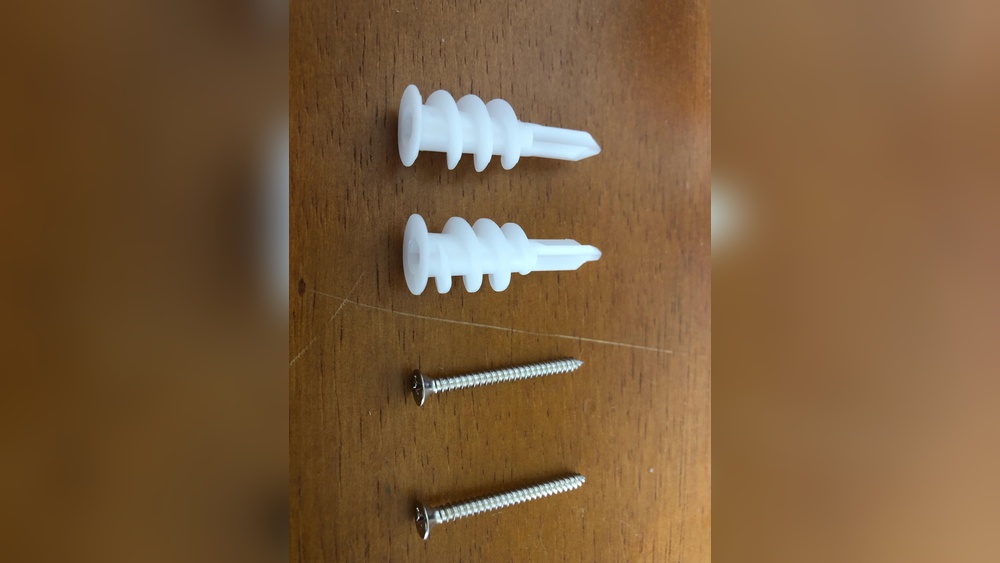
Some toggle anchors use plastic instead of metal wings. Plastic parts are lighter and do not rust. They work well for lighter loads. Plastic anchors are easy to install and cost less. They fit well in drywall and plaster walls. Still, they are not as strong as metal ones.
Spring Mechanism
The wings have a spring action to open automatically. This spring helps the wings snap open once inside the wall. It holds the anchor tight against the back of the wall. The spring also helps keep the wings in place during installation. This mechanism makes toggle bolts easy to use and secure.
Installation Process
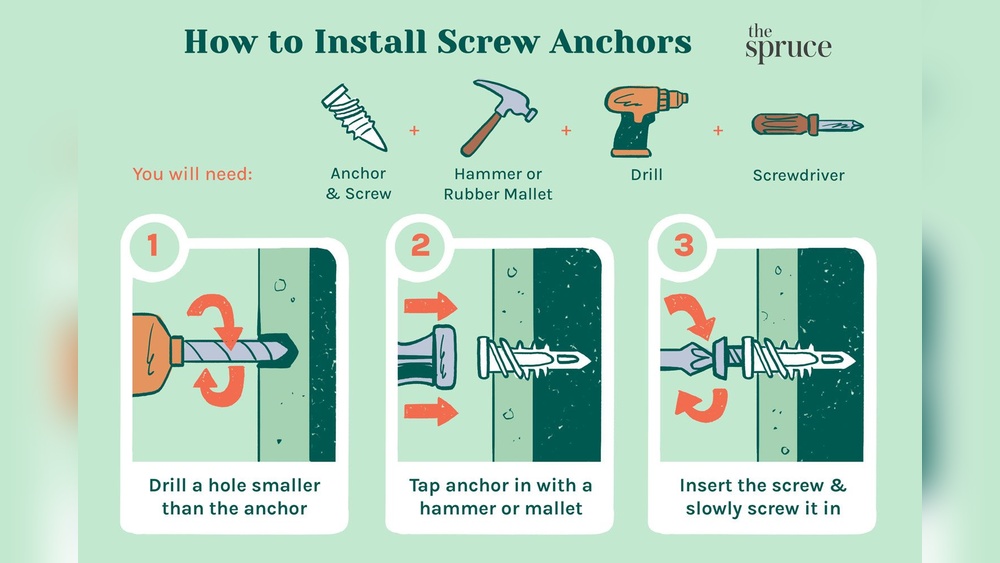
The installation process of toggle bolt wall anchors is simple and effective. It helps secure heavy items on drywall or hollow walls. Following each step carefully ensures a strong hold and prevents damage.
Drilling The Right Hole
Start by choosing the correct drill bit size. The hole must be big enough for the folded toggle to fit through. Drill the hole cleanly and straight into the wall. Avoid making the hole too large to keep the anchor secure.
Inserting The Toggle Bolt
Fold the toggle wings together to fit inside the hole. Push the toggle bolt through the drilled hole gently. Once inside the wall cavity, the wings will open automatically. This creates a firm grip behind the wall surface.
Securing The Anchor
Pull the bolt slightly to keep the wings tight against the wall. Turn the screw clockwise to tighten the anchor. As you tighten, the wings press firmly on the inside wall. This locks the anchor in place, ready to hold heavy objects safely.
Load-bearing Capabilities
Toggle bolt wall anchors are popular for their strong load-bearing abilities. They spread weight across a larger area behind the wall. This prevents damage and keeps items secure. Understanding how much weight they hold helps you pick the right anchor for your project.
These anchors work well in different wall types, but their strength varies. Knowing their limits ensures safety and durability for hanging heavy objects.
Weight Limits On Drywall
Toggle bolts can hold more weight than simple plastic anchors on drywall. Small toggle bolts hold about 30 to 50 pounds. Larger ones can hold up to 100 pounds or more. The exact weight depends on the size of the toggle and the thickness of the drywall. Always check the package for specific weight ratings.
Performance On Hollow Walls
Hollow walls, like those with plaster or paneling, need strong anchors. Toggle bolts open behind the wall, gripping the inside surface. This grip spreads the load evenly and prevents the anchor from pulling out. They work well in hollow spaces where screws alone would fail.
This makes toggle bolts a reliable choice for heavy mirrors, shelves, and cabinets on hollow walls.
Strength Comparison With Other Anchors
Toggle bolts are stronger than plastic or expansion anchors. Plastic anchors often fail under heavy loads. Molly bolts are good but usually hold less weight than toggle bolts. Toggle bolts provide a wider grip area behind the wall. This wider grip increases their holding power.
For heavy-duty support, toggle bolts often outperform other common wall anchors.
Common Applications
Toggle bolt wall anchors are popular for supporting heavy items on drywall. Their design spreads weight evenly, making them reliable. These anchors work well in many home projects. Here are some common uses where toggle bolts prove very effective.
Mounting Shelves
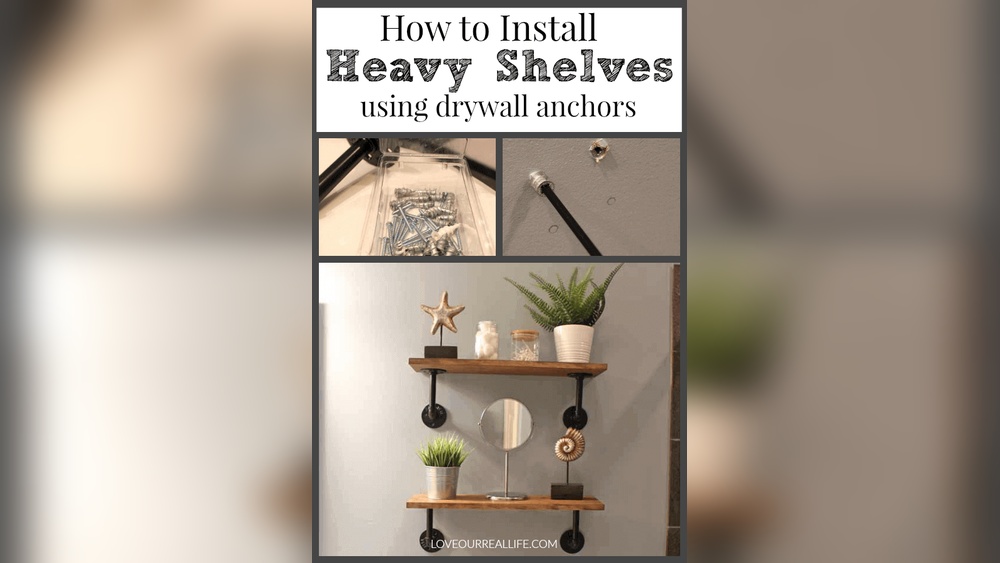
Shelves hold books, decorations, and kitchen items. Drywall alone cannot support heavy shelves. Toggle bolts secure the shelf brackets firmly. They prevent shelves from pulling out under weight. This makes them ideal for sturdy shelf installation.
Hanging Heavy Mirrors
Mirrors are often large and heavy. They need strong anchors to stay safe on walls. Toggle bolts hold mirror frames tightly against drywall. This keeps mirrors stable and prevents accidents. They provide peace of mind for heavy wall hangings.
Installing Bathroom Fixtures
Bathroom fixtures like towel racks and shelves require solid support. Walls in bathrooms often have drywall or tile. Toggle bolts can anchor these fixtures securely. They resist moisture and weight well. This ensures fixtures stay fixed and functional.
Credit: www.thehandymansdaughter.com
Troubleshooting Tips
Troubles with toggle bolt wall anchors can slow down your project. Simple fixes can save time and prevent damage. Knowing how to handle common problems helps keep your walls safe and your anchors strong.
Avoiding Wall Damage
Drill the right hole size for the toggle bolt. A hole too big weakens the wall. Use a level to mark the spot before drilling. This keeps the anchor straight and secure. Avoid forcing the toggle through the hole. Gentle pressure protects your drywall or plaster.
Dealing With Loose Anchors
Loose anchors mean the toggle didn’t open fully behind the wall. Pull out the toggle bolt and check the wings. Make sure they open wide and lock firmly. Use a thicker toggle bolt for heavier items. Tighten the bolt steadily to avoid spinning or slipping.
Removing Toggle Bolts
Removing toggle bolts can be tricky. Unscrew the bolt gently until it comes free. The toggle will stay behind the wall. Push the toggle through the hole with a stick or wire. If it won’t budge, drill a bigger hole carefully. Clean the hole before installing a new anchor.
Safety Precautions
Safety comes first when using toggle bolt wall anchors. These anchors hold heavy objects on walls, so careful handling is key. Following safety steps protects you and ensures the anchor works well.
Proper Tools To Use
Use the right tools for the job. A drill with the correct bit size is essential. Avoid using tools that do not fit the anchor size. A screwdriver or drill driver helps tighten the bolt securely. Check tools before starting to avoid accidents.
Protective Gear Recommendations
Wear safety glasses to protect your eyes from dust and debris. Gloves protect your hands from sharp edges or rough surfaces. A dust mask helps if drilling creates a lot of dust. Dress in clothes that cover your arms and legs for extra safety.
Ensuring Secure Installation
Mark the spot clearly before drilling. Drill a clean, straight hole to fit the toggle bolt. Insert the toggle carefully and check it opens behind the wall. Tighten the bolt firmly but do not overtighten. Test the anchor’s hold by gently pulling on the object.

Credit: www.youtube.com
Frequently Asked Questions
What Are Toggle Bolt Wall Anchors Used For?
Toggle bolt wall anchors secure heavy items to hollow walls. They provide strong support in drywall or plaster. Their wings spread inside the wall, distributing weight evenly.
How Do Toggle Bolt Anchors Hold Weight?
Toggle bolts expand behind the wall, creating a wide grip. This prevents pullout and supports heavy loads. Their design offers superior strength compared to regular anchors.
Can Toggle Bolts Be Reused After Installation?
No, toggle bolts cannot be reused once installed. The wings fold during insertion and lock inside the wall. Removing them damages the mechanism, requiring new anchors for reuse.
Are Toggle Bolts Suitable For All Wall Types?
Toggle bolts work best in hollow walls like drywall and plaster. They are not ideal for solid walls such as brick or concrete. Use specialized anchors for solid surfaces.
Conclusion
Toggle bolt wall anchors hold heavy items on hollow walls securely. They work by expanding behind the wall, creating strong support. Using them is simple with the right steps and tools. These anchors prevent damage and keep your items stable.
Remember to choose the right size for your project. Now you understand how toggle bolts provide reliable wall fastening. Try them for shelves, mirrors, or heavy pictures. They offer a safe and easy way to hang objects on drywall.