
Is your floor starting to sag and worry you about safety and damage? You’re not alone, and the good news is you don’t have to live with it.
Fixing a sagging floor might sound complicated, but with the right steps, you can lift it back to solid and steady. Imagine walking across your floor and feeling confident it won’t give way beneath you. In this guide, you’ll discover simple, clear instructions to jack up your sagging floor safely and effectively.
Keep reading, and you’ll learn how to protect your home and restore your peace of mind.
Signs Of A Sagging Floor
Recognizing the signs of a sagging floor is important to prevent bigger problems. Early detection helps fix the issue before it worsens. Some signs are easy to spot, while others need a closer look.
Visible Floor Dips
Check your floor for low spots or dips. These areas look sunken compared to the rest of the floor. They may feel uneven underfoot. Dips often mean the floor joists or supports are weak or damaged.
Uneven Door And Window Frames
Doors and windows that stick or do not close properly can signal a sagging floor. Frames may look crooked or twisted. Gaps around doors or windows can also appear. This happens because the floor shifts and changes the structure.
Creaking And Squeaking Sounds
Listen for creaks or squeaks when walking on the floor. These noises often come from loose or weakened floorboards. The sounds increase as the floor sags more. It means the floor is under stress and needs attention.

Credit: www.youtube.com
Causes Of Floor Sagging
Floors can sag for different reasons. Knowing these causes helps you fix the problem correctly. Sagging floors are not just an eyesore. They can also indicate bigger issues in your home. Identifying the cause is the first step to making your floor safe and strong again.
Foundation Settling
Foundation settling happens when the soil beneath your home shifts or sinks. This movement causes the floor above to lose support and sag. Older homes often face this problem. Uneven foundation settling can create dips or low spots in your floor. It needs attention to stop further damage.
Water Damage
Water damage weakens the wood and materials under your floor. Leaks from pipes or poor drainage cause this damage. Wet wood can rot, lose strength, and bend downwards. Even small water problems left untreated can cause sagging over time. Fixing leaks quickly helps protect your floors.
Poor Structural Support
Poor structural support means the floor’s frame is weak or damaged. This can happen if the joists are spaced too far apart. Using low-quality materials also causes weak support. Heavy furniture or constant pressure can push down a weak floor. Strong beams and proper spacing keep floors firm and level.
Tools And Materials Needed
Fixing a sagging floor requires the right tools and materials. Using proper equipment ensures the job is safe and effective. Prepare everything before starting to avoid delays and mistakes.
Floor Jacks And Supports
Floor jacks lift the sagging area slowly and evenly. Use strong, adjustable jacks made for flooring work. Support beams or posts hold the floor in place during the lift. Make sure supports are sturdy and fit tightly under the floor.
Measuring Instruments
Accurate measurements help track floor height changes. Use a level to check if the floor is flat. A tape measure measures distances between supports and jacks. Mark the floor to see how much it rises.
Safety Gear
Protect yourself with safety gear during the work. Wear gloves to avoid splinters and cuts. Use safety glasses to guard your eyes from dust. A hard hat protects your head from falling objects.
Preparing The Area
Preparing the area is the first step to fix a sagging floor. It helps you work safely and clearly see the problem. A clean and well-inspected space makes the job easier and faster. Follow these steps to get ready before jacking up the floor.
Clearing The Space
Remove all furniture and items from the room. This gives you room to work and prevents damage. Sweep or vacuum the floor to clear dust and debris. A clean floor helps you spot issues and place tools safely.
Inspecting Floor Joists
Look under the floor to find the joists. Use a flashlight to see them clearly. Check for cracks, rot, or damage in the wood. Strong joists are important for lifting the floor. Note any weak or broken joists for repair.
Marking Problem Areas
Use chalk or a pencil to mark sagging spots on the floor. Mark both the floor surface and the joists underneath. These marks guide you where to place the jack. Clear marks help avoid mistakes during lifting.
Step-by-step Floor Jacking Process
Fixing a sagging floor requires care and the right steps. The floor jacking process lifts the floor back to its level. This restores stability and prevents further damage. Follow each step closely for best results.
Patience is key. Lift the floor slowly to avoid cracks or breaks. Checking progress often keeps the job safe and precise.
Positioning The Floor Jacks
Start by placing floor jacks under the low spots. Use sturdy blocks to spread the weight. Position jacks on solid beams or joists. Avoid weak or damaged areas to prevent accidents. Space the jacks evenly for balanced lifting.
Gradual Lifting Techniques
Lift the floor slowly. Turn the jack handle just a little at a time. Stop and wait between lifts. This gives the wood time to adjust. Lift all jacks evenly to keep the floor level. Sudden or uneven lifting can cause new problems.
Monitoring Floor Level
Use a level tool to check the floor often. Measure at several points around the room. Adjust jacks based on these readings. Keep the floor as flat as possible. Regular checks ensure safe lifting and good results.

Credit: oldhousecrazy.com
Reinforcing For Lasting Support
Reinforcing a sagging floor is key to long-lasting support. Fixing the floor alone might not stop future problems. Adding extra support spreads the weight more evenly. This helps keep the floor stable and safe for years. Use strong materials and correct methods for the best results.
Installing Additional Beams
Adding extra beams under the floor helps carry the load. Place beams between the existing floor joists. Use sturdy wood or steel beams for strength. Secure the beams firmly to the foundation or walls. This reduces sagging by sharing the weight across more points.
Adding Support Posts
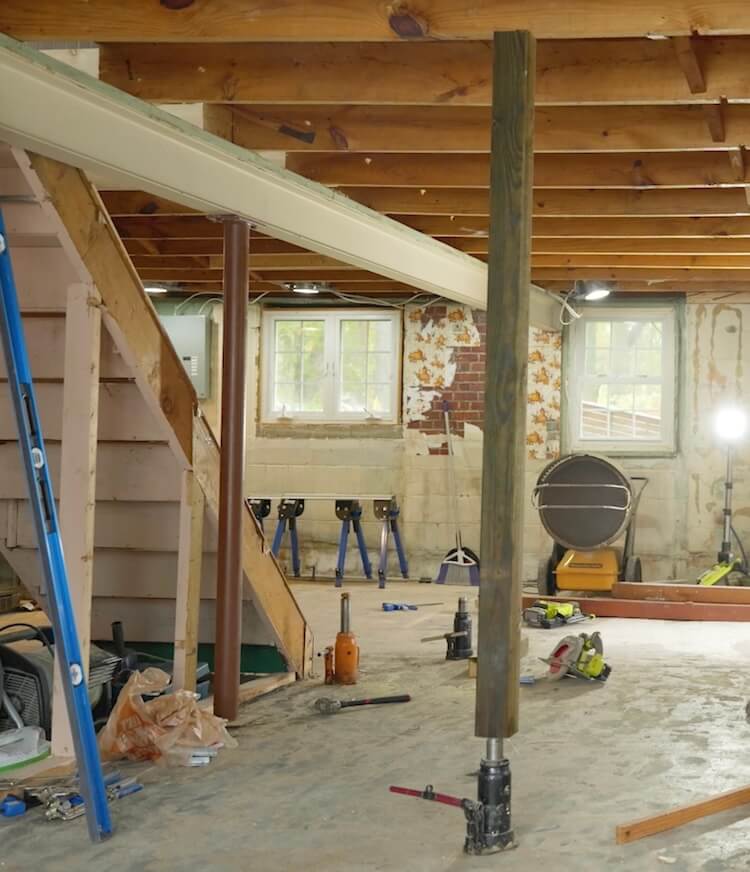
Support posts hold up beams and floor joists from below. Use metal or wooden posts that fit the space. Set posts on solid footings to avoid sinking. Adjust the posts to lift the sagging floor gently. This method raises the floor and keeps it steady.
Using Sister Joists
Sister joists are new joists attached to old ones for extra strength. Cut the new joists to match the length of the old ones. Nail or screw them tightly side by side. This reinforces weak joists and stops future sagging. Sister joists are a simple and effective fix.
Preventing Future Sagging
Stopping your floor from sagging again takes steady care. Fixing the floor is just the start. You need to keep it strong and level for years.
Preventing future sagging means controlling moisture, checking often, and sharing weight well. These steps help keep the floor safe and solid.
Moisture Control
Water harms wood and weakens the floor. Keep the area dry all the time. Fix leaks fast. Use a dehumidifier in damp places. Good airflow helps stop moisture build-up. Protect your floor from water damage to stay strong.
Regular Inspections
Check the floor often for cracks or dips. Look under the floor for signs of rot or bugs. Early checks catch problems before they grow. Schedule simple inspections every few months. Spot issues early to save time and money later.
Proper Load Distribution
Heavy furniture or appliances can cause sagging. Spread weight evenly across the floor. Use furniture pads to avoid pressure points. Avoid placing too many heavy items in one spot. Balanced load keeps the floor stable and strong.
Credit: rogueengineer.com
When To Call A Professional
Knowing when to call a professional is important for sagging floors. Some problems need expert skills and tools. Trying to fix big issues alone can cause more damage. A professional can check the problem well and fix it safely.
Complex Structural Issues
Sagging floors might mean deep problems in the house structure. If beams or joists are cracked or broken, call a pro. These issues need careful handling to keep your home strong. Professionals know how to support and repair these parts safely.
Extensive Water Damage
Water can weaken wood and cause floors to sag. Large water damage often hides mold and rot. A professional can find all damaged areas and fix them correctly. They use special tools to dry and treat the wood to stop future problems.
Safety Concerns
Sagging floors can be dangerous if they suddenly give way. If the floor moves a lot when you walk, call a professional. They can check if the floor is safe to use. Experts also know how to protect your home during repairs.
Frequently Asked Questions
How Do You Identify A Sagging Floor?
Sagging floors often feel uneven or bounce underfoot. Visible dips or cracks in walls and ceilings below also indicate sagging. Early detection helps prevent costly repairs and ensures safety.
What Tools Are Needed To Jack Up A Sagging Floor?
You need a hydraulic jack, wooden blocks, a level, and a pry bar. These tools support, lift, and stabilize the floor safely during repair.
Can I Jack Up A Sagging Floor Myself?
Yes, with proper tools and safety precautions, DIY is possible. However, consult a professional if unsure or if damage is extensive.
How Much Does It Cost To Fix A Sagging Floor?
Costs vary between $500 and $3,000 depending on damage and repair complexity. DIY repairs reduce expenses but may require professional help for major issues.
Conclusion
Sagging floors can cause many problems in your home. Fixing them early saves money and prevents damage. Use jacks carefully to lift the floor slowly and evenly. Check the floor’s level often while working. Safety comes first—wear protective gear and work with a helper if possible.
Regularly inspecting your floors helps catch issues sooner. A strong, level floor makes your home safer and more comfortable. Taking action today keeps your house sturdy for years. Simple steps make a big difference. Don’t let sagging floors get worse.
