Is your Nesco hydraulic floor jack not working like it used to? You rely on it to lift heavy loads safely, and when it breaks down, it can be frustrating.
But don’t worry—fixing your jack might be easier than you think. In this guide, you’ll discover simple, step-by-step tips to get your Nesco jack back in top shape. Keep reading, and you’ll save time, money, and avoid the hassle of buying a new one.
Let’s get your jack working smoothly again.
Credit: www.hcrcnow.com
Common Nesco Jack Issues
Nesco hydraulic floor jacks are strong and reliable tools. Still, they can develop some common problems. Knowing these issues helps you fix the jack quickly. It also keeps your jack working longer and safer.
Leaks And Hydraulic Fluid Loss
Leaks are one of the most common problems in Nesco jacks. Hydraulic fluid may drip from seals or hoses. This causes loss of pressure and poor lifting power. Check for wet spots around the jack base or cylinder. Replace damaged seals or tighten loose parts to stop leaks.
Jack Not Lifting
The jack may not lift at all. This happens when air is trapped inside the hydraulic system. Bleeding the jack releases trapped air and restores function. Also, check if the release valve is fully closed. A stuck valve can stop the jack from lifting.
Slow Or Uneven Lifting
Slow or uneven lifting means the jack moves but not smoothly. This problem often comes from low or dirty hydraulic fluid. Drain and refill the fluid if needed. Make sure the jack is on a flat surface during use. This helps the jack lift evenly and safely.
Jack Not Holding Pressure
Sometimes, the jack lifts but then slowly lowers. This shows the jack is not holding pressure. The cause is usually a worn or damaged internal seal. Replace faulty seals to fix pressure loss. Test the jack after repair to ensure it holds steady.

Credit: www.hcrcnow.com
Tools And Materials Needed
Repairing a Nesco hydraulic floor jack requires the right tools and materials. Having these ready makes the process smoother and safer. This section covers everything needed to fix your jack properly.
Basic Hand Tools
Start with a set of wrenches and screwdrivers. A socket set helps with bolts and nuts. Pliers come in handy for gripping parts. A hammer might be needed for light tapping. Keep a clean cloth to wipe parts during repair.
Hydraulic Fluid Types
Use the correct hydraulic fluid for your jack. Most Nesco jacks need ISO 32 or 46 hydraulic oil. Avoid using motor oil or brake fluid. The right fluid keeps the jack working smoothly and prevents damage.
Replacement Parts
Common parts to replace include seals, o-rings, and valves. Check for worn or damaged parts before starting. Buy genuine Nesco parts for best fit and durability. Having spare parts saves time during repair.
Safety Gear
Wear safety glasses to protect your eyes. Gloves keep your hands safe from grease and sharp edges. Use sturdy shoes to protect your feet. A clean, well-lit workspace helps avoid accidents.
Diagnosing The Problem
Diagnosing the problem is the first step to repair a Nesco hydraulic floor jack. This step helps find what is wrong and what needs fixing. Careful diagnosis saves time and money. It ensures the repair is done right the first time.
Inspecting For Visible Damage
Start by looking closely at the jack. Check for cracks or dents on the frame. Look for bent or broken parts. Notice any rust or corrosion that might weaken the jack. Also, check the wheels and handle for damage. Visual damage often points to the cause of the problem.
Checking Fluid Levels
Hydraulic fluid is key for the jack’s work. Low fluid can cause lifting problems. Remove the fill plug and check the fluid level. The fluid should be clean and full. If it looks dark or dirty, it may need replacing. Proper fluid level keeps the jack working smoothly.
Testing Pressure And Lift
Next, test how the jack lifts weight. Pump the handle slowly and watch the lift. Notice if the jack lifts unevenly or feels weak. Try to hold the lifted position. If the jack drops quickly, pressure may be low. This test helps check the jack’s strength and seal function.
Identifying Worn Seals And Valves
Seals and valves control fluid flow in the jack. Worn seals cause leaks and pressure loss. Check for oil leaks around seals and valves. Listen for hissing sounds during pumping. These signs show seals or valves need replacing. Fixing these parts restores proper pressure and lift.
Fixing Hydraulic Fluid Leaks
Fixing hydraulic fluid leaks is key to making a Nesco hydraulic floor jack work well again. Fluid leaks cause low pressure, which stops the jack from lifting properly. Finding and fixing these leaks saves money and keeps the jack safe to use.
Locating Leak Sources
Start by cleaning the jack with a rag. Dirt hides leaks. Look for wet spots or drops of fluid around the pump and cylinder. Check the release valve and all connections. Use a flashlight to see small leaks. Mark any leaks found for repair.
Replacing Seals And O-rings
Leaks often come from worn seals and O-rings. Remove parts carefully to reach the seals. Buy new seals that fit your jack model. Use a small tool to take out old seals. Insert new seals gently to avoid damage. This step stops fluid from escaping.
Refilling And Bleeding The System
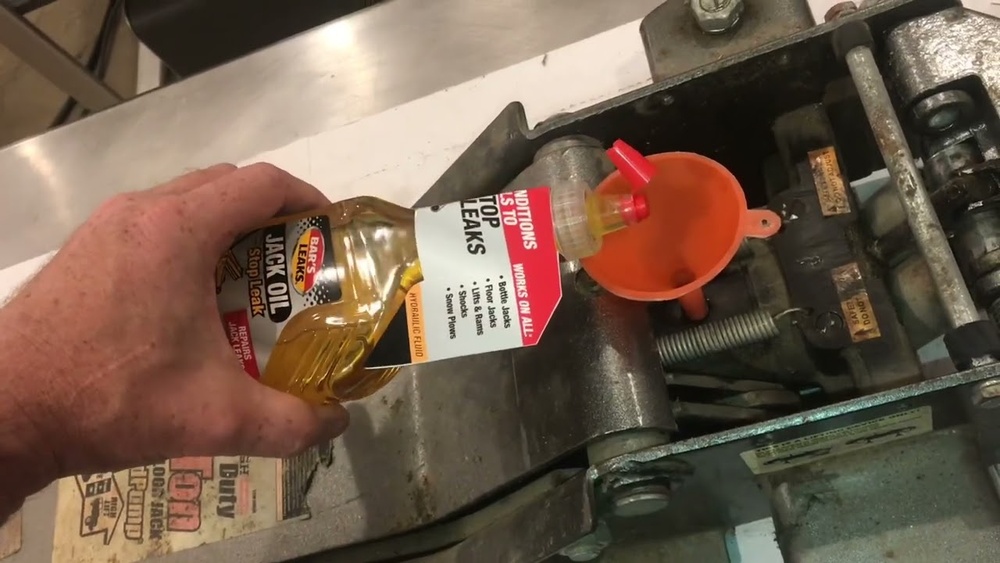
After fixing leaks, refill the hydraulic fluid. Use the right type of fluid for the Nesco jack. Pour slowly to avoid air pockets. Next, bleed the system by pumping the handle several times. This removes trapped air and restores pressure. Check for leaks again before use.
Repairing Lift Mechanism
The lift mechanism is the heart of your Nesco hydraulic floor jack. It controls how well the jack raises and holds weight. Repairing this part can fix problems like slow lifting or failure to hold pressure. Understanding key components helps you fix the jack safely and effectively.
Focus on three main tasks: adjusting the release valve, replacing the pump piston, and lubricating moving parts. These steps restore smooth operation and extend the jack’s life.
Adjusting Release Valve
The release valve controls hydraulic pressure inside the jack. If it is loose or stuck, the jack won’t lift or hold properly. Use a wrench to turn the valve clockwise to close it tightly. Turn counterclockwise to open it slightly if the jack won’t lower. Small adjustments make a big difference.
Check the valve for dirt or rust. Clean it gently with a cloth before adjusting. Avoid forcing the valve, as it may damage the seal inside.
Replacing Pump Piston
The pump piston moves hydraulic fluid to lift the jack. A worn or damaged piston causes slow lifting or no lift at all. Remove the jack’s cover to access the piston. Carefully pull out the old piston and replace it with a new one of the same size.
Make sure the new piston fits snugly. Test the jack by pumping the handle to confirm smooth movement. Replace seals if needed to prevent leaks.
Lubricating Moving Parts
Moving parts need lubrication to work smoothly and avoid wear. Use light machine oil or grease on the pump piston, release valve, and joints. Apply a small amount and wipe off excess to prevent dirt buildup.
Regular lubrication reduces friction and extends the jack’s life. Check these parts every few months to keep the jack in good condition.
Maintaining Your Floor Jack
Maintaining your Nesco hydraulic floor jack is key to keeping it safe and working well. Regular care helps prevent damage and extends the jack’s life. Simple steps can keep it ready for use anytime.
Regular Fluid Checks
Check the hydraulic fluid often. Low fluid can cause the jack to fail. Open the fill plug and look inside. Add the recommended hydraulic oil if needed. Avoid overfilling to prevent leaks. Change the fluid every year for best results.
Cleaning And Lubrication
Keep the jack clean from dirt and dust. Wipe it down after use. Dirt can clog moving parts and cause rust. Apply light machine oil to all moving joints. This helps the jack lift smoothly. Avoid heavy grease, which can attract more dirt.
Storage Tips
Store the jack in a dry place. Moisture causes rust and damage. Lower the jack fully before storing it. This reduces pressure on the seals. Cover it with a cloth to keep dust away. Proper storage keeps your jack ready for action.
When To Seek Professional Help
Knowing when to seek professional help for your Nesco hydraulic floor jack is important. Some problems need expert skills to fix safely and properly. Trying to repair serious issues by yourself can cause more damage or risk injury. Understanding the signs that require professional service helps protect you and your equipment.
Major Structural Damage
Cracks or bends in the jack’s frame show major structural damage. This damage weakens the jack and makes it unsafe. Repairing such damage needs special tools and knowledge. A professional can assess the full extent and fix it correctly. Avoid using the jack until a pro checks it.
Persistent Hydraulic Failures
Hydraulic problems that keep happening need expert attention. If the jack won’t hold pressure or leaks fluid after simple fixes, call a professional. Hydraulic systems are complex and require precise repair. Professionals have the right parts and skills to restore the system’s function.
Safety Concerns
Any issue that affects the jack’s safety should be handled by an expert. Strange noises, unstable lifting, or sudden drops are warning signs. A professional can perform a full safety inspection. They will fix hidden problems that might cause accidents. Your safety depends on proper repairs by trained technicians.

Credit: www.hcrcnow.com
Frequently Asked Questions
How Do I Fix A Nesco Hydraulic Floor Jack Leak?
To fix a leak, first identify the leak source. Replace damaged seals or O-rings. Tighten loose fittings and refill hydraulic fluid to the recommended level.
Why Is My Nesco Floor Jack Not Lifting Properly?
Low hydraulic fluid or air trapped in the system can cause lifting issues. Bleed the jack and refill fluid. Check for damaged seals or worn parts.
How Often Should I Service A Nesco Hydraulic Jack?
Service your jack every 6 months or after heavy use. Regularly check fluid levels, clean components, and inspect for wear or damage to ensure optimal performance.
Can I Repair A Nesco Hydraulic Floor Jack Myself?
Yes, basic repairs like fluid replacement and seal changes are DIY-friendly. Use proper tools and follow safety instructions to avoid injury or further damage.
Conclusion
Repairing your Nesco hydraulic floor jack can save time and money. Follow the steps carefully to fix leaks and improve lifting power. Keep tools handy and check parts regularly for safety. Taking small actions now prevents bigger problems later. Stay patient and work slowly to avoid mistakes.
Your floor jack will work like new again with proper care. Regular maintenance extends its life and keeps it reliable. Trust yourself to handle repairs with these simple tips.