If you use a floor jack, you know how important it is to keep it working smoothly. One key step is filling the fluid correctly.
But if you’ve never done it before, the process might seem confusing or even a bit risky. Don’t worry—this guide will walk you through every step, using simple language and clear instructions. By the end, you’ll feel confident maintaining your floor jack like a pro.
Ready to keep your tool in top shape and avoid costly repairs? Let’s get started!
Choosing The Right Fluid
Choosing the right fluid for your floor jack is important. The fluid helps the jack work smoothly and safely. Using the wrong fluid can cause damage or reduce the jack’s performance. This section explains how to pick the best fluid for your floor jack.
Types Of Floor Jack Fluids
Most floor jacks use hydraulic fluid. This fluid moves inside the jack to lift heavy objects. Common types include mineral oil-based and synthetic hydraulic fluids. Mineral oil is cheaper and works well for basic jacks. Synthetic fluids last longer and resist temperature changes better. Some jacks need special fluids, so check the type before buying.
Checking Manufacturer Recommendations
Always read the floor jack manual. The manufacturer lists the right fluid type. Following these instructions keeps your jack safe and working well. Using the wrong fluid can void the warranty. The manual may also give tips on how much fluid to add. Stick to these guidelines for the best results.
Gathering Necessary Tools
Before filling fluid in a floor jack, gather all the tools you need. This step helps make the task smooth and safe. Being prepared saves time and avoids mistakes. Below is a list of basic tools and safety equipment to have ready.
Basic Tools Needed
Start with the right tools for the job. You need a clean funnel to pour the fluid. A container of hydraulic jack fluid is essential. Keep a clean cloth or rag nearby to wipe spills. A small screwdriver or wrench helps open the fill plug. Have a flashlight handy to see inside the jack. These basic tools make the process easier and cleaner.
Safety Equipment
Protect yourself while working on the floor jack. Wear safety gloves to keep your hands clean and safe. Use safety glasses to protect your eyes from splashes. Work in a well-ventilated area to avoid breathing in fumes. Keep a fire extinguisher nearby as a precaution. Safety gear is important for a safe and worry-free job.
Preparing The Floor Jack
Preparing the floor jack is an important step before filling it with fluid. This helps ensure the jack works well and lasts longer. Taking time to clean and position the jack properly makes the filling process easier and safer.
Cleaning The Jack
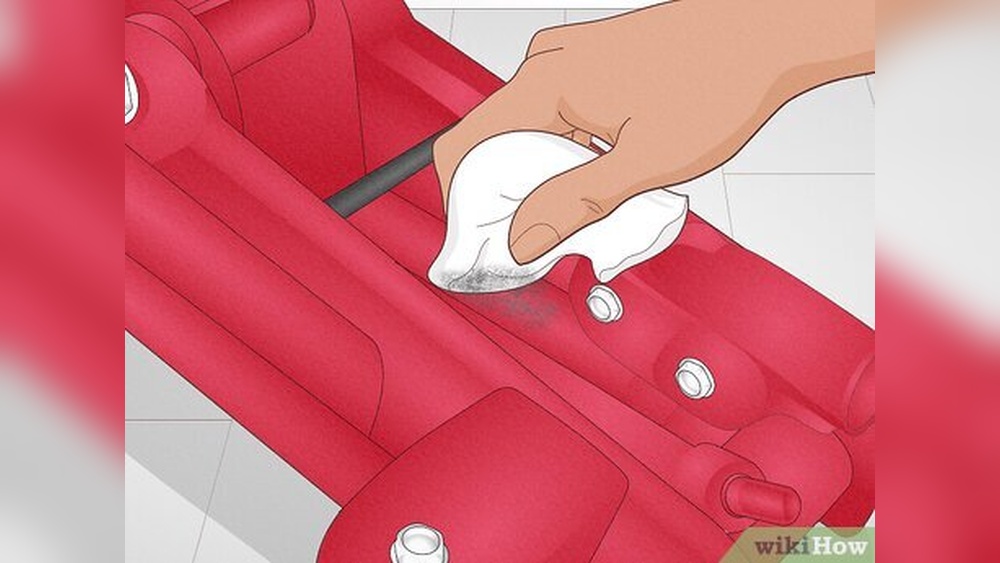
Start by wiping off any dirt and grease from the jack’s surface. Use a clean cloth to remove dust around the fluid reservoir. Cleaning prevents contaminants from entering the jack during filling. Check the jack for any leaks or damage before moving on. A clean jack keeps the fluid pure and the jack working smoothly.
Positioning For Fluid Filling
Place the floor jack on a flat, stable surface. Make sure it is level to avoid spilling fluid. Lower the jack completely to access the fluid fill point. Position yourself so you can easily reach the reservoir opening. Proper positioning helps pour the fluid carefully and reduces mess.
Credit: www.youtube.com
Locating The Fluid Reservoir
Finding the fluid reservoir on a floor jack is the first step to filling it properly. This part holds the hydraulic fluid that powers the jack’s lifting action. Knowing its location helps prevent spills and damage.
Most floor jacks have a small, sealed area where you add the fluid. This area is often hidden to keep the fluid clean and safe. Identifying and accessing this reservoir is simple with the right approach.
Identifying The Fill Plug
The fill plug is usually a small bolt or cap on the jack’s main body. It often has a hex shape or a slot for a screwdriver. Look near the hydraulic cylinder or on the side of the jack frame.
This plug keeps the fluid inside and stops dirt from entering. Check your jack’s manual for the exact location. The plug might be labeled “fluid” or “oil.”
Accessing The Reservoir
To access the reservoir, clean around the fill plug first. Dirt here can fall inside and damage the jack. Use a rag or brush to wipe the area.
Next, use the correct tool, like a wrench or screwdriver, to remove the plug carefully. Avoid forcing it to prevent stripping the threads. Once open, you will see the fluid inside the reservoir.
Draining Old Fluid
Draining old fluid from a floor jack is a key step in its maintenance. Old fluid can lose effectiveness and cause damage. Removing it properly keeps the jack working well. Follow clear steps to drain fluid safely and dispose of it the right way. This protects you and the environment.
Removing Old Fluid Safely
First, place the jack on a flat surface. Use gloves to protect your hands. Locate the fluid reservoir or drain plug. Slowly open the plug or remove the cap. Let the old fluid drain into a clean container. Avoid spills by using a funnel or a tray. Keep the area well-ventilated. Clean any drips immediately to prevent slipping.
Disposing Of Fluid Properly
Do not pour old fluid down drains or on the ground. Used hydraulic fluid is harmful to the environment. Store the fluid in a sealed container. Take it to a local recycling center or hazardous waste facility. Many auto shops accept used fluids too. Follow local rules for hazardous waste disposal. Proper disposal keeps your community safe and clean.

Credit: www.wikihow.com
Filling The New Fluid
Filling the new fluid in your floor jack is a simple but important task. The right fluid keeps the jack working smoothly and safely. Use the correct type of hydraulic fluid for the best results. Follow these steps carefully to avoid problems and extend the life of your jack.
Pouring Fluid Correctly
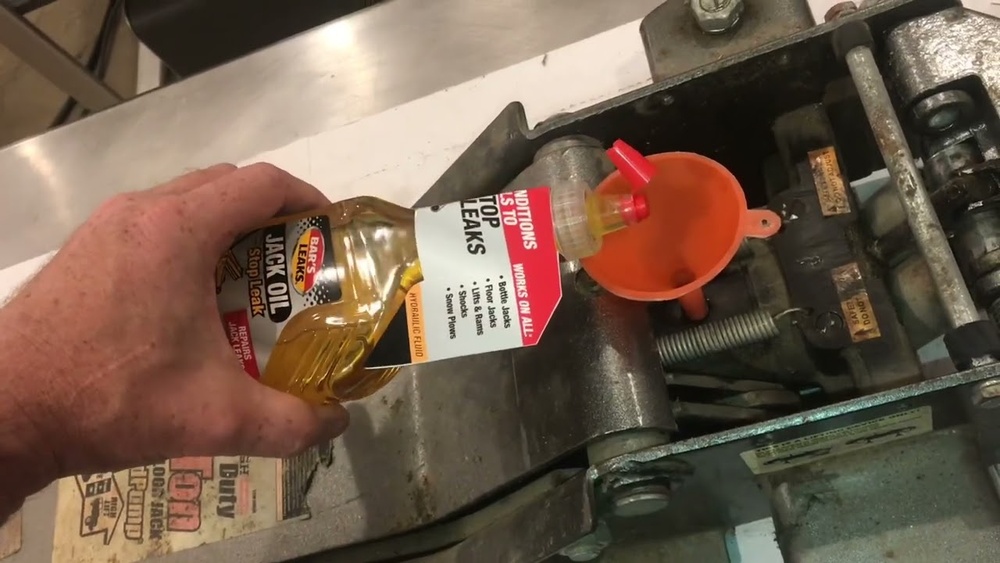
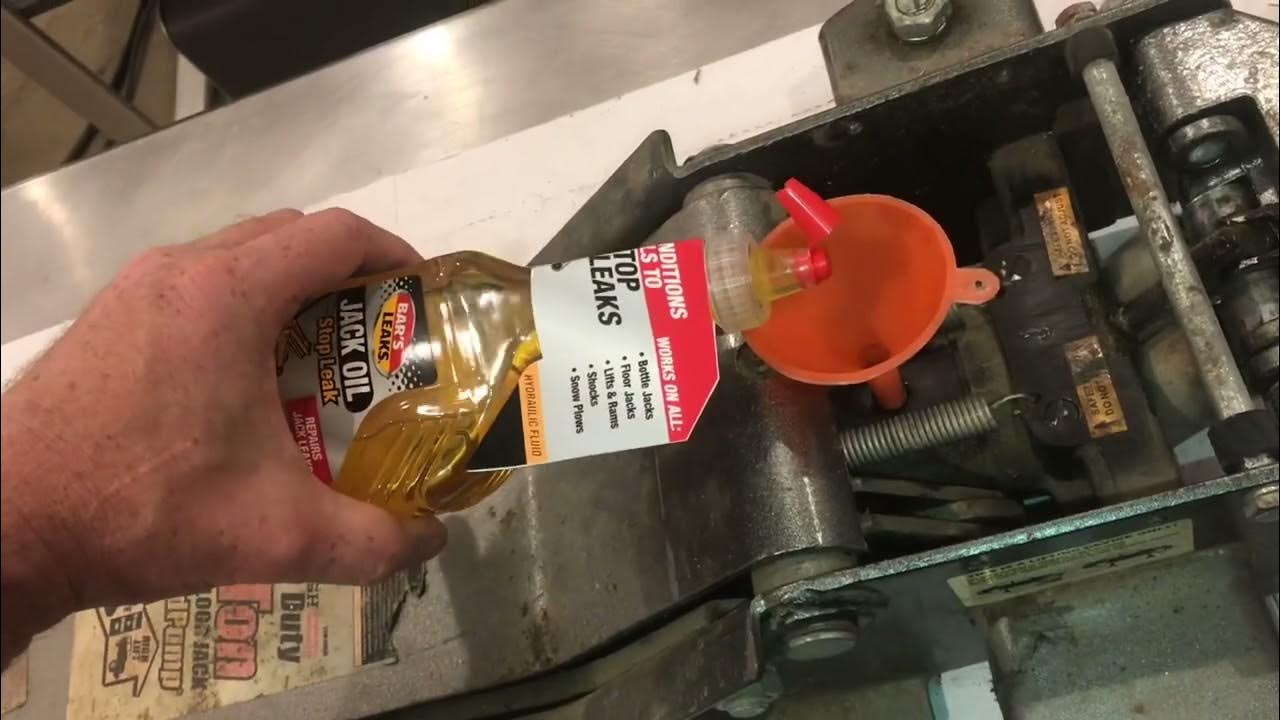
Start by placing the jack on a flat surface. Open the fill plug or cap on the jack’s reservoir. Use a clean funnel to avoid dirt entering the system. Pour the fluid slowly and steadily. Watch the fluid level as you pour. Stop when the fluid reaches the recommended level. Wipe off any spills around the fill area. Close the fill plug tightly to prevent leaks.
Avoiding Overfilling
Do not fill the reservoir beyond the recommended level. Overfilling can cause pressure problems and damage the jack. Check the fluid level often during filling. Allow the fluid to settle before adding more. Too much fluid can leak or cause the jack to malfunction. Always follow the manufacturer’s instructions for fluid capacity. Proper filling ensures smooth lifting and safe use.
Bleeding Air From The System
Bleeding air from the floor jack system is a crucial step after filling the fluid. Air trapped inside can cause the jack to work poorly. It makes lifting harder and less smooth. Removing air bubbles helps the jack perform safely and efficiently.
Air inside the system creates gaps in the hydraulic fluid. These gaps reduce pressure and stop the jack from lifting properly. The process of bleeding removes these air pockets. It restores full hydraulic pressure for better lifting power.
Why Bleeding Is Important
Air in the floor jack makes the lift jerky and weak. It lowers the jack’s ability to hold weight. This can cause accidents or damage to the jack. Bleeding clears out air and improves fluid flow. The jack lifts smoothly and holds steady after bleeding. It also extends the life of the jack by reducing wear.
Steps To Remove Air Bubbles
Start by lowering the jack completely. Open the release valve slowly to let air escape. Pump the handle several times to push out trapped air. Keep the valve open during this process. Close the valve once no more air bubbles appear. Check the fluid level and add more if needed. Repeat the bleeding steps until the jack lifts smoothly without jerks.
Testing The Floor Jack
Testing the floor jack after filling the fluid is important. It helps ensure the jack works safely and properly. This step avoids accidents and equipment damage. Follow simple checks to confirm the jack’s performance.
Checking For Proper Operation
Start by placing the jack on a flat surface. Pump the handle slowly to raise the lifting arm. Watch if the arm moves smoothly without jerks or delays. The jack should lift steadily and hold the weight without dropping. Lower the arm carefully and see if it descends smoothly. Listen for any strange sounds during operation. Proper function means the floor jack is ready for use.
Troubleshooting Common Issues
If the jack doesn’t lift or hold weight, check the fluid level again. Low fluid causes poor lifting power. Air trapped inside can also cause problems. Bleed the jack by opening the release valve and pumping the handle. Check for leaks around seals and valves. Tighten or replace parts if needed. Clean dirt or rust that might block movement. Fixing small issues keeps the jack safe and effective.
Maintenance Tips
Maintaining your floor jack is key for safe and smooth operation. Proper care keeps it ready to lift heavy loads without trouble. One important part of maintenance is managing the fluid levels. The fluid helps the jack work smoothly and prevents damage.
Regular Fluid Checks
Check the fluid level often. Low fluid can cause the jack to fail or work slowly. Find the fill plug on the jack and open it carefully. Look inside to see if the fluid reaches the recommended level. Use a clean cloth to wipe any dirt around the plug before opening. Refill with the right hydraulic fluid if the level is low. Avoid overfilling, as it can cause leaks or pressure issues.
Storage Recommendations
Store the floor jack in a dry place to stop rust and damage. Keep it away from extreme heat or cold. Always lower the jack completely before storing. This reduces pressure on the seals and keeps the fluid in place. Cover the jack with a cloth or plastic sheet to protect it from dust. Regular storage care extends the life of your floor jack.

Credit: www.wikihow.com
Frequently Asked Questions
What Type Of Fluid Is Best For A Floor Jack?
Use high-quality hydraulic jack oil for floor jacks. Avoid using brake fluid or motor oil, as they can damage seals and reduce performance.
How Often Should I Refill Fluid In My Floor Jack?
Check fluid levels every 6 months or before heavy use. Refill when fluid appears low to maintain smooth lifting and safety.
Can I Overfill The Fluid In A Floor Jack?
No, overfilling can cause leaks and pressure issues. Fill fluid only to the recommended level indicated in the jack’s manual.
How Do I Safely Refill Fluid In A Floor Jack?
Place the jack on a level surface. Release pressure, open the fill plug, add hydraulic oil slowly, then securely close the plug.
Conclusion
Filling fluid in a floor jack keeps it working smoothly. Check the fluid level often to avoid damage. Use the right type of fluid for best results. Clean the area before opening the jack’s reservoir. Take your time to pour the fluid carefully.
Watch for leaks or spills during the process. Proper maintenance helps your floor jack last longer. Small steps make big differences in tool care. Keep your floor jack ready for any job. Simple care prevents costly repairs down the road.