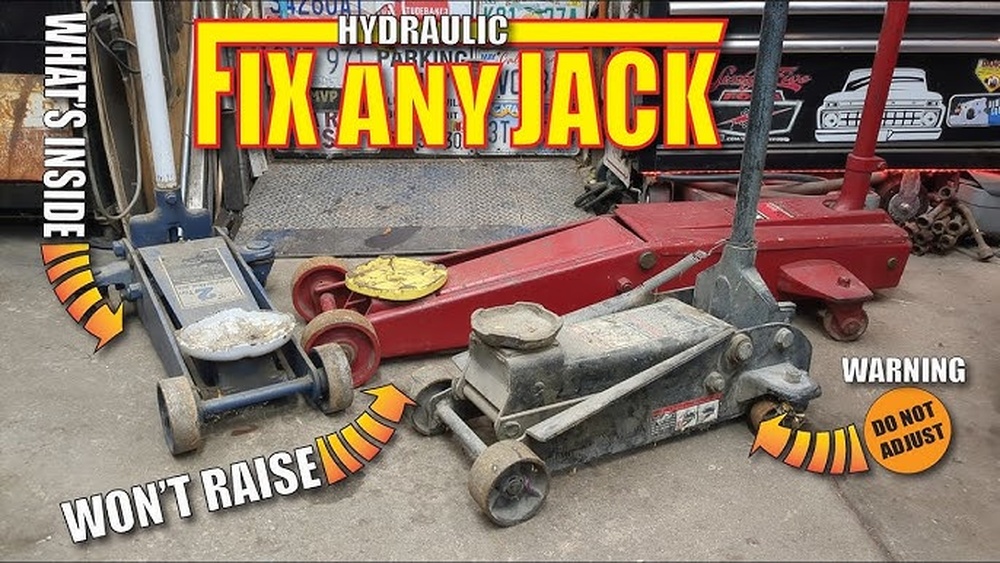
If you use a floor jack regularly, you know how important it is to keep it working smoothly and safely. But do you know how to service your floor jack properly?
Taking care of your jack not only extends its life but also ensures it lifts your vehicle without any hiccups. You’ll discover simple, step-by-step tips to maintain your floor jack like a pro. By the time you finish reading, you’ll feel confident handling basic repairs and preventing costly breakdowns.
Ready to keep your floor jack in top shape? Let’s dive in!
Choosing The Right Floor Jack
Choosing the right floor jack is important for safe and efficient work. The right jack makes lifting easier and prevents accidents. Consider the type, capacity, and safety features before buying. These factors affect how well the jack fits your needs.
Types Of Floor Jacks
There are several types of floor jacks. Hydraulic jacks use fluid pressure to lift heavy loads smoothly. Scissor jacks are simple and compact, best for small jobs. Bottle jacks have a vertical design and can lift very heavy weights. Each type works best in different situations.
Capacity And Size Considerations
Check the jack’s weight limit. It should match or exceed your vehicle’s weight. A jack too small can fail and cause accidents. Size matters too. A larger jack may work better for bigger vehicles. Choose a jack that fits your garage space and the vehicles you service.
Safety Features To Look For
Safety is key when using a floor jack. Look for strong, stable bases to prevent tipping. Some jacks have safety valves to stop overloading. Non-slip handles help maintain control. Always pick a jack with clear safety instructions and certification marks.
Tools And Materials Needed
Servicing your floor jack requires a few simple tools and materials. Having the right items ready makes the process smooth and efficient. This section breaks down what you need to do the job well.
Essential Tools For Servicing
- Wrenches and socket set for bolts and nuts
- Flathead and Phillips screwdrivers for screws
- Clean rags or shop towels for wiping dirt
- A small wire brush to remove rust and debris
- Drain pan to catch old hydraulic fluid
- Rubber gloves to protect your hands
- Flashlight to see inside tight spaces
Recommended Lubricants And Fluids
- Hydraulic jack oil or recommended fluid for your model
- Light machine oil for moving parts
- Grease for the wheels and pivot points
- WD-40 or similar penetrating oil for stuck parts
Replacement Parts Checklist
- Seals and O-rings for hydraulic leaks
- New hydraulic fluid if the old one is dirty or low
- Wheels and casters if worn or damaged
- Springs or pins if broken or rusty
- Any specific parts listed in your jack’s manual
Inspecting Your Floor Jack
Inspecting your floor jack is the first step in proper maintenance. It helps find small problems before they become big. Regular checks keep your jack safe and working well. Spend time looking over each part carefully. This saves money and prevents accidents.
Checking For Leaks And Damage
Look closely at the jack for oil leaks. Leaks mean hydraulic fluid is escaping. This lowers the jack’s lifting power. Also, check for cracks or dents on the body. Any damage can make the jack unsafe. Fix or replace parts that show wear.
Assessing Hydraulic Fluid Levels
Hydraulic fluid powers the lifting action. Open the fill plug and check the fluid level. It should be near the top but not overflowing. If low, add the correct hydraulic oil slowly. Avoid overfilling to prevent leaks and damage.
Examining Moving Parts And Wheels
Test the wheels and moving parts for smooth motion. Spin the wheels to see if they roll freely. Lubricate any parts that feel stiff or noisy. Check for rust or dirt blocking movement. Clean and oil parts to keep the jack working easily.
Cleaning And Lubricating
Cleaning and lubricating your floor jack helps it work smoothly and last longer. Dirt and dust can block moving parts and cause wear. Proper lubrication reduces friction and prevents rust. Regular care keeps your floor jack safe and reliable.
Removing Dirt And Debris
Start by wiping the floor jack with a clean cloth. Use a brush to remove dirt from tight spots. Avoid using water directly; it can cause rust. Check the wheels and lifting arm for stuck debris. Clean these areas to keep the jack moving freely.
Lubrication Points
Focus on the joints, wheels, and lifting arm hinges. Apply a few drops of oil or grease to these spots. Use a lubricant made for metal tools. Avoid over-lubricating, which can attract more dirt. Move the parts to spread the lubricant evenly.
Tips For Long-lasting Maintenance
Clean and lubricate your floor jack after every few uses. Store it in a dry place to avoid rust. Inspect the jack for damage before and after each use. Replace worn parts quickly to prevent bigger problems. Regular care saves money and keeps your jack safe.
Hydraulic System Maintenance
The hydraulic system is the heart of your floor jack. Keeping it well-maintained ensures smooth lifting and safety. Regular checks stop damage and extend the jack’s life. Focus on fluid care, air removal, and pressure tests for best results.
Draining And Replacing Fluid
Old fluid loses power and can harm the system. Place a container under the jack’s drain valve. Open the valve carefully and let the fluid drain out. Close the valve tightly before adding new hydraulic fluid. Use the type recommended by the manufacturer. Fill slowly to avoid air pockets.
Bleeding Air From The System
Air inside the system causes weak lifting and jerky movement. Open the bleed valve slightly. Pump the jack handle slowly to push air out. Watch for bubbles in the fluid. Close the valve when only fluid flows. Repeat if lifting feels soft or uneven.
Testing Hydraulic Pressure
Pressure tests show if the system works correctly. Use a pressure gauge designed for hydraulic jacks. Attach it to the test port or pump. Pump the handle and watch the gauge reading. It should match the manufacturer’s specs. Low pressure means leaks or worn parts. Repair or replace parts as needed.
Adjusting And Calibrating
Adjusting and calibrating your floor jack keeps it working safely and well. Proper adjustments help the jack lift evenly and hold weight without slipping. Calibration makes sure the jack’s parts move smoothly and respond correctly. Regular checks prevent damage and extend your jack’s life.
Setting The Release Valve
Locate the release valve, usually near the handle. Turn it clockwise to close and counterclockwise to open. Close the valve to lift and hold weight securely. Open it slowly to lower the jack safely. Test the valve by lifting and lowering without a load first.
Adjusting The Saddle Height
Check the saddle height to match your lifting needs. Turn the adjusting screw or bolt to raise or lower the saddle. The saddle should touch the load firmly but not too tight. Proper height prevents slipping and keeps the load stable. Make small changes and test the fit before use.
Ensuring Smooth Operation
Check for smooth movement in all parts. Lubricate joints and wheels with the right oil or grease. Remove dirt and rust that block movement. Pump the handle several times to test lifting action. Fix any sticking or rough spots before using the jack.
Troubleshooting Common Issues
Troubleshooting common issues with your floor jack helps keep it working safely. Regular checks avoid bigger problems later. Many issues are easy to fix with simple steps. Understanding these problems saves time and money. Let’s look at common floor jack problems and how to solve them.
Floor Jack Won’t Lift
Check the hydraulic fluid first. Low fluid stops the jack from lifting. Add the right hydraulic oil if needed. Look for leaks in the pump or hose. Tighten or replace any loose or damaged parts. Make sure the release valve is fully closed. Open valves cause pressure loss and no lift. Test the jack on a flat surface. Uneven ground can stop it from working.
Slow Lifting Or Dropping
Slow lifting may mean air is trapped inside. Bleed the air by opening the release valve slightly. Pump the handle slowly to remove air bubbles. Check the hydraulic fluid level and top it up. Dirty or old fluid can cause slow movement. Replace the fluid if it looks dark or dirty. Inspect the seals and gaskets for wear. Replace any that are cracked or broken. Clean moving parts and apply light oil for smooth action.
Unusual Noises During Use
Listen for squeaks, grinding, or knocking sounds. These noises often come from dry or rusty parts. Clean and lubricate all joints and pivot points. Check the pump and handle for damage. Tighten loose bolts and screws. Worn parts like seals or bearings may need replacement. Avoid using the jack if noises continue. Noises can warn of mechanical failure or safety risks.
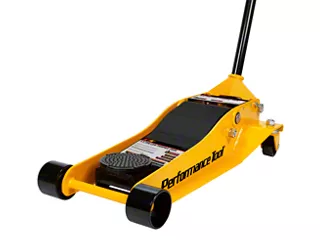
Credit: www.americanmuscle.com
Safety Tips During Servicing
Servicing a floor jack requires care to avoid accidents and injuries. Following safety tips protects you and extends the jack’s life. Always focus on safety before starting any maintenance work.
Proper Lifting Techniques
Lift the floor jack carefully to avoid strain or injury. Bend your knees, not your back, to pick it up. Keep the jack close to your body for better control. Use both hands to hold it firmly. Avoid twisting your body while lifting or moving the jack.
Using Protective Gear
Wear gloves to protect your hands from grease and sharp edges. Use safety glasses to shield your eyes from dust and debris. Choose sturdy shoes to protect your feet in case the jack slips. Dress in clothes that cover your skin to prevent scratches. Keep a clean workspace to reduce hazards.
Avoiding Common Hazards
Check the floor jack for damage before starting work. Do not use a damaged or leaking jack. Keep the jack away from open flames and sparks. Avoid placing your hands or fingers near moving parts. Work in a well-lit area to see clearly. Dispose of old fluids and parts properly to avoid spills.
Storage And Care Tips
Proper storage and care keep your floor jack working well. A clean, dry place stops rust and damage. Regular checks catch small problems early. Follow simple steps to protect your tool and save money on repairs.
Proper Storage Conditions
Store your floor jack in a dry, cool area. Avoid damp places that cause rust. Keep it off the ground on a shelf or pallet. Cover the jack with a cloth or plastic sheet. This blocks dust and dirt from settling.
Routine Maintenance Schedule
Check the jack before each use. Look for leaks, cracks, or broken parts. Clean the jack after using it. Wipe off grease and dirt with a rag. Lubricate moving parts every month to keep them smooth.
Extending Floor Jack Lifespan
Use the jack only on flat, stable surfaces. Avoid overloading it beyond the weight limit. Fix small issues immediately to avoid bigger damage. Store the jack lowered to reduce pressure on parts. Follow these steps to make your jack last longer.

Credit: www.youtube.com

Credit: www.amazon.com
Frequently Asked Questions
How Often Should I Service My Floor Jack?
You should service your floor jack every 6 months or after 50 hours of use. Regular maintenance ensures safety and prolongs its lifespan. Check for oil leaks, clean parts, and lubricate moving components during servicing.
What Tools Do I Need To Service A Floor Jack?
Basic tools include a wrench set, hydraulic oil, cleaning cloths, and lubricants. You may also need a jack stand for safety and a screwdriver for removing covers. Using correct tools ensures effective and safe servicing.
How Do I Check Hydraulic Fluid In My Floor Jack?
Locate the fluid fill plug on the jack’s reservoir. Remove the plug, check fluid level, and top up with recommended hydraulic oil if low. Avoid overfilling to maintain optimal jack performance and prevent damage.
Can I Service My Floor Jack Without Professional Help?
Yes, with proper instructions and tools, you can service your floor jack at home. Follow safety precautions, drain old oil, clean parts, and refill fluid carefully. If unsure, consult a professional to avoid accidents.
Conclusion
Servicing your floor jack keeps it working safely and smoothly. Regular checks prevent damage and save money on repairs. Clean parts and add oil to avoid rust and wear. Tighten bolts and test the lift before each use. Taking small steps now helps avoid big problems later.
Stay safe and keep your tools ready for any job. Simple care makes your floor jack last longer and work better every time.