Have you ever removed a deadbolt and been left with an ugly hole in your door? It’s frustrating, and you might worry it will weaken your door or let drafts in.
But here’s the good news: fixing that hole is easier than you think. Whether you’re upgrading your locks or just want a clean, smooth door, this guide will walk you through the simple steps to fill your deadbolt hole quickly and effectively.
Keep reading, and you’ll learn how to restore your door’s look and strength without calling a pro or spending a fortune.
Assessing The Deadbolt Hole
Before filling a deadbolt hole, you need to assess the damage carefully. This step helps you understand what materials and tools to use. A clear assessment prevents extra work later.
Take time to examine the hole and the area around it. Check for any cracks or splinters in the door. Knowing the exact size and shape of the hole guides your repair process.
Identify The Hole Size And Shape
Measure the hole’s diameter or width with a ruler or tape measure. Note if the hole is round, oval, or irregular. This detail helps you choose the right filler or patch. A precise fit makes the repair stronger and neater.
Mark the hole’s edges lightly with a pencil. This mark shows you where to apply filler or patch material. Be sure to check the depth of the hole too. Some holes go deeper than others, affecting the repair method.
Check Surrounding Door Damage
Look closely at the door area around the hole. Check for cracks, dents, or loose wood fibers. These damages can weaken the repair if not fixed first. Clean the edges of the hole by removing any loose pieces.
Examine both sides of the door if possible. Damage on the inside may affect how well the patch holds. Make sure the door surface is smooth before filling the hole. A smooth surface ensures better adhesion and a cleaner finish.
Choosing The Right Materials
Choosing the right materials for filling a deadbolt hole is important. The material affects how strong and neat the repair looks. Some materials work better for certain door types and hole sizes. Knowing which material to pick helps the repair last longer and look better.
Selecting Wood Fillers
Wood fillers are easy to use and work well on wooden doors. They come in different colors to match your door. Choose a filler that hardens quickly and sands smoothly. For small holes, wood filler can fill the space perfectly. It dries fast and can be painted or stained.
Check the filler’s instructions to know drying time. Some fillers shrink less than others, which helps keep a smooth surface. Avoid fillers that stay soft or crumbly after drying. A good wood filler makes the repair strong and almost invisible.
Using Epoxy Or Wood Plugs
Epoxy is a strong material that works for bigger holes or damaged areas. It hardens very tough and holds screws well. Epoxy can be shaped and sanded after it dries. This makes it great for filling deadbolt holes on wooden or metal doors.
Wood plugs are small pieces of wood made to fit the hole exactly. They give a natural look and strong fix. Glue the plug into the hole and trim the extra wood. Sand it smooth to blend with the door surface.
Both epoxy and wood plugs need careful fitting and finishing. They offer durable repairs that last for years. Pick the right option based on hole size and door material.
Preparing The Hole
Preparing the hole is an important first step before filling a deadbolt hole. A clean, smooth surface helps the filler stick better. This makes the repair last longer. Take your time to prepare the area well.
Cleaning And Sanding The Area
Start by cleaning the hole and the surrounding wood. Use a damp cloth to remove dust and dirt. Let it dry completely. Next, use sandpaper to smooth the edges of the hole. Sand lightly to avoid damaging the wood. This creates a better surface for the filler to bond.
Removing Loose Debris
Check inside the hole for any loose wood chips or debris. Use a small brush or vacuum to clear out all loose bits. Removing debris ensures the filler fills the hole evenly. This step helps prevent gaps and weak spots in the repair.
Filling The Deadbolt Hole
Filling the deadbolt hole is a simple step to restore your door’s look. It also keeps the door strong and secure. You can fill the hole using different materials based on the finish you want. Choose the right method for a neat, lasting repair.
Applying Wood Filler Or Epoxy
Wood filler or epoxy is easy to use for small to medium holes. First, clean the hole from dust and loose wood. Press the filler or epoxy into the hole with a putty knife. Smooth the surface flat with the door. Let it dry fully before sanding. After sanding, paint or stain to match the door.
Inserting Wood Plugs Or Dowels
Wood plugs or dowels work well for larger holes. Cut a wooden dowel slightly bigger than the hole. Use wood glue on the dowel and push it into the hole. Let the glue dry completely. Cut off extra dowel sticking out. Sand the surface smooth. Finish by painting or staining to blend with the door.
Sanding And Smoothing
Sanding and smoothing are key steps in filling a deadbolt hole. These steps help create a flat, even surface. A smooth surface looks better and holds paint or stain well.
Take your time with sanding. It makes the repair less visible and stronger. Use the right tools and methods to get the best result.
Leveling The Surface
Start by sanding the filled hole with medium-grit sandpaper. This removes bumps and rough spots. Sand evenly until the patch is flush with the door surface. Avoid sanding too hard to keep the filler in place. Check your progress by running your hand over the area. It should feel smooth and level.
Blending With The Door Finish
After leveling, switch to fine-grit sandpaper for a softer finish. This step helps the patch blend with the door’s texture. Sand gently to avoid damaging surrounding wood. Clean the surface to remove dust before painting or staining. A well-blended patch is hard to spot and looks natural.

Credit: diy.stackexchange.com
Finishing Touches
After filling the deadbolt hole, the final steps help the repair blend with your door. These finishing touches improve the look and protect your work. A smooth, even finish makes the door look clean and new.
Painting Or Staining
Choose paint or stain that matches your door’s color. Use a small brush for neat edges. Apply thin coats for better coverage. Let each coat dry before adding another. This process helps the patch blend well with the door. It also hides any imperfections from filling the hole.
Sealing For Durability
Seal the patched area to protect it from water and wear. Use a clear sealant or varnish suitable for your door material. Apply it evenly over the painted or stained spot. Sealing helps stop moisture from causing damage. It keeps your repair strong for a longer time.
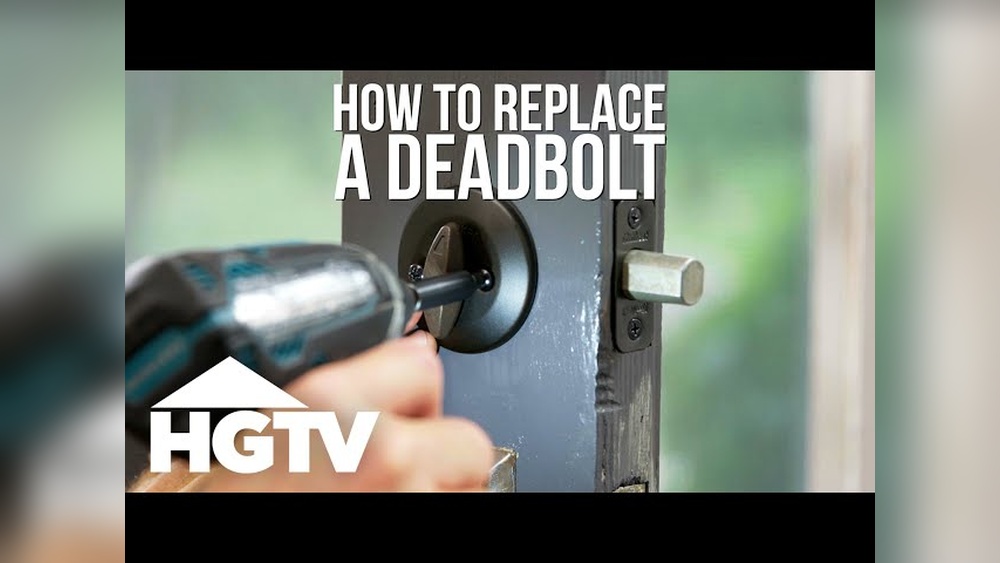
Reinstalling The Deadbolt
Reinstalling the deadbolt is a crucial step after filling the old hole. It ensures your door stays secure and functions properly. This process requires precision to align the lock with the new hole. Follow simple steps to mark, drill, and install the hardware correctly.
Marking New Hole Position
First, measure carefully to find the right spot for the new hole. Use the deadbolt as a guide. Hold it against the door where it fits best. Mark the outline with a pencil. Check the alignment with the door frame. Make sure the deadbolt bolt will slide smoothly into the strike plate.
Double-check the marks before drilling. Accurate marking prevents mistakes and saves time. Keep the pencil marks clear but easy to erase later.
Drilling And Installing Hardware
Use a drill with the correct bit size for the new hole. Drill slowly to avoid splintering the wood. Drill straight through the door at the marked spot. Next, drill holes for the screws that hold the deadbolt plate. Clean the drilled holes from dust and wood chips.
Insert the deadbolt into the hole carefully. Attach the screws tightly but do not strip them. Test the lock by turning the key. Make sure the bolt moves smoothly and locks firmly. Adjust the strike plate if needed for perfect fit.

Credit: www.reddit.com
Preventing Future Issues
Filling a deadbolt hole is just the start. Preventing future problems keeps your door safe and secure. A few simple steps help maintain your lock and door. These tips save time and money later. Staying ahead avoids damage and keeps your home protected.
Regular Maintenance Tips
Check your locks often for wear and dirt. Clean locks with a soft cloth to remove dust. Use graphite powder to lubricate the lock mechanism. Avoid oil-based sprays that can attract grime. Test the lock regularly to ensure smooth operation. Tighten any loose screws around the lock and door. This stops wobbling and potential damage over time. Fix issues early to prevent costly repairs later.
Choosing Quality Locks
Select locks made of strong, durable materials like solid brass or steel. Quality locks resist rust and break-ins better than cheap ones. Look for locks with good reviews and security ratings. Choose locks that fit your door size exactly. Proper fit avoids gaps and weak points. Investing in reliable locks improves your home’s safety. A strong lock works well longer and saves hassle.

Credit: www.reddit.com
Frequently Asked Questions
How Do I Fill A Deadbolt Hole Properly?
To fill a deadbolt hole, first clean the area. Use wood filler or a wooden dowel that fits tightly. Apply wood glue, insert the dowel, and let it dry. Sand the surface smooth, then paint or stain to match your door.
What Materials Are Best For Filling Deadbolt Holes?
Wood filler, wooden dowels, and epoxy putty work well for deadbolt holes. Choose a material that matches your door’s wood type. Wood filler is easy for small holes, while dowels provide stronger support for larger ones.
Can I Fill A Deadbolt Hole Without Removing The Door?
Yes, you can fill a deadbolt hole without removing the door. Clean the hole thoroughly, then insert wood filler or a dowel. Allow the filler to dry completely before sanding and painting. This method saves time and effort.
How Long Does It Take For Wood Filler To Dry?
Wood filler typically dries within 30 minutes to a few hours. Drying time depends on the product and hole size. Always check the manufacturer’s instructions for accurate drying times to ensure a smooth finish.
Conclusion
Filling a deadbolt hole can be simple and quick. Use the right materials like wood filler or epoxy for best results. Take your time to smooth and paint the area afterward. This helps keep your door strong and looks neat.
Small repairs can save money and improve home safety. Try these steps to fix your door today. You’ll feel proud of your handy work.