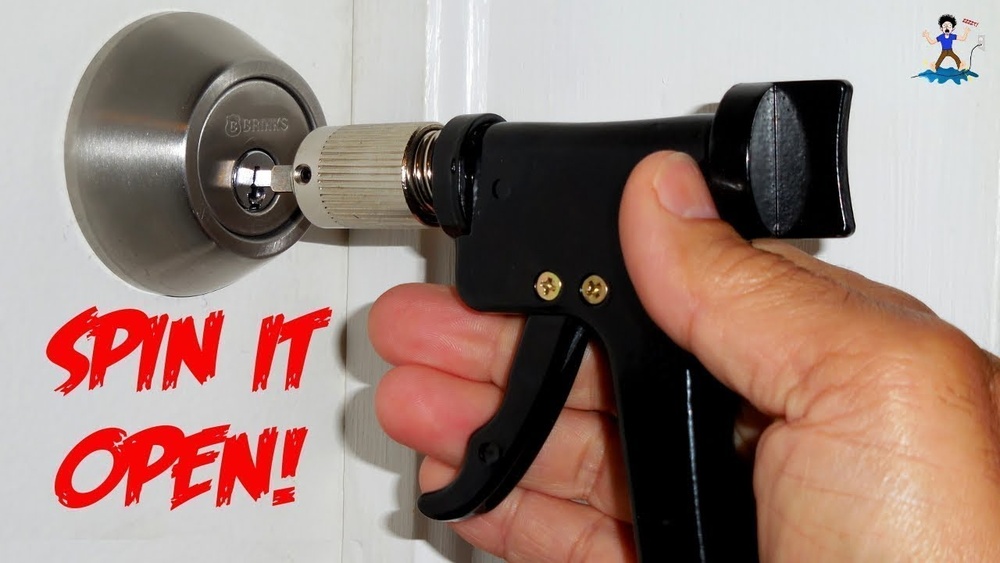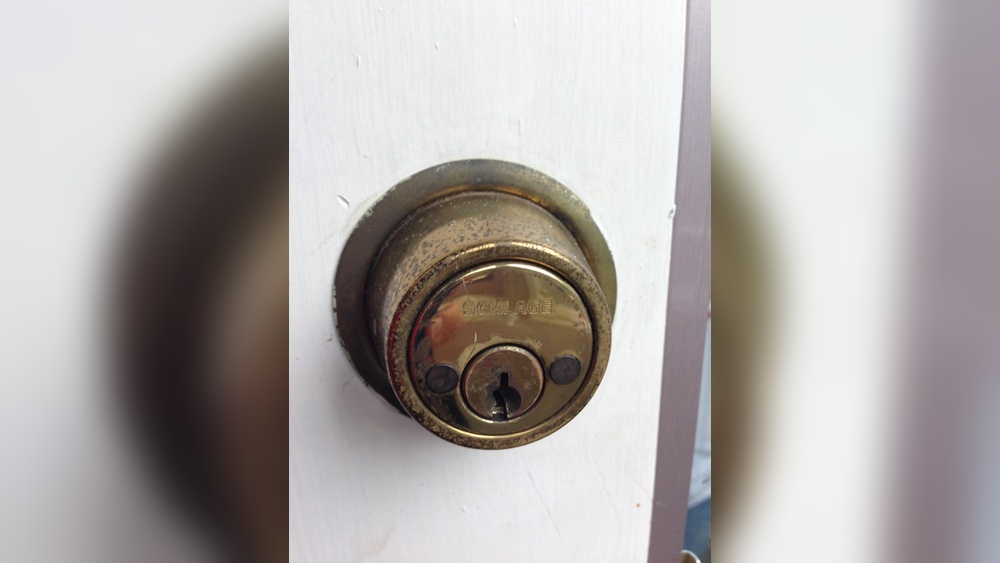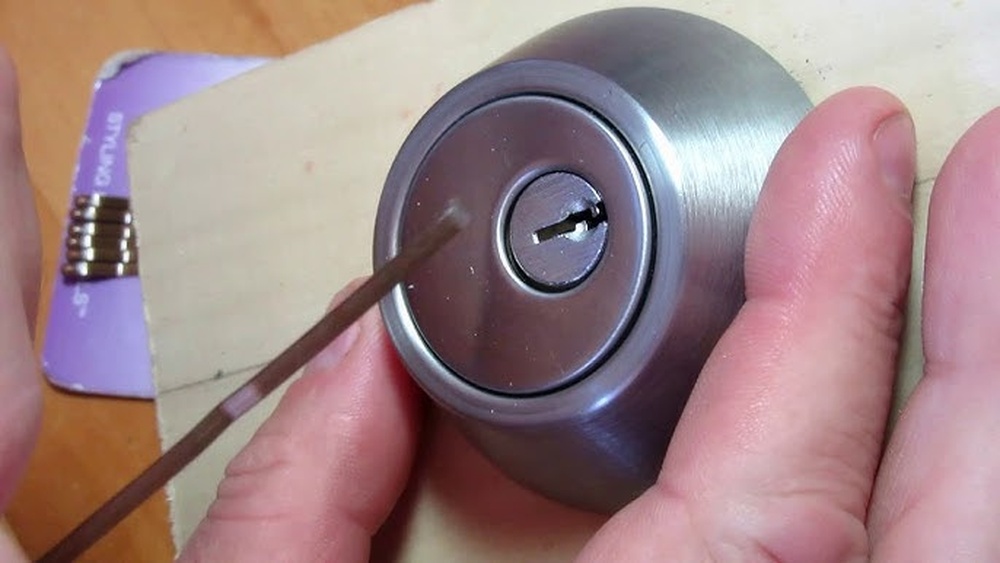
Have you ever found yourself locked out and without a key? Knowing how to pick a deadbolt lock with bobby pins could be a lifesaver in those moments.
It’s a simple skill that can save you time, stress, and even money. In this guide, you’ll learn easy steps to unlock a deadbolt using just items you probably already have at home. Keep reading, and you’ll discover how to turn two ordinary bobby pins into a handy tool that can get you back inside quickly and safely.

Credit: www.wikihow.com
Tools Needed
Picking a deadbolt lock with bobby pins needs a few simple tools. Having the right items helps you work faster and with less effort. Gather everything before you start to avoid interruptions.
Choosing The Right Bobby Pins
Not all bobby pins work well for lock picking. Choose pins that are sturdy and not too bendy. Metal pins are best because they hold their shape. Remove the rounded tips on one pin to use it as a pick. Keep the other pin as a tension wrench by bending it at a right angle.
Additional Items To Gather
Besides bobby pins, a small flashlight helps you see inside the lock. A pair of needle-nose pliers can straighten or adjust the pins. Have a flat surface to work on. Clean your tools before use to avoid dirt inside the lock. Patience is key, so prepare to take your time.

Credit: www.wikihow.com
Preparing The Bobby Pins
Preparing the bobby pins is the first step to pick a deadbolt lock. You need to change their shape to use them as lock-picking tools. This process is simple but requires patience and care. Two main tasks are straightening the pins and creating a tension wrench. Each one plays a key role in picking the lock.
Straightening The Pins
Start with two regular bobby pins. Remove the rounded plastic ends from both pins. Use pliers for better grip and safety. Straighten one bobby pin fully. This pin will act as the pick inside the lock. Make sure it is straight but firm. The other pin stays mostly bent. You will use it for the tension wrench.
Creating A Tension Wrench
Take the second bobby pin and bend one end at a 90-degree angle. This bent end should be about one inch long. It will fit into the bottom of the lock keyhole. Hold the longer end firmly. This part will turn the lock while you pick. The tension wrench must be strong but flexible. Avoid bending it too much. It needs to apply steady pressure inside the lock.
Deadbolt Lock Basics
Understanding deadbolt locks helps in picking them with bobby pins. These locks are common in homes and offer strong security. Knowing their basics makes the process easier and safer. This section explains how deadbolts work and the types you might find.
How Deadbolts Work
Deadbolts use a solid metal bolt to lock the door. The bolt slides into the door frame to keep it shut. It does not move like a spring latch. You need a key or thumb turn to move the bolt. This design makes deadbolts harder to force open. The bolt fits tightly, creating a strong barrier.
Types Of Deadbolt Locks
Single-cylinder deadbolts have a keyhole outside and a thumb turn inside. They are the most common type for homes. Double-cylinder deadbolts need a key on both sides. This adds security but can be risky during emergencies. Lockable thumb turn deadbolts allow locking the thumb turn with a key. This type prevents unlocking from the inside without a key. Knowing these types helps to choose the right tools and methods for picking.
Picking Steps
Picking a deadbolt lock with bobby pins requires patience and careful steps. Each part of the process plays a key role. Follow these steps closely to increase your chances of success. Understanding each stage will help you handle the lock better.
Inserting The Tension Wrench
Bend one bobby pin to create a tension wrench shape. Insert it into the bottom of the keyhole. Apply slight pressure in the direction the key would turn. Keep the pressure steady but gentle. This tension helps set the pins inside the lock.
Using The Pick To Manipulate Pins
Bend the second bobby pin to form a pick. Insert it above the tension wrench in the keyhole. Feel each pin inside the lock cylinder carefully. Lift each pin slowly until it reaches the shear line. Move pin by pin to avoid oversetting.
Applying Proper Tension
Maintain steady pressure with the tension wrench throughout the process. Too much force will lock the pins in place. Too little force will not hold pins at the shear line. Adjust pressure as you lift pins. This balance is crucial to free the lock cylinder.
Common Challenges
Picking a deadbolt lock with bobby pins is not easy. Many beginners face common problems. These challenges can slow you down or cause damage. Knowing these issues helps you work smarter and safer.
Overcoming Stuck Pins
Pins inside the lock can get stuck. This stops the lock from turning. Gentle wiggling of the bobby pins often frees them. Too much force can bend the pins or break them. Patience is key. Small, careful movements work best to move stuck pins.
Avoiding Damage To The Lock
Locks are delicate. Rough handling can break internal parts. Use only thin, smooth bobby pins to avoid scratches. Do not push pins too deep. Keep your tools clean to prevent dirt inside the lock. Taking care protects the lock and saves money.
Safety And Legal Considerations
Understanding safety and legal concerns is important before attempting to pick a deadbolt lock with bobby pins. Picking locks without permission can cause trouble. It can also damage the lock or door. Knowing the rules helps avoid problems and keeps everyone safe.
When Lock Picking Is Permissible
Only pick locks if you own the property or have clear permission. Emergency situations, like being locked out of your home, may allow it. Locksmiths and security professionals have permission by law to pick locks during their work. Always check local laws before trying lock picking. Some places allow it for learning, others do not.
Risks Of Unauthorized Picking
Picking a lock without permission can lead to legal trouble. It may be considered breaking and entering or theft. Police can arrest and charge offenders. Unauthorized picking can also damage locks, causing costly repairs. Unsafe attempts might injure the person picking the lock. Respect the law and others’ property to stay safe.
Alternatives To Bobby Pins
Using bobby pins to pick a deadbolt lock is a common DIY trick. Still, it is not always the best choice. Bobby pins can bend or break easily. They may also damage the lock. Luckily, there are other methods to open a lock without a key. These alternatives can be more reliable and safer for your lock.
Using Professional Lock Picks
Professional lock picks are tools made for lock opening. They come in different shapes for various lock types. These tools are stronger than bobby pins. Using professional picks improves the chance of success. You need some skill to handle them well. Practice helps you learn how to feel the lock’s pins. With patience, you can open many locks more smoothly.
Non-destructive Entry Methods
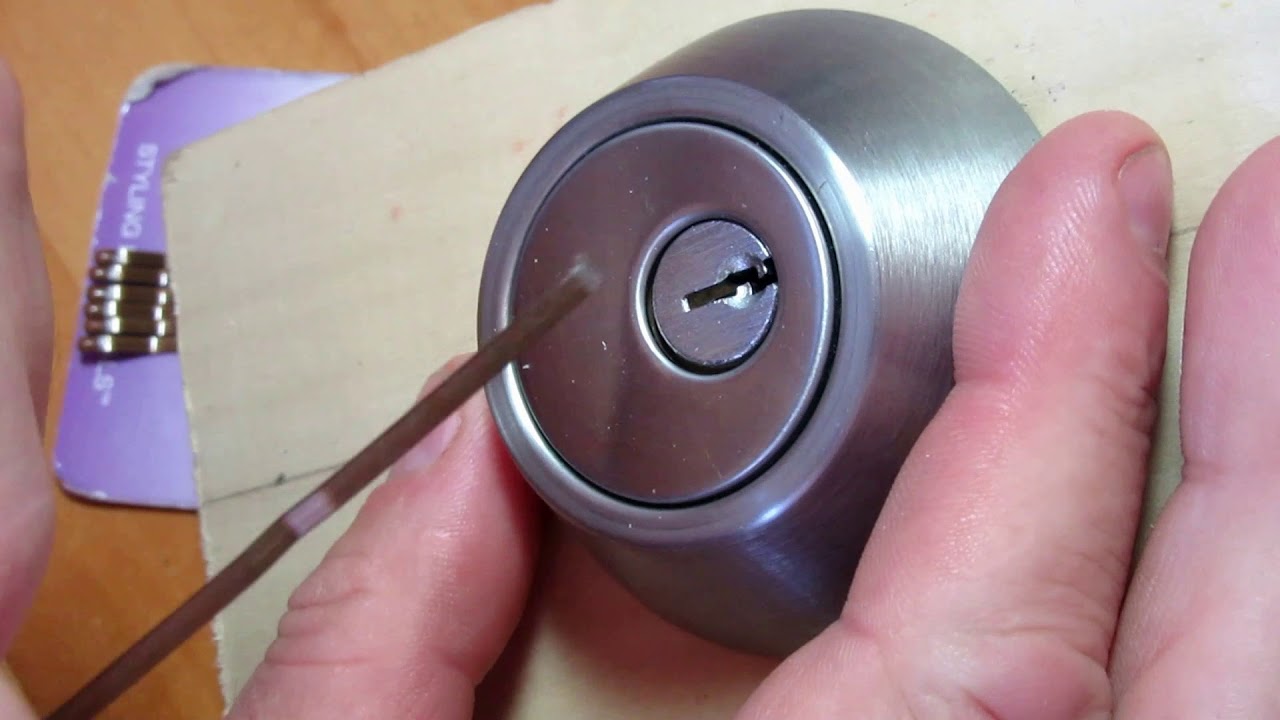
Non-destructive methods let you open locks without damage. One common way is the bump key. It is a special key that can fit many locks. Another method is using a tension wrench with a pick. This tool applies pressure while lifting pins. These methods keep the lock usable after opening. They are safer for rented homes or office doors. Learning these techniques takes time but protects your lock’s condition.
Credit: www.youtube.com
Tips For Practice
Practice is key to learning how to pick a deadbolt lock with bobby pins. It helps build skills and confidence. Start slow and stay patient. Regular practice improves your technique and helps you understand the lock better.
Keep your sessions short but consistent. This keeps frustration low and progress steady.
Starting With Practice Locks
Use practice locks before trying real deadbolts. These locks are easier and designed for learning. They show how pins inside the lock move. This makes it simpler to understand the process. Practice locks let you try different techniques without pressure.
Buy a cheap practice lock set. Spend time picking these locks daily. This builds muscle memory and sharpens your skills.
Improving Dexterity And Patience
Picking a lock needs steady hands and patience. Work on your finger control by practicing small tasks. Try threading needles or handling tiny objects. These exercises improve your dexterity for lock picking.
Stay calm and focused during practice. Avoid rushing. Slow movements help feel the pins better. Patience leads to better results and fewer mistakes.
Frequently Asked Questions
How Can I Pick A Deadbolt Lock With Bobby Pins?
You can pick a deadbolt lock using two bobby pins by bending them into a tension wrench and pick tool. Insert one pin to apply tension, then use the other to lift the lock pins until the lock turns. Practice and patience are essential.
Are Bobby Pins Effective For Picking Deadbolt Locks?
Bobby pins can work for picking some deadbolt locks, especially simple ones. However, they are less effective on high-security locks. Using proper lock-picking tools is recommended for better results and less damage.
Is It Legal To Pick A Deadbolt Lock With Bobby Pins?
Picking locks you own or have permission to access is legal. Using bobby pins to pick locks without consent is illegal and punishable. Always ensure you have proper authorization before attempting to pick any lock.
What Skills Are Needed To Pick Deadbolt Locks With Bobby Pins?
Successful picking requires patience, steady hands, and understanding lock mechanics. You must learn to apply the right tension and manipulate pins carefully. Practicing on spare locks helps improve your skill and confidence.
Conclusion
Picking a deadbolt lock with bobby pins takes practice and patience. Start slow and learn the feel of the pins inside the lock. Stay calm and keep trying different movements. Remember, not all locks are easy to pick this way.
Always use this skill responsibly and only on locks you own or have permission to open. With time, you can better understand how locks work and improve your technique. Stay safe and respect others’ property.