Lifting your truck safely and efficiently might seem tricky, but with the right tools and know-how, you can do it yourself. If you’ve ever wondered how to use a floor jack to lift a truck without risking damage or injury, you’re in the right place.
This guide will walk you through every step, making the process simple and stress-free. By the end, you’ll feel confident handling your floor jack like a pro and ready to tackle your next truck maintenance task with ease. Keep reading to learn the exact techniques that ensure safety and success every time you lift your truck.
Choosing The Right Floor Jack
Choosing the right floor jack is important to lift a truck safely and easily. A good floor jack supports the truck’s weight and lifts it without slipping. It must fit under the truck and be strong enough for the job. Understanding different types and features helps pick the best jack. Here are key points to consider.
Types Of Floor Jacks
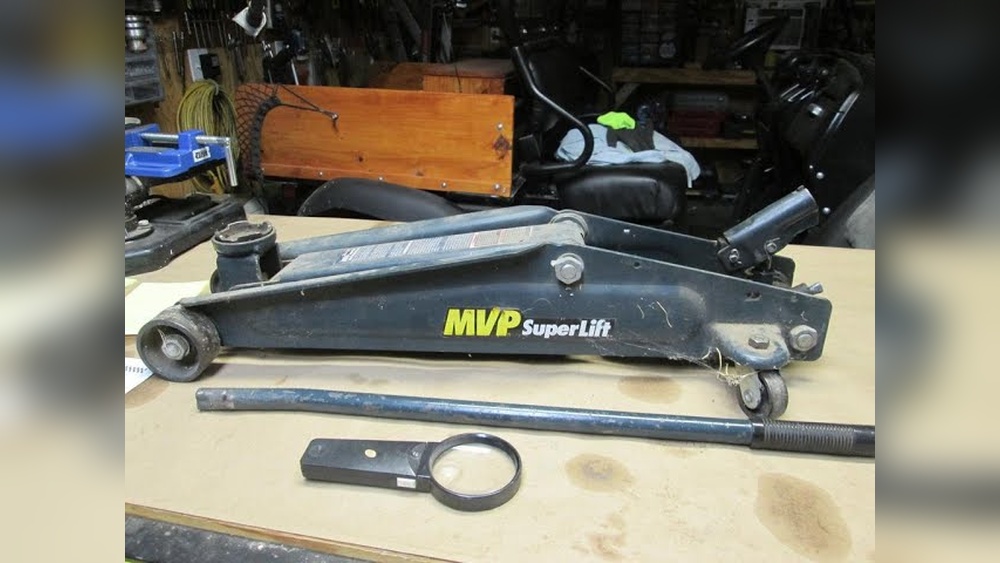
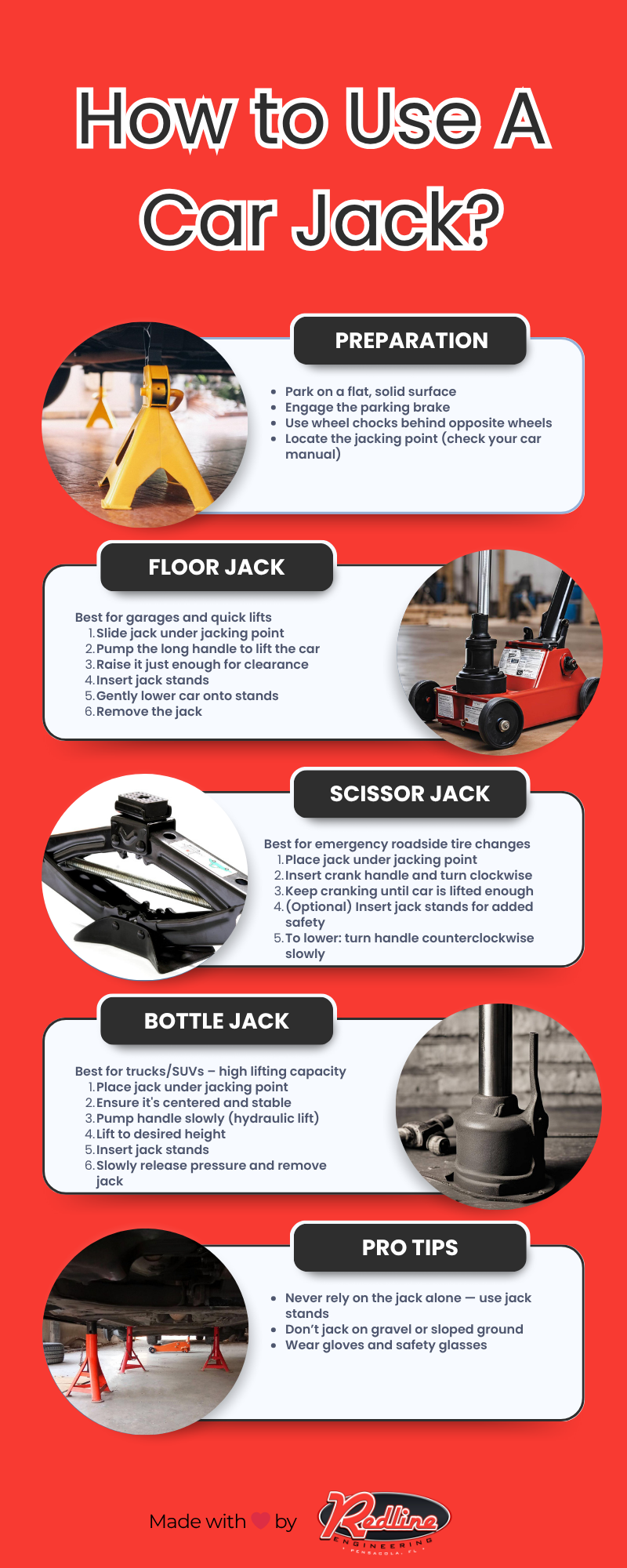
There are mainly three types of floor jacks. Hydraulic jacks use fluid to lift heavy loads smoothly. They are common for trucks because they lift with less effort. Scissor jacks are smaller and use a twisting motion to lift. They are good for emergencies but not ideal for trucks. Bottle jacks are tall and use hydraulic pressure too. They work well but need more space under the truck.
Weight Capacity And Safety
Always check the jack’s weight capacity before buying. The jack must hold more than the truck’s weight. Using a jack with low capacity is dangerous. It can break or slip, causing injury. Look for jacks with safety features like locking valves. These stop the jack from lowering accidentally. Safety stands should be used together with the jack for extra support.
Recommended Floor Jacks For Trucks
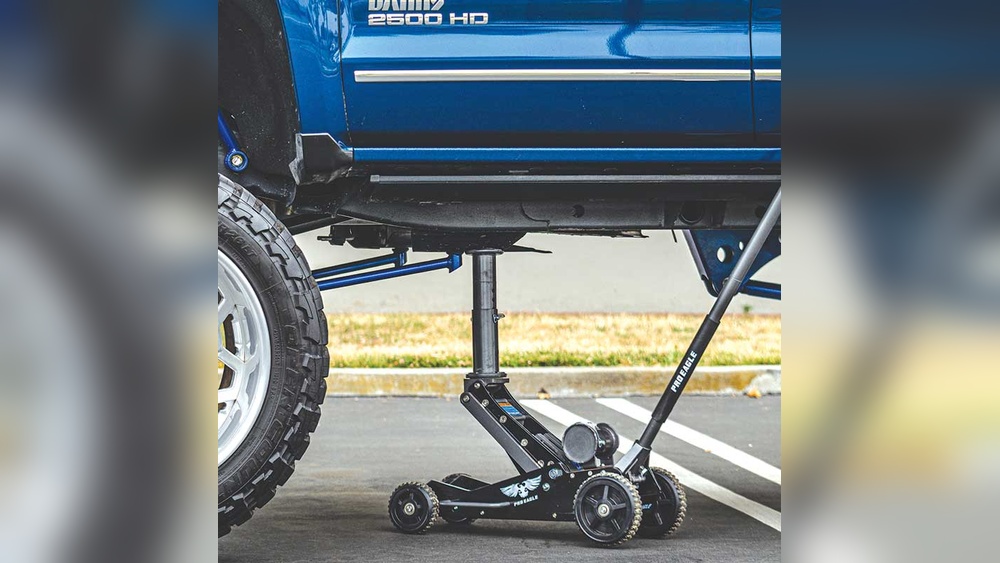
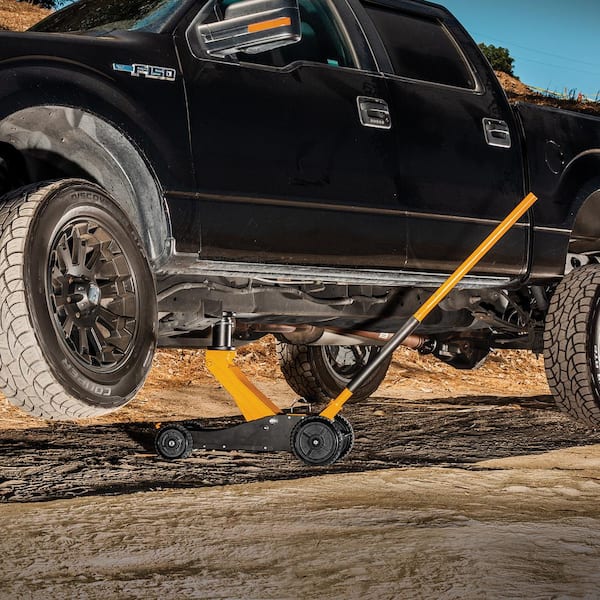
Look for floor jacks made for heavy-duty use. A 3 to 4-ton hydraulic floor jack suits most trucks. Brands with good reviews often offer reliable performance. Choose jacks with wide bases for stability. Low-profile jacks work well for trucks with low clearance. Pick one with long handles for easier lifting. This makes the job smoother and safer.
Credit: www.homedepot.com
Preparing Your Truck And Workspace
Preparing your truck and workspace is the first step in using a floor jack safely. A well-organized area helps prevent accidents and makes the job easier. Taking time to prepare protects you and your vehicle.
Selecting A Safe Location
Choose a flat, solid surface to park your truck. Avoid soft ground or slopes that can cause the jack to slip. A concrete driveway or garage floor is best. Clear the area of any debris or obstacles. Good lighting also helps you see clearly while working.
Engaging Parking Brake And Wheel Chocks
Apply the parking brake firmly to stop your truck from moving. Place wheel chocks on the opposite wheels to block any rolling. Use sturdy chocks made for trucks. This step is key for safety and stops the truck from sliding off the jack.
Gathering Necessary Tools
Have all your tools ready before lifting the truck. You will need the floor jack, jack stands, and a lug wrench. Check that the jack can support your truck’s weight. Keep a flashlight and gloves handy for better control and safety.
Locating The Jack Points On Your Truck
Knowing where to place the floor jack is very important before lifting your truck. The right spot keeps your truck stable and safe. It also prevents damage to parts under your vehicle. Take time to find these points carefully. This step makes the job easier and safer.
Consulting The Owner’s Manual
Your truck’s owner’s manual is the best guide. It shows exact jack points made by the manufacturer. Look for a section about lifting or jacking. Manuals often have pictures to help you see the spots clearly. Follow these instructions closely to avoid mistakes.
Common Jack Point Locations
Most trucks have jack points near the frame or under the doors. These spots are strong enough to hold the truck’s weight. You might also find points near the front and rear axles. Look for metal notches or reinforced areas. These are signs of safe lifting spots.
Avoiding Damage To Vehicle Components
Never place the jack on plastic parts, exhaust pipes, or fuel tanks. These parts can break or leak if pressed. Avoid soft or rusted areas that might bend or crack. Use a piece of wood between the jack and truck if needed. This protects the truck and keeps the jack steady.
Credit: www.familyhandyman.com
Operating The Floor Jack
Operating a floor jack safely is key to lifting a truck without problems. You must follow clear steps to ensure the jack works properly. This keeps you and your truck safe during the lift.
Positioning The Jack Correctly
Place the floor jack on a flat, solid surface. Check the truck’s manual for the right lifting points. Align the jack’s saddle under these points. Make sure the jack sits stable before lifting. Avoid soft or uneven ground to prevent slipping.
Pumping The Handle To Lift
Use slow, steady pumps on the handle. Do not rush or pump too fast. Watch the truck as it rises to avoid sudden shifts. Stop pumping when the truck reaches the needed height. Keep hands and feet clear of moving parts.
Monitoring Stability While Lifting
Check the jack’s position during lifting. Look for any tilting or slipping. If the jack moves, lower the truck and reposition. Never leave the truck supported by the jack alone. Use jack stands to secure the truck after lifting.
Securing The Truck After Lifting
Securing the truck after lifting is a crucial step in the process. A floor jack holds the truck up, but it is not designed to keep it stable for a long time. Properly securing the vehicle helps prevent accidents and injuries.
After raising the truck, the next step is to make sure it stays steady. Safety should always be the top priority. Taking the right precautions protects both you and your vehicle during repairs.
Using Jack Stands Safely
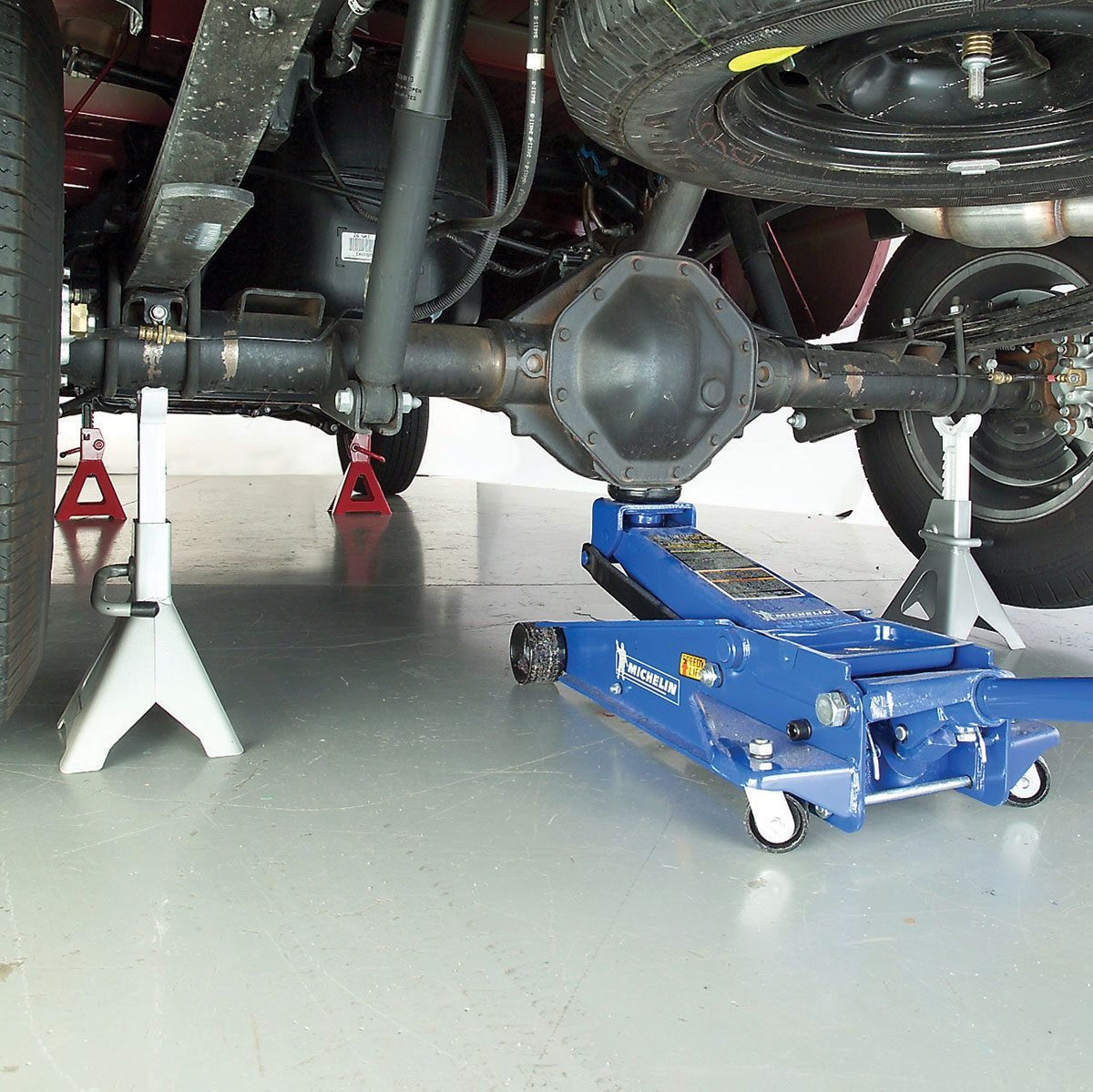
Place jack stands under the truck at strong, flat points. Avoid soft or angled areas that could slip. Slowly lower the truck onto the stands, letting them bear the weight. Make sure the stands are locked and stable before working under the truck.
Double-checking Stability
After setting the jack stands, give the truck a gentle shake. Check for any movement or wobbling. If the truck shifts, reposition the stands and test again. Stability is key to safe work.
Avoiding Relying Solely On The Jack
Never trust the floor jack alone to hold the truck up. Jacks can fail or lose pressure over time. Always use jack stands for support. The jack should only lift the truck, not hold it while you work.
Lowering The Truck Safely
Lowering a truck safely is as important as lifting it. Careless steps can cause damage or injury. Follow simple, clear steps to lower your truck without risk. Take your time. Stay focused. Safety matters the most.
Removing Jack Stands
Begin by checking that the truck is stable on the jack stands. Use a flat, level surface to avoid slipping. Slowly lift the truck a little with the floor jack. This takes the weight off the stands. Carefully remove the jack stands and move them away. Make sure no part of your body is under the truck during this step.
Slowly Releasing The Jack
Turn the jack’s release valve slowly. Let the truck lower gently to the ground. Avoid quick or sudden movements. Sudden drops can damage the truck or cause accidents. Keep your hands steady on the jack handle. Watch the truck as it comes down. Stop if you see any unusual movement.
Final Checks Before Driving
Check the truck’s position on the ground. Make sure all wheels touch the floor evenly. Look under the truck for any tools or objects left behind. Test the brakes gently to confirm they work well. Ensure nothing blocks the wheels. Only drive when you feel safe and ready.
Common Mistakes To Avoid
Using a floor jack to lift a truck requires care and attention. Avoiding common mistakes helps keep you safe and protects your vehicle. Many people face problems by not following simple rules. Learn what errors to watch out for and how to do the job right.
Overloading The Jack
Every floor jack has a weight limit. Do not lift trucks that weigh more than the jack’s capacity. Overloading can cause the jack to fail suddenly. This puts you at risk of injury and damages the jack. Always check the weight rating before starting.
Ignoring Safety Precautions
Safety rules exist for a reason. Never work under a truck supported only by the jack. Use jack stands to hold the vehicle securely. Wear gloves and eye protection to avoid accidents. Make sure the ground is flat and stable before lifting.
Incorrect Jack Placement
Placing the jack in the wrong spot causes instability. Find the manufacturer’s recommended lifting points on your truck. Position the jack under these points to avoid damage. Wrong placement can slip the jack or harm the truck’s frame. Take your time to align the jack correctly.
Maintenance Tips For Floor Jacks
Proper maintenance keeps your floor jack safe and working well. It helps avoid accidents and costly repairs. Follow simple steps regularly to extend the life of your floor jack.
Regular Inspection
Check your floor jack before every use. Look for cracks or damage on the frame and lifting arm. Test the hydraulic system for leaks or slow lifting. Tighten loose bolts or nuts. Replace worn or broken parts quickly to stay safe.
Lubrication And Cleaning
Clean dirt and dust off the jack after use. Use a cloth to wipe down all surfaces. Apply oil or grease to moving parts like wheels and hinges. This reduces friction and stops rust. Avoid over-lubricating as it can attract dirt. Keep the hydraulic pump smooth with proper oil levels.
Storage Recommendations
Store your floor jack in a dry place to prevent rust. Keep it on a flat surface to avoid damage. Lower the jack fully before storing. Cover it with a cloth or plastic to keep dust away. Avoid heavy loads on the jack during storage to keep it in shape.
Credit: www.redlinestands.com
Frequently Asked Questions
What Is The Best Type Of Floor Jack For Trucks?
A hydraulic floor jack with a high weight capacity is best. Look for one rated above your truck’s weight. Steel construction ensures durability. A wide saddle provides stability under the truck’s frame. This jack type offers smooth lifting and safety.
How Do I Position A Floor Jack Under My Truck?
Locate the truck’s designated lift points, usually near the frame or axle. Place the jack saddle securely under these points. Ensure the ground is flat and solid. Position the jack centrally to maintain balance and prevent damage during lifting.
How High Can A Floor Jack Safely Lift A Truck?
Most floor jacks lift trucks between 12 to 20 inches. Check your jack’s maximum lift height in its manual. Avoid exceeding this limit to prevent instability. Always support the lifted truck with jack stands for added safety.
Can I Use A Floor Jack On Uneven Surfaces?
No, using a floor jack on uneven surfaces is unsafe. It can cause the jack to slip or the truck to fall. Always use the jack on flat, solid ground. This ensures stability and prevents accidents during lifting.
Conclusion
Using a floor jack to lift a truck is safe and simple. Always place the jack under the right spot. Pump the handle slowly and watch the truck rise. Never rush or ignore safety steps. Lower the truck gently after your work is done.
Practice these steps to feel confident and secure. Remember, careful use keeps you and your truck safe. Stay calm and take your time. This way, lifting a truck becomes easy and stress-free.