Have you ever found yourself locked out with a deadbolt standing between you and your own home? It’s frustrating, isn’t it?
Knowing how to pick a lock with a deadbolt can save you time, money, and stress in those unexpected moments. This guide will walk you through simple, effective steps to help you regain access quickly and safely. Keep reading—you’ll learn practical tips that anyone can use, even if you’ve never tried it before.
Your next lockout might just be your easiest to solve.
Deadbolt Basics
Understanding deadbolts is key to picking one. Deadbolts offer strong security for doors. They differ from regular locks and need special knowledge.
Here is a simple guide to deadbolt basics. It will explain types, how they work, and common challenges.
Types Of Deadbolts
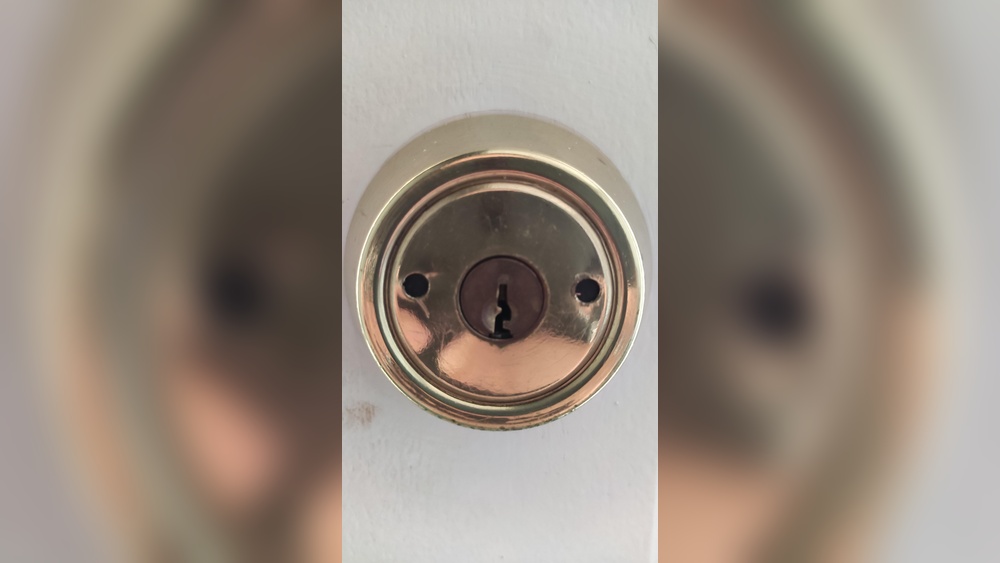
Single-cylinder deadbolts use a key on one side. They are common on residential doors. Double-cylinder deadbolts need a key on both sides. These add extra security but can be tricky in emergencies. There are also lockable thumbturn deadbolts. You can lock or unlock them from inside by turning a knob.
How Deadbolts Work
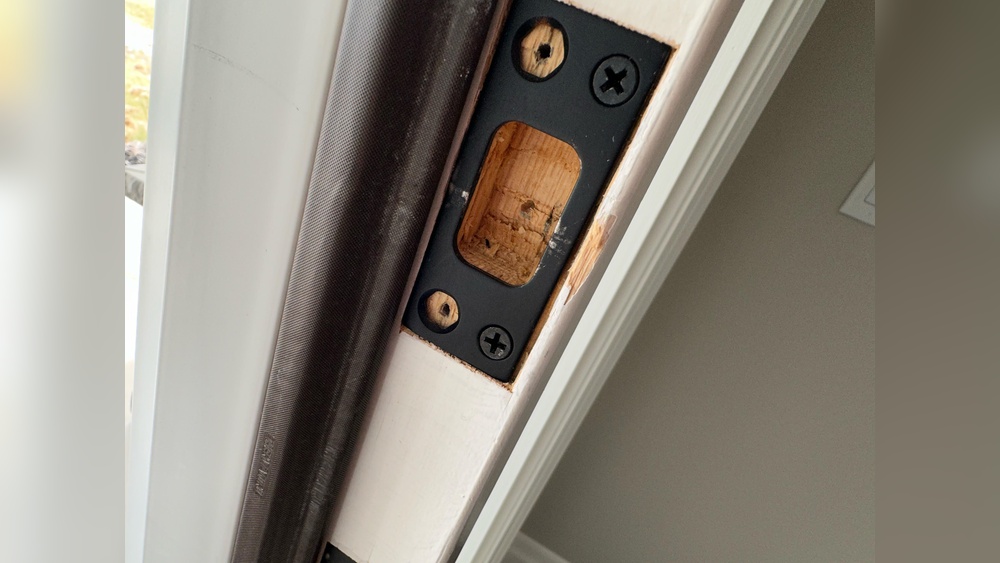
A deadbolt uses a solid metal bolt. The bolt slides into the door frame. It holds the door firmly closed. A key or thumbturn moves the bolt. This action locks or unlocks the door. Deadbolts do not spring back like regular locks. This makes them harder to force open.
Common Challenges
Deadbolts can be hard to pick. The solid bolt resists simple tools. Some deadbolts have anti-pick pins inside. These pins block common picking tricks. Tight keyways also make inserting tools tough. Picking takes patience and steady hands. Learning basic lock mechanics helps overcome challenges.

Credit: www.wikihow.com
Essential Tools
Picking a deadbolt lock needs the right tools. These tools help you work carefully and avoid damage. Knowing what to use makes the task easier and safer.
Picking Tools Needed
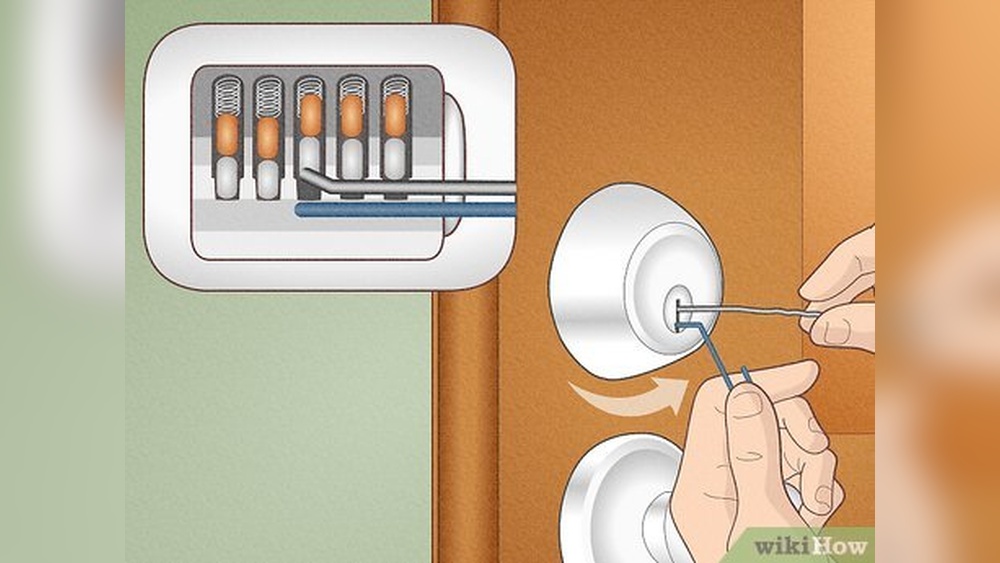
Start with a tension wrench and a lock pick. The tension wrench holds the lock steady. The pick moves the pins inside the lock. These two tools work together for success. Use a hook pick or a diamond pick for deadbolts. These shapes fit well with the pins.
Alternative Tools
Sometimes, special tools are not available. Bobby pins or paperclips can work in a pinch. Bend them to make a small hook and a tension wrench. These tools are not as strong but can help. Use them carefully to avoid breaking inside the lock.
Safety Gear
Protect your eyes with safety glasses. Small metal pieces can fly during picking. Wear gloves to protect your hands from sharp tools. Work in a well-lit area to see clearly. Safety keeps the process smooth and injury-free.
Preparation Steps
Before picking a deadbolt lock, proper preparation is key. These steps help ensure safety and success. Preparation reduces mistakes and keeps the process smooth.
Assessing The Lock
Start by examining the deadbolt carefully. Check the lock type and brand. Notice any visible damage or wear. Some locks are harder to pick than others. Understanding the lock helps choose the right tools. Look for keyway shape and any obstacles inside.
Setting Up Your Workspace
Find a clean, well-lit area for your work. Good lighting helps see small parts clearly. Keep your tools organized and within reach. Avoid distractions to stay focused. A steady surface supports the lock or door. Prepare a place to lay down pins or tools safely.
Legal Considerations
Know the laws about lock picking in your area. Picking locks without permission is illegal. Only practice on locks you own or with consent. Respect privacy and property rights. Understanding legal limits prevents trouble later. Always use lock picking skills responsibly.
Picking Techniques
Picking a deadbolt lock requires skill and the right techniques. Different methods work better depending on the lock type and your tools. Understanding these techniques helps improve your chances of success. Below are common picking methods used for deadbolts.
Single Pin Picking
Single pin picking targets one pin at a time inside the lock. You use a tension wrench to apply slight pressure. Then, a pick lifts each pin until it reaches the correct height. This method needs patience and a steady hand. It works well on locks with fewer pins.
Raking Method
The raking method moves multiple pins quickly by sliding a rake pick back and forth. This action tries to set several pins at once. It is faster but less precise than single pin picking. This method suits beginners or when time is limited.
Using A Bump Key
A bump key fits many locks of the same type. Insert it and tap it gently with a tool. The impact moves the pins, freeing the lock. This method can be quick but requires a correctly cut bump key. It works best on standard pin tumbler locks.
Troubleshooting
Troubleshooting is a key part of picking a lock with a deadbolt. Problems often happen during the process. Knowing how to handle these issues saves time and frustration.
Some difficulties come from stiff pins inside the lock. Other times, tools can get stuck. Mistakes can slow you down or damage the lock. Recognizing these problems and fixing them quickly helps you succeed.
Dealing With Stiff Pins
Stiff pins make the lock hard to pick. They do not move smoothly. Use gentle pressure with your pick and tension wrench. Push the pins slowly to avoid breaking or jamming them. Try to feel each pin’s movement carefully. Light taps can help loosen pins stuck inside.
When Tools Get Stuck
Tools can get stuck inside the lock if pushed too far. Stay calm and do not force the tool out. Gently wiggle it back and forth. Use a different angle to pull the tool out. If stuck badly, stop and try again later. Forcing tools can break them or damage the lock.
Common Mistakes To Avoid
Pressing too hard on the tension wrench is a common error. Too much force locks the pins tight. Not feeling the pins carefully can waste time. Rushing the process causes mistakes. Avoid pushing tools too deep inside the lock. Take your time and stay patient for better results.

Credit: www.youtube.com
Practice Tips
Practice is key to learning how to pick a deadbolt lock. It helps you get familiar with tools and the lock’s feel. Regular practice builds skills step by step. Small, focused sessions work best. Here are some tips to improve your practice routine.
Using Practice Locks
Start with practice locks made for learning. They are cheaper and easier to handle. Practice locks show the pins inside. This helps you see how your tools move them. Use clear or cutaway locks for better understanding. Change the pins often to try different challenges. Practice locks build confidence before trying real deadbolts.
Improving Dexterity
Picking a deadbolt needs good finger control. Practice handling small tools every day. Try simple exercises like picking up tiny objects. Work on smooth, gentle movements with your fingers. Avoid rushing; slow and steady wins. Better finger control makes lock picking easier and faster. Use practice locks to test your dexterity regularly.
Building Patience
Patience is important in learning lock picking. Deadbolts are tough and need time to open. Stay calm if it does not work at first. Take breaks if you feel frustrated. Return with a fresh mind and try again. Patience helps you notice small changes in the lock. Keep practicing with a steady and calm mind.
When To Call A Professional
Trying to pick a deadbolt lock can be tricky. Sometimes, it feels like you are making progress. Other times, it is clear you need help. Knowing when to call a professional saves time and prevents damage.
Signs You’re Stuck
The lock does not turn after several tries. Your tools slip or break inside the lock. You hear strange sounds, like grinding or clicking. The keyway feels jammed or too tight. These signs mean you need expert help. Continuing might break the lock or door.
Avoiding Damage
Deadbolts are strong and built to resist force. Using too much pressure can damage the lock or door frame. This leads to costly repairs or a full replacement. Professionals use special tools and skills. They open locks carefully without causing harm. Calling them early protects your property and wallet.
Finding A Reliable Locksmith
Choose a locksmith with good reviews and clear pricing. Check if they are licensed and insured. Ask for recommendations from friends or family. Confirm their experience with deadbolt locks. A reliable locksmith arrives quickly and works efficiently. This ensures your lock problem solves safely and fast.

Credit: www.youtube.com
Frequently Asked Questions
How Difficult Is It To Pick A Deadbolt Lock?
Picking a deadbolt lock is challenging due to its sturdy design. It requires skill, proper tools, and patience. Beginners may find it tough, but practice improves success rates. Deadbolts are designed to resist picking, enhancing home security effectively.
What Tools Are Needed To Pick A Deadbolt Lock?
Common tools include a tension wrench and a pick or a rake. These allow manipulation of the lock pins. Using the right tools is essential for success. Specialized tools make picking easier but require practice to use effectively.
Is It Legal To Pick A Deadbolt Lock?
Lock picking is legal only with permission or on your property. Unauthorized picking is illegal and can lead to criminal charges. Always ensure you have proper consent before attempting to pick any lock to avoid legal issues.
How Long Does It Take To Pick A Deadbolt Lock?
Time varies from a few minutes to over an hour. Skill level and lock complexity greatly influence the duration. Experienced locksmiths can pick a deadbolt quickly. Beginners should expect longer times and practice regularly to improve.
Conclusion
Picking a deadbolt lock takes patience and practice. Start with the right tools and learn the basic steps. Always work slowly to avoid damage. Remember, this skill helps in emergencies, not for illegal use. Stay safe and respect others’ property.
With time, you can improve your technique. Keep trying, and you will get better. This guide gives you a simple way to begin.