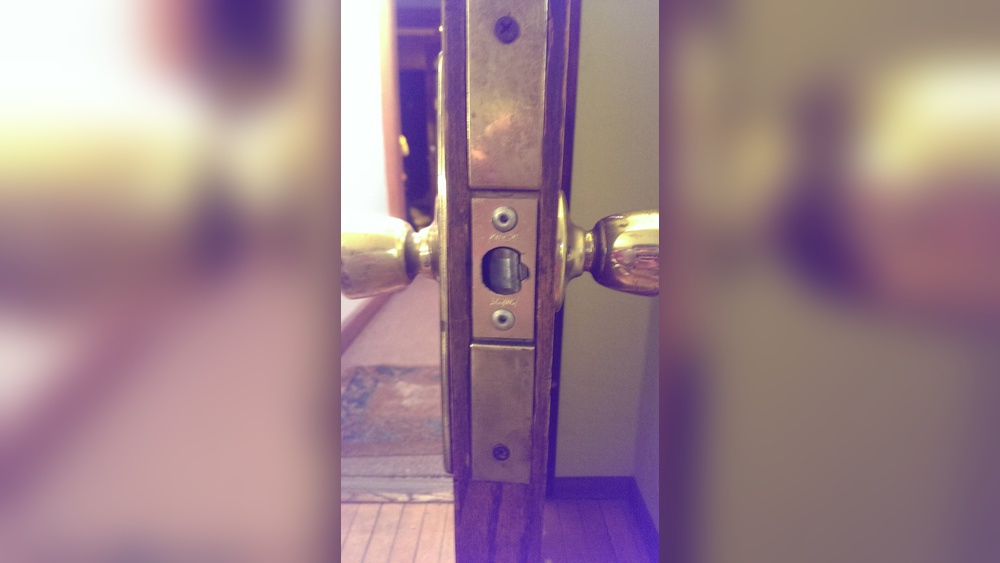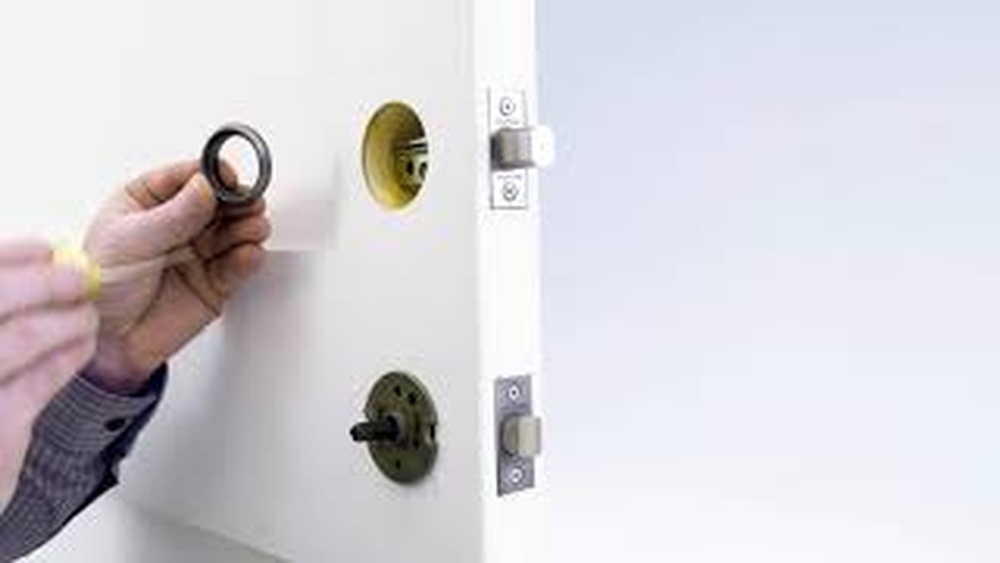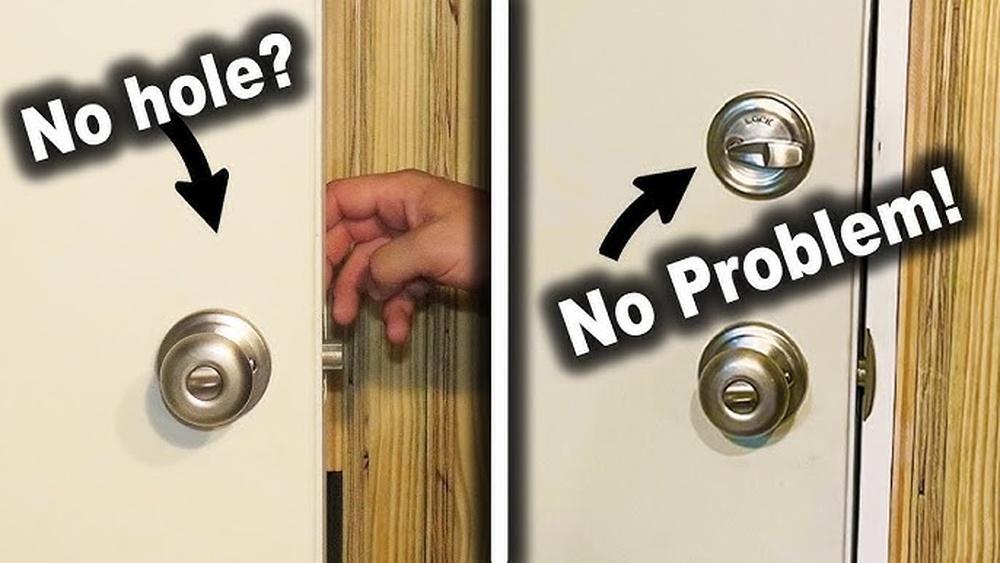
Securing your home starts with one simple step: deadbolting your door. You might think it’s complicated or time-consuming, but deadbolting is easier than you imagine—and it makes a huge difference in keeping unwanted visitors out.
Imagine the peace of mind you’ll feel knowing your door is locked tight and your loved ones are safe. In this guide, you’ll learn exactly how to deadbolt a door quickly and effectively, even if you’ve never done it before.
Keep reading, and take control of your home’s security today.
Credit: www.homedepot.com
Choosing The Right Deadbolt
Choosing the right deadbolt is key to keeping your home safe. The right lock fits your door, your needs, and your budget. It also works smoothly and lasts a long time. Understanding the types, quality, and look helps you pick the best deadbolt.
Single Vs Double Cylinder
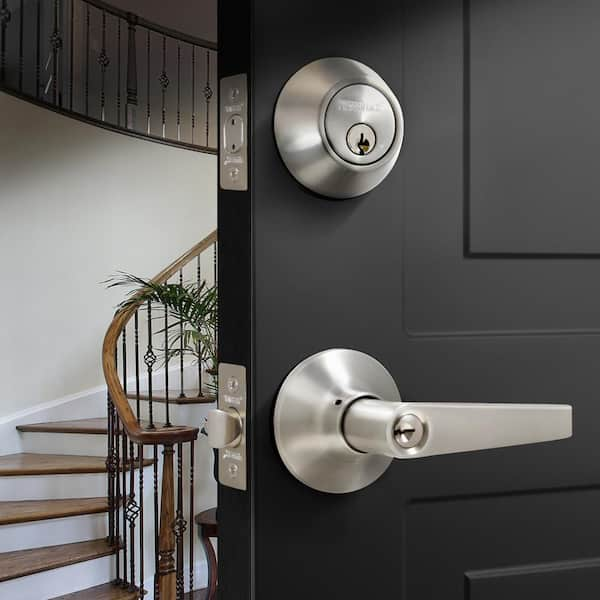
Single cylinder deadbolts use a key outside and a thumb turn inside. They are easy to use and common for most doors. Double cylinder deadbolts need a key on both sides. They add extra security but can be tricky in emergencies. Choose based on your door’s needs and safety rules.
Grade Ratings And Security Levels
Deadbolts have grades that show their strength and quality. Grade 1 is the strongest and best for high security. Grade 2 offers good protection for most homes. Grade 3 is basic and less secure. Pick a grade that fits your safety needs and budget.
Material And Finish Options
Deadbolts come in different materials like brass, steel, and bronze. Steel is tough and resists breaking. Brass looks nice and resists rust. Finishes like satin nickel or oil-rubbed bronze add style and protect the lock. Choose a material and finish that match your door and climate.
Tools And Materials Needed
Installing a deadbolt lock requires specific tools and materials. Having the right items ready makes the job easier and faster. It also helps ensure the lock fits well and works properly. Below is a clear list of what you need before starting.
Essential Tools List
- Power drill with drill bits
- Screwdriver (Phillips and flathead)
- Chisel
- Hammer
- Measuring tape
- Pencil or marker
- Hole saw kit (usually 2 1/8 inch for deadbolt)
- Level
Recommended Materials
- Deadbolt lock set
- Wood screws (usually included with lock)
- Strike plate
- Wood filler (optional, for fixing any mistakes)
- Sandpaper
Safety Equipment
- Safety glasses to protect your eyes
- Work gloves to protect your hands
- Dust mask to avoid inhaling wood dust
Preparing The Door
Preparing the door is a key step before installing a deadbolt. This stage ensures the lock fits well and works smoothly. Taking time here saves effort later. Focus on accurate measurements and clear markings. Also, check the door’s thickness to confirm compatibility. Removing old hardware creates a clean surface for the new deadbolt.
Proper preparation makes the installation easier. It helps avoid mistakes and keeps the door secure.
Measuring And Marking
Start by measuring the height for the deadbolt. Usually, it goes about 6 to 12 inches above the door handle. Use a pencil to mark the spot clearly. Measure the backset, which is the distance from the door edge to the center of the lock hole. Mark both sides of the door. Precise marks guide drilling and cutting.
Checking Door Thickness
Measure the door’s thickness with a tape measure. Most deadbolts fit doors 1 3/8 to 1 3/4 inches thick. If the door is thinner or thicker, find a deadbolt that matches. Installing the wrong size lock can cause problems. Double-check this before buying or drilling.
Removing Existing Hardware
Remove any old locks or handles from the door. Use a screwdriver to unscrew all parts carefully. Clean the area to remove dirt and debris. This step prevents interference with the new deadbolt. A smooth surface helps the lock fit tightly and work well.
Installing The Deadbolt
Installing a deadbolt improves your door’s security significantly. The process requires careful steps to ensure the lock works smoothly. Follow each part closely to fit your deadbolt correctly and safely.
Drilling Holes
Mark the spots for the lock on your door. Use a template if your deadbolt comes with one. Drill a hole through the door for the lock cylinder. Also, drill a hole on the door edge for the bolt. Make sure holes are straight and clean. Use the right drill size for your deadbolt parts.
Fitting The Deadbolt Mechanism
Insert the bolt mechanism into the edge hole. Align it so the bolt slides out smoothly. Attach the faceplate on the door edge with screws. Place the lock cylinder on the outside of the door. Fit the thumb turn or key cylinder on the inside. Check if both parts connect properly through the door.
Securing The Lock
Fasten all screws tightly but do not over-tighten. Test the deadbolt by turning the thumb turn or key. The bolt should extend and retract without sticking. Adjust if the lock feels loose or too tight. Install the strike plate on the door frame. Screw it firmly to catch the bolt securely.
Reinforcing The Door Frame
Reinforcing the door frame is a key step to make your deadbolt more secure. A strong frame stops the door from being forced open. Without a solid frame, even the best deadbolt can fail.
Strengthening the frame adds protection and peace of mind. Small changes can make a big difference in your door’s security. Focus on three main areas: the strike plate, the reinforcement plate, and the screws.
Installing A Strike Plate
The strike plate is the metal piece where the deadbolt fits into the frame. Use a heavy-duty strike plate for better security. Replace any thin or weak plates with thicker, stronger ones. Secure it tightly to the door frame to resist force. A well-installed strike plate helps stop the door from splitting under pressure.
Adding A Door Reinforcement Plate
A door reinforcement plate wraps around the frame and the edge of the door. It adds extra strength to weak spots. These plates are easy to install and block attempts to kick in the door. Choose a plate made from solid steel for the best protection. Attach it firmly to cover vulnerable areas.
Using Longer Screws For Strength
Standard screws often don’t reach deep into the wall studs. Swap short screws with longer ones, at least 3 inches long. Longer screws hold the strike plate and reinforcement plate tight to the frame. This anchors the door better and prevents the frame from pulling away. Screw placement matters. Put screws into solid wood, not just the door jamb.

Credit: www.amazon.com
Testing And Maintenance
Testing and maintaining your deadbolt is key to keeping your door secure. Regular checks help avoid lock failures and improve safety. Small efforts can extend your lock’s life and ensure smooth use.
Checking Lock Functionality
Turn the key or thumb turn several times. Make sure the bolt moves smoothly in and out. Test the lock from both inside and outside. Ensure the door closes fully and the bolt fits the strike plate. Listen for any strange sounds when locking or unlocking.
Regular Maintenance Tips
Clean the lock with a soft cloth to remove dirt. Apply graphite powder or a lock lubricant inside the keyhole. Avoid oil-based lubricants that attract dust. Tighten any loose screws on the lock and door frame. Check the strike plate alignment and adjust if needed.
Troubleshooting Common Issues
If the key sticks or won’t turn, try lubricating the lock. Check for debris inside the keyhole. Tighten screws if the lock feels loose. If the bolt doesn’t extend fully, check the door alignment. Replace worn or damaged parts promptly to avoid bigger problems.
Additional Security Tips
Adding a deadbolt is a strong step to protect your home. You can boost security by using other tools and methods together. Small changes can make a big difference in keeping your home safe.
Combining With Other Locks
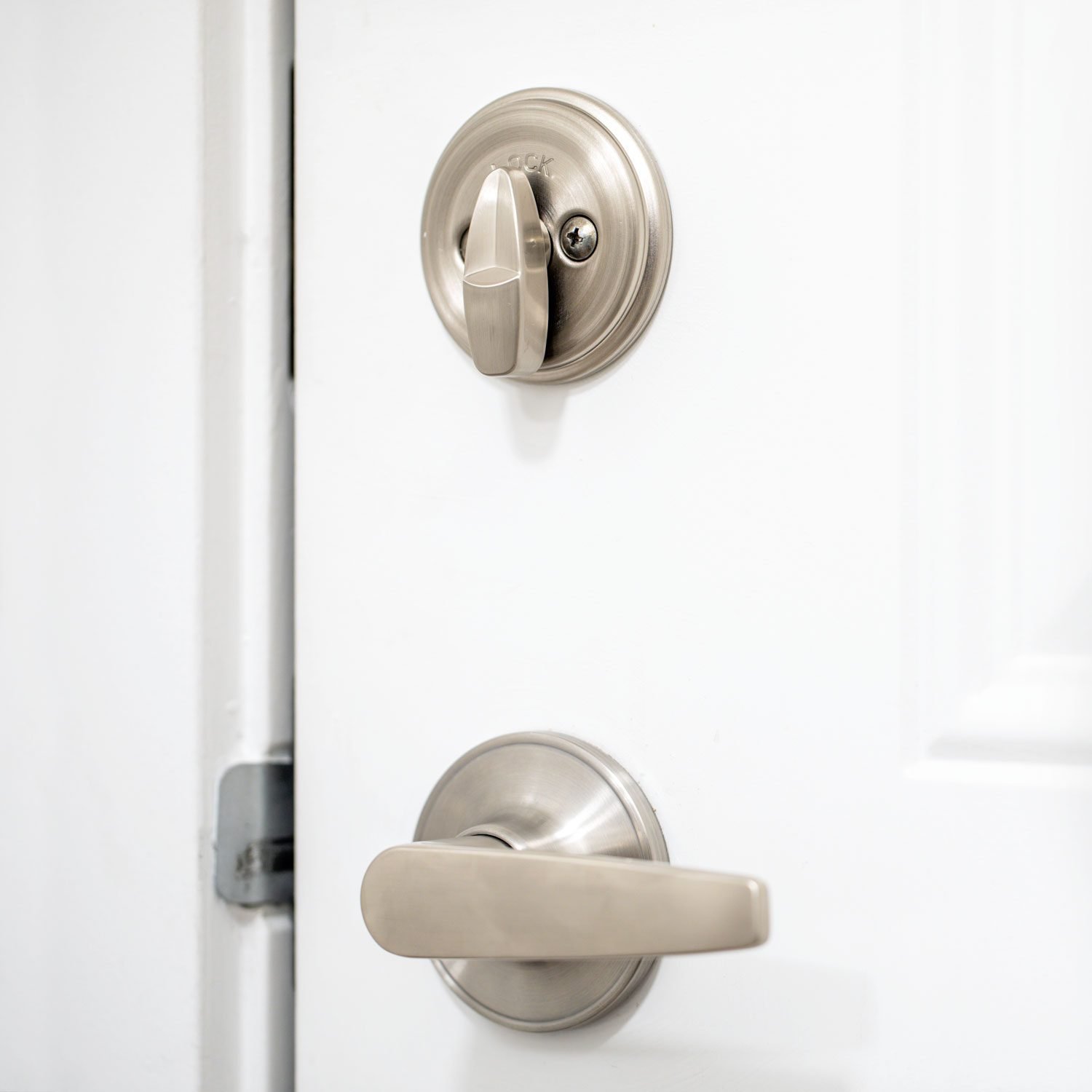
Use a deadbolt with a regular lock for extra safety. A doorknob lock adds one more barrier. This combination makes it harder for intruders to enter. Double locks slow down or stop break-ins.
Smart Deadbolt Options
Smart deadbolts offer convenience and security. They allow keyless entry using codes or apps. Some models alert you if the door is open or unlocked. You can control the lock from your phone. These locks fit well with modern homes.
Securing Sliding And Patio Doors
Sliding doors need special care. Use a security bar or rod in the track. This stops the door from sliding open. Add a secondary lock for more protection. Keep curtains or blinds closed to block views inside.
Credit: www.familyhandyman.com
Frequently Asked Questions
What Tools Are Needed To Deadbolt A Door?
You need a drill, screwdriver, measuring tape, pencil, chisel, and the deadbolt kit. These tools help install the deadbolt securely and accurately.
How Long Does It Take To Install A Deadbolt?
Installing a deadbolt typically takes 30 to 60 minutes. The time depends on door type and your experience level.
Can I Deadbolt Any Type Of Door?
Most wooden and metal doors can be deadbolted. Ensure the door thickness matches the deadbolt specifications for proper fit.
Is Deadbolting A Door Secure?
Yes, deadbolts provide strong security by preventing forced entry. They are more reliable than standard locks for home safety.
Conclusion
Adding a deadbolt makes your door safer. It keeps unwanted visitors out. You only need a few tools and steps. Take your time and follow instructions carefully. A well-installed deadbolt lasts for years. It gives peace of mind at home.
Remember to test the lock after fixing it. Secure your home with this simple upgrade. Safety starts with small actions like this. Your door can be strong and reliable now.