Is your deadbolt lock sticking or hard to turn? If so, it might be time to give it a little care with proper lubrication.
Knowing how to lubricate a deadbolt lock can save you from frustrating jams and keep your home secure. In this guide, you’ll discover simple steps that anyone can follow to make your lock work smoothly again. Keep reading, and you’ll learn exactly what to use, how to apply it, and tips to keep your lock in top shape for years to come.
Don’t let a stubborn lock slow you down—take control now!
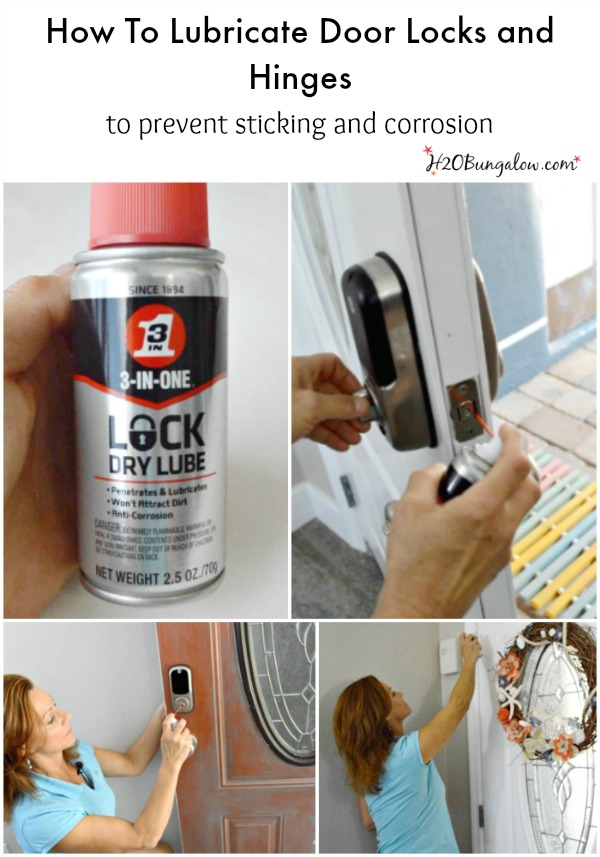
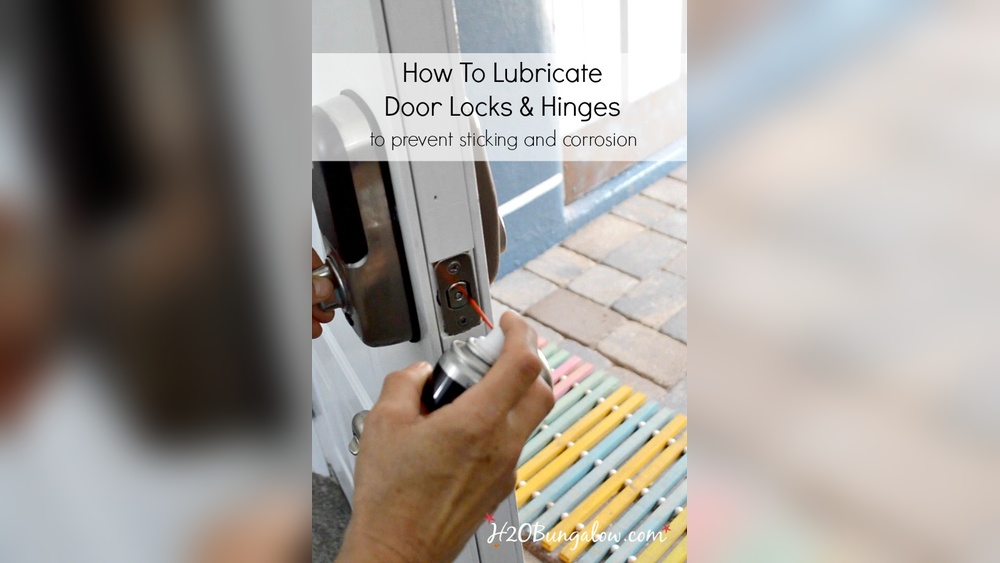
Credit: h2obungalow.com
Tools And Materials Needed
Lubricating a deadbolt lock requires a few simple tools and materials. Having these ready makes the process smooth and effective. The right supplies keep your lock working well and prevent damage.
Graphite Powder Or Silicone-based Lubricant
Choose a lubricant made for locks. Graphite powder is dry and won’t attract dirt. Silicone-based lubricants are also good for metal parts. Avoid oil-based products. They can gum up the lock.
Small Brush Or Cotton Swabs
Use a small brush or cotton swabs to apply lubricant. They help reach tight spaces inside the lock. This ensures even coverage without waste.
Screwdriver
A screwdriver helps remove the lock cover if needed. This gives better access to internal parts. Use the right size to avoid stripping screws.
Clean Cloth
Keep a clean cloth handy. Wipe off excess lubricant and dirt. This stops buildup around the lock and keeps it neat.
Signs A Deadbolt Needs Lubrication
Knowing when a deadbolt needs lubrication helps keep it working smoothly. Locks wear down over time, and signs of trouble often appear early. Spotting these signs stops bigger problems later. A well-lubricated deadbolt saves time and money.
Look for changes in how your lock feels and sounds. These clues show it needs care. Acting fast keeps your door secure and easy to open.
Difficulty Turning The Key
When the key feels stiff or hard to turn, lubrication is needed. A dry lock resists movement. Applying lubricant eases the key’s path inside the lock cylinder.
Sticky Or Jammed Bolt
The bolt may stick or jam when sliding into the door frame. This problem makes locking or unlocking slow and frustrating. Lubrication smooths the bolt’s movement, preventing jams.
Unusual Noises During Operation
Grinding, squeaking, or scraping sounds come from a dry lock. These noises mean parts rub without enough lubrication. A few drops of lubricant quiet the lock and protect parts.
Visible Rust Or Dirt Build-up
Rust or dirt on the lock’s surface or inside can block smooth action. Dust and grime cause friction inside the mechanism. Cleaning and lubricating remove these barriers and improve function.
Key Gets Stuck Or Won’t Insert Fully
Difficulty inserting or removing the key signals internal issues. Lack of lubrication causes the lock pins to bind. Applying lubricant frees the pins and restores smooth key movement.
Choosing The Right Lubricant
Choosing the right lubricant is important for deadbolt locks. The right product keeps the lock smooth and stops it from sticking. It also protects the lock from dust and rust. Using the wrong lubricant can cause more problems and damage the lock parts.
Types Of Lubricants For Deadbolt Locks
There are different lubricants to choose from. Graphite powder is dry and does not attract dirt. It works well inside locks. Silicone spray is another good option. It is wet but dries quickly and keeps parts moving. Avoid using oil-based lubricants like WD-40. They can cause dirt to build up and make the lock worse.
Why Avoid Grease And Oil
Grease and oil can trap dust and grime. This makes the lock sticky over time. They also can attract insects and cause rust. Locks need a lubricant that keeps parts clean and dry. Dry powders or silicone sprays do this best.
Where To Buy Quality Lock Lubricants
Hardware stores and online shops sell good lock lubricants. Look for products made for locks or small mechanical parts. Read the label to make sure it is safe for metal and plastic parts. Avoid cheap or unknown brands that might harm the lock.
Preparing The Lock For Lubrication
Preparing the lock for lubrication is a key step in keeping your deadbolt working smoothly. Dirt and old grease can block the lock’s parts. This makes it hard to turn the key or use the thumb turn. Cleaning the lock first helps the new lubricant work better and last longer.
Start by gathering the right tools. You need a soft cloth, a small brush, and some compressed air if you have it. Avoid using water or harsh chemicals that can damage the lock. The goal is to remove dust and grime without hurting the metal parts.
Remove The Deadbolt From The Door
Take the lock apart carefully. Use a screwdriver to remove screws holding the lock on the door. Keep the screws safe so you don’t lose them. Pull the deadbolt out gently. This gives you better access to all parts of the lock.
Clean The Lock Surface
Wipe the lock with a dry cloth to remove loose dirt. Use a small brush to clean tight spaces. Brush inside the keyhole and around the bolt. This clears away dust that stops lubricant from reaching all parts.
Use Compressed Air To Blow Out Dust
Blow compressed air into the keyhole and bolt area. This pushes out hidden dirt and old grease. Hold the lock upside down to help dirt fall out. Repeat until the lock looks clean inside.
Check For Rust Or Damage
Look closely at the lock parts. Rust or damage can stop the lock from working well. If rust is present, remove it with fine steel wool or a rust remover. Replace any broken parts before lubricating.
Step-by-step Lubrication Process
Lubricating a deadbolt lock helps it work smoothly and last longer. Follow these clear steps to keep your lock in good shape. Each step is easy and requires simple tools. Take your time and work carefully for the best results.
Remove The Deadbolt
Start by removing the screws on the door’s edge. Pull out the deadbolt carefully. Keep the screws safe for later. Removing the deadbolt gives full access to its parts.
Clean The Lock Components
Use a soft brush or cloth to clean dirt and dust. Wipe all visible parts gently. Avoid using water or harsh chemicals. Clean parts help the lubricant work better.
Apply Lubricant To The Keyway
Insert a few drops of lock lubricant into the keyhole. Do not use oil or grease. These can cause more problems. Use a dry lubricant or graphite powder for best results.
Lubricate The Bolt Mechanism
Spray lubricant on the bolt and moving parts. Move the bolt back and forth to spread the lubricant. This reduces friction and stops sticking.
Reassemble The Deadbolt
Put the deadbolt back in place. Tighten the screws securely but not too tight. Test the lock with the key several times. It should turn smoothly without force.

Credit: www.youtube.com
Testing The Deadbolt After Lubrication
Testing the deadbolt after lubrication is a key step. It ensures the lock works smoothly and safely. This check helps find any issues early. It confirms the lubricant reached all needed parts.
Perform simple tests to verify the deadbolt’s function. Turn the key and the thumb turn several times. The bolt should move with little effort. Listen for any sticking or grinding sounds. These signs may mean more work is needed.
Checking The Bolt Movement
Slide the bolt in and out slowly. It should move easily without force. Feel for any resistance or rough spots. Smooth movement shows proper lubrication. If stiff, try applying lubricant again.
Testing The Key Operation
Insert the key and turn it fully. It should turn smoothly without catching. Remove and reinsert the key several times. Consistent ease of turning means good lubrication. Difficulty suggests the lock needs more care.
Operating The Thumb Turn
Turn the thumb turn inside the door. It should move freely and quietly. Test it multiple times to check for smoothness. Any sticking means more lubrication or cleaning is required.
Maintenance Tips For Long-lasting Locks
Maintaining deadbolt locks keeps them working smoothly for years. Regular care stops jams and wear. Simple steps help your locks last longer and stay secure.
Cleaning and lubricating locks prevents rust and dirt buildup. It also makes turning the key easier. Follow these tips to keep your deadbolt in top shape.
Cleaning The Lock Surface
Wipe the lock with a soft cloth to remove dust and dirt. Avoid harsh chemicals that can damage the lock’s finish. Use mild soap and water if needed. Dry the lock completely before lubricating.
Use graphite powder or silicone spray for best results. Avoid oil-based lubricants as they attract dust. Graphite powder is dry and prevents gumming inside the lock. Silicone spray offers smooth operation without sticky residue.
Applying Lubricant Correctly
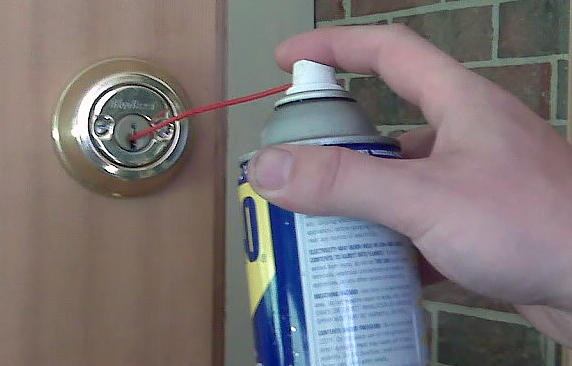
Insert the lubricant into the keyhole gently. Spray or puff a small amount inside the lock cylinder. Insert and turn the key several times to spread the lubricant evenly. Wipe off any excess lubricant from the lock surface.
Regular Inspection And Testing
Check your deadbolt every few months for smooth action. Test the key to see if it turns easily. Listen for grinding or sticking sounds. Catching problems early avoids costly repairs later.
Protecting Locks From Weather
Use a lock cover to shield from rain and snow. Moisture causes rust and freezing issues. Keep outdoor locks dry and clean to extend their life.
Credit: www.thedoorsdepot.com
Frequently Asked Questions
How Often Should I Lubricate A Deadbolt Lock?
Lubricate your deadbolt lock every 6 to 12 months to keep it smooth. Regular lubrication prevents rust and wear, ensuring easy key turning and lock operation. Avoid over-lubricating, as excess lubricant can attract dirt and grime.
What Lubricant Works Best For Deadbolt Locks?
Use a graphite powder or silicone-based lubricant for deadbolt locks. These lubricants do not attract dust like oil-based ones. Avoid WD-40 as it can gum up the lock over time.
Can I Lubricate A Deadbolt Without Removing It?
Yes, you can lubricate a deadbolt without removal. Insert the lubricant into the keyhole and operate the lock several times. This spreads the lubricant evenly inside the mechanism.
Why Is My Deadbolt Lock Sticking Despite Lubrication?
Sticking may result from dirt buildup or worn parts, not just lubrication issues. Clean the lock with compressed air before lubricating. If sticking persists, consider professional repair or replacement.
Conclusion
Regularly lubricate your deadbolt lock to keep it working well. Use the right lubricant and avoid oil-based products. Apply small amounts inside the keyhole and moving parts. Test the lock after lubrication to ensure smooth operation. Taking a few minutes now saves frustration later.
A well-lubricated lock lasts longer and feels easier to use. Keep your home secure with simple maintenance steps. Easy, quick care makes a big difference in lock performance.