Are you struggling to hang something heavy on your plaster wall without it falling down? You’re not alone.
Plaster walls can be tricky, but once you know the right way to put anchors in them, your pictures, shelves, or mirrors will stay secure. In this guide, you’ll learn simple, clear steps to make sure your anchors hold strong every time.
Keep reading, and you’ll gain the confidence to tackle your project like a pro.

Credit: www.picturehangsolutions.com
Types Of Wall Anchors
Choosing the right wall anchor is key for strong, secure mounting on plaster walls. Different anchors suit different weights and wall types. Knowing each type helps pick the best one for your project. Here are common types used for plaster walls.
Plastic Expansion Anchors
Plastic expansion anchors are simple and affordable. They work well for light loads like picture frames. Insert the anchor into a drilled hole, then screw into it. The anchor expands, gripping the plaster tightly. Best for small holes and light items.
Toggle Bolts
Toggle bolts hold heavy objects on plaster walls. They have wings that open behind the wall. Insert them through a drilled hole, then tighten the screw. The wings spread the load over a large area. Good for shelves and large mirrors.
Molly Bolts
Molly bolts give strong support in plaster walls. Insert into a drilled hole, then tighten the screw. The sleeve expands and locks inside the wall. They hold medium to heavy items securely. Useful for curtain rods and medium shelves.
Self-drilling Anchors
Self-drilling anchors do not need pre-drilling. Screw them directly into the plaster using a screwdriver. They create threads inside the wall for a firm hold. Suitable for light to medium loads. Handy for quick installations.
Credit: www.reddit.com
Tools And Materials Needed
Putting anchors in a plaster wall needs the right tools and materials. Using proper equipment makes the job easier and safer. You will get better results and avoid damaging the wall.
Below are the main tools and materials needed to install anchors in plaster walls. Each has a special role in the process.
Drill And Drill Bits
A drill is essential to make holes in plaster walls. Use drill bits that fit the size of the anchors you plan to use. Choose masonry bits if the wall is very hard. A good drill helps create clean and accurate holes.
Screwdriver
A screwdriver is needed to drive screws into the anchors. Use the right type of screwdriver head, like a Phillips or flathead. This tool helps secure anchors firmly without slipping or damaging screws.
Measuring Tape
Measuring tape helps mark the exact spot for drilling. Accurate measurements prevent mistakes and keep anchors aligned. It also helps ensure the items you hang are level and centered.
Level
A level is important to check if the anchors and screws are straight. This tool makes sure your hanging objects look neat and balanced. Use it after marking and during installation.
Anchors And Screws
Choose anchors made for plaster walls, like plastic expansion or toggle anchors. Match screws to the anchor size for a secure fit. Using the right anchors and screws ensures strong support and prevents wall damage.
Preparing The Wall
Preparing the wall is a crucial step before putting anchors in plaster. Proper preparation ensures strong support and prevents damage. It involves finding the right spots and checking for hidden obstacles. Taking time here saves effort later.
Locating Studs
Studs are wooden or metal beams behind plaster walls. Anchoring into studs gives the strongest hold. Use a stud finder to locate these beams. Move it slowly across the wall surface. Mark the edges of each stud with a pencil. Avoid guessing stud locations to prevent weak anchors.
Marking Anchor Points
Marking anchor points helps keep your work neat and accurate. Measure the spots carefully using a tape measure or level. Make small pencil marks where you want to drill. Double-check the marks before drilling. Correct placement avoids crooked or unstable fixtures.
Checking For Wiring And Pipes
Electrical wires and pipes run behind plaster walls. Drilling into these can cause serious damage or danger. Use a wire detector or stud finder with a live wire sensor. Scan the wall carefully around your anchor points. Avoid areas with wiring or plumbing for safety.
Drilling Holes In Plaster
Drilling holes in plaster walls requires a steady hand and the right tools. Plaster can crack or crumble without careful drilling. Taking the right steps ensures a clean hole for anchors. This helps your fixtures stay secure and prevents wall damage.
Choosing The Right Drill Bit
Select a drill bit designed for plaster or masonry. A carbide-tipped or masonry bit works best. Avoid using wood or metal bits, as they can damage plaster. Pick a bit size matching the anchor diameter for a snug fit.
Drilling With Care
Start drilling slowly to avoid cracking the plaster. Keep the drill level and steady during the process. Apply gentle pressure, letting the bit do the work. Pause occasionally to clear dust and check progress. Stop drilling as soon as you reach the desired depth.
Cleaning The Hole
Remove dust and debris from the hole using a small brush or vacuum. A clean hole helps the anchor grip better. Avoid pushing debris deeper into the wall. Check the hole for loose plaster and gently remove it before inserting anchors.
Installing The Anchors
Installing anchors in a plaster wall helps hold objects securely. Each type of anchor fits different needs and wall types. Proper installation ensures strong support and prevents damage.
Follow simple steps to insert plastic anchors, toggle bolts, and molly bolts with ease. Use the right tools and techniques for best results.
Inserting Plastic Anchors
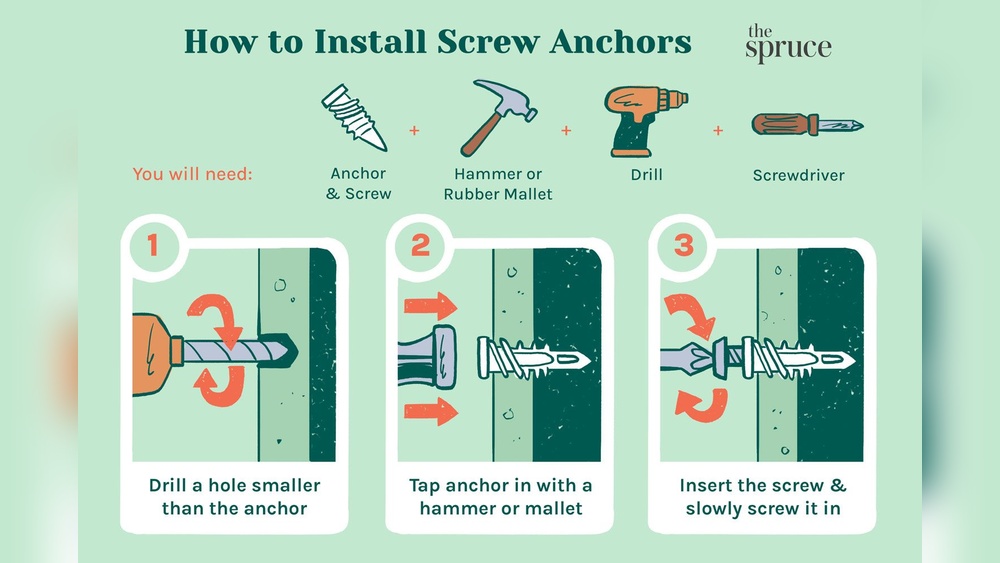
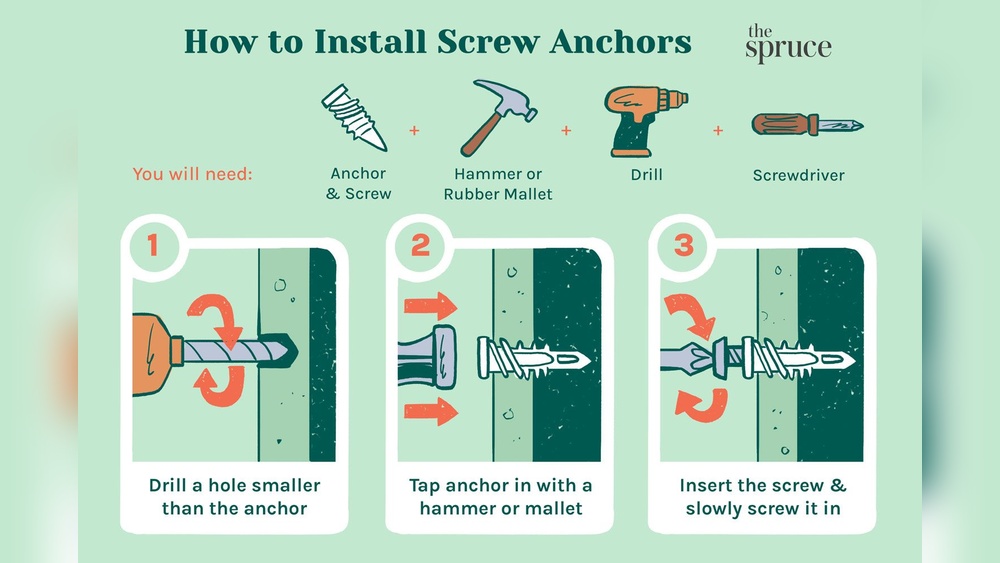
Start by drilling a hole that matches the anchor size. Push the plastic anchor gently into the hole until it is flush. Tap lightly with a hammer if needed. Screw your fastener into the anchor slowly. The anchor expands, gripping the plaster tightly. This method works well for light to medium loads.
Setting Toggle Bolts
Drill a hole large enough for the toggle wings to fold. Thread the bolt through the item you want to hang. Squeeze the wings and push them inside the hole. The wings open behind the plaster, creating a strong hold. Pull the bolt gently to lock the toggle in place. Tighten the bolt carefully without breaking the plaster.
Installing Molly Bolts
Drill a hole matching the molly bolt size. Insert the molly bolt and tap it flush with the wall. Tighten the screw to expand the metal sleeve inside the wall. This expansion secures the bolt firmly. Remove the screw, mount your object, and reinsert the screw. Molly bolts are great for medium to heavy loads on plaster walls.
Securing Screws And Fixtures
Securing screws and fixtures in plaster walls requires care and the right technique. The goal is to hold items firmly without damaging the wall. This section explains how to align screws, tighten them properly, and test their strength.
Aligning Screws Correctly
Start by placing the screw straight into the anchor. Avoid angling the screw. A straight screw fits better and holds stronger. Use a level or guide to check alignment. This prevents the fixture from leaning or falling.
Tightening Without Damage
Turn the screw slowly and gently. Stop if you feel strong resistance. Over-tightening can crack plaster or strip the anchor. Use a screwdriver with good grip. Keep control to avoid slipping and harming the wall.
Testing Stability
After tightening, gently pull or push the fixture. It should not move or wobble. Check the wall around the anchor for cracks. If loose, remove and try a bigger anchor or different spot. Secure fixtures last longer and keep walls safe.
Tips For Strong Support
Strong support is key to holding items safely on plaster walls. Using the right methods helps avoid damage. It also ensures your anchors hold well over time. Follow these tips to secure your wall hangings firmly.
Choosing The Right Anchor Type
Select anchors designed for plaster walls. Plastic expansion anchors work for light objects. For heavier items, use metal anchors or toggle bolts. Match the anchor size to the object’s weight. This prevents the anchor from pulling out.
Avoiding Over-tightening
Do not tighten screws too much. Over-tightening can crack the plaster. Turn screws slowly and stop when firm. This keeps the wall intact and the anchor secure. A gentle touch extends the life of your installation.
Distributing Weight Evenly
Spread the weight across several anchors. Use more than one anchor for heavy items. Space anchors evenly along the item’s mounting points. This reduces stress on a single spot. Even weight helps keep your wall safe and sound.
Credit: www.youtube.com
Frequently Asked Questions
What Types Of Anchors Work Best In Plaster Walls?
Plastic expansion anchors and toggle bolts are ideal for plaster walls. They provide strong support without damaging the plaster. Choose anchors based on the weight of the item you want to hang. Always pre-drill holes to prevent plaster cracking.
How Do I Prevent Plaster From Cracking When Drilling?
Use a small drill bit first to create a pilot hole. Drill slowly and steadily at low speed. Avoid applying too much pressure on the plaster. This reduces the risk of cracking and ensures a clean hole for the anchor.
Can I Use Drywall Anchors In Plaster Walls?
Drywall anchors are not recommended for plaster walls. Plaster is denser and requires stronger anchors like toggle bolts or molly bolts. Using drywall anchors may result in poor grip and wall damage. Choose anchors designed specifically for plaster.
How Much Weight Can Plaster Wall Anchors Support?
Weight capacity varies by anchor type and size. Plastic anchors typically hold up to 20 pounds. Toggle bolts can support 50 pounds or more. Always check the manufacturer’s weight rating before installation to ensure safety.
Conclusion
Putting anchors in a plaster wall is easier than it seems. With the right tools, you can do it safely and quickly. Always measure and mark the spot before drilling. Choose the correct anchor type for your wall. Take your time to avoid cracks or damage.
Follow the steps carefully for a strong hold. This helps your items stay secure and your wall stay intact. Now, you can hang shelves, pictures, or mirrors with confidence. Practice makes perfect, so don’t rush the process. Enjoy your newly secured items without worry.