Are you struggling to figure out if that heavy tool in your garage is a hydraulic floor jack? Knowing how to identify a hydraulic floor jack can save you time, money, and even keep you safe when working on your vehicle.
This simple skill lets you quickly spot the right equipment for lifting heavy loads without confusion or guesswork. Keep reading, and you’ll discover the key features that set a hydraulic floor jack apart from other jacks, helping you make smarter choices for your car repairs or DIY projects.
Types Of Hydraulic Floor Jacks
Hydraulic floor jacks come in several types. Each type serves different needs and vehicle types. Knowing these types helps you pick the right jack for your tasks. The main types include Low Profile Jacks, Bottle Jacks, and Service Jacks. Each type has unique features and uses.
Low Profile Jacks
Low Profile Jacks fit under cars with low ground clearance. They have a flat, wide base and a long handle. These jacks lift cars smoothly and safely. They work well for sports cars and lowered vehicles.
Bottle Jacks
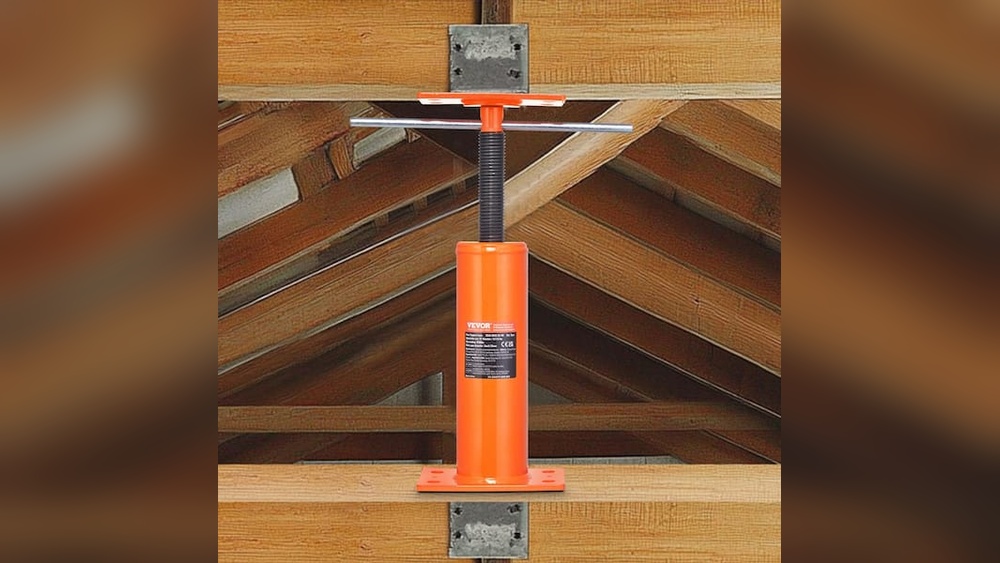
Bottle Jacks have a vertical design like a bottle. They are compact and strong. These jacks use hydraulic pressure to lift heavy loads. Bottle jacks work well for trucks and SUVs. Their small size makes them easy to store.
Service Jacks
Service Jacks are larger and used in workshops. They have wheels for easy movement. These jacks lift heavy vehicles and hold them steady. Service jacks often come with safety features for professional use. They are built for heavy-duty lifting tasks.
Key Features To Look For
Identifying a hydraulic floor jack starts with knowing its key features. These features help you choose the right tool for safe and easy lifting. Pay attention to the lifting capacity, saddle design, and the hydraulic pump mechanism. Each plays a vital role in the jack’s performance and reliability.
Lifting Capacity
The lifting capacity shows how much weight the jack can hold. It is usually marked in tons or pounds. Choose a jack that can lift more than your vehicle’s weight. This ensures safety and prevents damage to the jack.
Saddle Design
The saddle is the part that touches the vehicle. It should be wide and sturdy to hold the load well. Look for a saddle with a non-slip surface. This keeps the vehicle stable during lifting and lowers risks of slipping.
Hydraulic Pump Mechanism
The hydraulic pump moves the jack up and down. A smooth and strong pump makes lifting easy. Check for a jack with a reliable pump system. This ensures fast lifting with less effort.
Material And Build Quality
The material and build quality of a hydraulic floor jack play a key role in its performance. Strong materials ensure safety and long-lasting use. The build quality affects how well the jack handles heavy loads. Knowing these factors helps you pick the right jack for your needs.
Steel Vs Aluminum
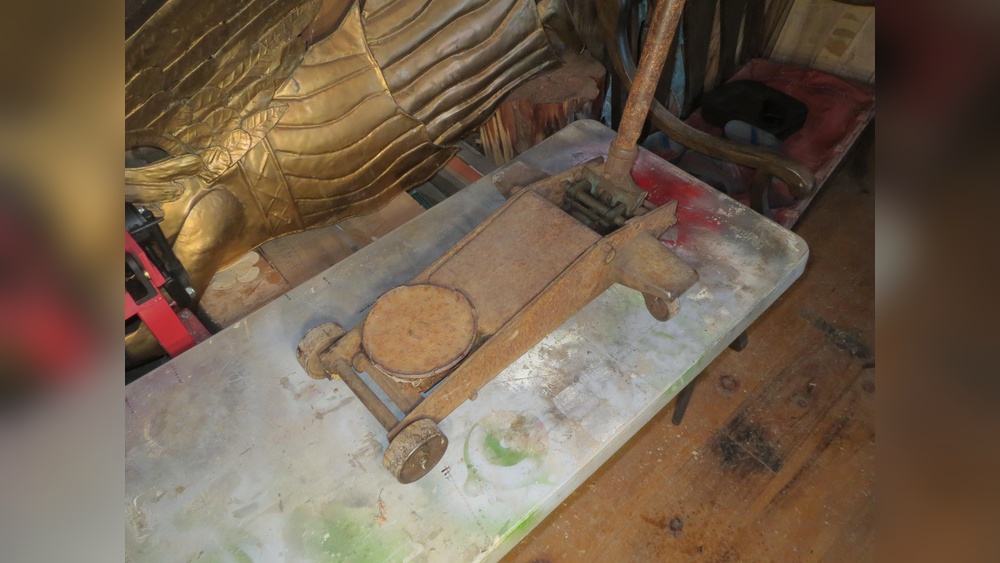
Steel floor jacks are heavy but very strong. They can support more weight and resist damage. These jacks often last longer under tough use. Aluminum jacks are lighter and easier to carry. They do not rust and are good for lighter tasks. Choose steel for heavy work and aluminum for portability.
Durability Indicators
Check for thick metal parts and solid welds. These signs show the jack can handle stress. A good paint or coating protects the metal from rust. Smooth moving parts mean better function and less wear. Look for brand names known for quality and safety tests. These details indicate a jack that lasts.

Credit: forums.aaca.org
Safety Mechanisms
Safety mechanisms make hydraulic floor jacks reliable and secure. They protect users from accidents and equipment damage. Knowing these features helps you use the jack with confidence.
Overload Valves
Overload valves stop the jack from lifting too much weight. They prevent damage to the jack’s hydraulic system. This valve activates automatically if the load is too heavy. It keeps the jack stable and avoids sudden failures.
Safety Locks
Safety locks hold the jack in place once lifted. They stop the jack from lowering unexpectedly. This feature ensures your vehicle stays secure while you work. Locks add an extra layer of protection for every job.
Brand And Model Identification
Identifying the brand and model of a hydraulic floor jack helps you find the right parts and understand its capacity. This information is often on the jack itself. Knowing where to look saves time and avoids mistakes.
Manufacturer Labels
Most hydraulic floor jacks have a label from the manufacturer. This label usually shows the brand name clearly. It also includes the model number and sometimes the weight limit. The label is often on the side or the base of the jack. Check for stickers or metal plates. These labels help confirm the exact type of jack you have.
Serial Numbers
Serial numbers are unique to each jack. They help track the product for warranty or repairs. You can find the serial number near the manufacturer label or stamped on the frame. The number looks like a mix of letters and digits. Record this number before calling customer service or buying parts. It ensures you get the correct information for your jack model.
Credit: www.reddit.com
Common Mistakes When Identifying
Identifying a hydraulic floor jack correctly is important for safety and efficiency. Many people make common mistakes that cause confusion or damage. These errors can lead to using the wrong tool or overloading the jack. Knowing these mistakes helps avoid trouble and saves time.
Confusing With Other Jack Types
Hydraulic floor jacks look similar to other jacks. Some confuse them with scissor jacks or bottle jacks. Scissor jacks use a screw mechanism and are smaller. Bottle jacks are upright and take more space. Hydraulic floor jacks have a flat, wide base and a long handle. Recognizing these features helps avoid mix-ups.
Ignoring Weight Limits
Every hydraulic floor jack has a weight limit. Ignoring this can cause jack failure or accidents. The weight limit is often marked on the jack. Using a jack beyond its limit risks safety and damages the tool. Always check and respect the weight capacity before use.
Maintenance Tips For Longevity
Proper maintenance keeps a hydraulic floor jack working well for many years. Simple care steps prevent damage and ensure safety. Regular checks help find small issues early. This saves money and avoids accidents.
Checking Hydraulic Fluid
Hydraulic fluid powers the jack’s lifting ability. Check the fluid level often to keep it full. Use the type recommended by the manufacturer. Dirty or low fluid reduces performance and can cause leaks. Replace old fluid every year or if it looks dark or thick.
Regular Inspection
Look over the jack before every use. Check for cracks, rust, or bent parts. Test the release valve to make sure it works smoothly. Tighten loose nuts and bolts. Clean dirt and grease from moving parts. Keeping the jack clean prevents wear and damage.

Credit: www.reddit.com
Frequently Asked Questions
What Are The Key Features Of A Hydraulic Floor Jack?
A hydraulic floor jack has a flat lifting pad, a long handle, and a hydraulic pump. It uses fluid pressure to lift heavy objects smoothly and efficiently. Its wheels provide easy mobility, and it often includes safety valves to prevent overload.
How Do I Know If A Jack Is Hydraulic?
Hydraulic jacks use fluid pressure for lifting, unlike mechanical jacks. They have a pump handle and a cylinder visible near the base. When pumped, the lifting arm rises smoothly and steadily, indicating hydraulic operation.
What Weight Capacity Should A Hydraulic Floor Jack Have?
Choose a hydraulic floor jack based on your vehicle’s weight. Most jacks range from 2 to 3 tons capacity. Always pick a jack with a higher capacity than your vehicle for safety and reliability.
Can I Identify A Hydraulic Jack By Its Size?
Size alone doesn’t confirm a hydraulic jack. However, hydraulic jacks tend to be compact with a low profile. Look for a pump handle, fluid reservoir, and a lifting arm to identify it properly.
Conclusion
Recognizing a hydraulic floor jack helps keep your vehicle safe. Check for a sturdy handle and a flat lifting pad. Notice the pump mechanism and wheels for easy movement. These jacks lift heavy loads smoothly and with less effort. Always confirm the jack’s weight limit before use.
Regular checks ensure it works well every time. Understanding these features makes choosing the right jack simple. Keep your tools reliable and your work safer. Simple steps lead to better car care.