If you need to remove a commercial deadbolt, you might feel unsure where to start. Maybe you’re upgrading security, fixing a jam, or replacing a lock that no longer works.
Whatever your reason, this task doesn’t have to be complicated or expensive. With the right steps, you can remove the deadbolt quickly and safely—without calling a locksmith. Keep reading, and you’ll learn exactly what tools to use and how to take your commercial deadbolt off with confidence.
By the end, you’ll be ready to handle the job yourself and save time and money.
Tools Needed
Removing a commercial deadbolt requires the right tools. Having the correct tools makes the process faster and easier. It also helps avoid damage to the door or lock. Below is a list of tools and safety gear you need.
Essential Tools List
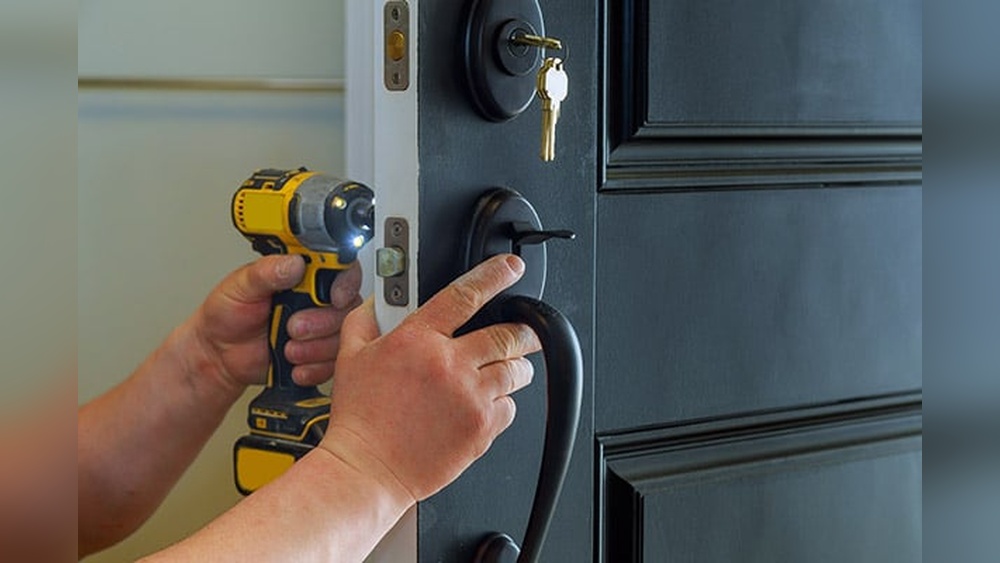
You need a screwdriver set with flathead and Phillips bits. A drill with drill bits is useful for stubborn screws. A pair of pliers helps grip and pull parts. A utility knife assists in cutting any seal or paint. A small hammer can tap loose stuck components. A flashlight makes it easier to see inside tight spaces.
Safety Equipment
Wear safety glasses to protect your eyes from flying debris. Use gloves to protect your hands from sharp edges. A dust mask helps if you drill or saw into old materials. Have a first aid kit nearby for any minor cuts. Work in a well-lit area to avoid accidents.
Identify Deadbolt Type
Before removing a commercial deadbolt, knowing its type is important. Each deadbolt style has unique features. Identifying the type helps you use the right tools and steps. It makes the removal process easier and faster.
Common Commercial Deadbolt Styles
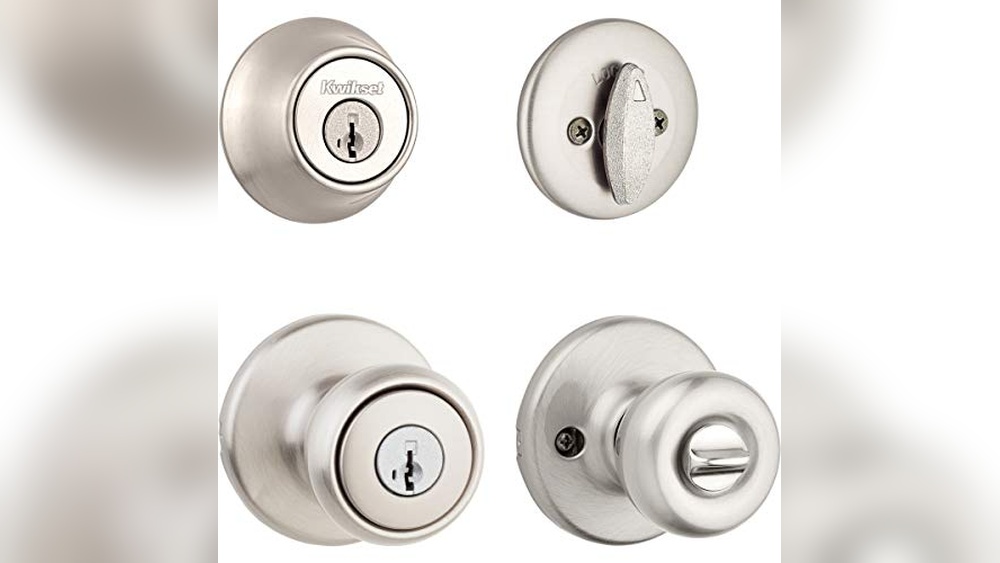
Commercial deadbolts come in several common styles. The most popular are single-cylinder and double-cylinder deadbolts. Single-cylinder deadbolts use a key on the outside and a thumb turn on the inside. Double-cylinder deadbolts require a key on both sides. Some deadbolts have an electric or electronic component for extra security. Spotting the style helps you plan the removal correctly.
Recognizing Lock Components
Every deadbolt has basic parts. The exterior part holds the key cylinder. The interior side has a thumb turn or another cylinder. The bolt itself slides into the door frame to lock. Screws hold the lock in place. Electronic deadbolts may have wires or batteries. Recognizing these parts makes it easier to remove the deadbolt step-by-step.
Prepare The Door
Preparing the door is the first step to remove a commercial deadbolt. It makes the process easier and safer. Taking time to organize helps avoid mistakes. Proper preparation saves time and effort later.
Start by clearing the area around the door. Then, remove any hardware attached to the door. These steps ensure you have full access to the deadbolt. They also protect the door from damage during removal.
Clear Work Area
Clear the space around the door. Move furniture and objects away from the door. This creates room to work comfortably. A clean area reduces the risk of accidents. It also helps you keep track of small parts.
Remove Door Hardware
Take off any door hardware covering the deadbolt. Use a screwdriver to remove screws from handles or plates. Place screws in a container to avoid losing them. Removing hardware exposes the deadbolt for easy access. Check for hidden screws under covers or plates.
Credit: www.doorclosersusa.com
Remove Exterior Cylinder
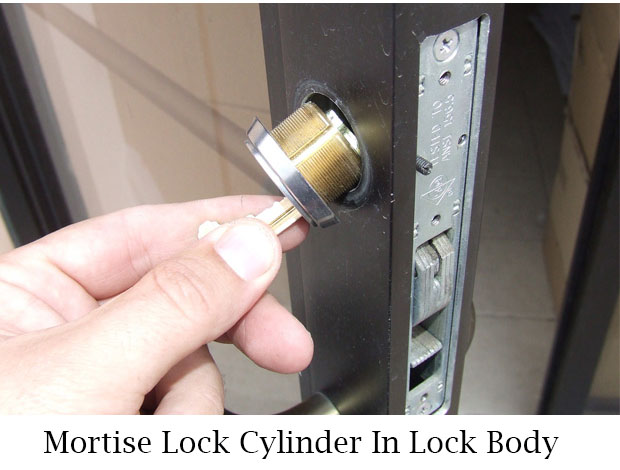
Removing the exterior cylinder of a commercial deadbolt is the first step to take it apart. This part holds the keyhole and is fixed to the door. It needs to be removed carefully to access the inner parts of the lock. Follow simple steps to do this job quickly and safely.
Locate Retaining Screws
Look for the screws on the face of the cylinder. These screws hold the cylinder firmly in place. They are usually found on the side of the door edge or near the cylinder itself. Use a flashlight if the screws are hard to see. Knowing their exact location helps avoid damage to the lock or door.
Unscrew Cylinder
Use the correct screwdriver to remove the retaining screws. Turn the screws counterclockwise until they come out completely. Keep the screws in a safe place for later use. Gently pull the cylinder out of the door. Do not force it to avoid breaking any parts.
Detach Interior Mechanism
Detaching the interior mechanism is a key step in removing a commercial deadbolt. It lets you access the lock’s core parts. This step is simple but needs care to avoid damage.
Focus on the interior side of the lock. This part holds the screws and the mechanism that controls the deadbolt. Removing it frees the lock from the door.
Access Interior Side
Start by opening the door to see the lock’s inside part. Look for a small cover or plate. This cover hides the screws and mechanism. Use a flat tool or your fingers to gently lift or slide off the cover. Be careful not to scratch the door.
After removing the cover, you will see screws holding the lock in place. These screws attach the interior mechanism to the door. Check all around the lock for screws. Some locks may have two or more screws.
Unscrew And Remove
Use a screwdriver that fits the screw heads. Turn each screw counterclockwise to loosen them. Keep the screws safe for later use or replacement. Once the screws are out, gently pull the interior mechanism away from the door. It may need a slight wiggle to come free.
Set the interior mechanism aside carefully. Now, you can continue with removing other parts of the deadbolt. Detaching this part clears the way to fully remove the lock from the door.
Extract Deadbolt Latch
Extracting the deadbolt latch is a key step in removing a commercial deadbolt. The latch is the part that slides into the door frame to keep the door locked. Removing it allows you to take the deadbolt apart fully. This section guides you through the simple process of extracting the latch safely and easily.
Remove Faceplate Screws
Start by locating the screws on the faceplate of the latch. These screws hold the latch firmly in place on the door edge. Use a screwdriver to turn the screws counterclockwise. Keep the screws safe for later use. Removing these screws frees the latch from the door.
Pull Out Latch
After removing the screws, grip the latch firmly. Pull the latch straight out from the door edge. It should slide out smoothly without much force. If it sticks, wiggle it gently to loosen. Once out, the latch is fully removed and you can proceed with the deadbolt removal.
Handle Common Challenges
Removing a commercial deadbolt can be tricky. Some parts may not come off easily. Common challenges can slow down the process. Knowing how to handle these problems helps you finish the job faster. Below are tips for dealing with two common issues.
Stuck Screws Solutions
Screws often get stuck in deadbolts. Dirt or paint can hold them tight. Use a screwdriver that fits well. Turn screws slowly to avoid stripping.
Apply a small amount of lubricant like WD-40. Let it sit for a few minutes. This helps loosen the screws. If screws still won’t budge, try a rubber band. Place it between the screwdriver and screw head. Press down hard and turn again.
Dealing With Rust Or Damage
Rust can make deadbolt parts hard to remove. Use a wire brush to clean rust off. Spray rust remover on affected areas. Wait a few minutes before trying to remove parts again.
If the deadbolt is badly damaged, parts may break. Use pliers to grip and pull broken pieces. Work slowly to avoid further damage. Replace damaged parts for better security later.

Credit: www.doorclosersusa.com
Install New Deadbolt Tips
Installing a new deadbolt is a simple task that improves security instantly. Follow some key tips to make sure the new lock works well and fits perfectly. Taking time to choose the right lock and check measurements will save hassle later. A good fit helps the lock last longer and work smoothly every time.
Choosing Replacement Locks
Pick a deadbolt designed for commercial use. These locks are stronger and more durable. Look for locks with solid metal construction for extra security. Consider the lock’s grade rating. Grade 1 locks offer the best protection. Choose a lock that matches your building’s style for a neat look. Select a lock with easy key operation and smooth turning.
Ensuring Proper Fit
Measure the door thickness before buying a new deadbolt. Most locks fit doors 1 3/8 to 1 3/4 inches thick. Check the backset distance—the space from the door edge to the center of the hole. Common backsets are 2 3/8 or 2 3/4 inches. Make sure the new lock’s latch fits the existing hole. Test the lock’s fit on the door before full installation. Proper fit prevents problems like jamming or loose locks.
Maintenance After Removal
After removing a commercial deadbolt, proper maintenance is essential. It keeps the door working smoothly and prevents future problems. Taking a few minutes to care for the lock area can save time and money later.
Lubricating Lock Components
Use a lubricant to keep lock parts moving easily. Spray a small amount into the latch and bolt areas. Avoid oil-based lubricants; choose graphite or silicone spray instead. This stops the lock from sticking and reduces wear on parts.
Apply lubricant gently. Move the latch back and forth to spread it inside. Wipe away any extra spray to avoid dirt buildup. Regular lubrication extends the life of your door hardware.
Checking Door Alignment
Check the door alignment after the deadbolt is removed. A misaligned door can cause problems with locking or closing. Look at the gap between the door and frame. It should be even from top to bottom.
Test the door by opening and closing it slowly. If it sticks or rubs, adjust the hinges or strike plate. Correct alignment helps the new lock fit well and work properly. It also prevents damage to the door and frame over time.

Credit: fast.parkavenuelocks.com
Frequently Asked Questions
How Do I Remove A Commercial Deadbolt Lock?
Start by unscrewing the interior screws on the lock. Remove both the interior and exterior lock components carefully. Detach the deadbolt from the door edge. Use a screwdriver to remove the faceplate and bolt. Always keep screws safe for reinstallation or replacement.
What Tools Are Needed To Remove A Deadbolt?
You need a Phillips screwdriver, flathead screwdriver, and possibly an Allen wrench. A drill may be helpful for stubborn screws. Ensure you have a flashlight for better visibility. Having a small container for screws keeps parts organized during removal.
Can I Remove A Commercial Deadbolt Without A Key?
Yes, if the lock is not engaged, you can remove it by unscrewing. If locked, use a lock pick or call a locksmith for assistance. Avoid damaging the door or lock during removal to ensure proper replacement.
How Long Does It Take To Remove A Commercial Deadbolt?
Typically, removing a commercial deadbolt takes 10 to 20 minutes. Time varies depending on lock type and screw tightness. Proper tools and clear instructions speed up the process. Patience and care prevent damage to the door or lock.
Conclusion
Removing a commercial deadbolt can seem tough but is doable. Follow each step with care and patience. Use the right tools to avoid damage or injury. Take your time and work slowly for best results. Practice makes perfect, so don’t rush the process.
Now, you can handle deadbolt removal with more confidence. Keep safety in mind at all times. This skill can save money and time in the future. Remember, simple tasks become easy with clear instructions. You got this!