Are you tired of your shelves or pictures falling off the wall? You’re not alone.
Putting in a wall anchor is the simple fix that holds your items securely, even in drywall or plaster. But if you’ve never done it before, it can feel tricky or confusing. Don’t worry—this guide will walk you through every step, making it easy and stress-free.
By the end, you’ll have the confidence to hang anything safely and keep your walls looking great. Ready to learn how to put in a wall anchor the right way? Let’s get started!
Choosing The Right Wall Anchor
Choosing the right wall anchor makes your project strong and safe. Different walls need different anchors. Picking the correct one helps the anchor hold well without damage.
Types Of Wall Anchors
Plastic expansion anchors are common and easy to use. They work well in drywall and light materials.
Toggle bolts have wings that open behind the wall. They hold heavy items on hollow walls.
Molly bolts expand inside the wall for a tight fit. These are good for medium-weight objects.
Concrete anchors are strong and made for solid walls like brick or stone.
Matching Anchors To Wall Materials
Drywall needs light anchors like plastic or molly bolts. They spread the load without breaking the wall.
Plaster walls require anchors that do not cause cracks. Toggle bolts work well here.
Brick and concrete walls need heavy-duty anchors. Use concrete anchors or sleeve anchors for a firm hold.
Wood walls often need no anchors. Screws can go directly into the wood safely.
Tools And Materials Needed
Installing a wall anchor requires specific tools and materials. Having the right items makes the process smooth and safe. This section lists everything you need to prepare before starting your project.
Essential Tools
Start with a drill and drill bits suited for your wall type. You also need a screwdriver or a drill with a screwdriver bit. A hammer can help for some anchors. A tape measure ensures accurate placement. A pencil marks spots on the wall. Finally, a level keeps everything straight.
Safety Gear
Protect your eyes with safety goggles. Gloves shield your hands from sharp edges. A dust mask prevents inhaling wall dust. Use ear protection if your drill is loud. Safety gear keeps you safe during work.
Preparing The Wall
Preparing the wall is the first step to install a wall anchor correctly. It ensures the anchor holds firmly and supports the weight it needs to carry. Taking time to prepare the wall helps avoid damage and keeps your project safe.
Locating The Spot
Find the exact spot on the wall where you want the anchor. Check for studs or pipes behind the wall to avoid drilling into them. Use a stud finder or tap the wall lightly to hear hollow or solid sounds. Pick a spot with enough space around it for the anchor.
Marking And Measuring
Mark the spot with a pencil clearly. Use a level to keep the mark straight if installing multiple anchors. Measure the distance between marks if needed to ensure even spacing. Clear and accurate marks make drilling easier and more precise.

Credit: www.wikihow.com
Drilling The Hole
Drilling the hole is a key step in installing a wall anchor. It creates space for the anchor to fit snugly. The hole must be the right size and depth for a secure hold. Careful drilling ensures the wall stays strong and the anchor works well.
Selecting The Drill Bit
Choose a drill bit that matches your wall anchor size. The bit diameter should equal the anchor width. Using a smaller bit makes insertion hard. A larger bit makes the anchor loose. For drywall, a standard twist bit works fine. Masonry walls require a masonry drill bit.
Drilling Techniques
Mark the spot where you want the anchor. Hold the drill steady and start slowly. Drill straight into the wall to avoid uneven holes. Stop once you reach the right depth. Clean out dust from the hole before inserting the anchor. This helps the anchor grip tightly.
Inserting The Wall Anchor
Inserting a wall anchor is a key step for strong support on your wall. The anchor holds screws firmly and prevents damage. This process requires care to ensure the anchor fits well and stays in place. Follow these steps for proper insertion.
Aligning The Anchor
Start by holding the anchor near the hole you drilled. Check if the anchor matches the hole size. Place the anchor straight against the wall. Avoid tilting it to keep the fit tight. A straight anchor ensures better grip and strength.
Securing The Anchor In Place
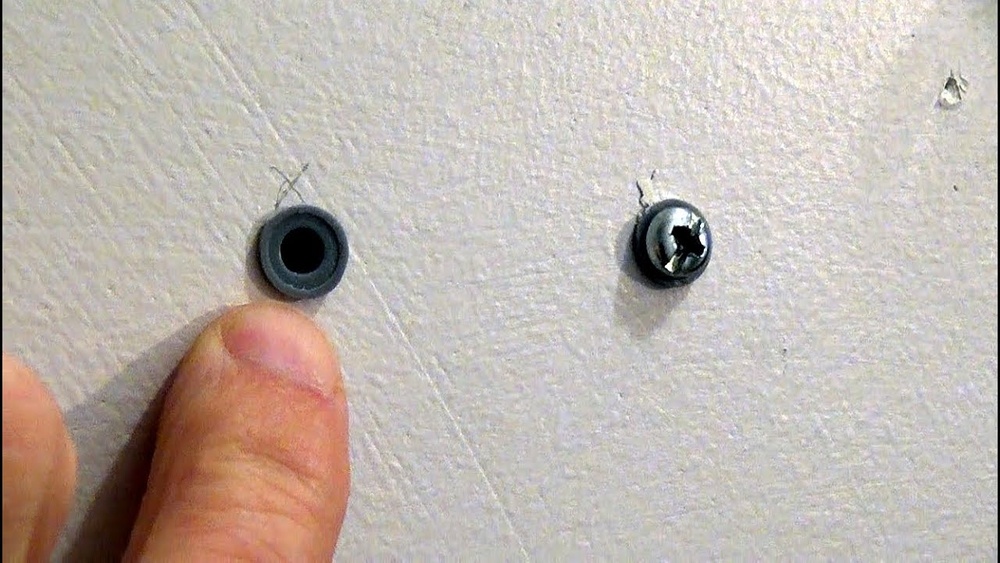
Press the anchor gently into the hole. Use a hammer if the anchor does not slide easily. Tap the anchor until it is flush with the wall surface. Make sure it does not go too deep. The anchor must sit firmly to hold the screw well.
Attaching Fixtures
Attaching fixtures to the wall anchor is a key step to secure your items safely. The right screws and proper tightening ensure the fixture stays in place. This part of the process requires attention and care.
Choosing The Right Screws
Select screws that match the size of the wall anchor. Too small screws will not hold the fixture firmly. Too large screws can damage the anchor or wall. Check the anchor packaging for screw size recommendations. Use screws made of strong material like steel for durability.
Tightening And Testing
Insert the screw slowly into the anchor. Turn the screw gently to avoid stripping the anchor. Tighten the screw until it feels secure but do not overtighten. Over-tightening can crack the wall or damage the anchor. After tightening, test the fixture by applying light pressure. Ensure it does not move or wobble. This confirms the anchor and screw hold well.
Troubleshooting Common Issues
Troubleshooting common issues with wall anchors helps ensure a strong hold. Wall anchors sometimes fail or cause damage. Fixing these problems early saves time and frustration. Here are simple solutions for typical problems.
Dealing With Loose Anchors
Loose anchors do not hold weight well. They slip out or spin in the hole. To fix this, remove the anchor carefully. Check if the hole is too big. Use a larger anchor or fill the hole with wood filler. Let the filler dry before re-inserting the anchor. Another option is to use a toggle or molly bolt for a better grip.
Fixing Cracked Walls
Cracked walls can weaken anchor support. Cracks often appear from drilling or heavy load. Clean the crack and remove loose debris. Fill it with wall putty or spackling paste. Let it dry fully, then sand smooth. Drill a new hole nearby, avoiding the cracked area. Use an anchor designed for drywall or plaster to prevent more damage.

Credit: www.youtube.com

Credit: www.picturehangsolutions.com
Frequently Asked Questions
What Tools Do I Need To Install A Wall Anchor?
You need a drill, appropriate drill bit, wall anchor, screwdriver, and a hammer. These tools ensure proper installation and secure support.
How Do You Choose The Right Wall Anchor Size?
Select a wall anchor based on the item’s weight and wall material. Check packaging for weight limits and match anchor size accordingly.
Can I Use A Wall Anchor On Drywall?
Yes, wall anchors are designed for drywall and hollow walls. They provide extra grip and support for hanging items safely.
How Deep Should I Drill For A Wall Anchor?
Drill a hole slightly deeper than the wall anchor length. This ensures the anchor fits fully and holds securely in place.
Conclusion
Putting in a wall anchor is easier than it seems. Start with the right tools and follow each step carefully. A good anchor holds your items firmly on the wall. Avoid drilling too deep or using the wrong size. Take your time and check your work as you go.
With practice, you will feel more confident doing it yourself. This small skill helps with many home projects. Try it out and see how strong your wall mounts can be. Simple steps lead to great results.